A Blade That Teaches Restraint: Craft, Hooves, and the Parts Nature Maintains
A Blade That Teaches Restraint: Craft, Hooves, and the Parts Nature Maintains
What does "quality" truly mean in an instrument, if not its capacity to minimize harm?
The Japanese hoof knife arrives wrapped in a kind of mythology: pristine steel, decisive edge, a lineage whispering of self-mastery.
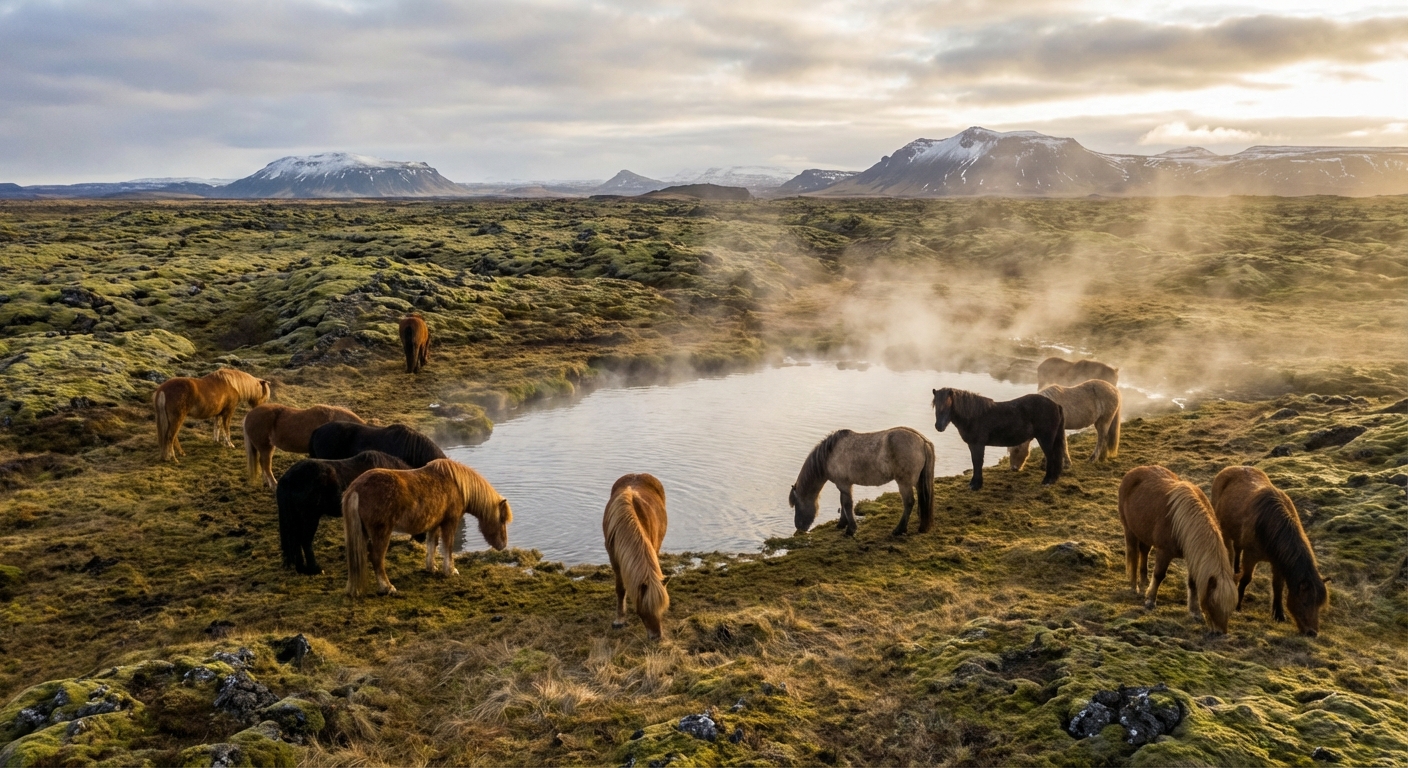
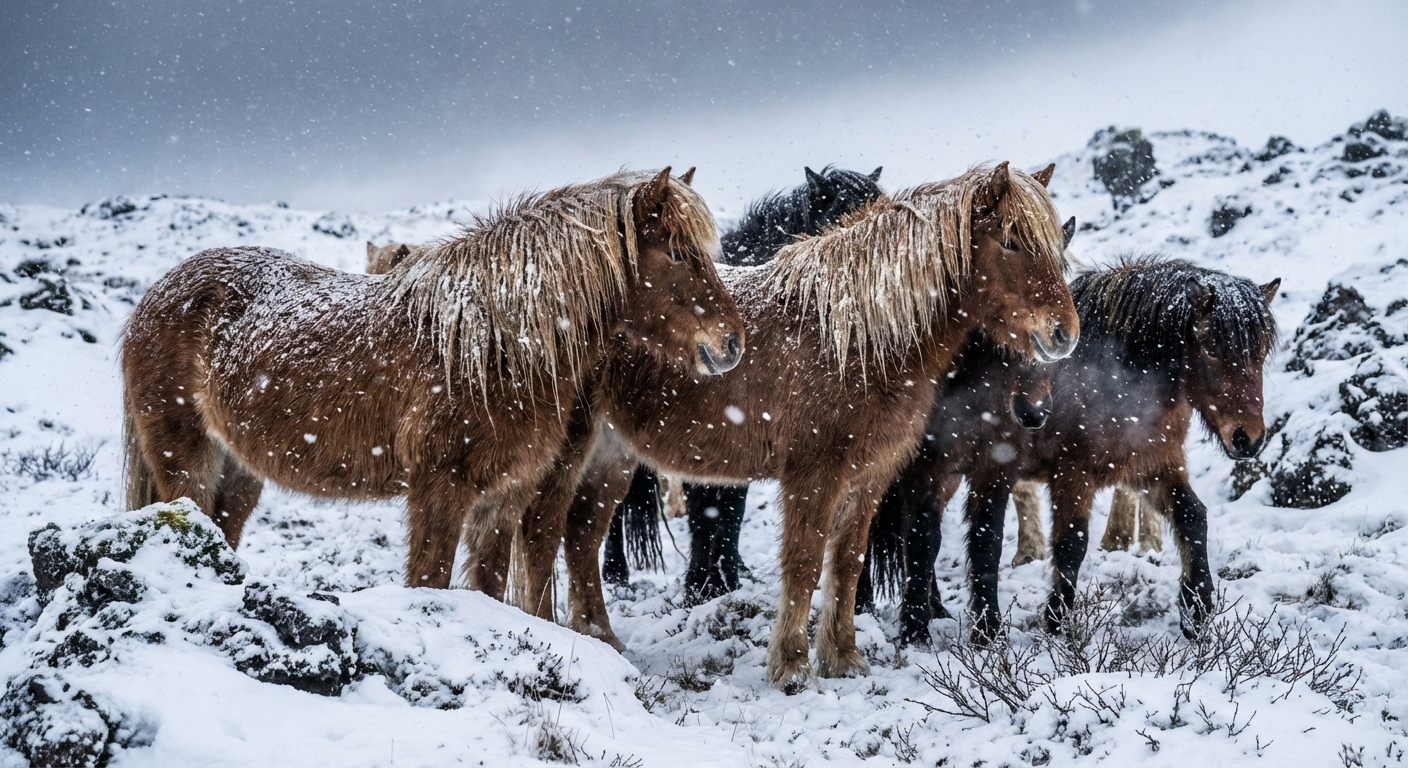
Yet when horses dwell in spaces that permit genuine locomotion, the hoof does not await daily salvation.
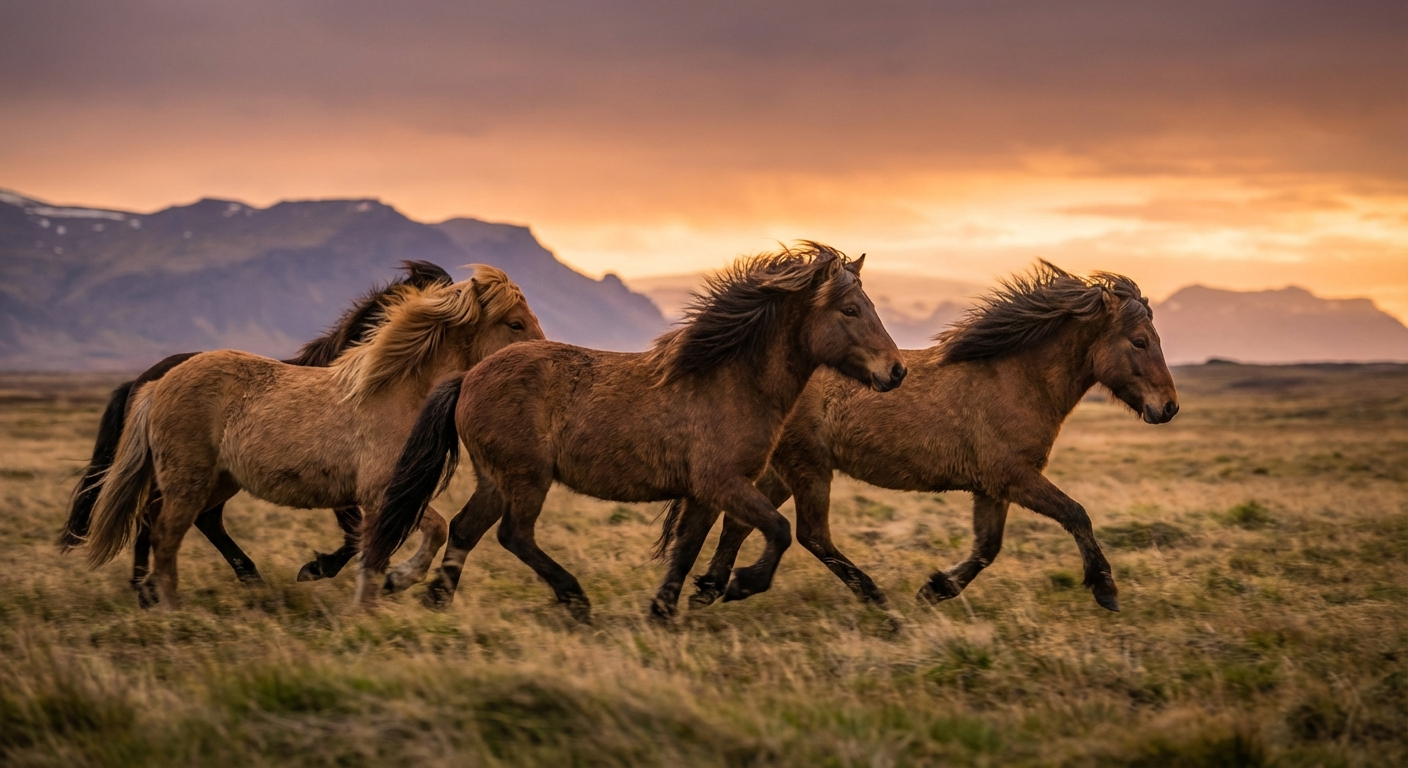
Motion itself becomes a form of care.
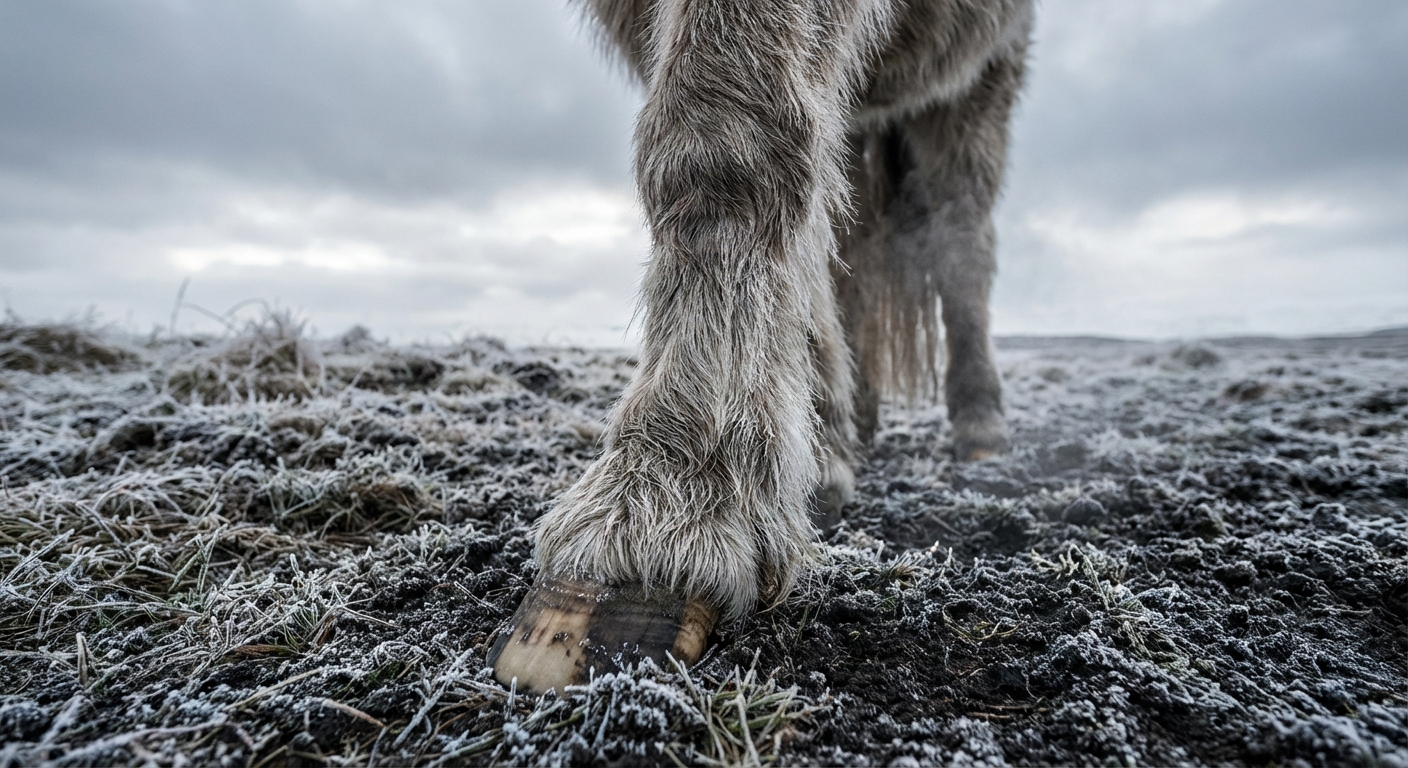
The earth beneath already serves as rasp.
The herd's rhythms already impose their own timetable.
A horse free to amble, roam, and select its footing is perpetually calibrating wear and equilibrium through the simple act of living. So too might we consider how much of our own maintenance happens organically when we inhabit environments that suit our nature—and how often we intervene where life would have sufficed.
Thus the knife transforms in purpose.
No longer an emblem of dominion.
Rather, an invitation to observe before acting.
To inquire, wordlessly, whether the surroundings are fulfilling their function.
For nature conducts its own quiet preservation—when we cease our interference. We might ask the same of our own lives: how often does our compulsion to fix obstruct what would naturally mend?
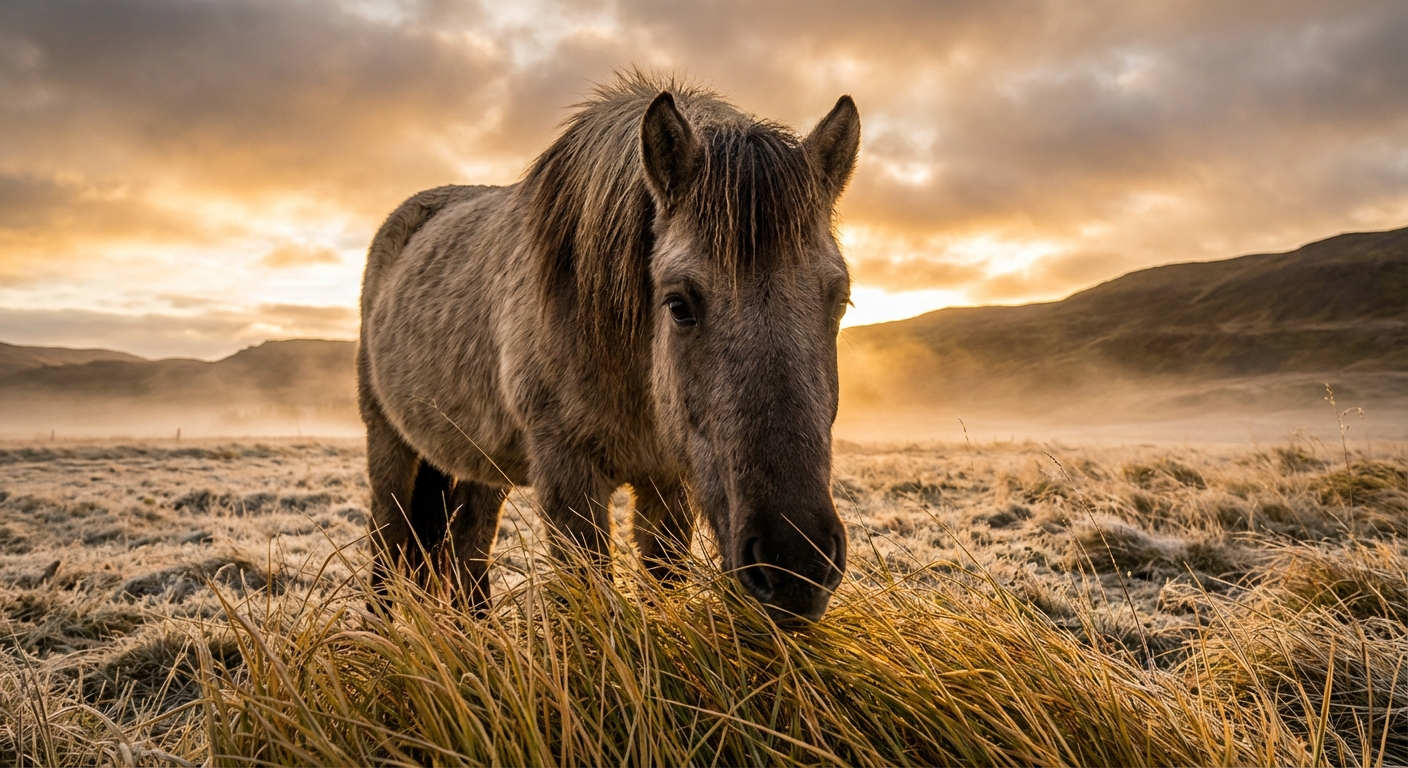
Perpetual grazing does more than occupy hours; it nourishes the gut in alignment with how the horse was designed to consume.
Open terrain does more than appear "authentic"; it provides the foundational daily mileage that allows bodies to function as bodies should.
And when a horse enacts a pattern so persistently it seems etched into their being, this may be the environment speaking—not a character deficiency. Perhaps our own stubborn habits, too, are less about who we are and more about what surrounds us.
Viewed through this lens, "samurai quality" is not about keenness of edge.
It is about measured restraint.
It is the forbearance to read what the hoof communicates about the preceding day before any contact is made.
It is the modesty to weigh soil, meadow, and the living matrix beneath the animal—for stewarding horses simultaneously sculpts the land, and the land in turn sculpts the horse.
It is the openness to permit a horse to pursue what calls to them, including those peculiar, understated gestures of self-selection that suggest an innate knowing of what serves them.
And it is the understanding—transmitted by those who simply observed across countless hours—that horses mirror our inner condition. The anxious soul grasps for certainty. The present soul perceives cadence. In this mirroring, we find an invitation: to become the kind of presence that notices rather than controls.
A masterful blade can execute a flawless incision.
But true coexistence demands a more refined choice: knowing when to set the blade aside.
Equine Notion
https://equinenotion.com/