After the Hay: Making Room for Rest-and-Digest Time in a Shared Horse Life

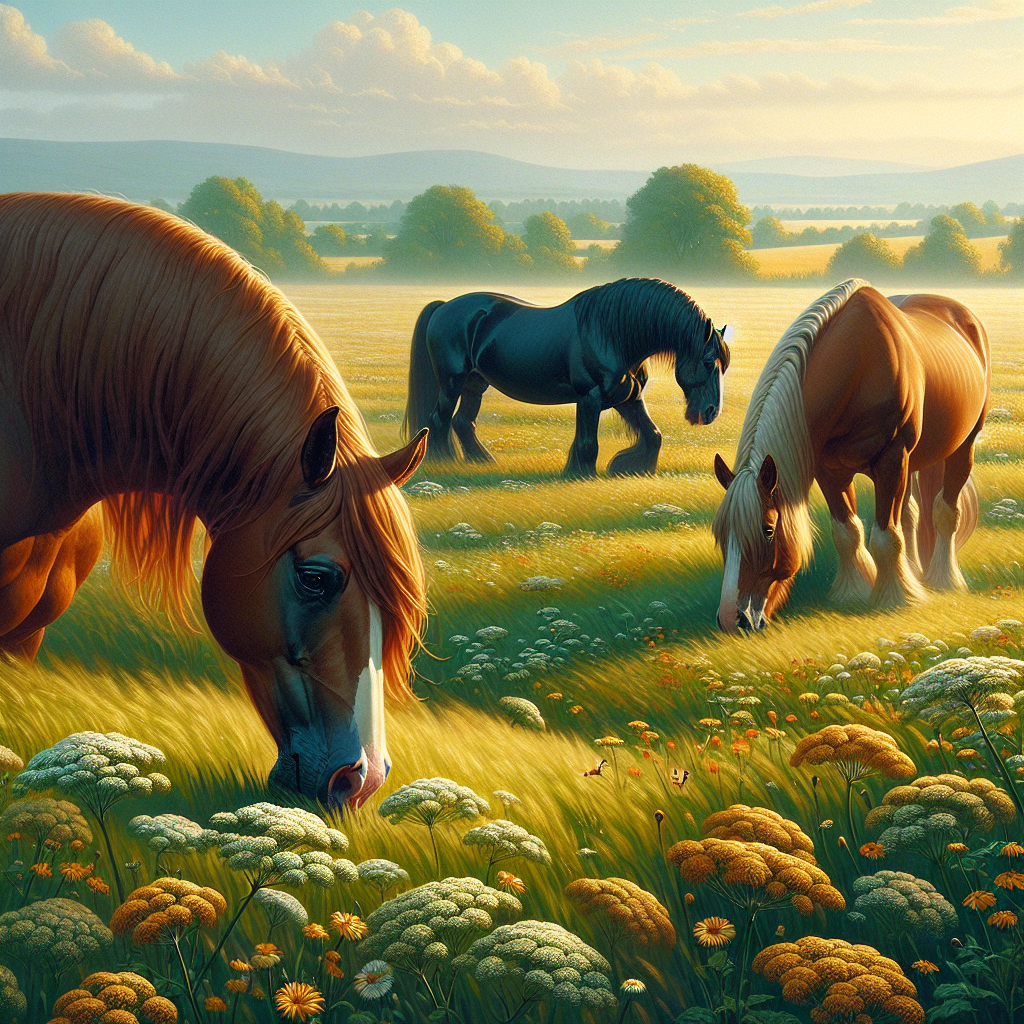
Hook
They completed their meal and didn't "do" a thing.
No wandering. No searching. No request.
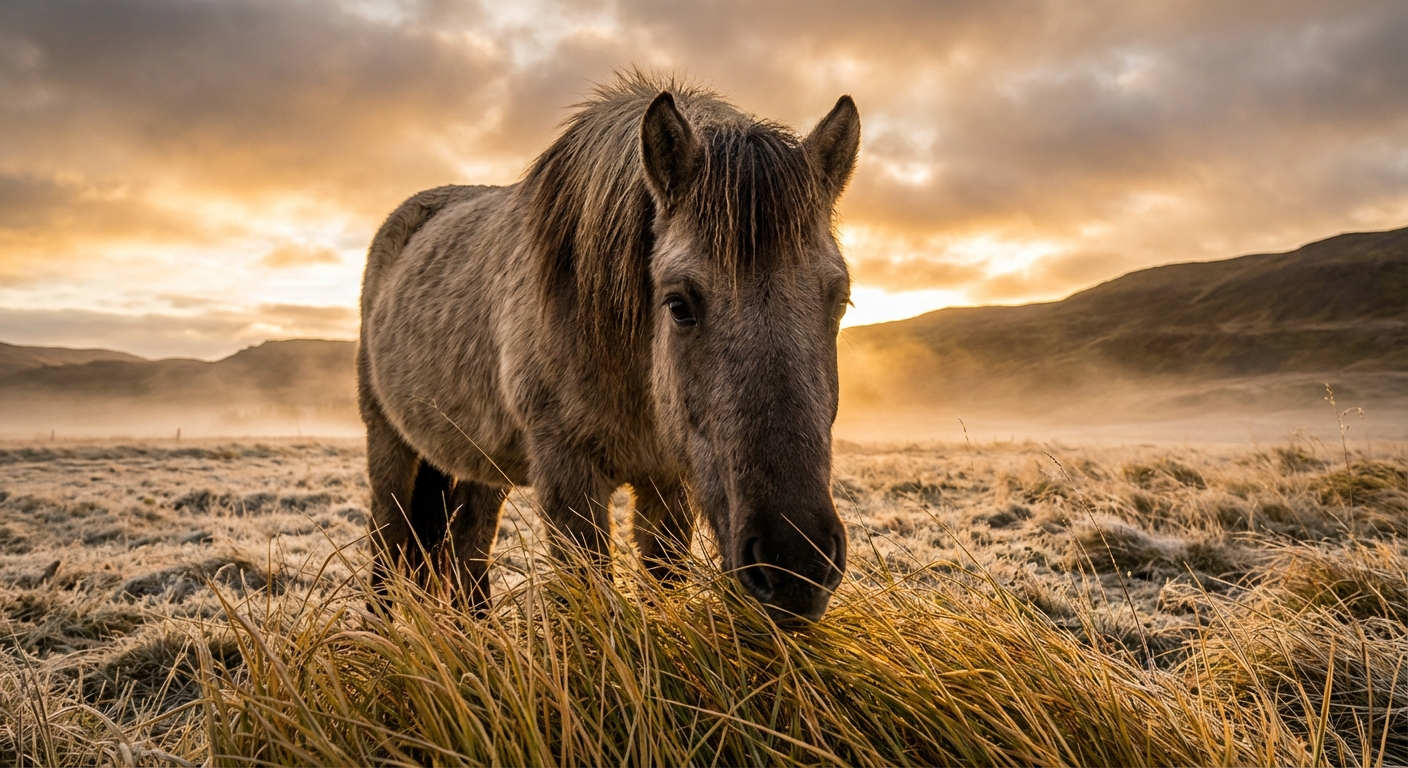
Just a gentle shifting of hooves. A dropped head. An extended stillness that appeared empty—until you understand that "empty" might be exactly the purpose.
Living alongside horses without riding or training can be as straightforward as learning to safeguard that stillness.
1) The overlooked need: undisturbed time around food
When we share our lives with horses, food is more than sustenance. It's a daily foundation.
The moments surrounding meals frequently establish the rhythm for everything that follows. When the area remains peaceful, the horse can remain peaceful. When the surroundings are hectic, the horse must keep monitoring them.
A coexistence philosophy begins here: regard post-meal quietude as meaningful time with genuine worth, not as a vacant gap we ought to occupy.
This isn't about creating "well-mannered" horses. It's about easing the burden on their bodies by allowing their nervous system to calm rather than remaining vigilant.
2) What "parasympathetic" looks like in real life (without the jargon)
You don't require a biology lesson to recognize the change.
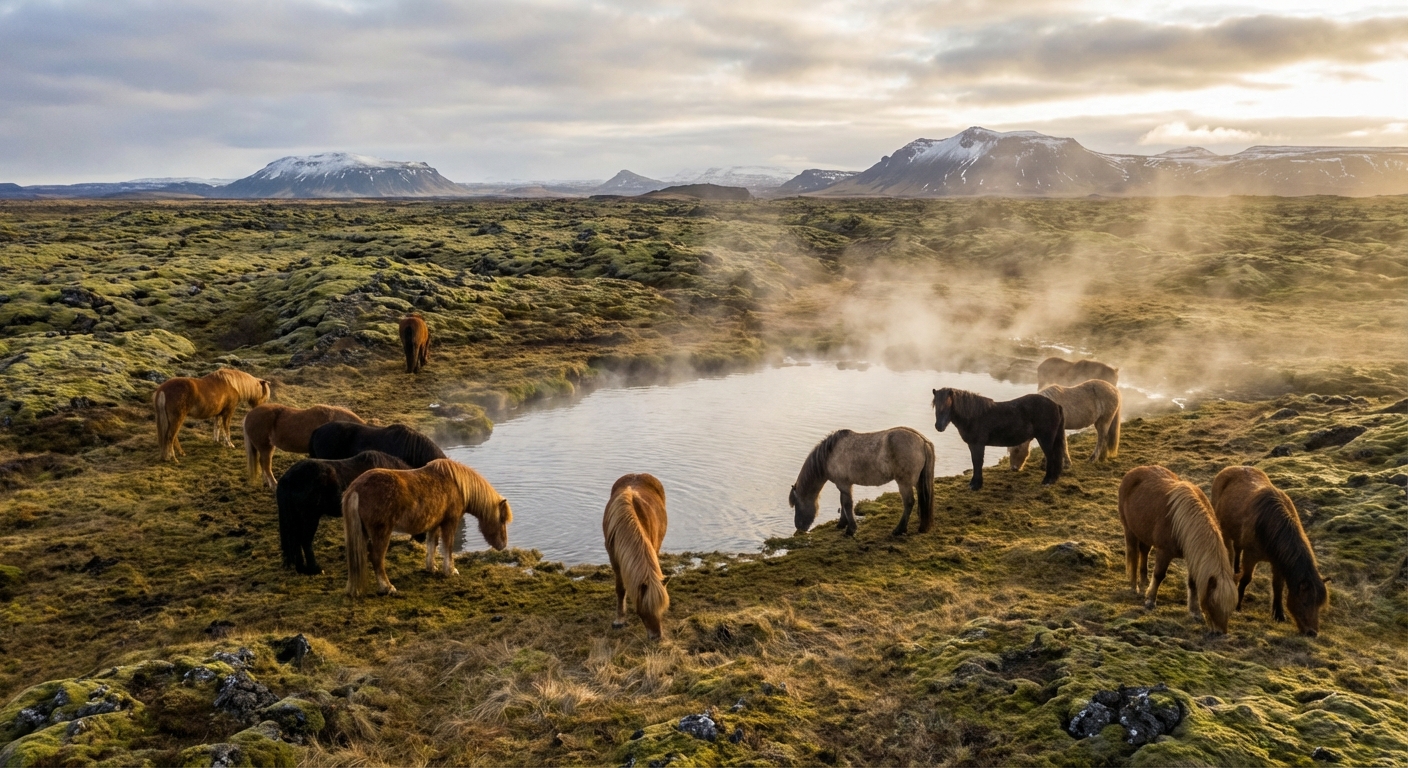
A horse who has settled typically appears relaxed. The body looks weightier, as though it has been granted permission to rest fully on the earth.
Breathing appears slower. The gaze seems less active. The entire horse looks less concerned with monitoring their surroundings.
When we mention "rest required," this is the real-world meaning: a horse needs periods of time when nothing is expected, nothing is unclear, and nothing unfamiliar is being presented.
Coexistence means we recognize these moments and cease disrupting them.
3) How humans accidentally interrupt digestion and rest
In a shared human-horse existence, disruption frequently stems from good intentions.
We show up with snacks. We carry a grooming tool. We choose to clean up. We position ourselves nearby because we desire closeness.
None of that is incorrect.
But immediately following a meal, even soft attention can draw a horse away from settling. They raise their head. They watch us. They anticipate the "next thing."
The horse might cooperate, trail along, or participate. Yet the price can be understated: their body remains in "alert" mode longer than necessary.
A non-riding, non-training viewpoint calls for self-control. Not diminished affection—just improved timing.
4) Designing quiet around meals: coexistence as environment care
You can create a more tranquil post-meal period without altering the horse's nature.
Begin with what you can manage: your tempo, your distance, and your consistency.
Walk more gradually when you arrive.
Provide more room than you believe is needed. Position yourself to the side instead of directly facing them. Let your posture communicate, "I'm not here to initiate anything."
Refrain from lingering near hay as though you're expecting an exchange. If you must be there, remain motionless and unremarkable.
This is coexistence at its most basic: crafting the environment so the horse doesn't need to continuously reassess it.
5) Being present without recruiting the horse
Most of us associate connection with interaction.
But a horse can feel connected while sharing nothing active with us.
Attempt occupying space in a manner that doesn't require the horse to react. No extended hands. No multiple hellos. No quiet requests.
This is more difficult than it appears, because people crave response. We enjoy being selected.
Yet safeguarding rest-and-digest time requires allowing the horse to remain internal for a period. Let them be immersed in their own physical processes.
If they decide to come over after they've relaxed, that's another matter. Then the encounter belongs to them, not us.
6) A gentle daily practice: protecting the "after"
Coexistence materializes in the tiniest habits.
Observe your impulse to "utilize" the post-meal window. The impulse to grab them for something. The impulse to transform stillness into accomplishment.
Then try developing a new pattern: let "after the hay" become a sacred space.
Not indefinitely. Not flawlessly. Just regularly enough that the horse's day contains a dependable gentle boundary.
With time, this method can transform the atmosphere of the entire place. Not because you conditioned anything—but because you ceased disrupting the body's requirement to unwind.
That is a distinctive form of care: opting not to impose a request when the horse is already engaged in essential work.
Equine Notion
https://equinenotion.com/