Alone in a Herd Animal’s Body: What Solitary Housing Costs Before You Ever See “Bad Behavior”

Hook
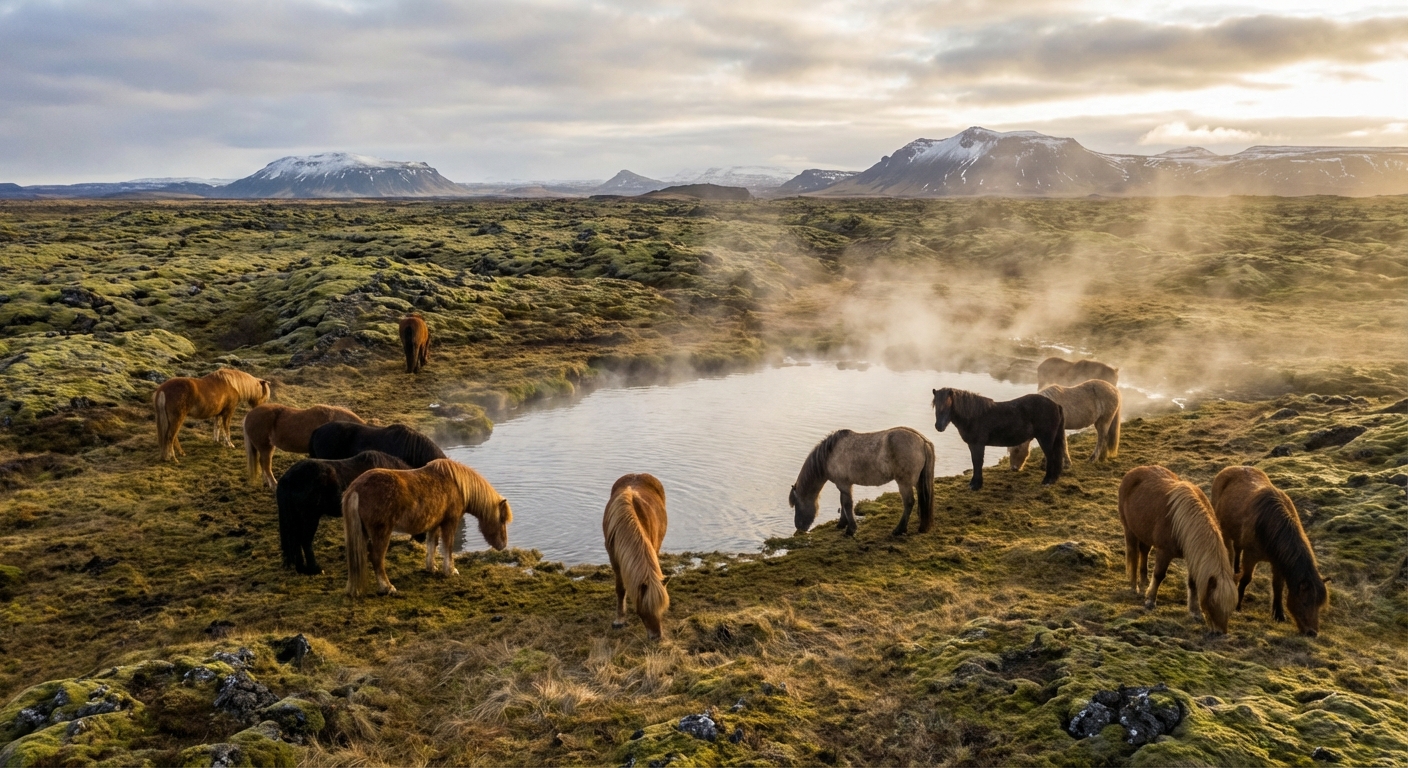
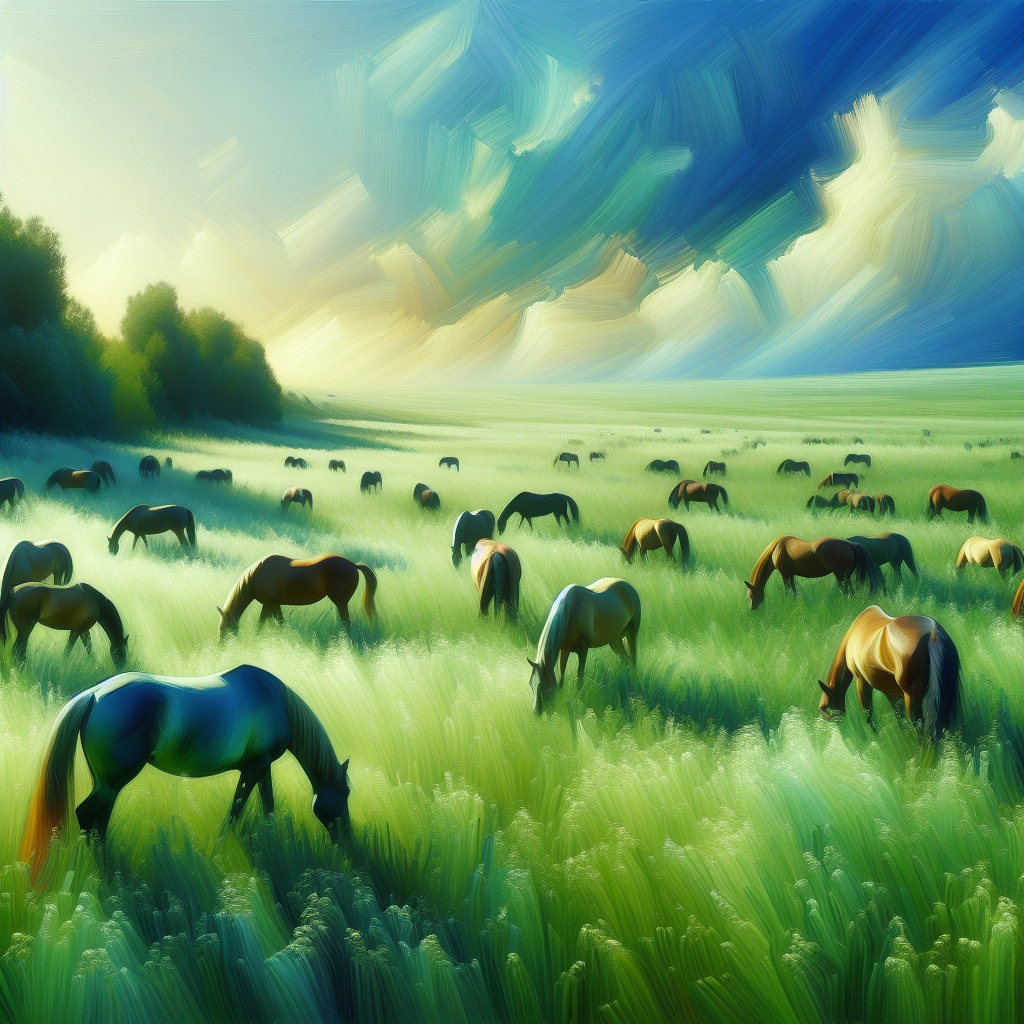
I once observed a group settling down for an afternoon rest. No conflict. No pursuit. Simply bodies deciding where to position themselves.
Two horses paused side-by-side, exhaled deeply, and remained.
That unremarkable moment is simple to miss—until you picture the same creature with no ability to select anyone at all.
Living in isolation isn't merely about what a horse cannot do. It's about what their system never gets to *fulfill*.
1) A horse's "baseline" includes other horses
Within a group, horses continuously make minor, functional choices that maintain harmony: who positions near whom, who moves off, who trails at a relaxed distance, who settles together. These behaviors aren't emotional luxuries. They form part of how horses manage everyday existence.
When a horse lives in isolation, the setting eliminates a whole class of standard input: the constant presence of others, the freedom to select closeness or distance, and the subtle comfort of known companions close by.
For living alongside humans, this is significant because we frequently view a confined horse through a limited perspective: "He's challenging," "She's nervous," "He's demanding." But a horse existing without social options may be reacting to lack, not rebellion.
2) The stress you notice may start as something you don't
Groups frequently resolve tension without intensification. The indicators are subtle: an ear shifts direction, a head rotates, a body turns away, a single step creates room. These are the minimal-effort mechanisms horses employ to prevent larger disputes.
Under solitary circumstances, many of these mechanisms become meaningless. There is nobody to defer to, nobody to move toward, nobody to sidestep with a courteous route. The horse still possesses a nervous system designed for ongoing social adjustment, but significantly fewer opportunities to engage it.
From an outside view, humans may only register the "obvious" expressions—restlessness, unease, a horse who appears incapable of relaxing. Yet the absent elements are frequently the subtle ones: micro-corrections and small negotiations that would have occurred throughout the day in communal space.
3) Mutual grooming is more than affection—it's a social anchor
Among the most evident bonding behaviors in a group is mutual grooming: two horses positioned closely, alternating turns, remaining relaxed in their posture. It's a clear indicator of connection, but it's also a functional method horses use to sustain relationships.
If a horse lives alone, mutual grooming is simply unavailable.
Living harmoniously with horses—without riding, without training objectives—requires recognizing what the horse cannot reach. A brush held by human hands can offer gentle company, but it differs from a horse having the *option* of a favored partner who will also initiate, react, hesitate, and proceed.
When owners claim, "My horse dislikes other horses," it may help to pause and watch actual group dynamics rather than converting that into a permanent description. Social patterns are frequently particular: one companion is accepted at feeding, another is preferred for resting, another is circumvented in tight spaces. Horses aren't fixed personalities; they are situation-responsive creatures.
4) Resource moments reveal what isolation removes: negotiation
Within a group, daily resources—hay, water, tight gateways—expose the genuine nature of social existence. Not through perpetual conflict, but through deferring, pausing, granting access, and passing peacefully.
These instances instruct a horse in sharing territory. They also permit a horse to demonstrate preference and ease: "I can feed here because this neighbor is tolerant," or "I'll move aside because I prefer avoiding conflict," or "I'll pause and then come back."
Isolated housing eliminates the rehearsal of these minor social interactions.
The outcome can perplex humans. A horse that has lived alone may seem "impolite" or "excessive" when brought back to communal living, because the horse lacks daily practice in compromise. Living together requires us to interpret the situation as an absent capability for social existence, not a character defect.
5) "Dominance" stories miss what solitary horses actually lack
People favor a straightforward pecking order narrative: one leader, everyone else complies. But group observation reveals something more nuanced. Who defers to whom can shift based on what's involved—territory, hay, water, a cramped passage—and based on the bond.
When a horse lives alone, people sometimes substitute that absent social realm with a "leader" framework about the horse and the human: "He's challenging me," "She's attempting to dominate."
Yet a horse cannot rehearse respectful deference and courteous approach with a human the same way they do with another horse. Horses employ subtle movements—body orientation, head placement, a single step—within a continuous relationship network.
An isolated horse is lacking the network.
For harmonious coexistence, it benefits us to release the impulse to position ourselves as the herd replacement. Rather, we can become attentive watchers: observing what the horse pursues, what the horse evades, and how the horse's body shifts when provided greater social opportunity.
6) Environment and feeding can support agency—but not replace a herd
One concrete area where humans can harmonize with horses is providing food in ways that encourage natural grazing rather than strict schedules. A method outlined in the reference material is to skip set feeding times and instead promote more instinctive browsing and choosing, providing access to various hay types and wild plants so horses can select what they appear to require.
This type of arrangement can offer a horse greater command over their day—more choices, more minor gratifications, more time devoted to species-appropriate activity.
But it's crucial not to mistake environmental enhancement for social connection.
A horse may be active, engaged, even more settled with improved foraging choices—yet still miss the consistent social contributions of resting beside a companion, grooming, and maneuvering through shared territory. Coexistence strengthens when humans recognize both aspects: autonomy in the surroundings *and* access to connection.
Closing
Isolated housing can appear orderly from the human perspective: simple management, defined limits, fewer observable problems. But horses are constructed for continuous social awareness—selecting nearness, executing small polite gestures, sharing resources, and strengthening bonds through peaceful interaction.
When those everyday opportunities vanish, the price may emerge later as "behavior," even though the underlying cause started as a deficit of typical social existence.
Observing a group imparts a straightforward lesson: harmony is frequently constructed from minor decisions. Removing those decisions can burden a horse's system with a type of tension that doesn't require a diagnosis to be genuine.
Equine Notion
https://equinenotion.com/