Autumn’s Invisible Guests: Coexisting With the Fear of Larvae Without Turning Horses Into Projects

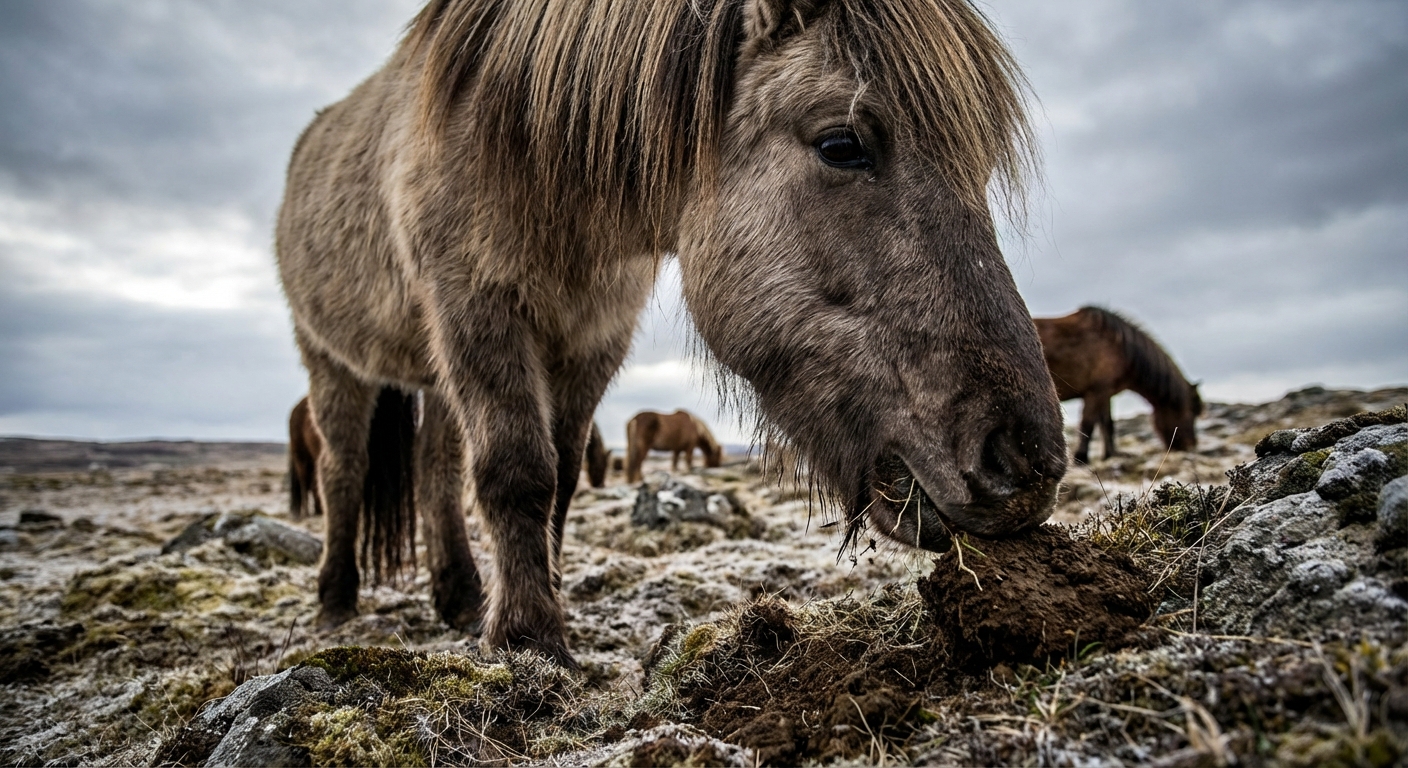
Autumn's Invisible Guests: Coexisting With the Fear of Larvae Without Turning Horses Into Projects
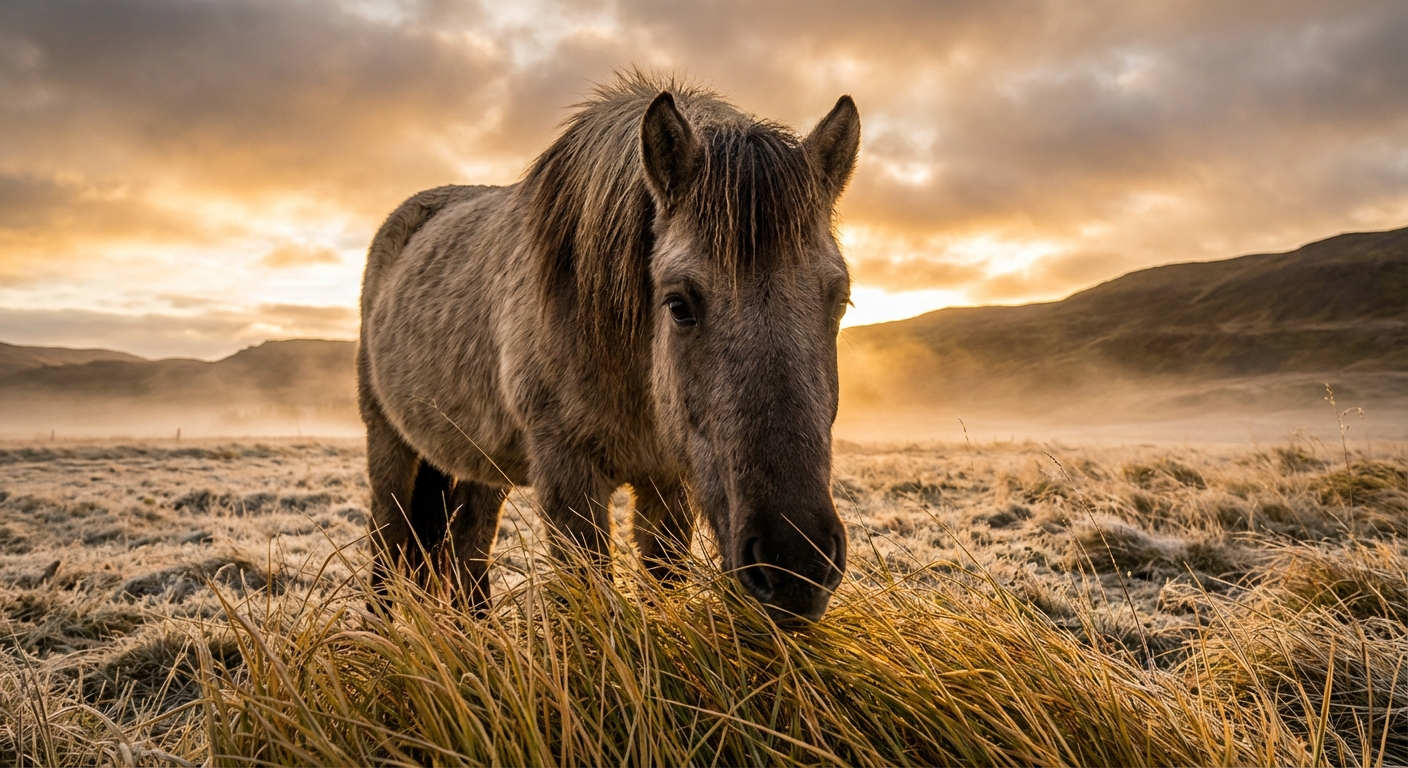
Those initial frigid dawns inevitably transform how we perceive the horses in our care.
I witnessed the shift unfold along the fence: the pasture appeared weary, sunlight arrived at a gentler angle, and discussions pivoted—softly yet with pressing concern—toward the unseen. Parasites. Digestive systems. The notion of something minute dwelling within something vast, operating according to its own rhythm. We humans carry this same anxiety about what lurks beneath our awareness—the threats we cannot name yet feel compelled to control.
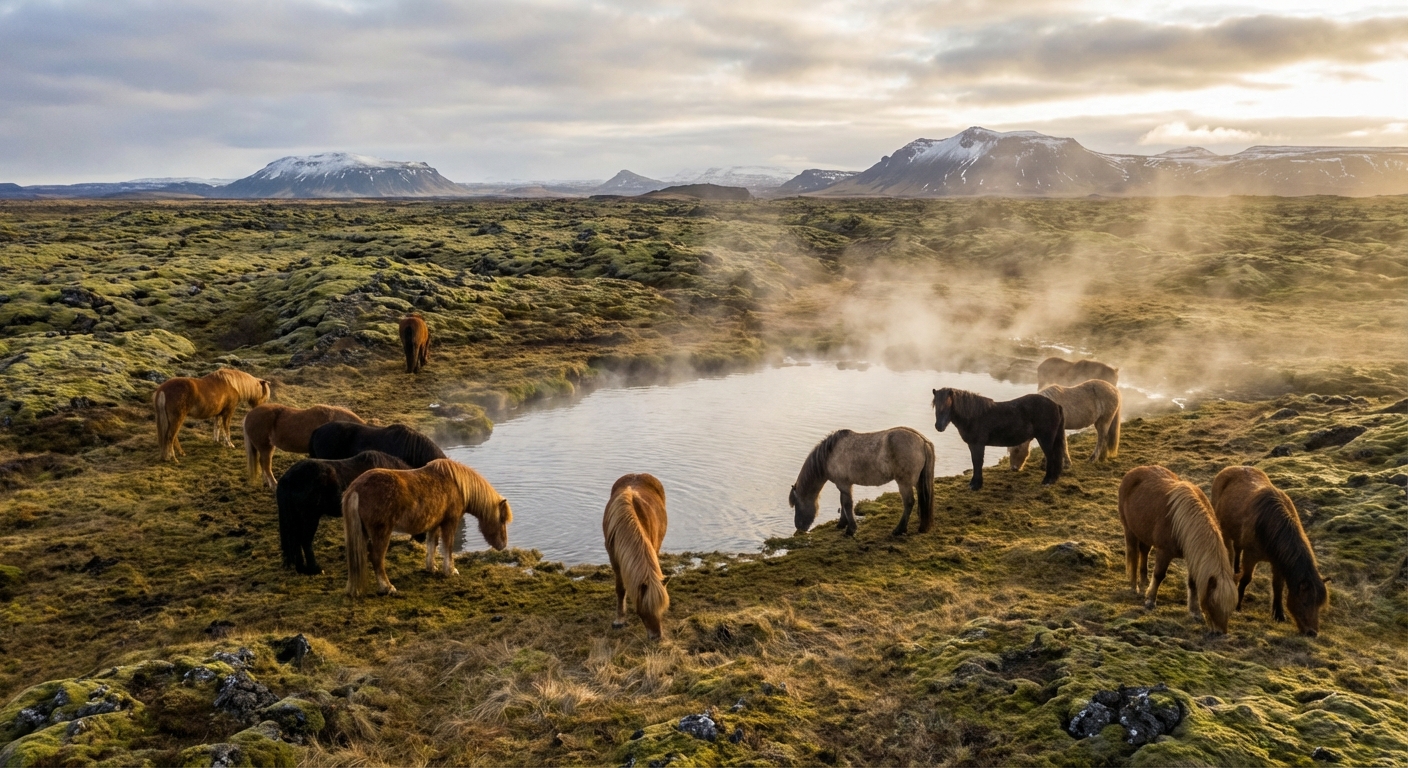
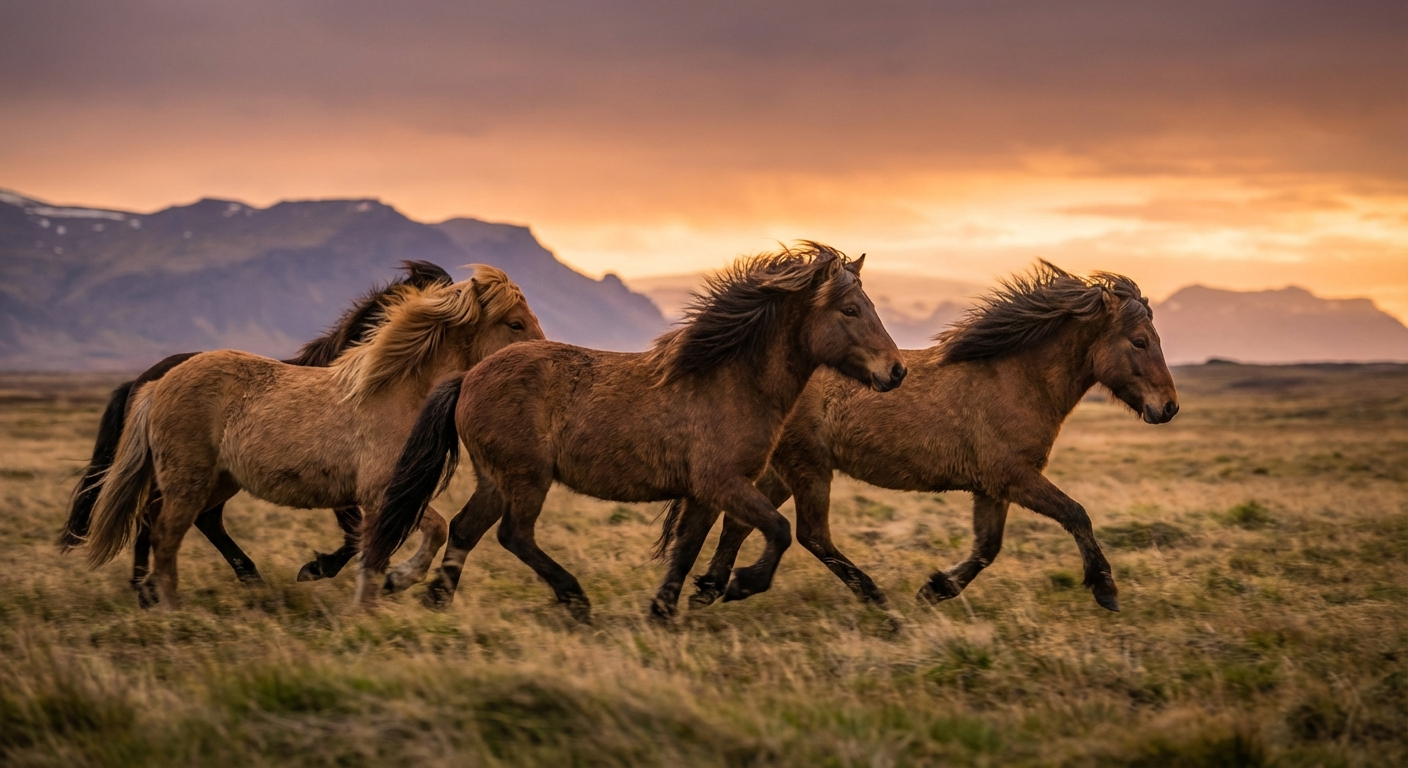
Horses appear unburdened by our fixation on the concealed. They continue constructing their hours upon an unchanging architecture: wander, eat, rest, eat once more. When this architecture remains intact, much else finds equilibrium—temperaments, stomachs, bonds. When it fractures, the consequences surface swiftly: agitated movements, seeking behaviors, a vigilance masquerading as stillness. Perhaps we too would find more stability if we honored our own foundational rhythms rather than constantly disrupting them in pursuit of optimization.
Fall is the season when caretaking grows susceptible to overreaction. Routines constrict. Grazing becomes portioned into discrete feedings. Evenings collapse into enforced stillness. We then label the resulting behaviors as "seasonal temperament." Yet equine physiology pays no attention to our calendars; it responds to absence. When consumption ceases, gastric acid accumulates with nothing to neutralize it. When locomotion halts, the body's fundamental expectation goes unmet. When companionship becomes rationed, the herd must recalibrate its social geography within compressed windows. How often do we impose similar artificial constraints on ourselves—fragmenting our days, isolating our connections—and then wonder why we feel so unsettled?
So I experimented with an alternative response to the parasite anxiety: neither dismissal nor amplification—simply a return to what the horse's nature already sustains.
I recorded actual grazing duration rather than presuming it. I marked the precise moments when rhythm fractured: a latched gate, a tardy hay replenishment, an evening confined indoors, an interruption that registered as trivial to me yet monumental to their seeking mouths. I observed what unfolded afterward: which horses began circling, which fell silent, which persisted in foraging where nothing remained. The objective was never to validate a hypothesis about parasites. The objective was to discern whether our own disruptions were compounding stress atop an already anxious season. This practice of honest observation before intervention might serve us well in our own lives—noticing the actual patterns rather than the stories we tell about them.
Coexistence, in this context, resembled protection of continuity far more than active intervention. Ensuring nourishment remains perpetually accessible. Acknowledging that confinement in a stall carries weight even when normalized by convention. Allowing motion and social presence to remain the baseline rather than something to be earned. There is wisdom here for human flourishing: that sometimes the most profound care is simply refusing to interrupt what already works.
The unseen visitors of autumn may indeed exist, but equally real is the tangible toll of fragmenting the horse's existence into segments convenient for human schedules.
Equine Notion
https://equinenotion.com/