Bandages for a Landscape: When Care Becomes a Substitute for Change

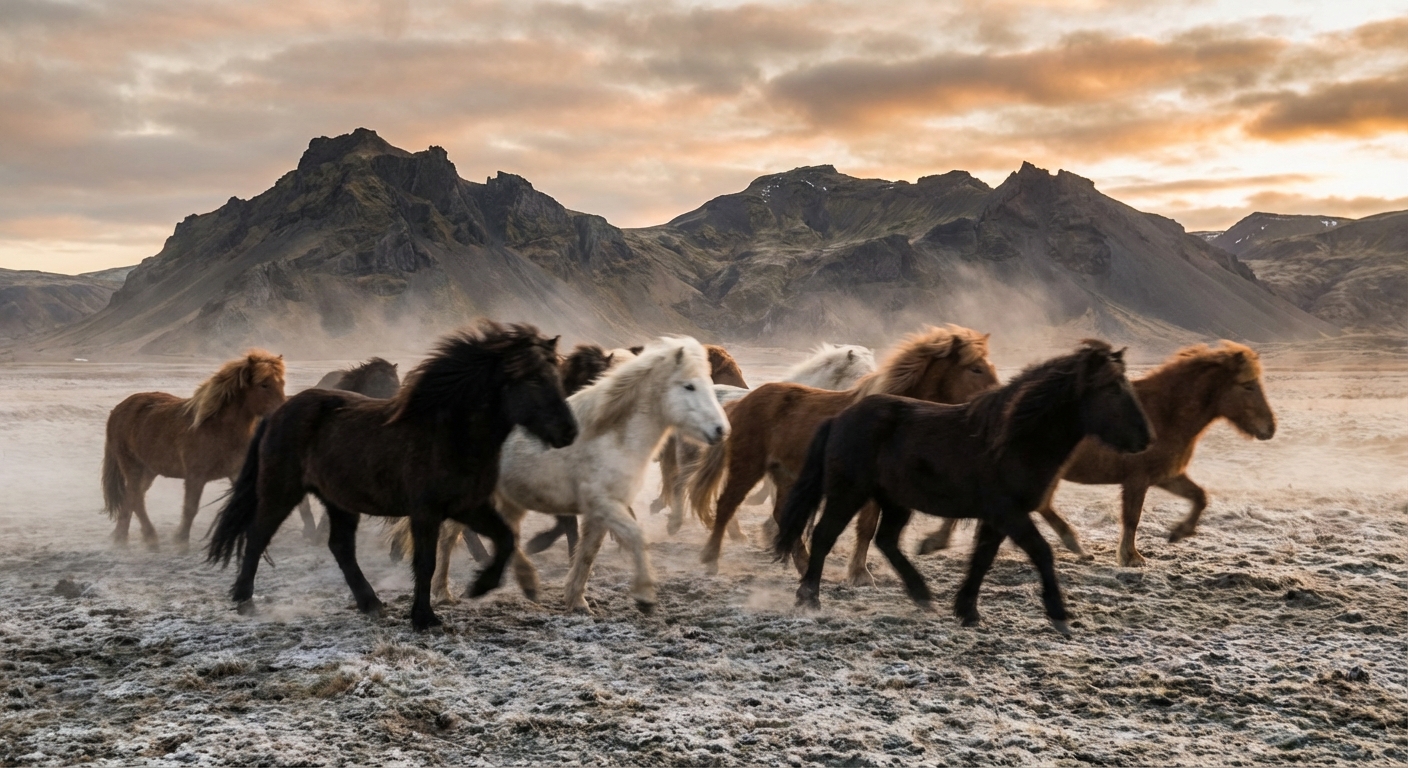
It struck me on an unremarkable afternoon: my inventory of "caregiving" tasks had grown steadily, yet the horses themselves had not become any more liberated. Additional protocols. Heightened surveillance. An accumulation of minor interventions. Still, the same markers of tension persisted in their attempts to resurface—as though the surroundings were posing a question repeatedly, waiting for us to address it at its root.
There is a rightful place for compensatory care. It can embody kindness. It can prove essential. Yet it can also evolve into a mechanism for sustaining an ill-suited arrangement—much like bracing a door that would swing effortlessly if only the frame were properly aligned.
The difference between support and substitution
Compensatory care represents what we layer on when a horse's everyday circumstances fail to sustain themselves.
Environmental enhancement is what renders that added intervention increasingly unnecessary.
The snare is deceptively quiet: the more we compensate, the more the underlying limitation begins to seem ordinary.
Consider the familiar case of feeding continuity. Horses produce gastric acid without pause, meaning the "acid clock" begins its countdown the instant consumption ceases. When we address this biological truth by introducing specialized feedings, additional supplements, or elaborate management protocols—while still permitting extended fasting periods—we expend tremendous effort while the fundamental strain persists.
Altering the baseline operates differently: uninterrupted access to forage becomes the foundation of welfare, not a privilege to be earned.
Once that foundation stands firm, countless other challenges become more manageable—not because we discovered an ideal product, but because we ceased demanding that the body endure avoidable deprivation. In our own lives, we might recognize how often we treat symptoms of misalignment rather than questioning whether our fundamental structures serve us at all.
Four environmental upgrades that reduce the need for constant fixes
1) Keep eating possible.
Not as a regimented "feeding schedule" but as a perpetually available choice. The human role transforms from meal delivery to safeguarding continuity—particularly during transport, veterinary visits, and any routine disruption that severs access to forage. How often do we, too, structure our days around deprivation and reward rather than designing for sustained nourishment?
2) Let movement be normal, not scheduled.
The equine body anticipates miles, not minutes. When daily existence restricts adequate wandering, we frequently find ourselves compensating through relentless bodywork-style interventions, fretting over rigidity, or approaching the horse as a circulatory puzzle requiring manual resolution. The more illuminating inquiry is whether the environment renders movement an effortless selection. We might ask the same of our own habitats: do they invite motion, or do they demand we schedule what should flow naturally?
3) Build a social world, not just turnout.
Social architecture constitutes an element of welfare, yet it refuses to conform to the simplistic notion of a singular "dominant horse." Patterns of deference shift according to the resource, the moment, and the particular bond. When we persist in orchestrating harmony through reductive hierarchy narratives, we overlook what genuinely anchors a group: accumulated interactions that cultivate recognition and reliability. Human communities thrive under the same principle—stability emerges not from rigid rank but from the quiet accumulation of shared experience.
4) Treat stereotypies as information, not misbehavior.
Stereotypic behavior functions as an environmental signal. When a horse rehearses a pattern compulsively, it warrants inquiry into what the arrangement is failing to furnish—before we seek methods to suppress the symptom. Our own repetitive anxieties and compulsions often carry similar messages, pointing toward unmet needs we have learned to ignore.
A simple way to audit your own effort
Here is my current practice: whenever I introduce a new "care task," I document which aspect of the environment that task is compensating for.
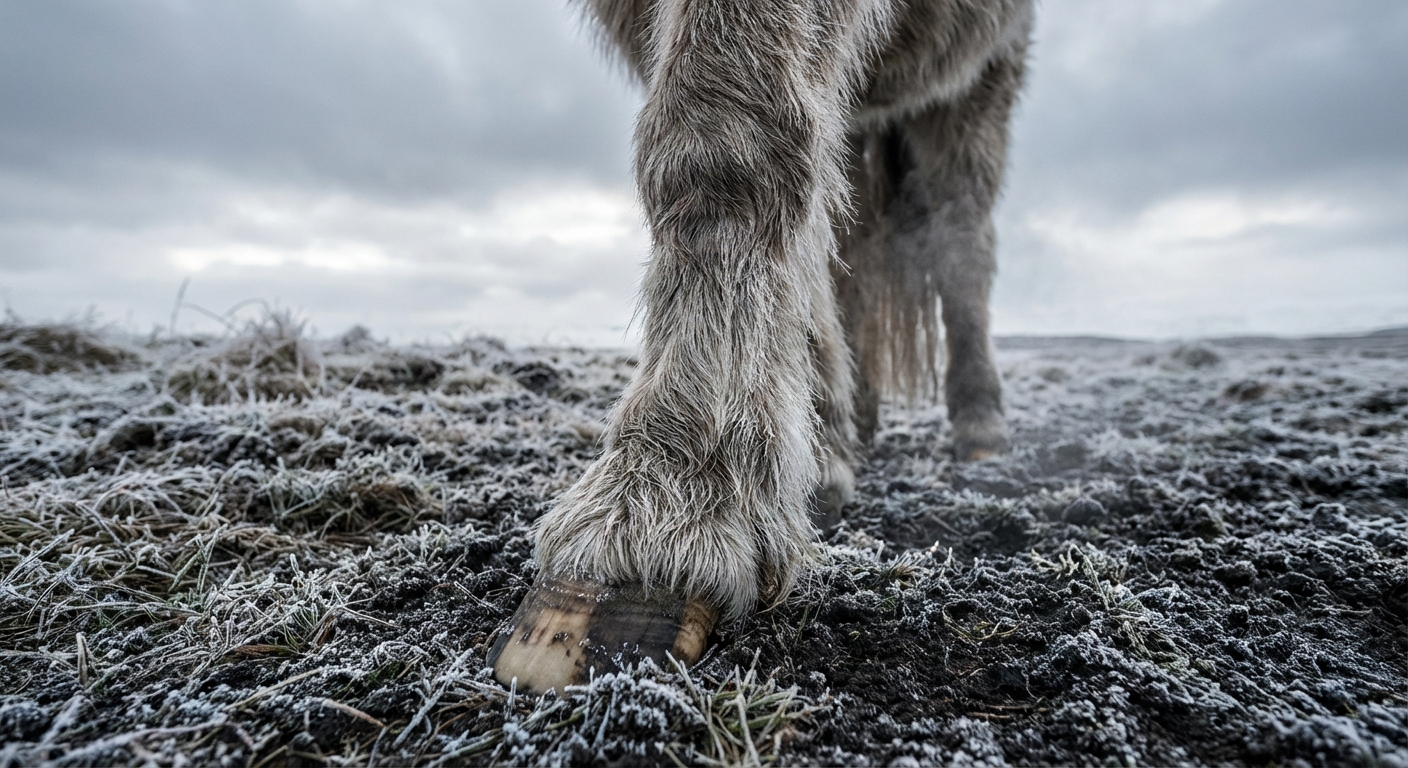
If the response involves feeding gaps, restricted locomotion, precarious social dynamics, or terrain that cannot sustain sound hooves and healthy bodies without perpetual assistance, I endeavor to transform the conditions first.
Compensatory care can sustain a horse above water. Environmental improvement is what enables them to navigate the current without our hands beneath them. Perhaps this is the deeper invitation: to examine where in our own lives we are endlessly bailing water from a vessel that simply needs a different hull.
Equine Notion
https://equinenotion.com/