Borrowed Calm: When a Horse’s Body Settles Beside a Trusted Friend
Borrowed Calm: When a Horse's Body Settles Beside a Trusted Friend
What if trust is not demonstrated through a horse's compliance, but revealed in the moment their body finally ceases to guard itself?
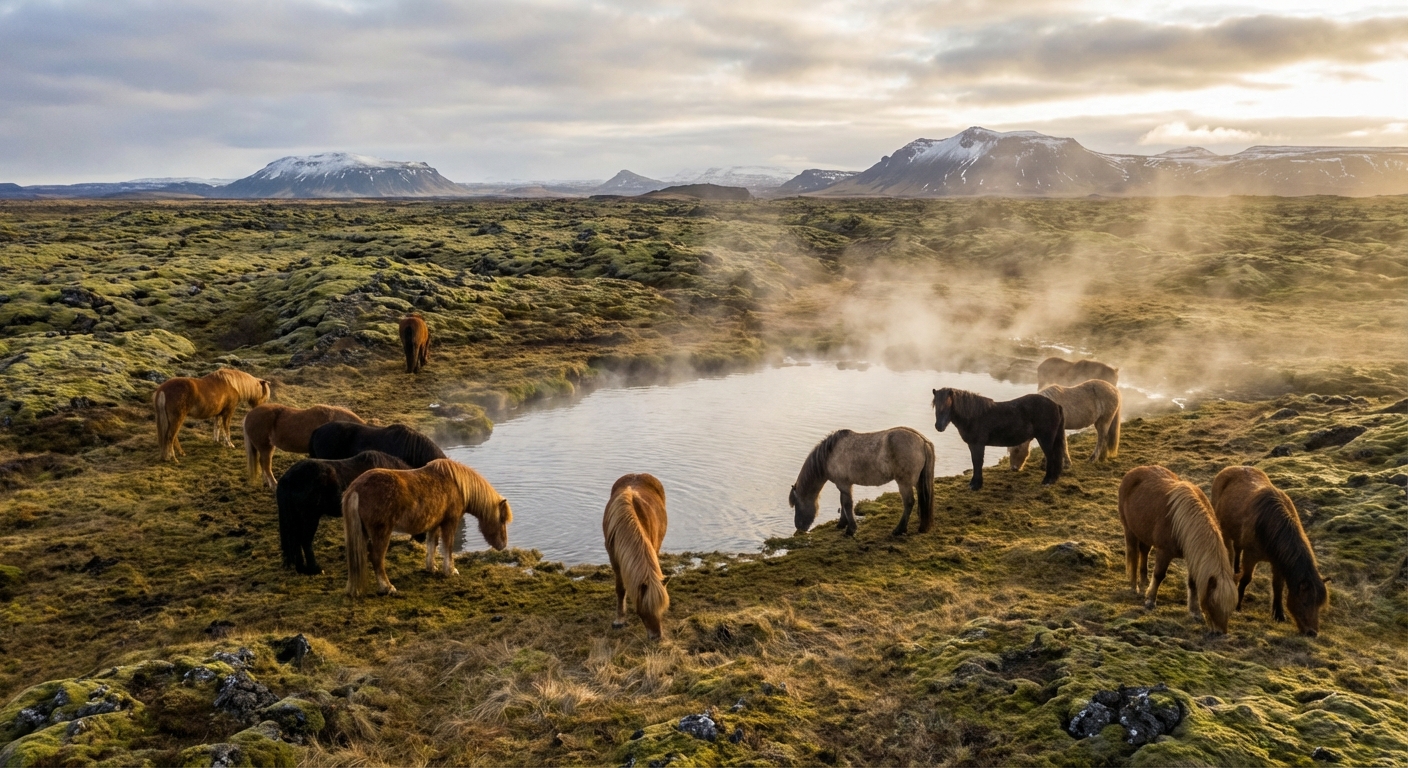
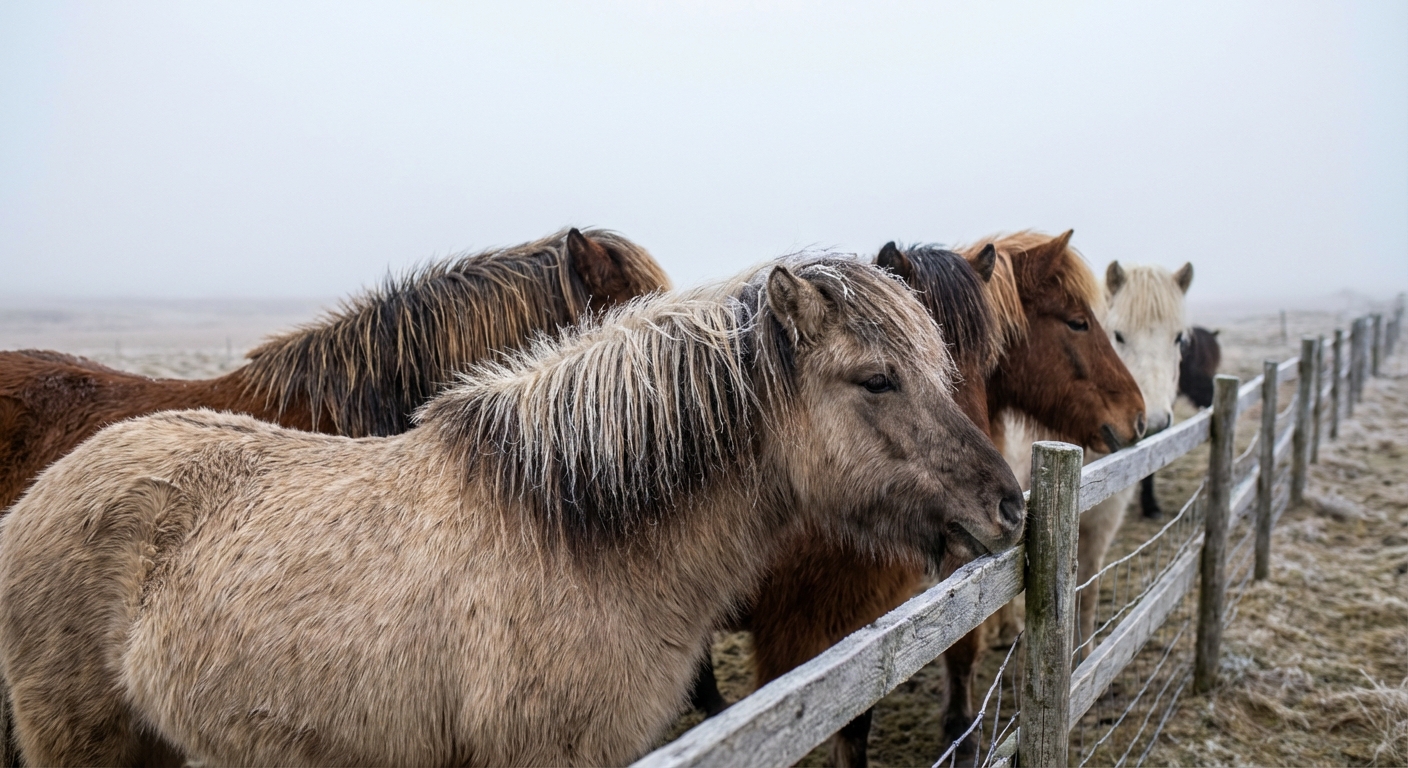
In an open pasture, this transformation unfolds before you—no intervention required.
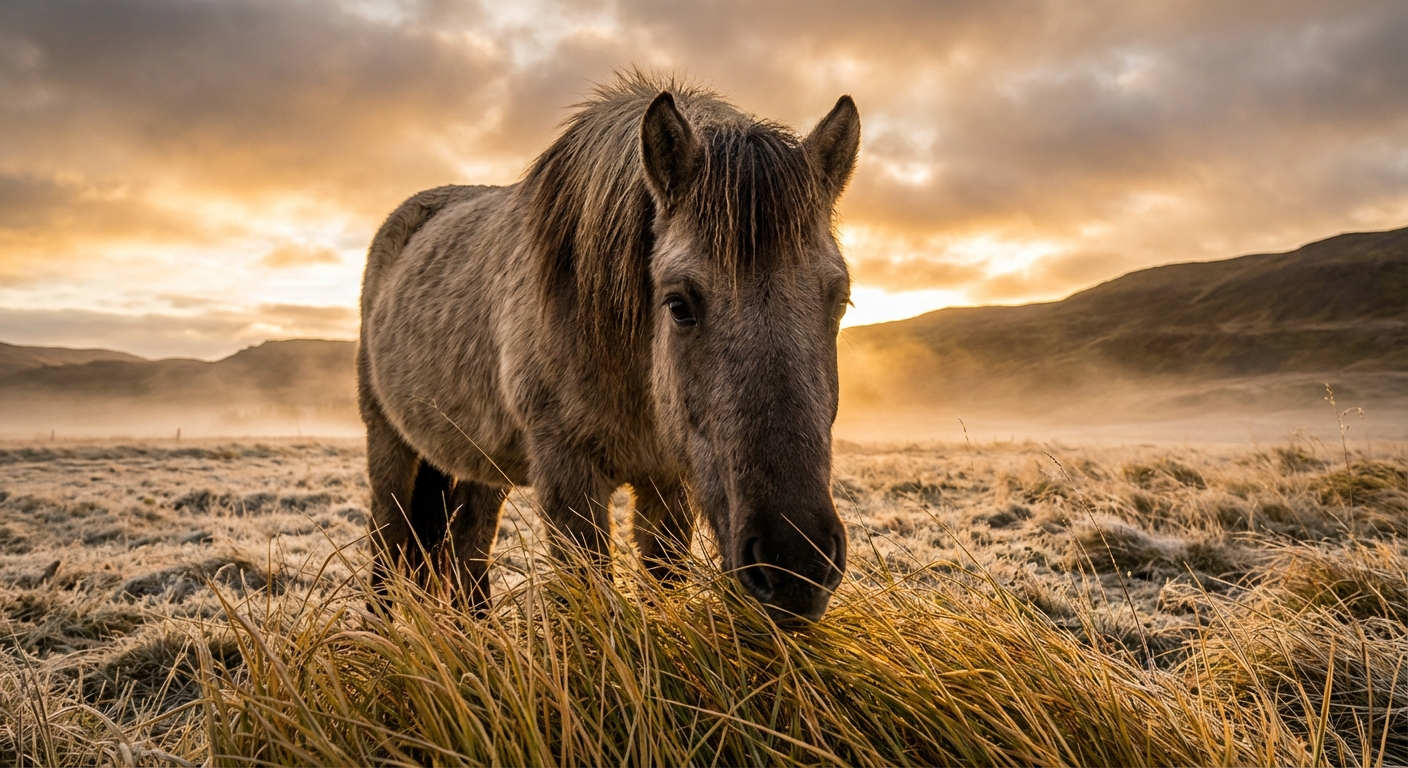
A solitary horse grazes, eyes sweeping the horizon. Not panicked. Simply alert, slightly vigilant.
Then a specific companion moves into proximity.
There is no ritual. No flattened ears. No elaborate acknowledgment. Only a gentle presence arriving.
The initial shift is frequently imperceptible—not action, but its absence.
It is the subtle surrender easily overlooked: breath deepening, neck descending, a jaw releasing its tension.
The horse does not become "subordinate." Rather, they become present once more—to the grass beneath them, to the passing breeze, to the unremarkable beauty of the moment.
We too know this feeling—how the right presence can dissolve the armor we did not realize we were wearing.
This bears no resemblance to a simplistic pecking order with a single dominant figure orchestrating every interaction. Who yields depends on context: the location of shade, the position of hay, access to water, a favored resting place. Yet beneath these fluid, situational exchanges, enduring preferences emerge—whom a horse elects to stand beside when nothing is at stake.
That deliberate proximity becomes its own form of refuge.
In our own lives, we might ask: who do we drift toward when we need nothing from them? The answer often reveals more than words ever could.
Too often we rush toward narratives of correction, or hastily assign labels about temperament, when what we witness is merely a nervous system inquiring, "Is it safe enough here to release my watch?"
Understood this way, a "trusted friend" is not an achievement to be earned. It is a source of regulation.
Perhaps the deepest gift we can offer another—horse or human—is to become the presence that allows their vigilance to rest.
The barn offers its own iteration of this truth.
Across generations, attentive horsemen and horsewomen have observed that horses reflect our internal climate. Arrive with a churning mind and rigid shoulders, and the horse may maintain its distance. Stand in stillness, breathe with intention, let your eyes grow soft, and you may find yourself welcomed closer—not as a victor, but as someone who has become easier to inhabit space with.
How often do we forget that our own presence carries weather—storms or stillness—that others must navigate?
Coexistence, viewed through this lens, becomes the practice of embodying the kind of companionship that diminishes another's need for vigilance.
Not through demanding connection.
Through consistency. Through patience. Through genuine presence.
Through allowing approach to remain a choice, and recognizing that silence itself can be sufficient.
In the end, both horse and human share this ancient longing: to find the presence beside which our body remembers it is allowed to rest.
Equine Notion
https://equinenotion.com/