Borrowed Weather: When a Blanket Becomes the Climate a Horse Must Live In

Borrowed Weather: When a Blanket Becomes the Climate a Horse Must Live In
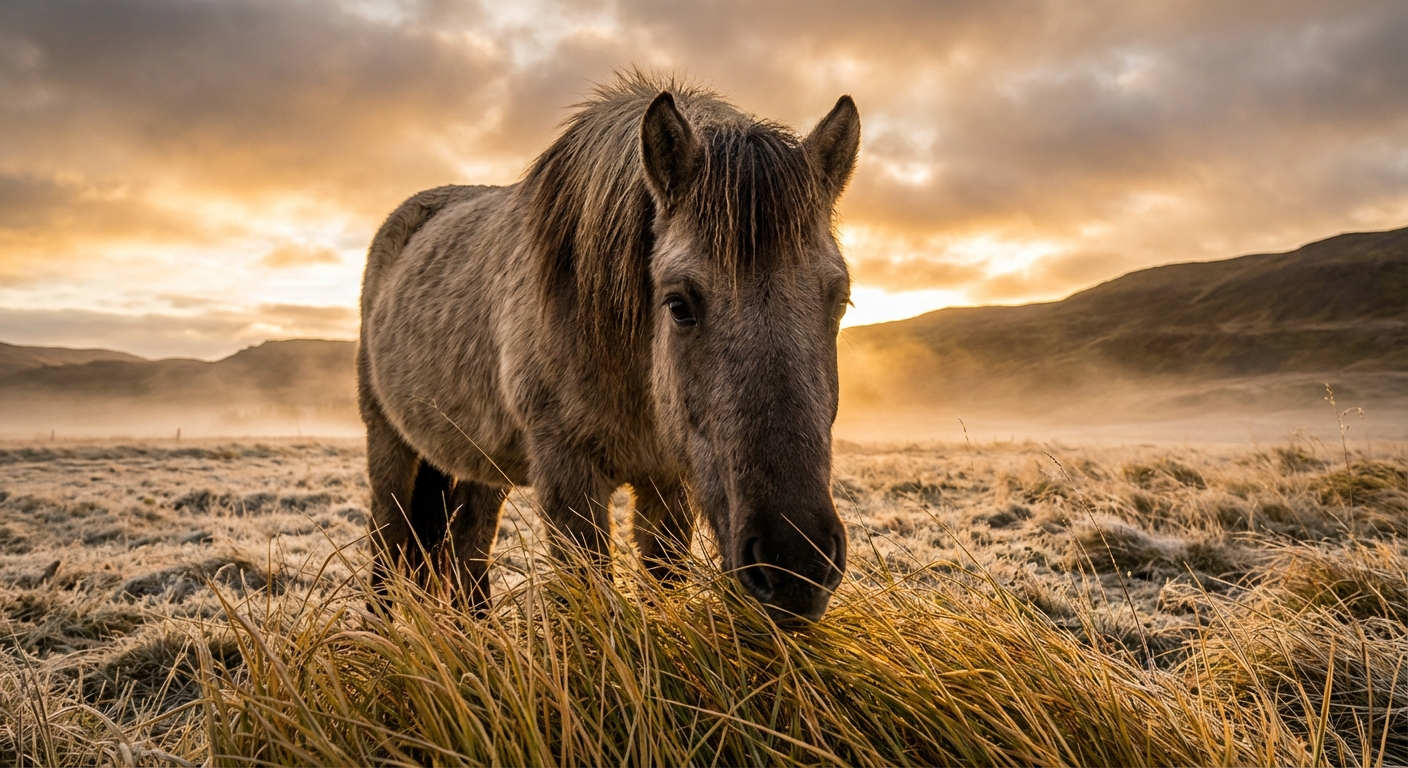
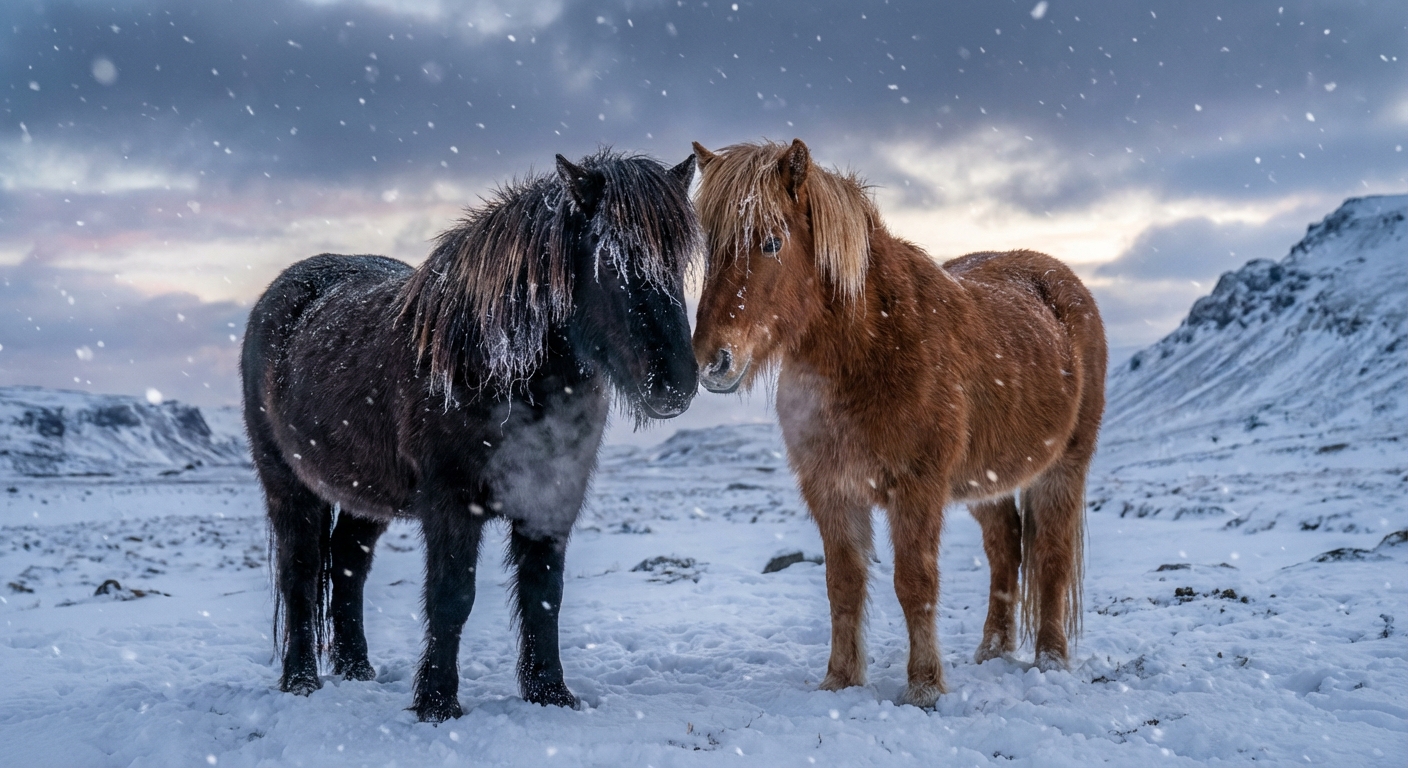
I recall observing a horse hesitate at the boundary of a pasture—not from distress, but because the world was fully present: the wind stirring, companions grazing nearby, earth firm beneath hooves, and the quiet, persistent imperative to continue feeding. This was not an animal awaiting intervention. This was a being already engaged in the work of living.
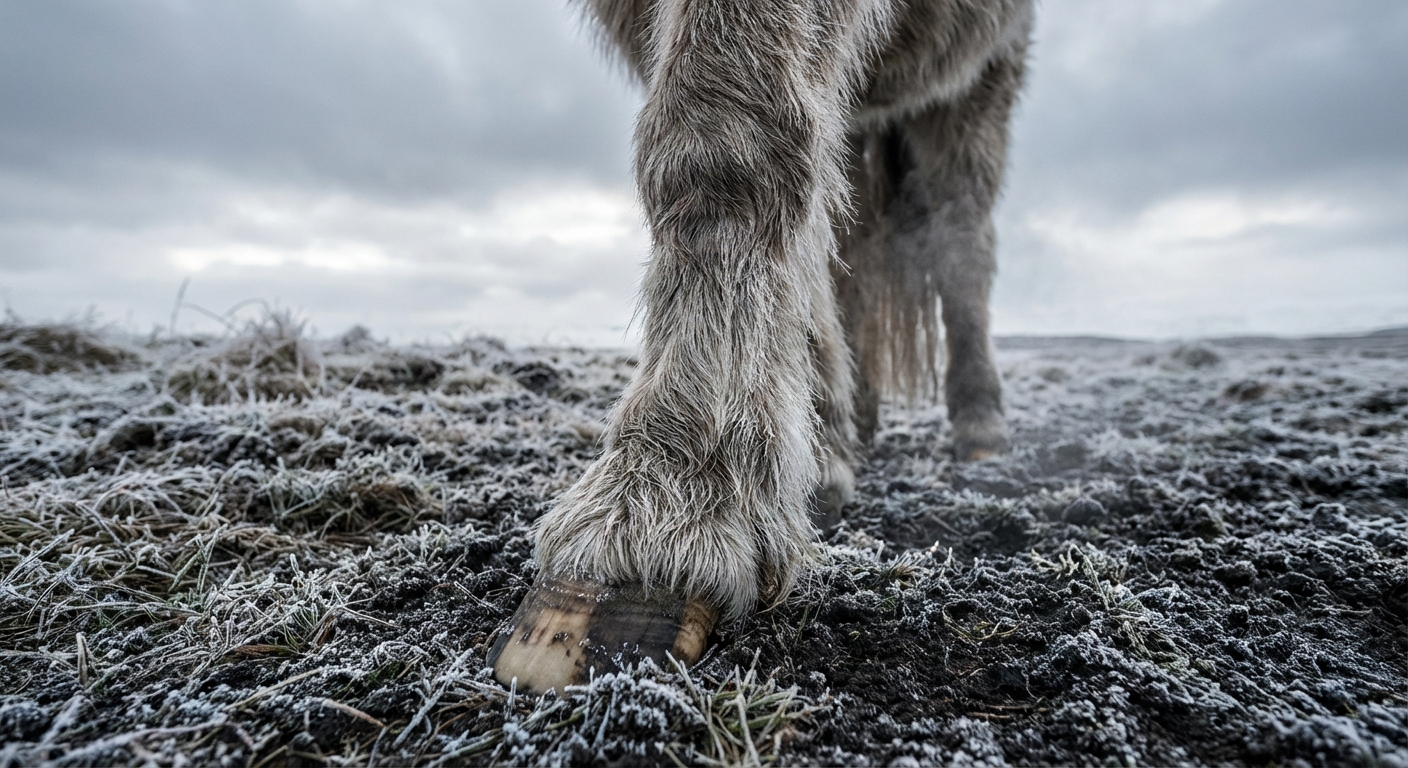
When we secure a blanket around a horse, our intention is typically singular: to shield. Yet that same blanket can silently displace something the horse inherently possesses—an embodied, dynamic capacity to encounter weather through coat, motion, and agency. The moment we begin substituting for an ability, we cross a threshold from assistance into alteration. We are reshaping what the horse is permitted to exercise.
How often do we, too, accept conveniences that slowly erode our own capacities—outsourcing our resilience until we forget we ever had it?
Protection That Swaps Places With Maintenance
A quiet paradox threads through many acts of caretaking: the more thoroughly we shield, the more we risk diminishing the very adaptive systems that render an animal robust. A blanket can participate in this cycle—not because warmth itself is harmful, but because substitution carries weight.
The horse's natural self-maintenance is not a single mechanism but an intricate web of micro-decisions unfolding throughout the day: where to position the body, when to move, when to graze, when to seek cover, when to stand apart, when to draw close to others, and when to simply persist as a creature in motion rather than a stationary form. When we impose a layer the horse cannot shed or adjust, we may inadvertently transfer the rhythm of the day from the horse's own governance to ours.
Honest coexistence poses an uncomfortable inquiry: are we fortifying the horse's innate systems, or are we supplanting them because substitution feels tidier and more efficient?
We might ask the same of ourselves—how many of our modern comforts quietly atrophy the very skills that once made us adaptable?
The Coat Is Not Just "Hair"; It's a Daily Decision
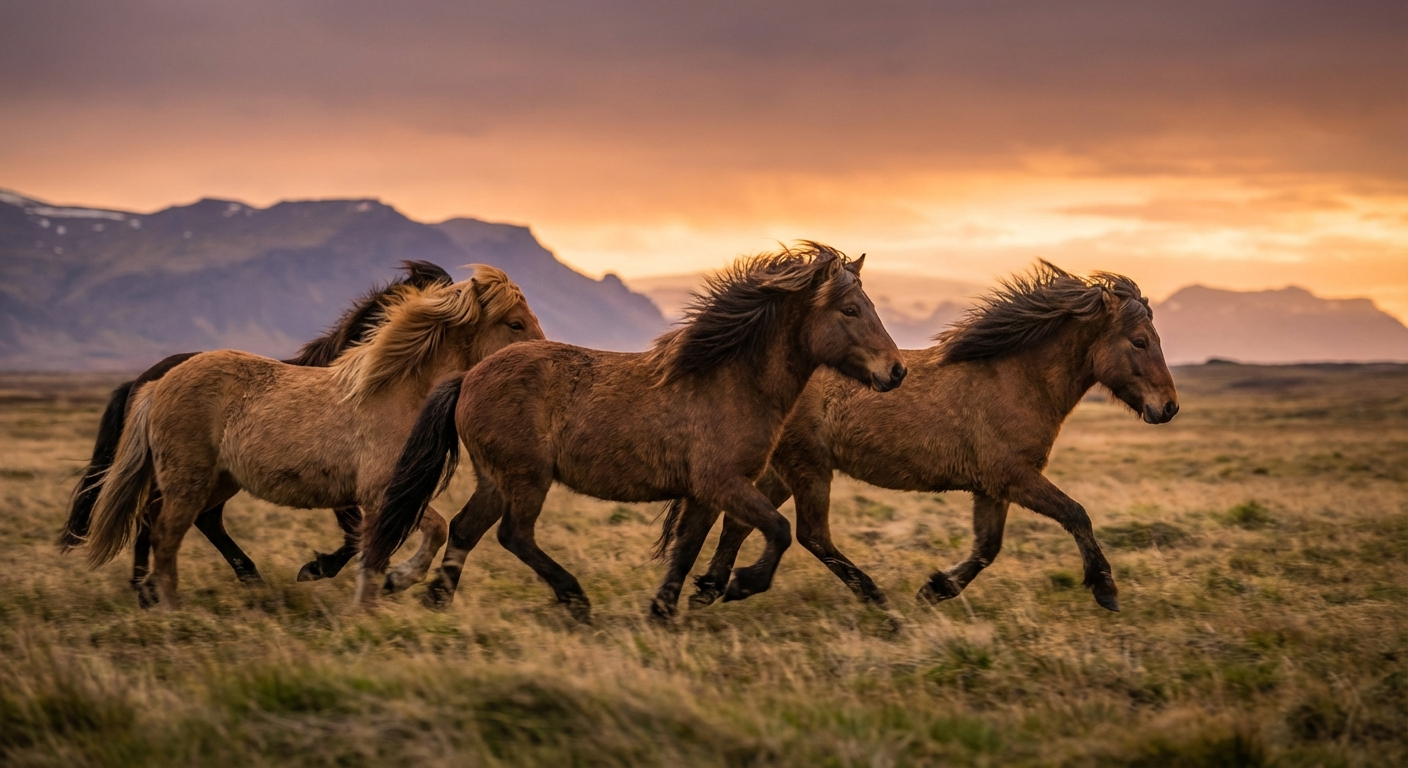
The architecture of a horse's day is constructed around foraging, and foraging is not a pastime slotted into a timetable—it is the foundation upon which every other activity arranges itself. That foundation equally includes locomotion: the equine body anticipates traversing ground as an ordinary feature of existence. Thermoregulation, then, is not merely a seasonal concern. It is woven into the entire circadian fabric: perpetual grazing, sustained movement, and the freedom to respond to subtle shifts in wind, moisture, and temperature without awaiting human notice.
When a blanket becomes the default response to weather, it can quietly steer management toward additional replacements: extended confinement in regulated spaces, greater dependence on human schedules, more instances where the horse must interrupt its feeding rhythm because our timetable demands it. These interruptions carry consequence, for the equine stomach observes no courtesies. Gastric acid flows continuously, and the moment ingestion ceases, a biological countdown begins.
Thus the question extends beyond "Is this horse sufficiently warm?" It must also ask: does this decision preserve the long, unbroken continuity of the horse's day—food perpetually accessible, movement perpetually available, choices perpetually intact?
In our own lives, we might consider how the rhythms we interrupt in ourselves—sleep, stillness, unstructured time—carry similar hidden costs.
Blankets as a Human Style of Problem-Solving
We humans are drawn to solutions that can be fastened in place. They appear decisive. They appear conscientious. They wear the face of care.
Yet within herd dynamics, equilibrium emerges less from bold pronouncements than from delicate negotiations—who defers, who proceeds, who waits, who avoids encroachment. Horses conduct a parallel dialogue with their surroundings: small, repeated adjustments rather than one sweeping remedy.
A blanket, by contrast, is a dramatic gesture. It can function as a declaration: the weather is now resolved, by human hands. Once we assume that role, we may begin to regard the horse's own responses—repositioning, turning from wind, selecting natural shelter, continuing to graze—as secondary to the equipment. The horse's environment transforms from something inhabited into something administered.
Here, stereotypic behaviors become signals worthy of attention. When a horse cannot enact its ordinary biological day—continuous foraging, distributed locomotion, social existence—the strain often surfaces in behavior. A blanket can be one thread in a larger pattern where we repeatedly address symptoms while leaving the foundational environment untouched.
We might recognize this tendency in ourselves: the preference for visible, tangible fixes over the slower work of addressing root conditions.
The Landscape Approach: Let the World Do More of the Work
A coexistence framework redirects attention from accumulating interventions toward reconstructing the conditions that enable the horse to sustain itself.
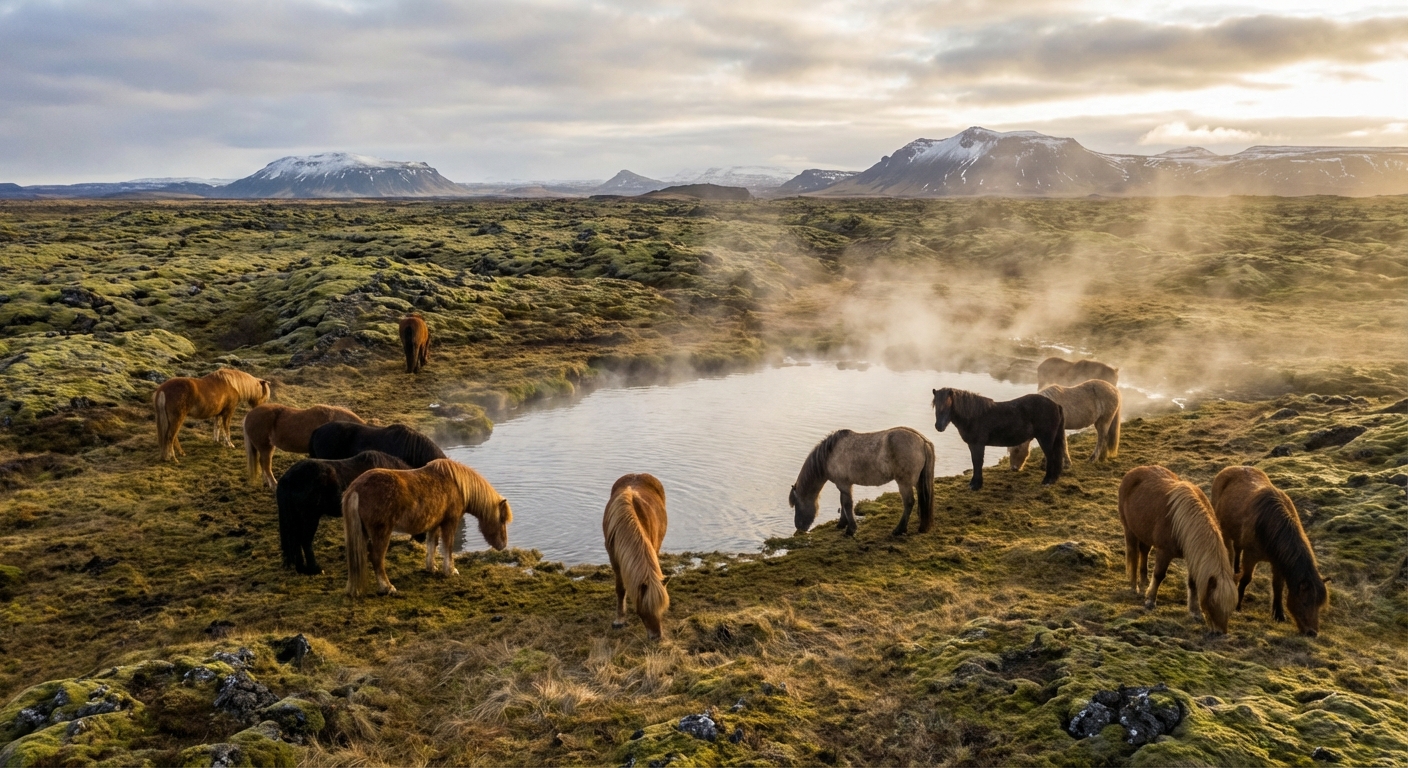
This encompasses soil vitality and pasture stewardship, for the ground beneath hooves is not mere substrate. It is the stage for movement and the wellspring of continuous forage. It encompasses ecological integration in horse keeping, recognizing that the "horse's place" is not simply an enclosure but a living matrix that either upholds natural rhythms or perpetually disrupts them.
It also encompasses social architecture and welfare, for horses are not engineered to navigate existence as solitary units. A socially coherent group and an environment permitting ongoing grazing and movement do not merely occupy a horse; they help maintain the entire organism along its intended trajectory.
Within this perspective, a blanket is not inherently misguided. It is simply a potent intervention, and potent interventions warrant searching questions: is it restoring access to the horse's authentic day, or is it standing in for a day the horse is no longer allowed to experience?
The same principle illuminates human flourishing—we thrive not through endless additions, but through environments that allow our natural capacities to function.
Coexistence as Restraint: Keeping the Horse's Skills in the Loop
The most profound expression of care is sometimes withholding—the choice to cease replacing what the horse can accomplish, and instead to arrange circumstances so the horse may continue accomplishing it.
A blanket can embody kindness. It can also serve as a subtle proclamation that we are assuming command of the weather, and with it, assuming command of a portion of the horse's self-governance.
If we seek coexistence rather than dominion, we can approach every layer we introduce as a provisional bridge rather than a permanent fixture—and keep circling back to the foundational questions of welfare: uninterrupted access to forage, space to move throughout the day, and a social and ecological context that allows the horse to remain an active agent in its own well-being.
Perhaps the deepest gift we can offer any living being—including ourselves—is not protection from difficulty, but the preserved capacity to meet it.
Equine Notion
https://equinenotion.com/