The Bowl That Should Never Become a Bell: Choosing Continuity Over Feeding Time
The Bowl That Should Never Become a Bell: Choosing Continuity Over Feeding Time
What if the very word "feeding" misleads us?
The equine body pays no attention to our tidy schedules. It only knows whether consumption persists.
When we truly share space with horses, uninterrupted access to forage ceases to be a luxury. It becomes the essential floor beneath everything else. Not out of sentiment—but because something within the horse continues its silent work long after the haynet hangs empty.
Stomach acid observes no schedule.
The instant chewing ceases, another clock awakens. Silent. Unseen. Unremarkable—until suddenly it isn't.
Rigid meal times transform that clock into a predictable occurrence.
The bucket morphs into a Pavlovian signal.
We witness it unfold without intending to: the pasture settles into a peculiar stillness, a suspended anticipation masquerading as calm. The "healthy" quietude humans admire. The horse standing motionless, not electing to pause from grazing, but simply depleted of anything to occupy their mouth.
We then mistake that stillness for contentment.
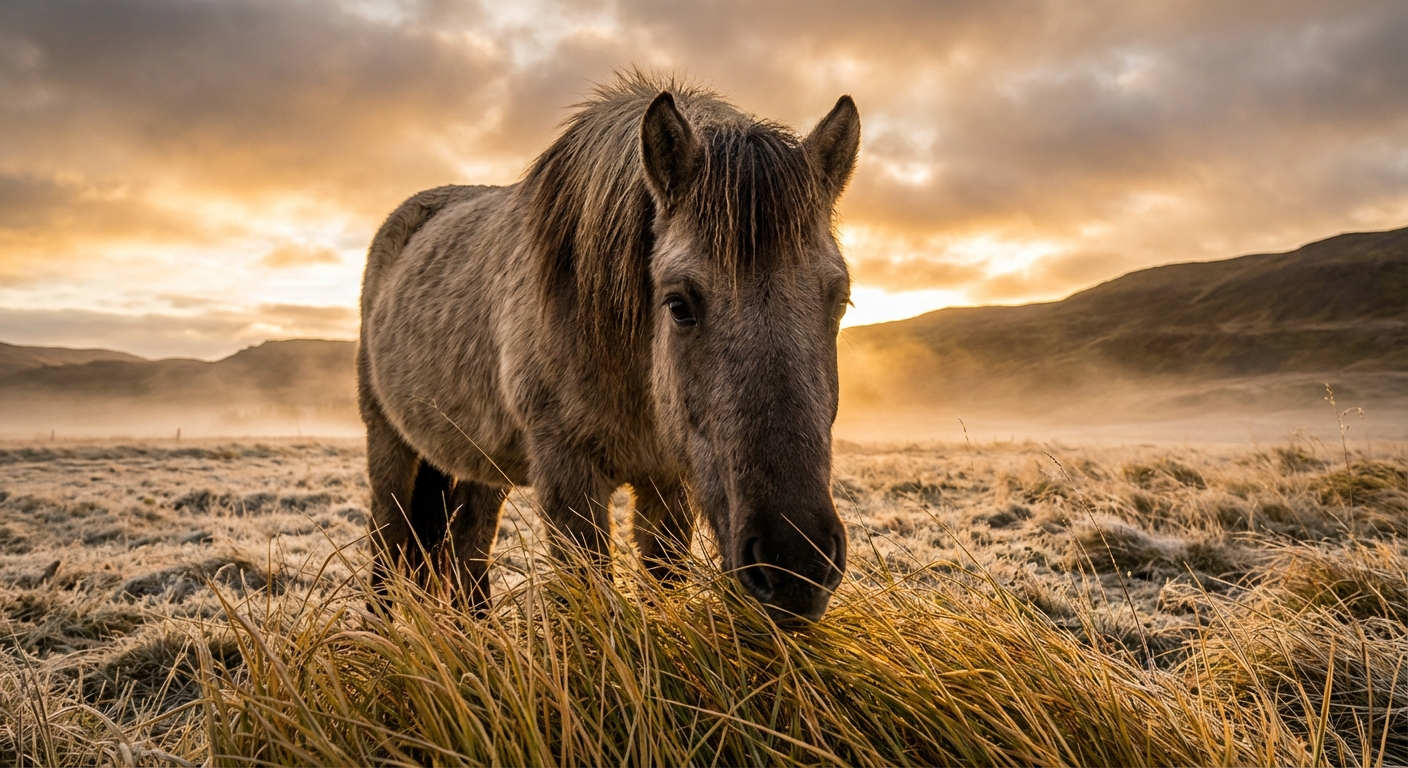
Yet grazing is not a pastime squeezed between daylight hours and completed tasks. It is the bedrock upon which the entire day must rest. When absent, the horse forfeits more than mere calories. They lose the continuous process their physiology assumes will never cease. How often do we, too, mistake our own stillness for peace—when really we have simply run out of what sustains us?
This reframes the human responsibility entirely.
Not "I provided my horse a meal."
Rather: I maintained availability. I safeguarded the unbroken thread.
It also reshapes how we approach what we deem essential.
Travel.
Medical interventions.
Shifts in routine.
Each transforms from a simple calendar entry into something weightier. Because the toll of interrupted eating is not abstract. The harm-clock begins ticking when mastication ends, not when our human day commences. Perhaps we might examine our own lives through this lens—how many of our "necessary" disruptions carry hidden costs we never pause to calculate?
Continuity wears no cape.
It manifests as recognizing absences before they harden into habit.
It appears as declining to commend a horse for enduring deprivation with grace.
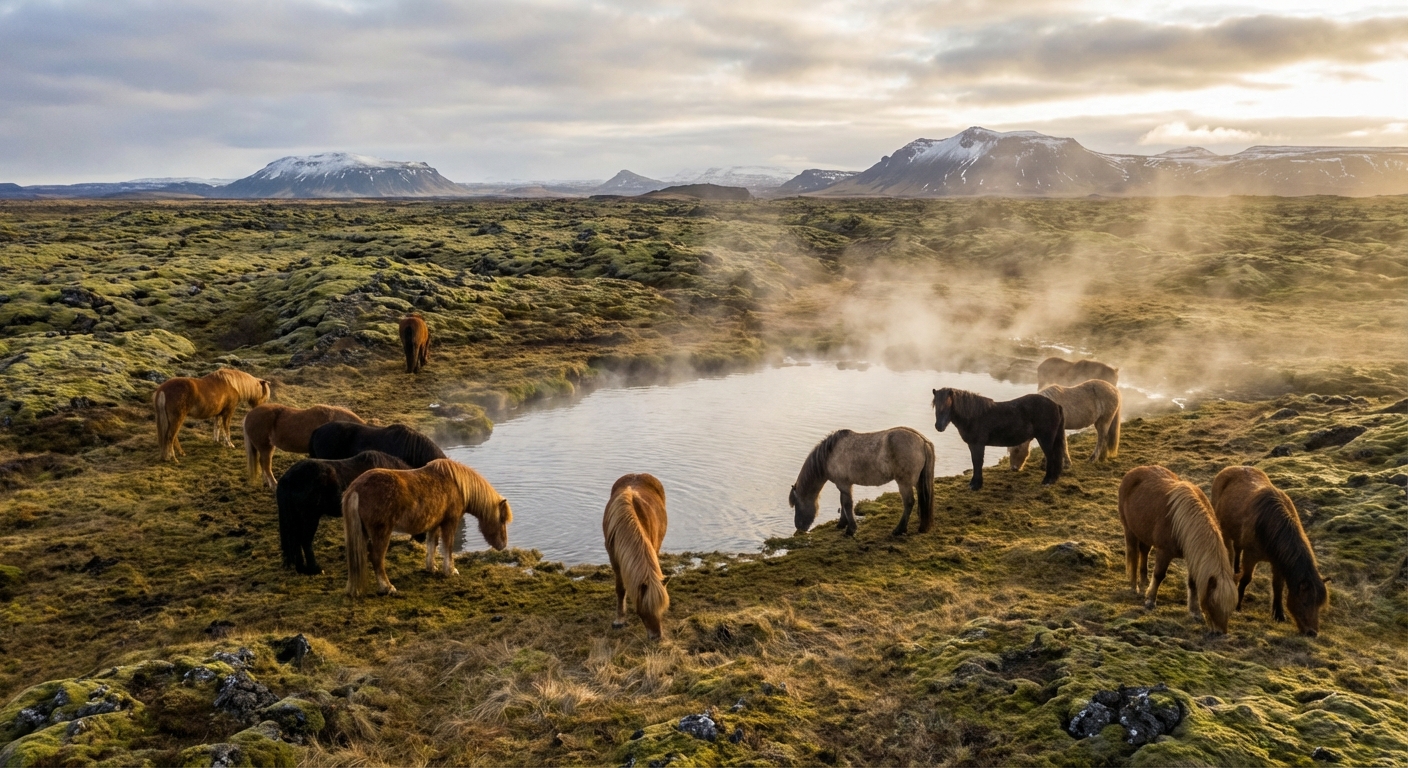
It looks like a pasture where no creature must "carve out time" for grazing—because grazing already exists there, quietly supporting everything else.
Equine Notion
https://equinenotion.com/