Footing as a Conversation: Letting Terrain Build a Horse’s Body-Sense and Real Safety

Footing as a Conversation: Letting Terrain Build a Horse's Body-Sense and Real Safety
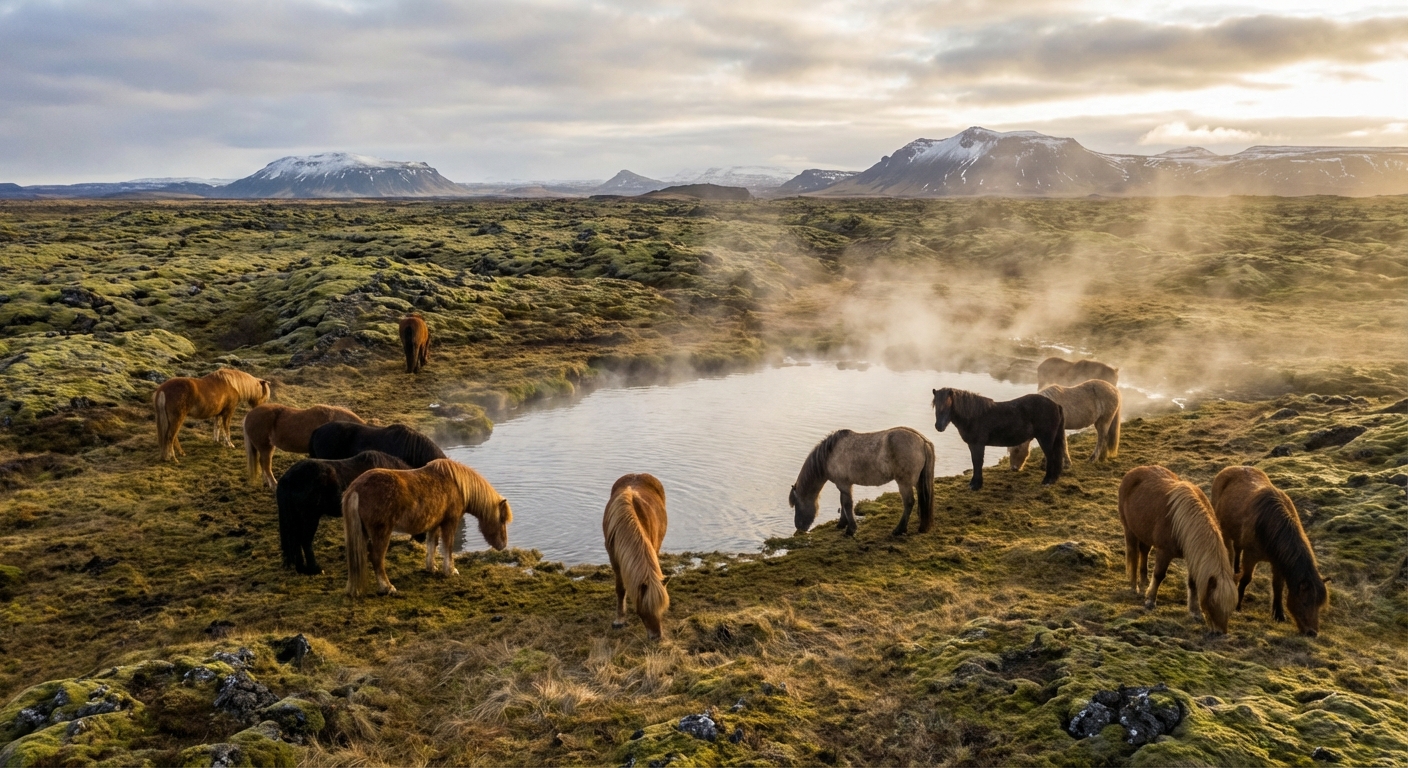
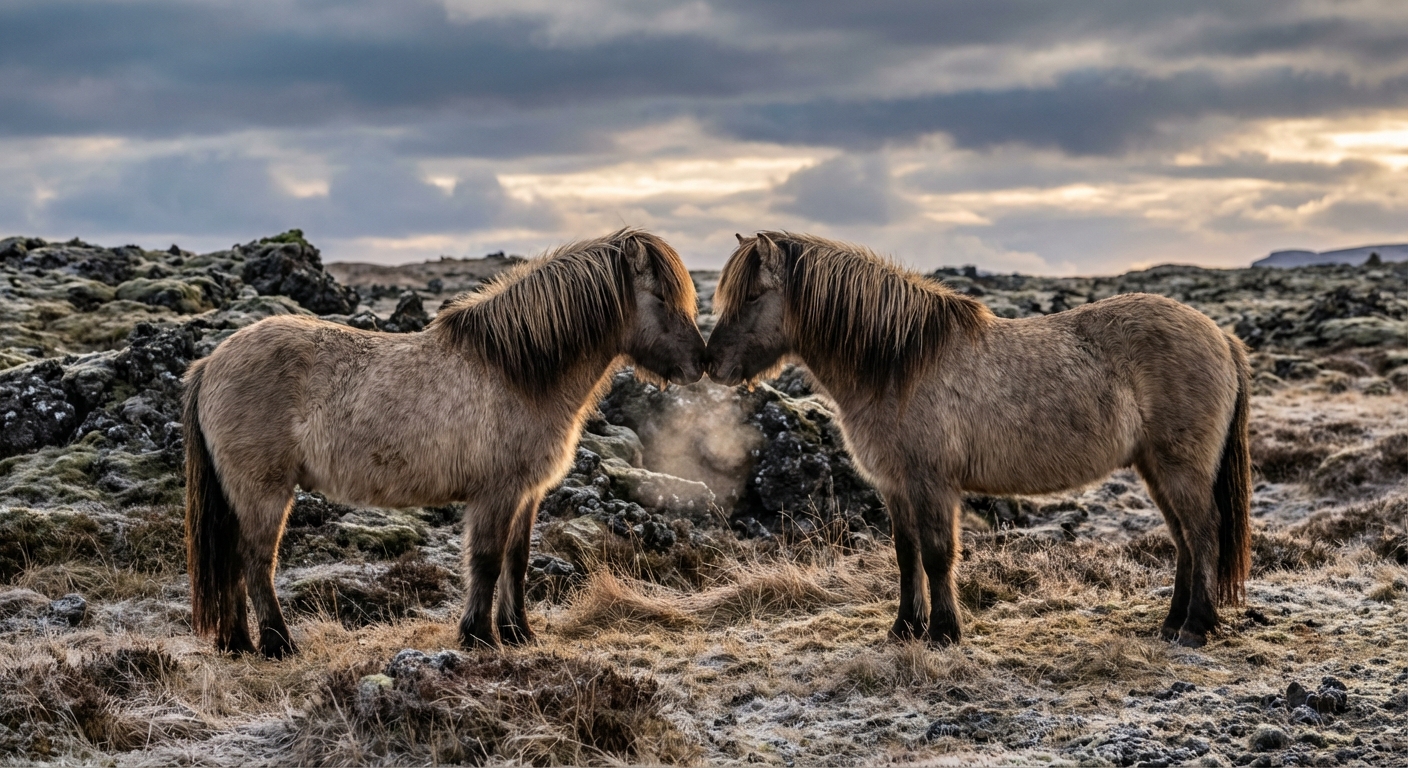
It came to me on a damp morning—the kind that might have stirred unease. Yet the herd offered no theatrical probing of the slick earth. Instead, they altered their entire rhythm. Their heads descended. Their strides compressed. A subtle rearward shift of weight preceded each footfall. No sign was necessary. The terrain itself was speaking, and their bodies understood the language.
Ground Teaches Body-Sense (If We Let It)
Proprioception reveals itself when a horse selects its footing without deliberation or fuss. It lives in the subtle recalibrations: the way a shoulder tilts to sidestep a treacherous slick, the momentary hesitation before crossing a furrow, the instinctive widening of personal space when the ground becomes questionable.
A monotonous landscape robs the horse of its daily education. Yet when the surface shifts—from firm to yielding, from parched to moist, from level to gently rolling—the body continuously revises its internal geography. That internal map is inseparable from genuine security.
Here emerges the paradox of protection. In our efforts to eliminate every obstacle, we may inadvertently strip away the very data the horse relies upon to remain balanced and composed. What we call "safer" can unwittingly translate to "less equipped."
We might recognize this same truth in our own lives: the challenges we rush to remove are often the very teachers that build our resilience. A life scrubbed clean of difficulty may leave us standing, but standing unprepared.
The Coexistence Shift: Curate the Landscape, Don't Replace It
Coexistence in this context has nothing to do with riding or schooling. It is the quieter resolve to cease engineering a perfectly foreseeable world for the horse.
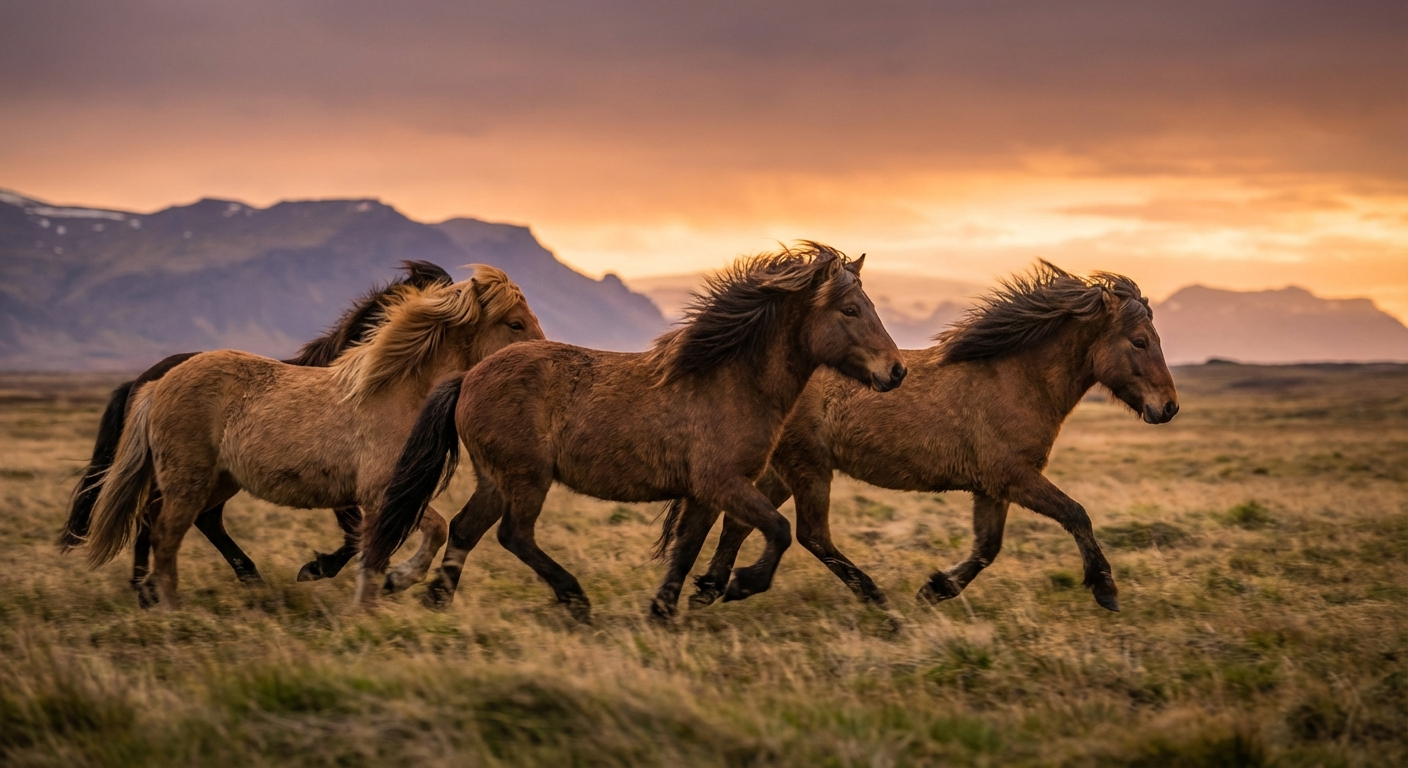
Begin by recognizing movement as the foundational requirement: horses evolved for perpetual wandering. When locomotion is curtailed, the body loses opportunities to rehearse those countless micro-adjustments of stability. When movement flows freely—the simple liberty to amble, graze, and return to companions—the horse accumulates thousands of inconsequential steps that forge coordination.
Next, consider the ground itself as an element of stewardship. The vitality of soil and the management of pasture are not divorced from safety; they determine whether time outdoors constitutes authentic habitat or merely a hazardous enclosure. A living, varied surface nurtures hooves and self-assurance far more effectively than a single degraded footing that compels the horse into cautious, defensive motion.
Finally, attend to the horse's own communications. Stereotypic behaviors are dispatches from the environment. Repetitive coping mechanisms may signal a life excessively confined—insufficient movement, interrupted foraging rhythms, diminished agency. A body denied its natural daily expression cannot hone its natural coordination.
So too with humans: when we find ourselves in repetitive loops of anxiety or restlessness, we might ask what essential movement—physical, creative, relational—our environment has quietly foreclosed.
Hooves, Barefoot Adaptation, and Real-World Grip
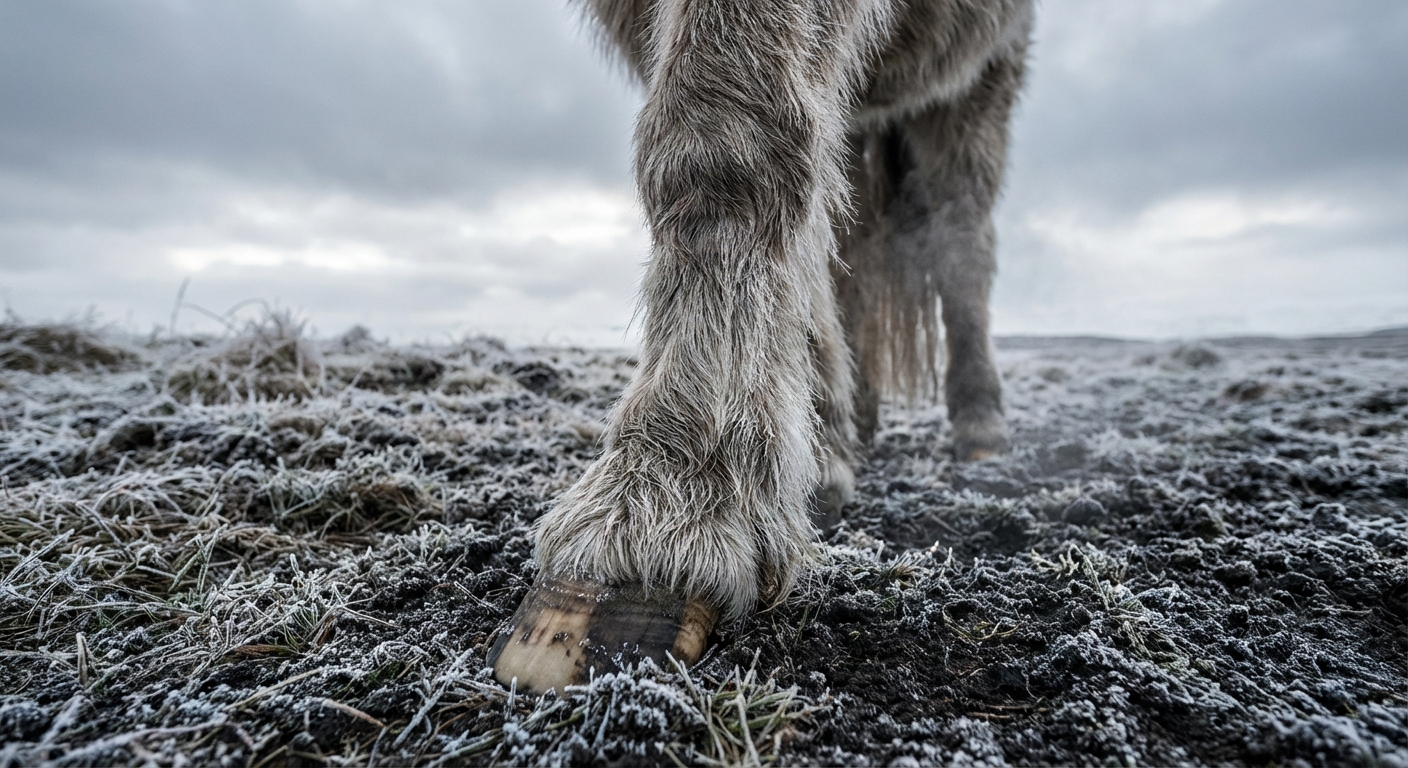
Natural hoof care and barefoot adaptation belong to this conversation because hooves are not merely anatomical components requiring maintenance; they are sensory interfaces with the earth. When the hoof is permitted to evolve through actual living—through sustained movement across varied terrain—the horse receives increasingly precise feedback with every stride.
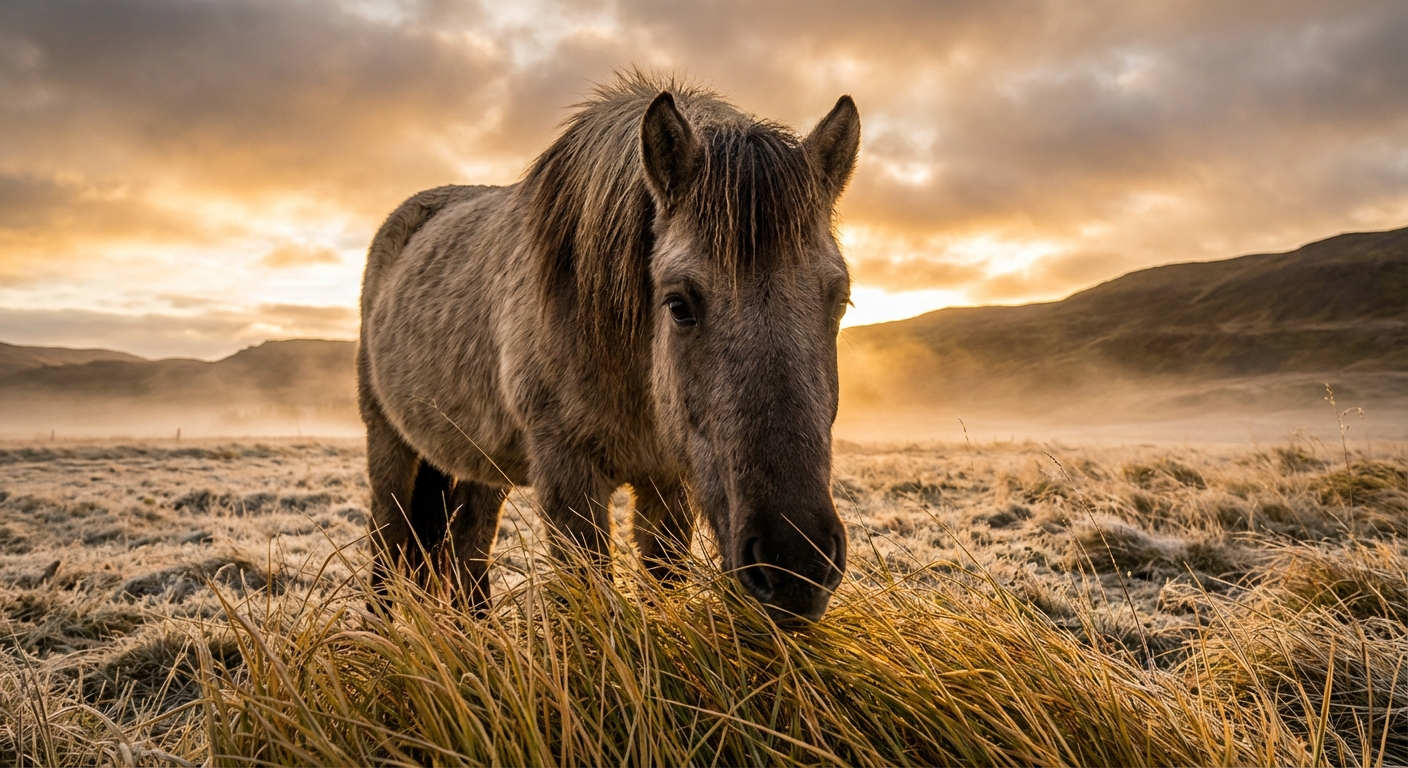
This philosophy does not advocate manufacturing dangers. It means permitting ordinary textures and gentle inconsistencies to persist, while tending the land so it neither deteriorates into perpetual mire nor hardens into barren, unyielding surface. It also means honoring the most elemental welfare provisions: uninterrupted foraging sustains a settled nervous system, and a settled system produces surer footwork.
Ultimately, "safety" is not solely defined by what we introduce. Sometimes it resides in what we cease to obliterate: the earth's candid signals, the horse's accumulated miles, and the unassuming competence that emerges when the surroundings are permitted to instruct.
Perhaps our own wisdom follows a similar path—not in what we add to our lives, but in what we stop smoothing over, allowing the honest textures of experience to teach us how to stand.
Equine Notion
https://equinenotion.com/