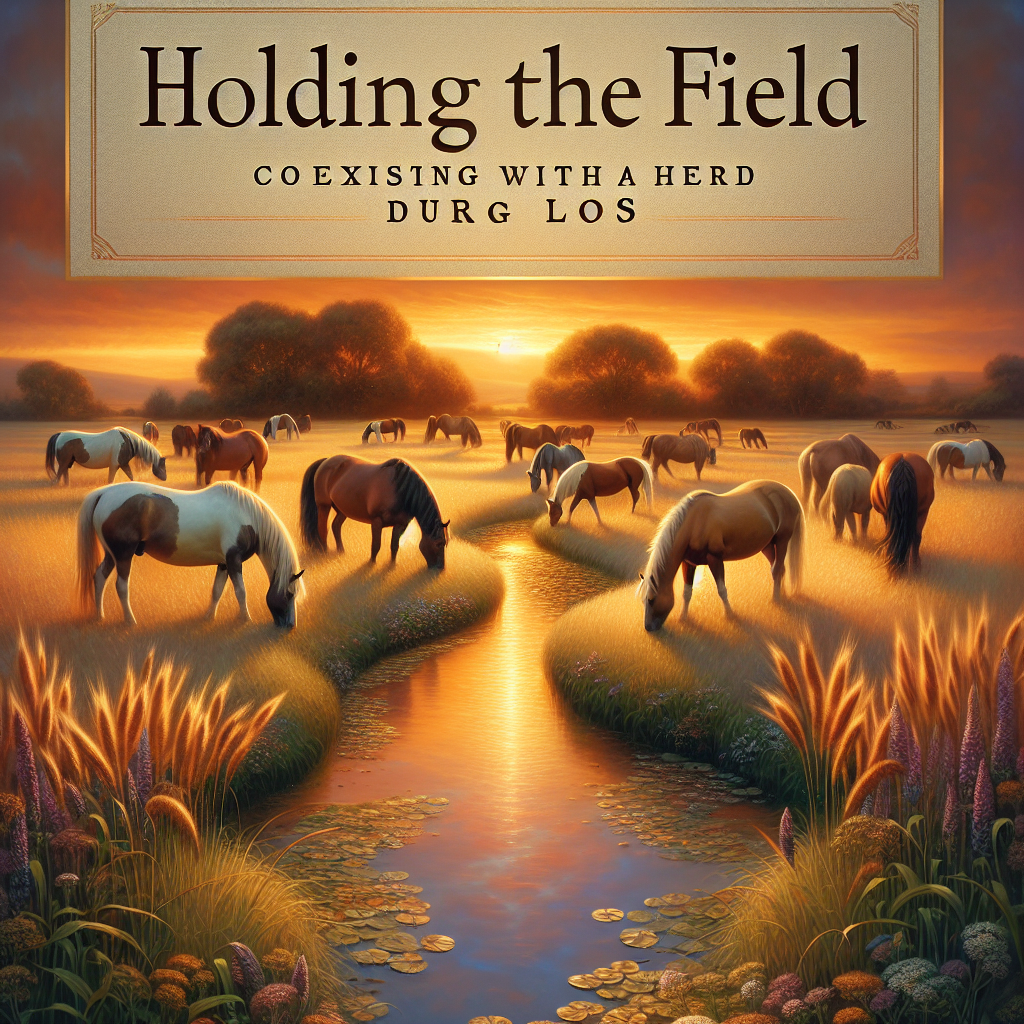
Holding the Field After Goodbye: Coexisting With a Herd During Loss

Hook
How do we carry ourselves when there's nothing left to fix?
Horses pose this question to us unlike almost any other creature—particularly when a herd member passes away. No checklist exists that erases sorrow. No "correct" duration makes a missing presence feel less empty. And when we share our lives with horses without riding, without training, without pursuing any goal, we encounter loss just as we encounter everything else in communal existence: by paying attention, by offering room, and by allowing the herd to lead.
This piece explores coexistence during that tender period following farewell—when the pasture feels different, when habits falter, and when our human urge to control can unintentionally become the most disruptive force in the field.
1) Let Loss Be a Real Event, Not a Problem to Solve
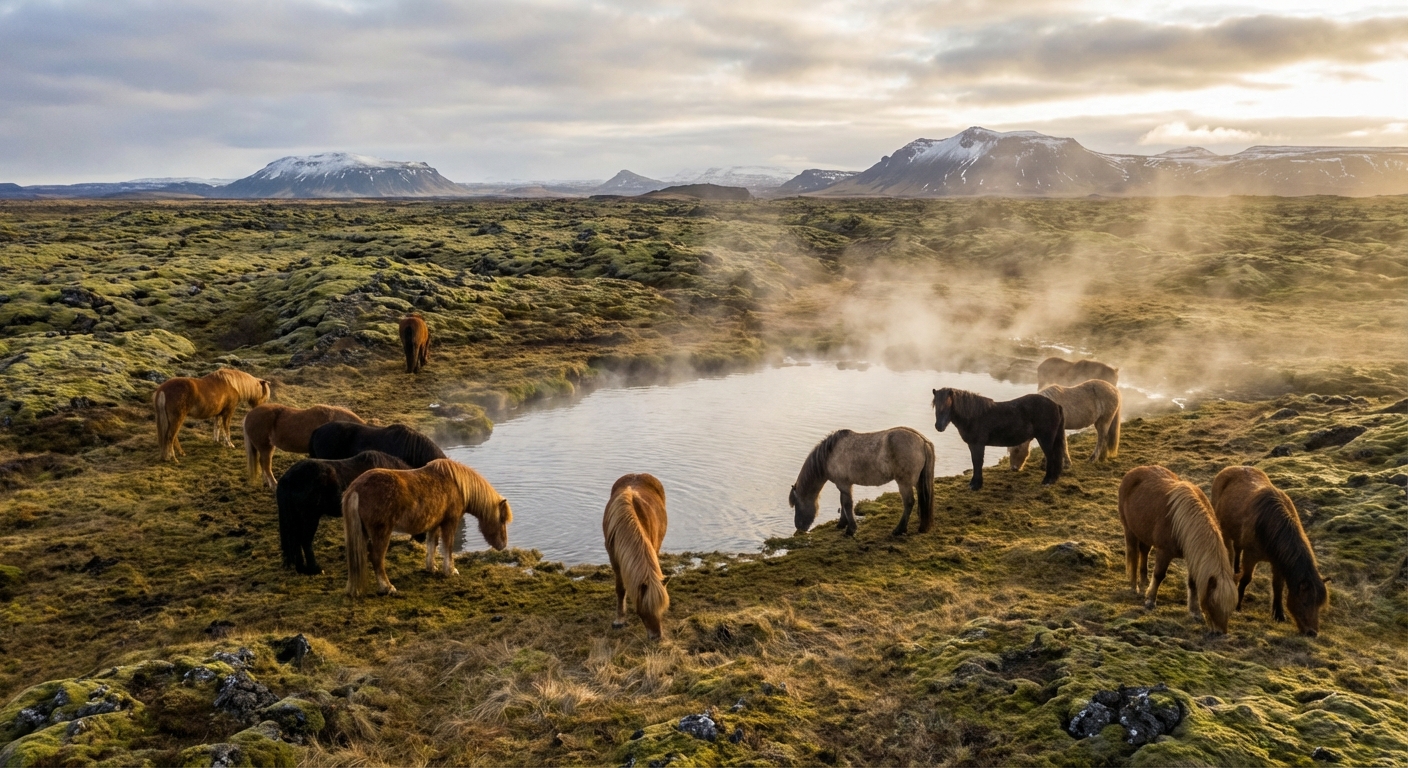
A herd's existence consists of rhythms: where they position themselves, when they wander, who bonds together, who maintains some space. When a horse disappears, those rhythms don't simply "close up" right away.
Healthy coexistence starts with acknowledging that this isn't a behavior problem requiring correction. It's an experience the group is navigating.
That shifts our approach. We quit searching for something to "repair." We quit interpreting every change as a symptom. We become more grounded observers.
In reality, it might appear like this: you arrive as you always do, but you act less. You don't intrude on the stillness. You don't transform mourning into a task. You allow the herd their different day without expecting them to act normal for your sake.
2) Recognition Without Forcing Contact
People frequently crave certainty. We want to grasp what horses "comprehend." We want to categorize our observations.
But coexistence doesn't demand that we succeed in a meaning-making competition.
Rather, we can maintain a simpler pledge: if the herd is acknowledging the absence—through quietude, through looking, through uncertainty, through altered positions—then we honor that acknowledgment.
Honor can be remarkably straightforward.
It can mean not drawing them toward diversions. Not demanding they approach you. Not employing treats, sounds, or busyness to disrupt the mood.
It can mean letting them remain and observe. Letting them visit places they connect with the departed horse. Letting them linger where they would have lingered as a group.
Not because we "understand" their thoughts—because understanding isn't required. Because we are occupying territory with a social creature whose existence is partly defined by who surrounds them.
3) The Vigil: When Standing Still Is the Whole Point
There are moments when the most noticeable thing in a pasture is inaction.
A horse remains in one spot longer than typical. Another settles close by without making contact. A duo that once traveled together no longer quite coordinates. The herd's atmosphere feels subdued, not intense.
If a herd maintains their own form of watch, our purpose is to avoid disrupting it.
This is where people frequently overreach despite good motives. We introduce movement. We introduce brightness. We introduce "let's stir everyone up." We insert ourselves as distraction.
But a vigil—regardless of its form—doesn't require enhancement.
If you wish to be there, be there like the elements: steady, not insistent.
Position yourself at a considerate distance. Keep your body calm. Keep your movements slow. Let your gaze be gentle, not locked like a beam. If the herd comes closer, welcome them. If they stay away, accept that too.
Coexistence isn't gauged by the amount of interaction we receive. It's gauged by whether our being there makes the day lighter to bear.
4) Grief Changes the Social Map—Let It Redraw
Following a loss, the herd may reorganize themselves. Not through ritual. Not through a plan. Simply through minor decisions made repeatedly.
Who positions beside whom may change.
Who settles close to whom may change.
Who initiates movement may change.
And these changes may be fleeting or they may evolve into a fresh equilibrium.
A person can unintentionally complicate this by attempting to maintain the former structure. We observe someone standing "isolated" and we rush to find them a companion. We observe friction and we try to arrange the herd as though we were organizing objects.
A more coexistence-oriented method involves patient watching.
You observe across days. You notice without meddling. You permit the horses to discover new arrangements. You maintain resources and territory as balanced as possible, so the herd isn't compelled into conflicts while already processing transition.
This is not inactivity. It's self-control.
Self-control is a form of caring that believes in the horses' own social wisdom—even when they're unsettled.
5) Human Grief in the Same Pasture
If you cared for the horse who passed, you will be mourning as well.
And that's significant, because horses experience our physical presence, not our words.
Coexisting without riding or training means we lack a task to shelter behind. We're not "exercising the horse." We're just present. That can leave our sorrow feeling visible.
So the inquiry arises: how do you carry your mourning into the pasture without placing it on the herd?
You don't need to be emotionless.
But you can strive to be composed.
Walk gently. Breathe evenly. Steer clear of abrupt movements. Avoid trapping a horse into consoling you. Let solace be something given, not demanded.
If a horse decides to remain beside you, receive it as connection—not an obligation. If they depart, allow them to go without feeling rejected.
This represents one of the most difficult human teachings in communal existence: permitting the horses their own journey through loss, distinct from ours, even when our emotions are intertwined.
6) Ritual Without Performance: Gentle Consistency After Goodbye
When people feel uncertain about what to do, we frequently establish a ritual.
Ritual can be beneficial—if it remains humble.
In coexistence, the most considerate "ritual" is frequently basic steadiness: appearing, maintaining regular care, and not overwhelming the herd with changes.
Steadiness doesn't mean acting as if nothing occurred. It means preserving environmental stability while the social fabric reweaves.
It means not converting the pasture into a venue for ongoing human emotional work.
It means allowing silence to emerge at its own pace.
And it means recognizing that the herd may hold the absence differently from day to day. Some days may appear routine. Some days may appear hollow and searching. Your responsibility isn't to dictate a feeling. Your responsibility is to maintain the communal territory as habitable.
Closing
Herd mourning calls for an uncommon human ability: to remain close without assuming control.
To observe without explaining.
To provide support without directing the narrative.
When we share life with horses—without riding, without training—we're not attempting to help them "move past it" according to our timeline. We're discovering how to exist in an altered landscape and remain gentle.
Equine Notion
https://equinenotion.com/