The Organic Label Doesn’t Chew: Importing EU Bio Feed Without Losing the Horse’s Rhythm

The Organic Label Doesn't Chew: Importing EU Bio Feed Without Losing the Horse's Rhythm
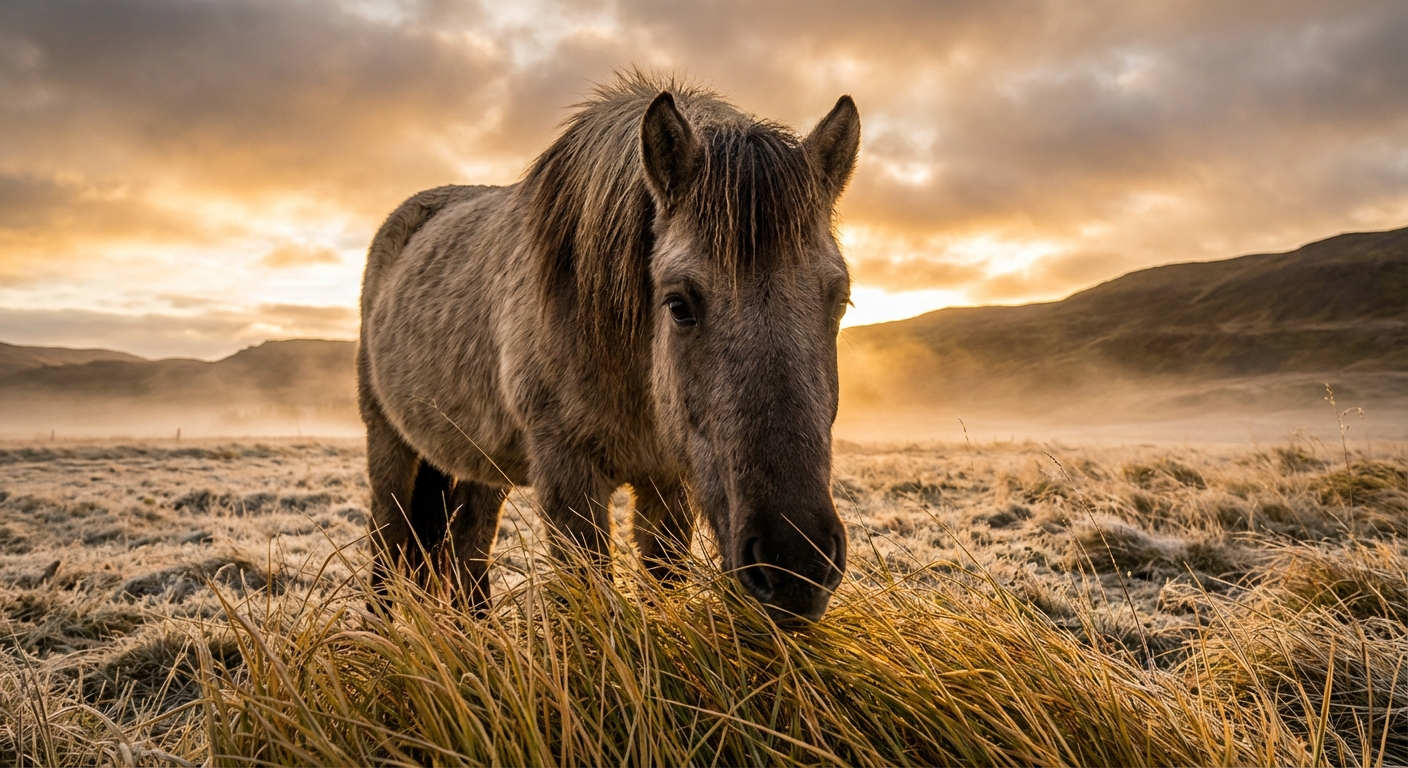
I once observed a horse sample a perfectly adequate feed with deliberate care, only to turn and wander—without urgency—back to the coarser, familiar forage he had been methodically working through since morning. There was no fanfare. Simply a quiet declaration of preference. The moment stayed with me because we humans so easily become enamored with what packaging promises, while the horse continues to answer an entirely different inquiry: "Can I graze continuously, move freely, and find peace within my herd?"
What the EU "bio" choice is actually trying to protect
Opting for organic feed—particularly imported European biological varieties—typically springs from genuine intention. We seek to harmonize equine care with the health of the soil, the services of ecosystems, and purer agricultural inputs. We long for a food chain that feels less mechanized, less tainted, more honorable.
Yet the certification can begin to bear emotional significance it was never designed to carry. No bag can deliver what a horse's digestive system and nervous architecture recognize as true security: uninterrupted grazing, unhurried time, and adequate space. When we allow "bio" to substitute for environment, we create an odd contradiction—food laden with good intentions placed within a life that still fractures the horse's essential nature.
The most authentic application of imported organic feed is as complement, not cornerstone. It represents a human choice aimed at mitigating certain concerns we carry. It does not constitute the horse's complete welfare strategy. In our own lives, we often mistake the quality of what we consume for the quality of how we live—forgetting that no single purchase can compensate for a rhythm that has lost its steadiness.
Practical checks I use so the bag doesn't become the day
First, I examine whether the horse's hours still center on consistent grazing. Preventing gastric ulcers, viewed through this lens, depends less on any specialized product and more on refusing to transform meals into occasions. When imported organic feed enters the diet, I want it woven into a rhythm that still echoes "always something small to work through," rather than producing prolonged periods of emptiness.
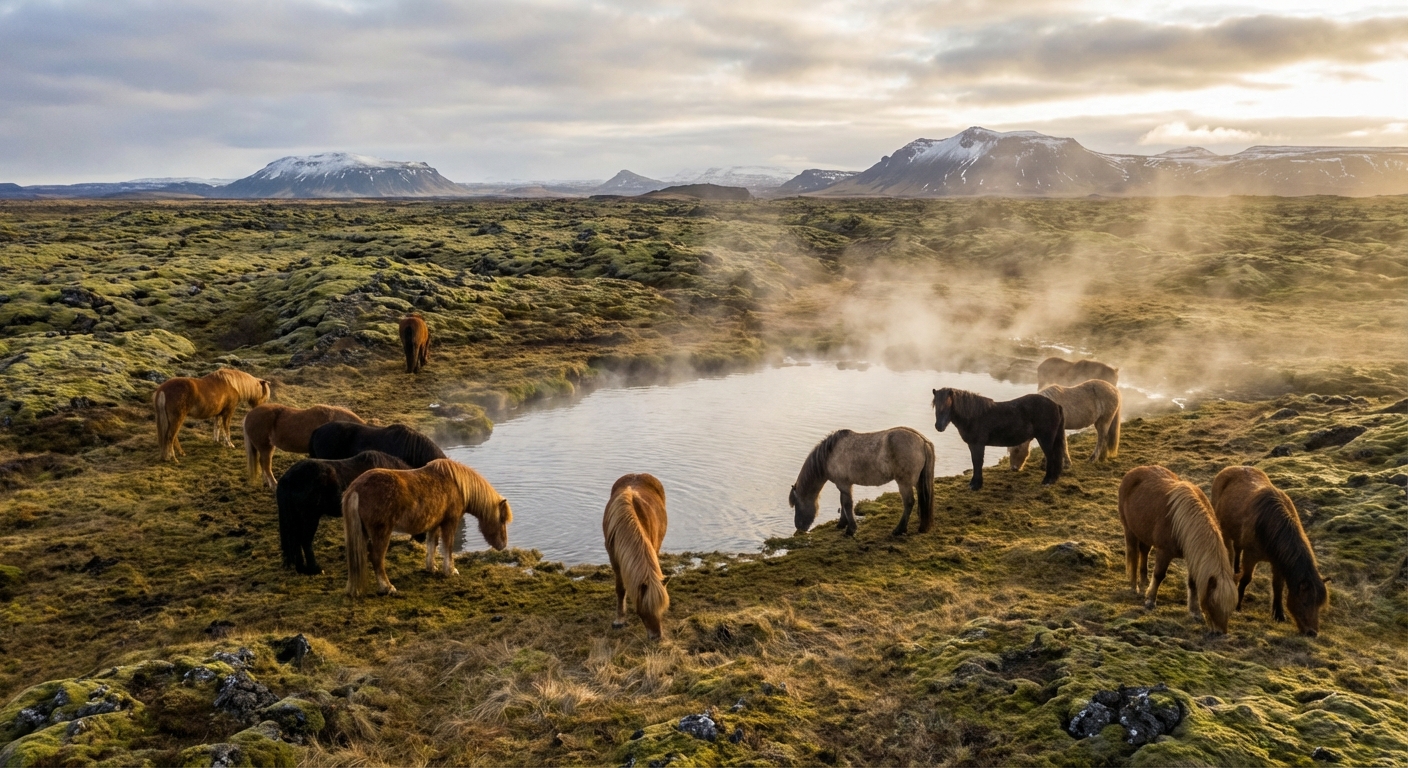
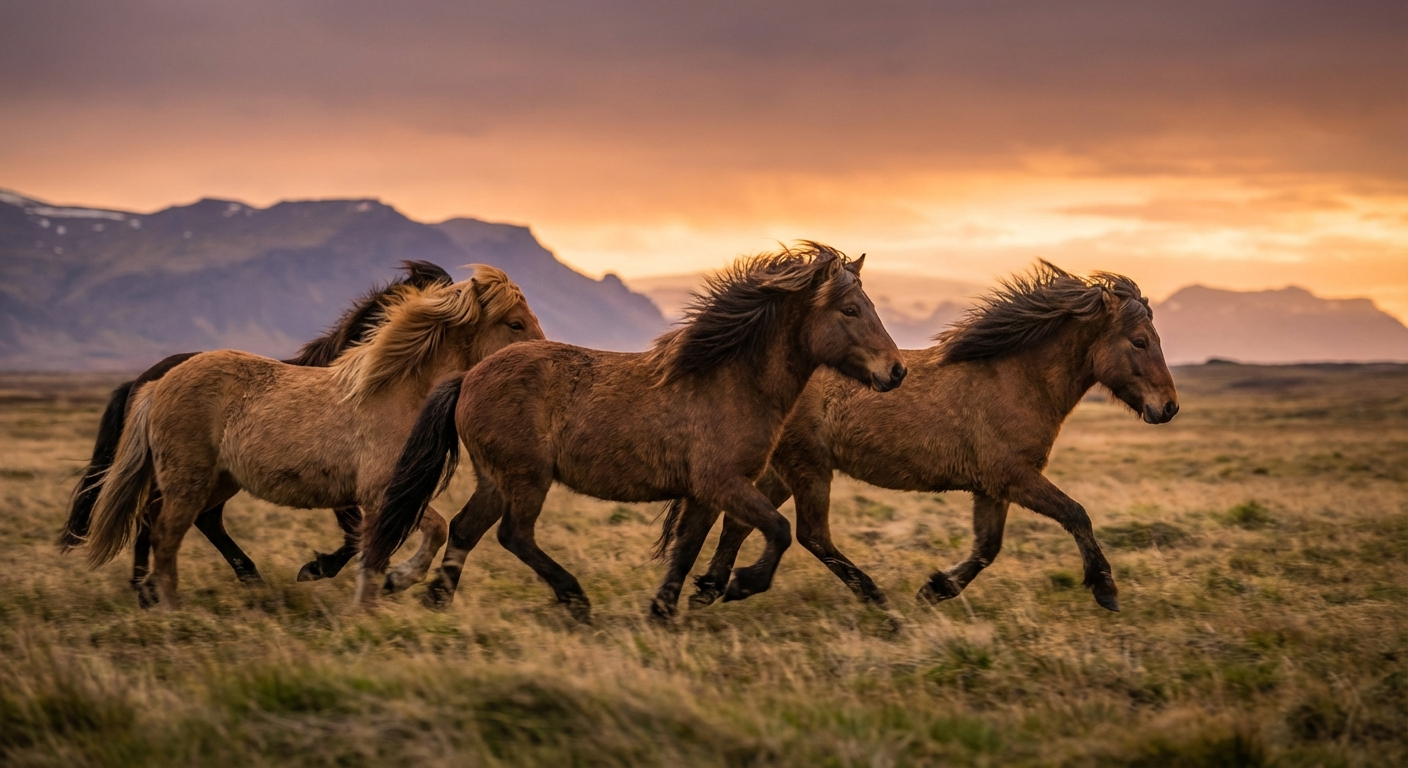
Second, I observe locomotion, because a horse's fundamental nature is to traverse ground. When the feed selection becomes the primary focus while turnout time, walking paths, or general territory quietly diminish, the values have inverted. The horse does not perceive "bio" as an abstraction; they perceive whether their body is permitted to remain a wandering, foraging creature. We might ask ourselves the same: do our careful choices about what we consume ever distract us from the movement and freedom our own bodies require?
Third, I attend to the collective. Herd wellbeing is not preserved by any single fixed leader; it emerges through fluid relationships and circumstances—particularly surrounding resources. Any feed that concentrates worth into a single moment can alter how horses arrange themselves, who hesitates, who advances, who finds themselves displaced. When social tension escalates around the imported "premium," it signals a need to simplify, decelerate, and render access less competitive. Our human communities, too, shift their dynamics around scarcity—real or manufactured—and peace often returns only when we distribute value more gently across time.
Coexistence: trusting what nature already maintains
A paradox inhabits contemporary care: the more extensively we intervene, the more thoroughly we can disrupt the horse's innate self-regulation. "Neutral nature" is neither abandonment nor some idyllic fantasy. It is the discipline of withdrawing sufficiently to allow adaptation and resilience to perform their portion of the labor—without mistaking comfort for genuine health.
Imported EU biological feed can integrate gracefully into this philosophy when it remains modest: a supportive element within a day constructed upon continuous forage, room to roam, and social equilibrium. The horse will communicate, in the most unpoetic manner, whether the arrangement succeeds—through tranquility, through the absence of repetitive behaviors that betray a distressed environment, and through the quiet contentment of a body that need not renegotiate its existence each time a bucket materializes. Perhaps the deepest wisdom horses offer us is this: that wellbeing is not found in any single refined ingredient, but in the architecture of the whole day.
Equine Notion
https://equinenotion.com/