Let the Digestive Story Begin: Coexisting With Foals Without Sanitizing Their World

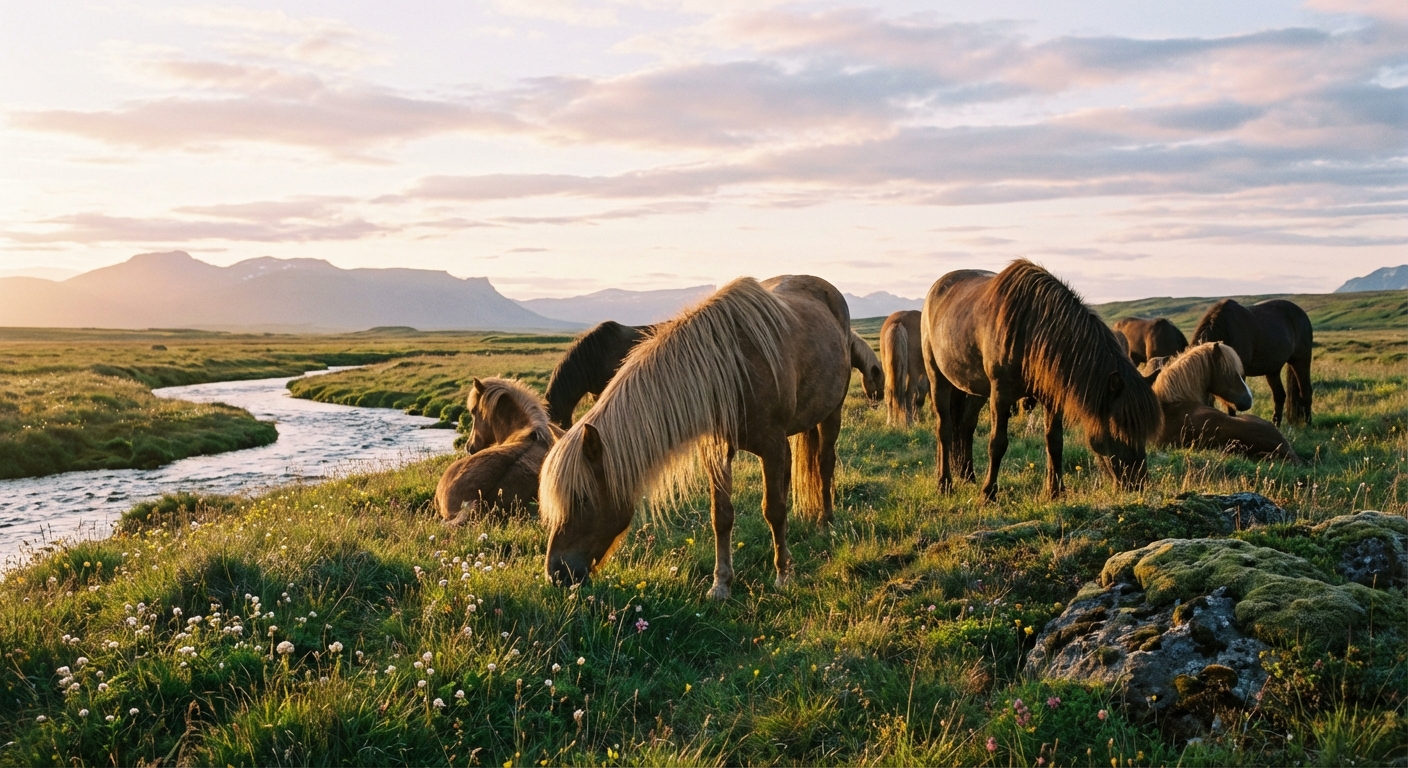
Hook
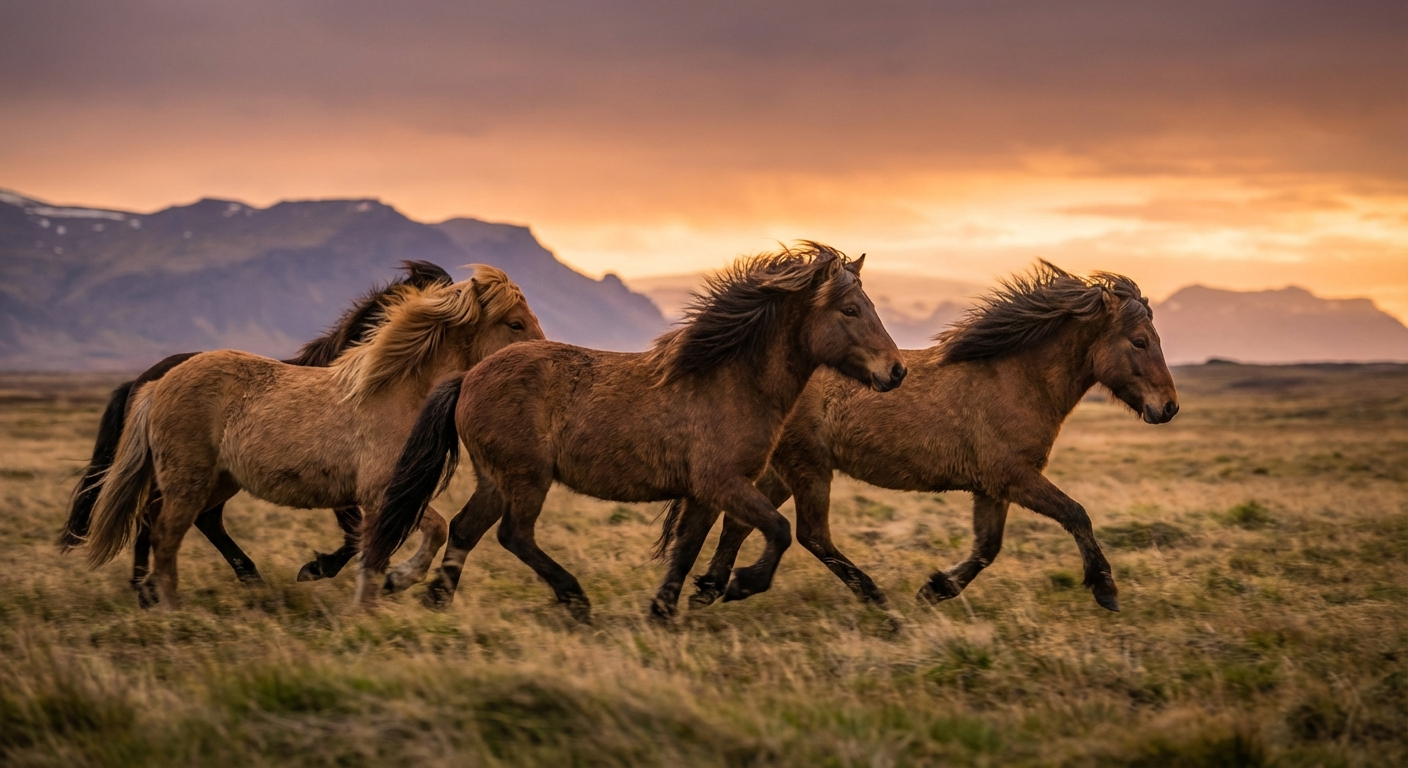
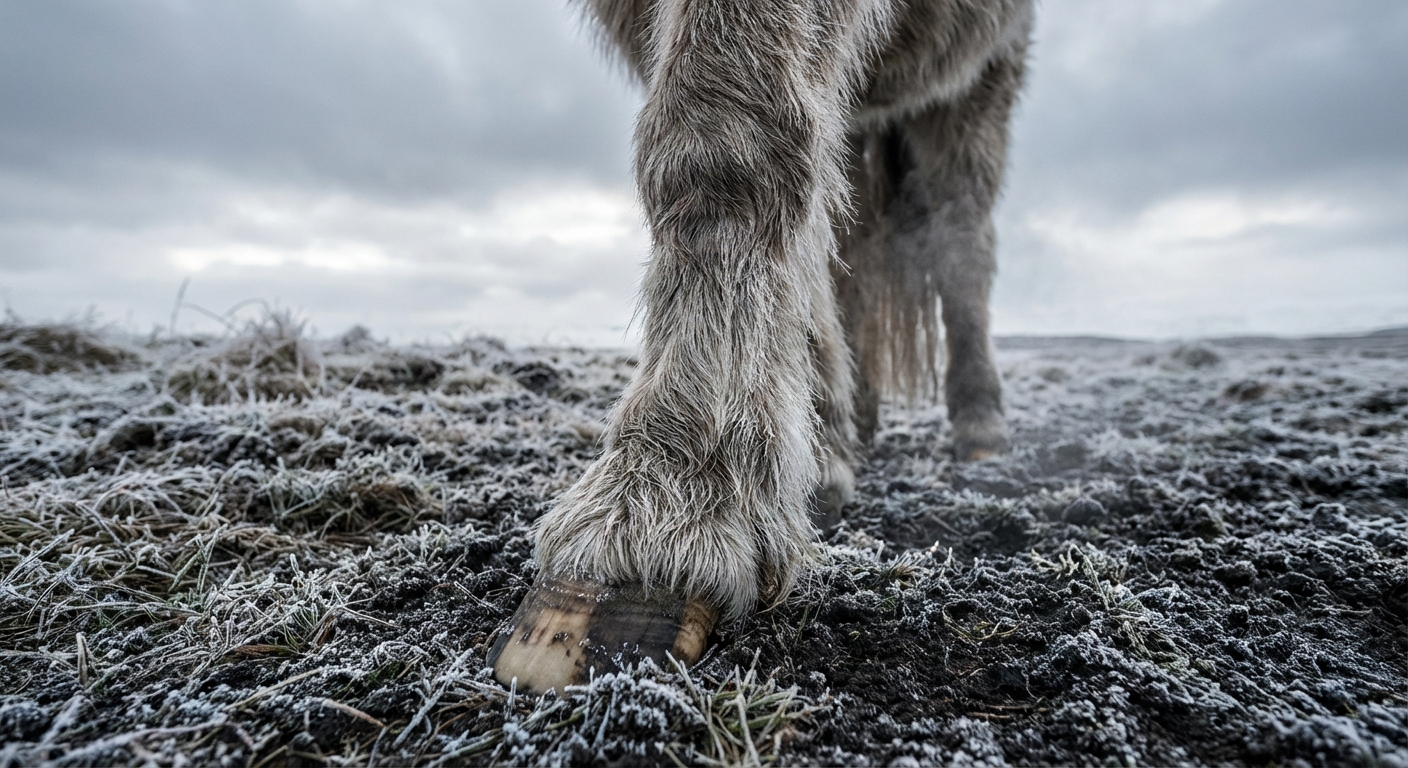
A young horse walks where others have walked before.
Not merely across grass, but through spaces still carrying fragrance and memory.
Our human instinct frequently pushes us to clean, sterilize, or intervene with anything appearing "unsanitary." Yet sharing life with horses—without riding, without training—sometimes demands the reverse: the willingness to let a young body encounter the world as horses have always encountered it.
1) The urge to clean vs. the horse's urge to forage
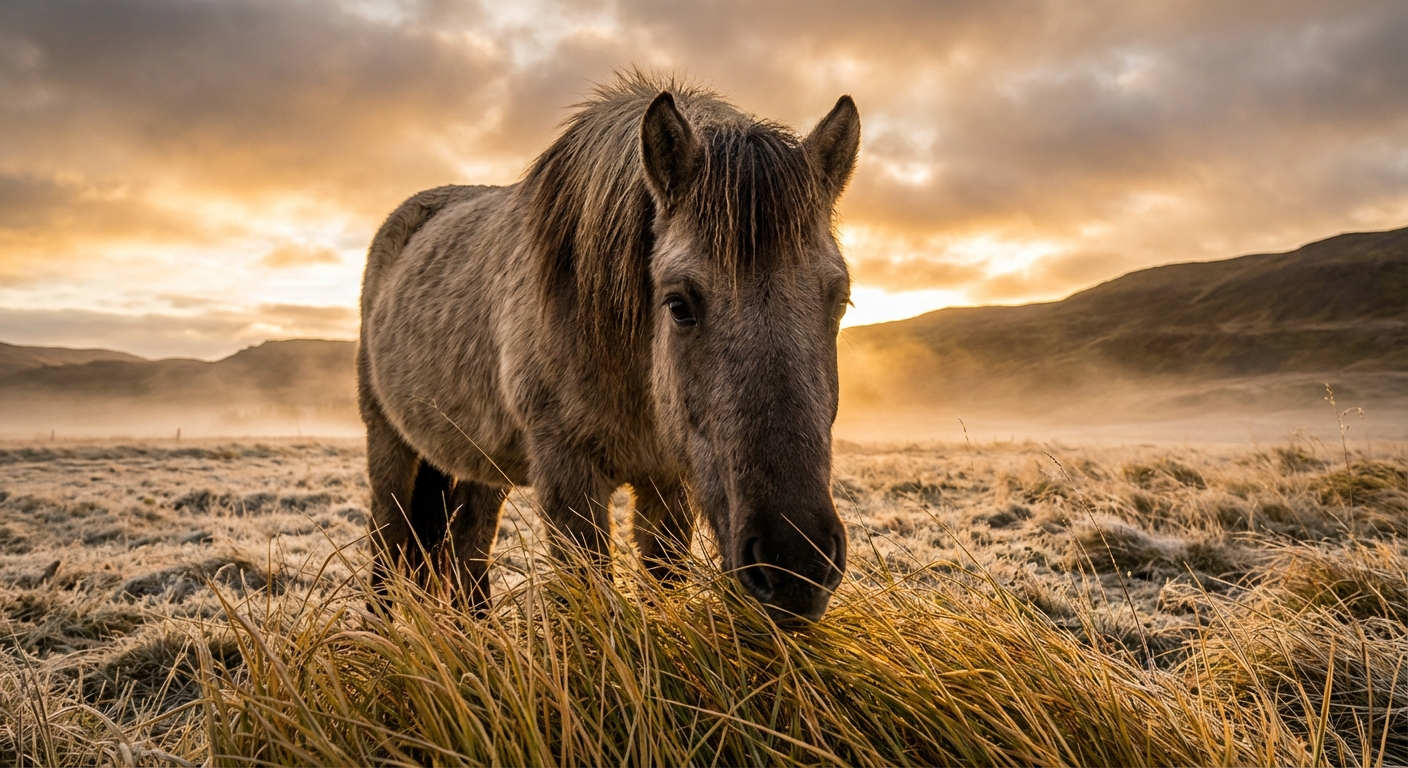
Horses are designed to spend their hours exploring, tasting, and wandering through edible landscapes. When we enforce tidy feeding schedules and excessively sanitized "sterile" areas, we don't merely alter what they consume—we alter how they experience being horses.
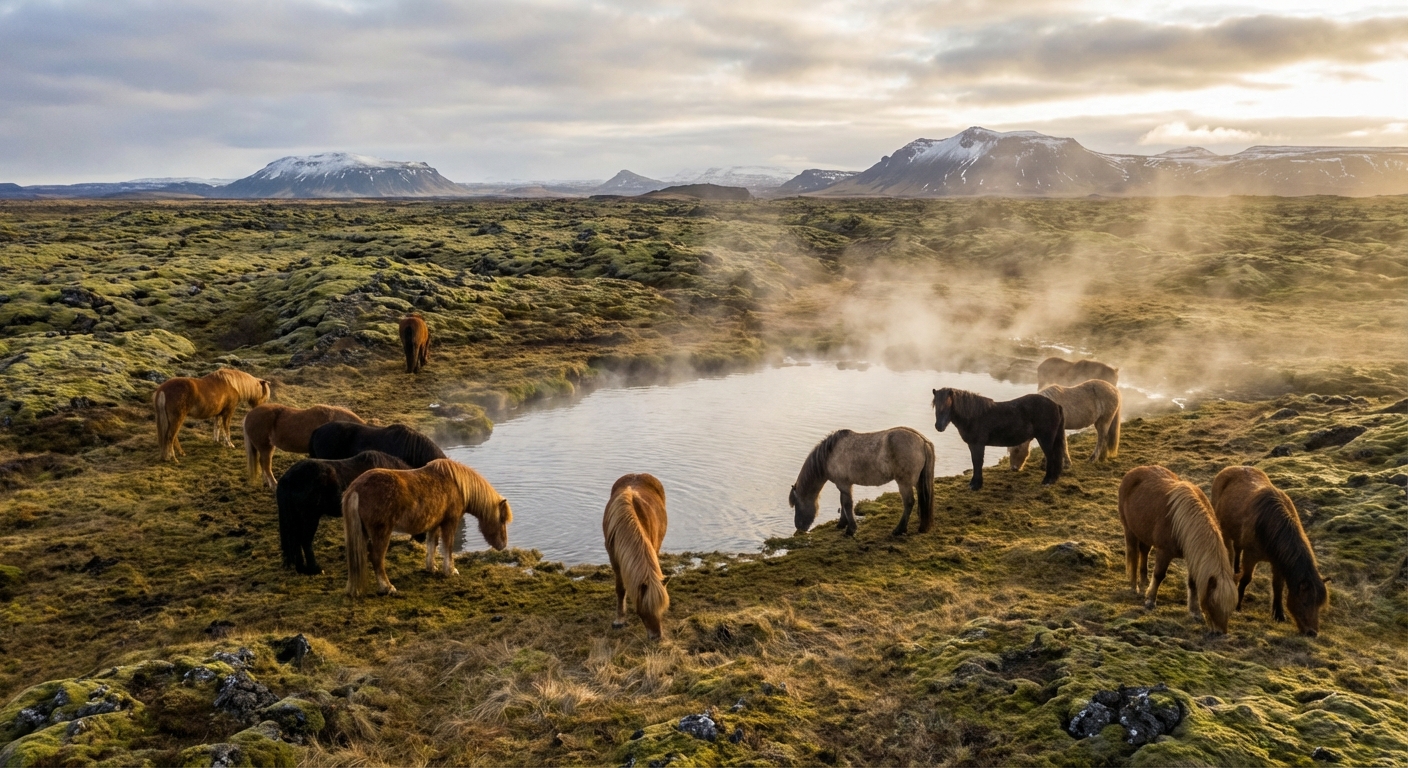
In my personal philosophy of coexistence, I avoid feeding according to a strict timetable. Rather, I aim to encourage natural foraging habits wherever feasible. This involves providing a setting with access to various hay types and native herbs, allowing horses to select—intuitively—what their bodies require.
When a foal is in the picture, this same concept becomes even more significant. The young horse isn't merely consuming calories. They are experiencing aromas, surfaces, and the authentic context of nourishment: where it exists, how others interact with it, what gets passed over, what draws them back.
2) Variety is not luxury; it's information
"Assorted hay and native herbs" might seem like an extravagant consideration, but practically speaking it represents data the horse can utilize. A single pile, a single variety, a single predictable pattern teaches the body almost nothing.
A diverse setting accomplishes something else entirely: it enables the horse to exercise choice.
This isn't about people deciding what's "optimal" from above. It's about establishing circumstances where a horse can pick nutrients using its own instincts—repeatedly, across time.
For foals, this decision-making starts from the beginning. You might observe them pause, investigate, come back, and taste. Coexisting requires letting that process develop naturally without hurrying to manage every bite, provided the broader environment consists of secure, horse-suitable choices.
3) What the herd teaches without lessons
Much of what appears as "structure" within a horse group emerges from minor, recurring relationship decisions.
Who positions themselves near whom.
Who settles down beside whom.
Who trails along peacefully.
Who engages in reciprocal grooming.
These dynamics hold importance because they define a foal's everyday experience: where stopping feels secure, when venturing out seems possible, and how much stress surrounds shared provisions.
This is precisely where people can misjudge the situation. There's a tendency to describe a straightforward pecking order—one fixed leader, everyone else obeying. But careful observation reveals something more dynamic and contextual: deference shifts based on the particular resource, the particular instant, and the particular bond.
For a foal, that adaptability forms part of the educational setting. Not instruction delivered through force, but understanding gained through dwelling within a social collective.
4) Resource moments: the quiet agreements around hay and water
To comprehend a herd without meddling, observe what unfolds at communal resources.
Not the theatrical instances.
The everyday occurrences.
Observe whether horses permit another to move peacefully past hay or water. Observe who moves away and who remains patient. Observe whether friction dissipates through postural shifts and minor adjustments rather than confrontation.
These specifics are crucial for foals because resource zones are where anxiety can build—or ease. When mature horses can work out access with little commotion, the entire area becomes more welcoming for a young horse to occupy. A foal can draw near, hesitate, withdraw, and come back without perpetually being forced into confrontation.
As a person, you needn't "oversee" every exchange to facilitate this. Frequently, the finest support is environmental: sufficient variety in accessible forage and adequate space for horses to make the subtle modifications that maintain harmony.
5) Observation as coexistence: stay field-friendly and non-invasive
Sharing space with horses without transforming existence into a training regimen begins with your manner of observing.
Seek out recurring partnerships: the horses who regularly prefer each other's presence.
Seek out bonding behaviour: reciprocal grooming, peaceful trailing, communal resting.
Seek out understated communication: ear movements, head pivots, alterations in body positioning, a solitary step that settles a matter.
When foals are present, these observations serve as a form of protection—not because you're attempting to direct their growth, but because you're confirming the social and nutritional environment remains functional.
This style of watching also represents a practice for people. It diminishes the impulse to interrupt every "strange" action. It reminds us that horses resolve most matters through subtle signals, and that our role is frequently just to avoid disrupting those resolutions with perpetual human interference.
6) A practical stance: build an environment you can trust, then interfere less
The essence of this viewpoint is straightforward: establish conditions that honour natural foraging and herd existence, then permit horses to dwell within those conditions.
I aim to avoid restricting food to fixed meal schedules. I aim to create opportunities for browsing-style exploration and selection. I supply various hay types and native herbs so horses can pick nutrients instinctively.
Beyond that, I allow the herd to function as a herd.
I observe who relaxes together.
I note who gives way at tight passages.
I monitor whether movement around resources remains peaceful.
This represents coexistence without riding or training: less focused on dictating results, more focused on preparing the environment and then respecting the horse's own methods of adapting, selecting, and finding equilibrium.
When a foal develops in such a world, you needn't transform every instant into a human-directed endeavour. You can permit the start of its digestive journey—and its social journey—to be composed in the language horses have always understood.
Equine Notion
https://equinenotion.com/