Let the Herd Prototype the Day: Social Learning Through Tiny Experiments

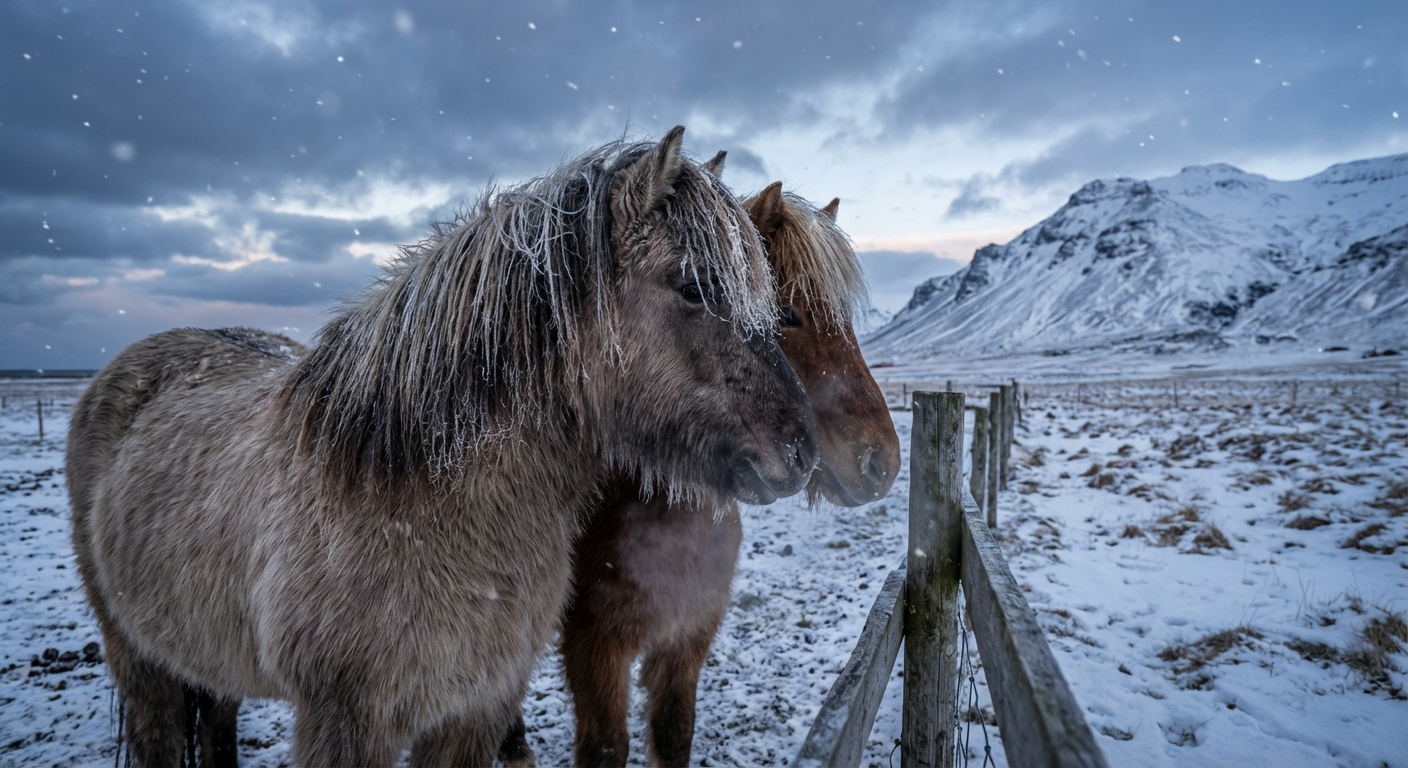
Let the Herd Prototype the Day: Social Learning Through Tiny Experiments
Consider the possibility that what we call "good behavior" is simply a horse echoing what succeeded the day before—because a companion ventured there first.
In an environment that permits authentic existence, horses are guided not merely by social bonds but by outcomes. A modest adjustment that brings ease to the body tends to ripple outward through the group. This transmission happens not as formal instruction, but as a quiet, pragmatic signal: this location soothes, this tempo calms, this path sidesteps difficulty.
Watch for the herd's micro-experiments
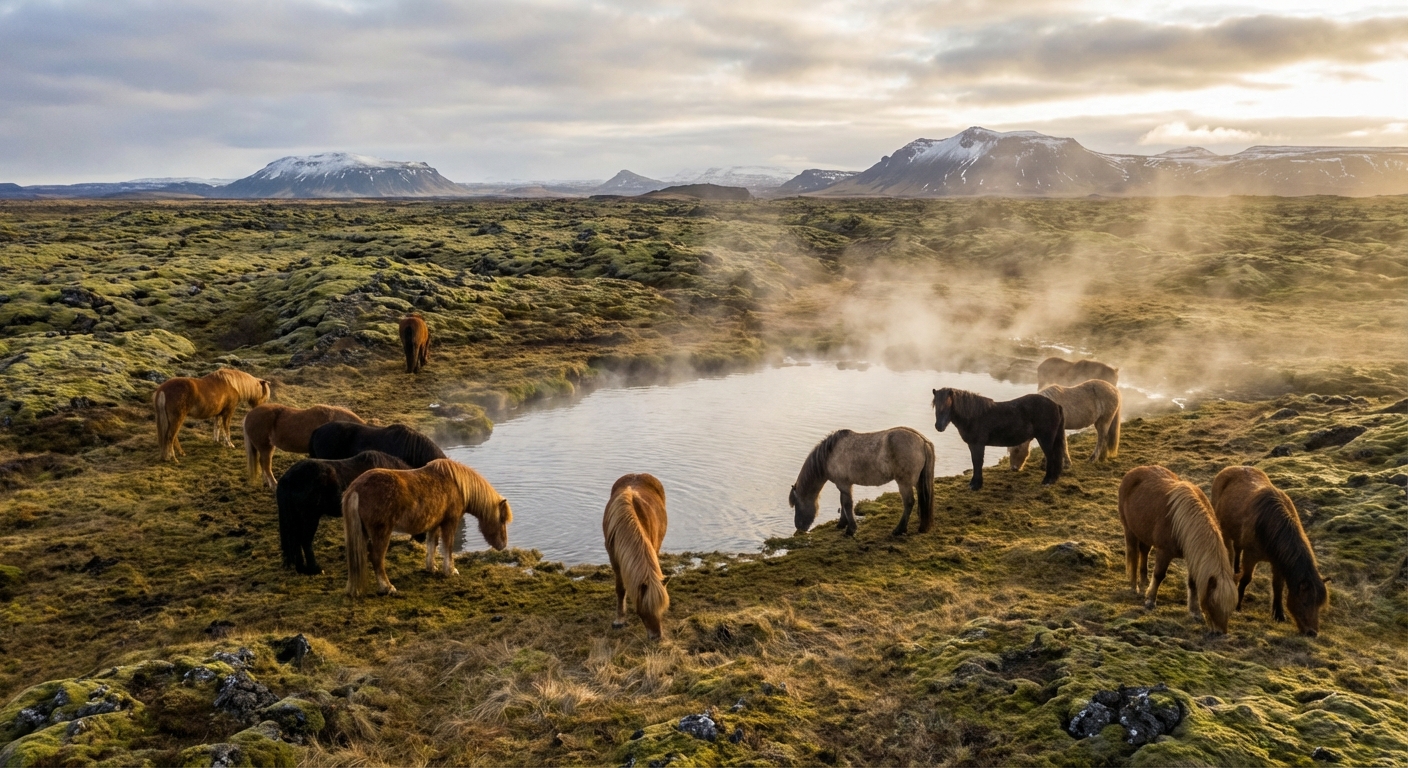
Social learning reveals itself most vividly when the day presents genuine choices. A single horse explores a stretch of terrain, a water's edge, a shelter from wind, an untried resting spot. A companion observes and ventures there afterward. Before long, the "ideal" locations appear favored—not through any command structure, but because the initial trial yielded reward.
The same dynamic emerges when horses attend to their own well-being. Mud transcends mere dirt; it becomes a deliberate barrier between flesh and biting insects. Shade exceeds simple cover; it represents a thermal calculation. Even self-healing behaviors—seeking out specific vegetation or consuming soil—are frequently pioneered openly, then adopted, sometimes by several horses in succession.
This constitutes experimentation, yet it remains fundamentally communal. The herd operates as a living system of feedback: one horse ventures, others confirm. We humans, too, learn most naturally not through isolated study but by witnessing what works for those around us—and having the freedom to test it ourselves.
Keep the environment "learnable"
Harmonious cohabitation becomes simpler when we cease confining the horse's day to a rigid passageway. Discovery requires spaciousness.
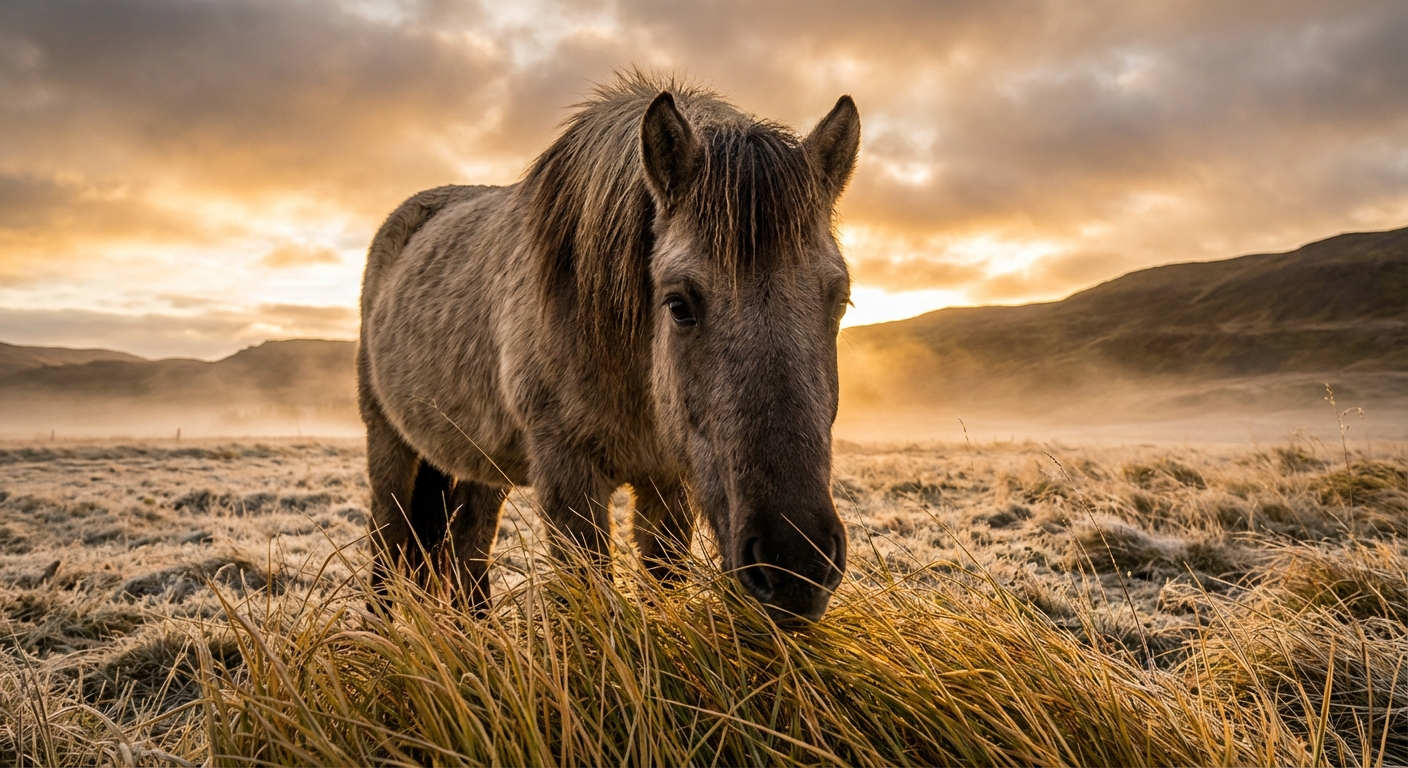
Uninterrupted access to forage matters profoundly—not solely because the equine stomach perpetually produces acid, but because it transforms the day from an exercise in anticipation into something richer. When nourishment remains perpetually available, the horse can continually return to equilibrium. That stability creates openings for exploration without sliding into restlessness.
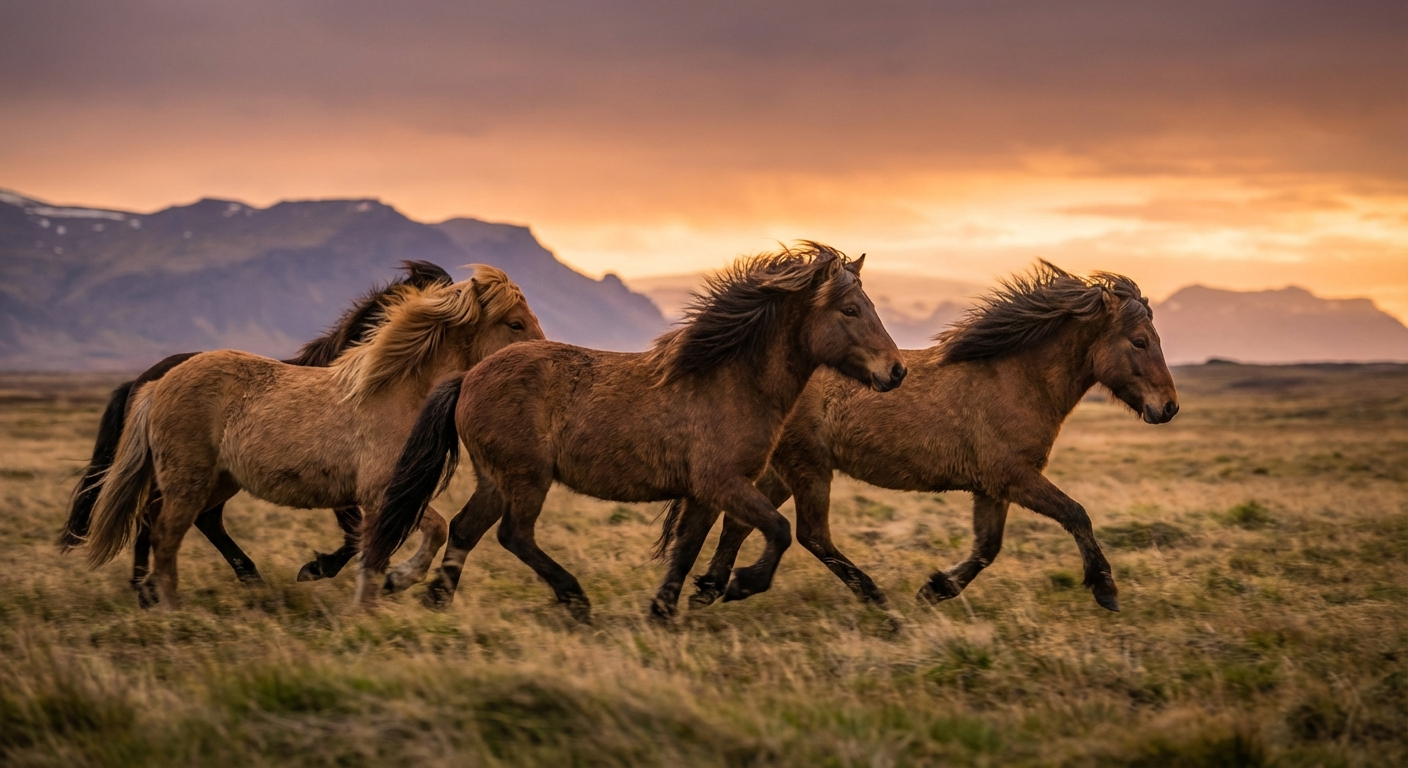
Locomotion serves the same essential purpose. Since the horse's physiology evolved for journeying, an arrangement permitting daily wandering nurtures experimentation: varied ground, varying distances, authentic decisions. When movement is constrained, the loss extends beyond physical condition—you forfeit the horse's capacity to conduct modest, low-risk "trials" that reveal how to inhabit life with comfort.
When possibilities contract, stereotypic behaviors may emerge as substitutes: repetitive motions filling the void where the surroundings no longer furnish sufficient viable solutions. Our own lives mirror this truth—when we strip away meaningful choices and genuine engagement, we too develop hollow routines that substitute for authentic living.
Change your role: from director to conditions-keeper
A meaningful transformation involves viewing yourself less as the architect of the horse's day and more as the steward of circumstances from which beneficial patterns can organically arise. Rather than inquiring, "How can I compel my horse toward X?" one might instead wonder, "What conditions enable the herd to uncover X independently?"
This orientation also tempers our human compulsion to designate one horse as leader or mastermind of the collective. In lived reality, who initiates, who defers, and who determines shifts according to the resource at hand, the particular moment, and the individuals present. Wisdom circulates through the network.
When we offer horses duration, continuous nourishment, room to roam, and terrain worthy of investigation, we need not fabricate tranquility. The herd will persist in conducting modest experiments—and persist in selecting what succeeds. Perhaps the deepest lesson here is one of trust: that given the right conditions, living beings naturally gravitate toward what sustains them.
Equine Notion
https://equinenotion.com/