Let the Small Choices Stack: How Horses Settle When Nothing Is Announced
Let the Small Choices Stack: How Horses Settle When Nothing Is Announced
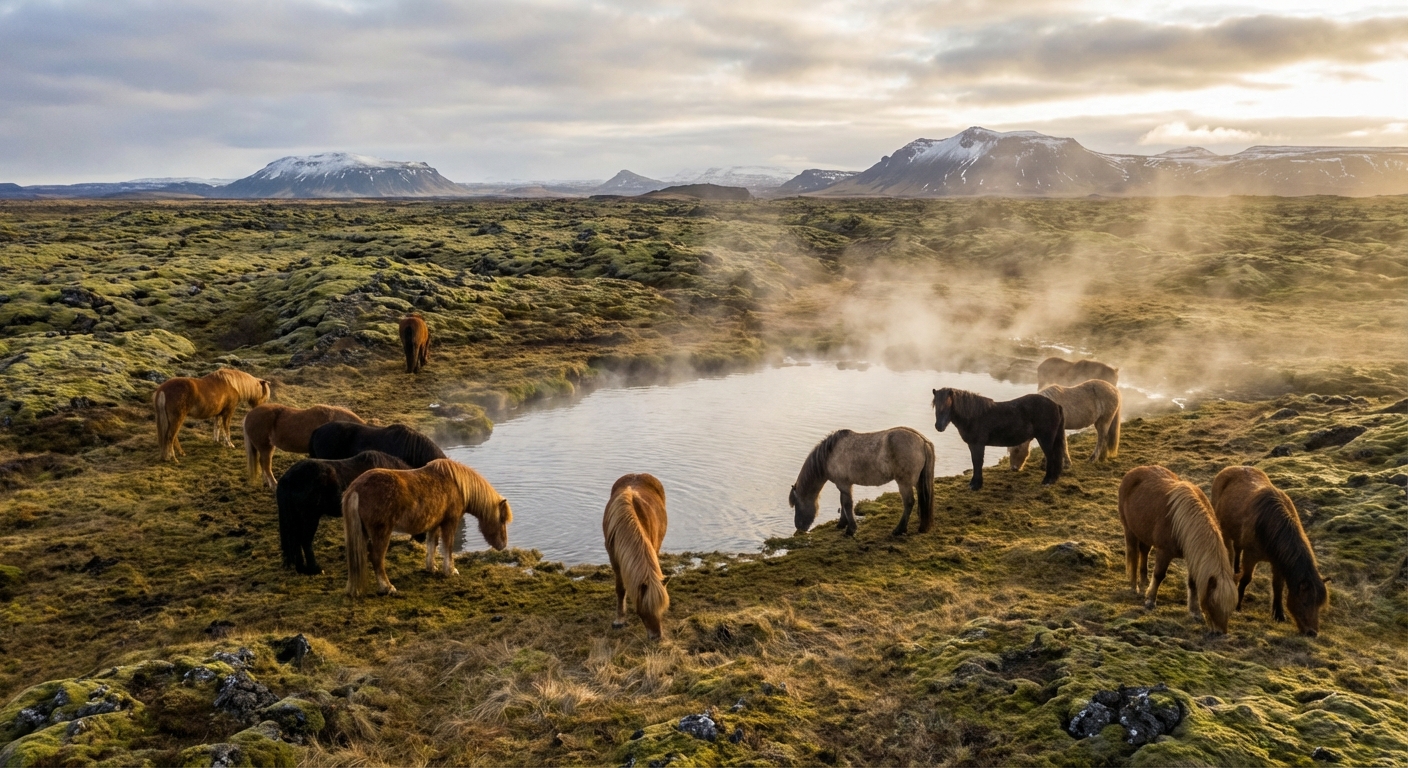
It struck me on an unremarkable day—one where nothing of note occurred. No fresh feed arrived, no storms rolled through, no visitors came, no tasks demanded attention. Only horses in the pasture, absorbed in the unassuming labor of simply existing as horses. The shift wasn't dramatic. It was the quiet that emerged when we stopped making declarations.
Perhaps we, too, find our truest rhythm in the spaces between events—when no one is watching, when nothing is expected, when we are finally left alone with the ordinary business of being ourselves.
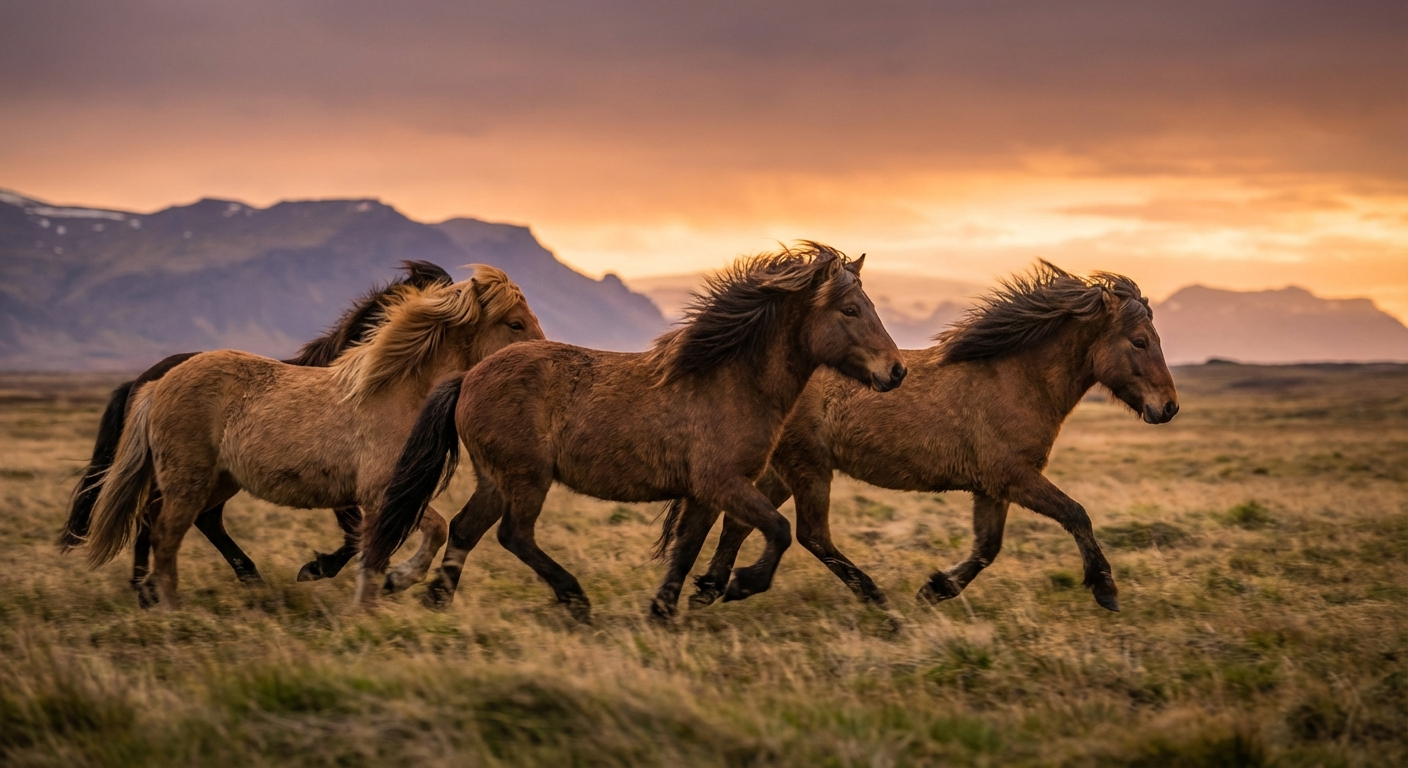
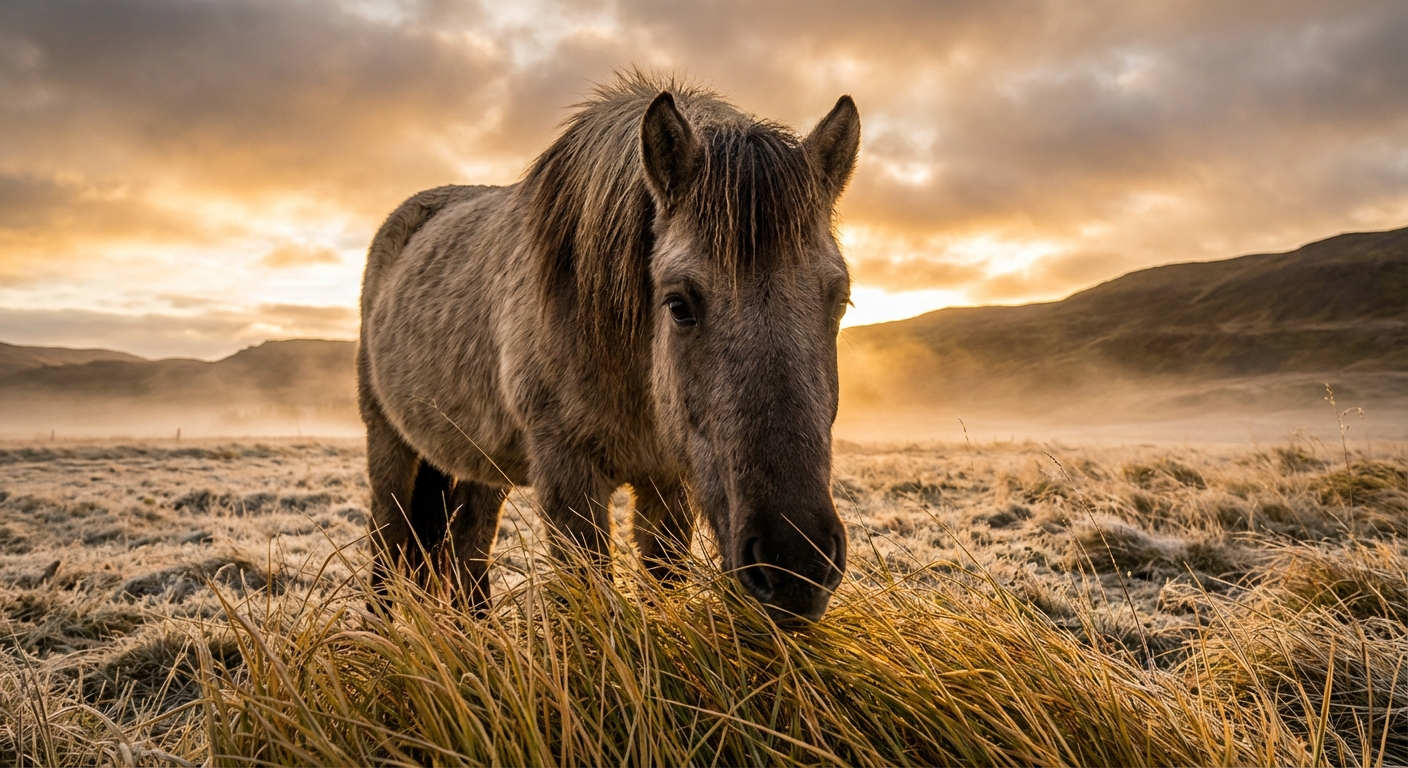
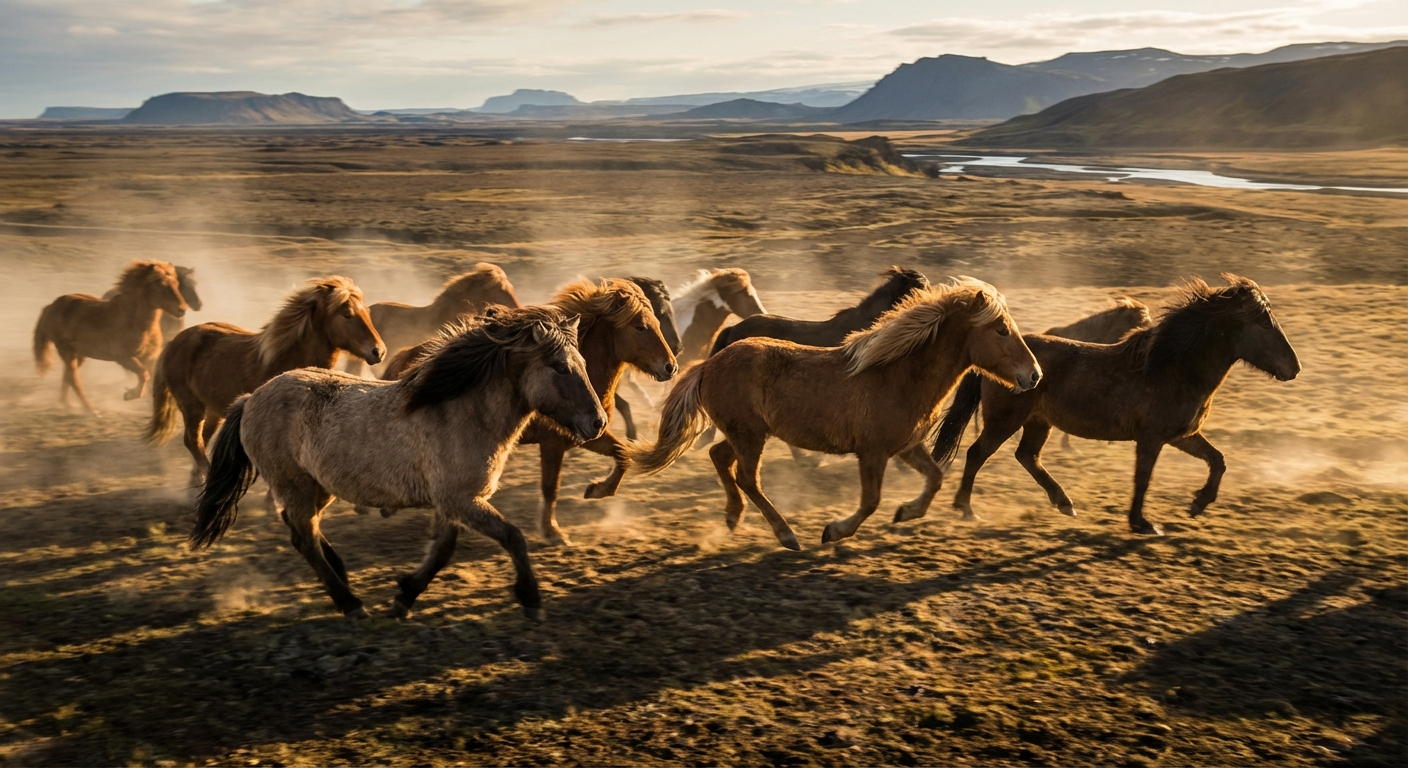
A single horse lowered its head to graze, then lifted it and stepped aside without haste. Another moved into the vacated space, not as a confrontation, but as a gentle joining in shared stillness. A third departed from the herd, meandered to some invisible boundary, then circled back as though confirming a perimeter only it understood. None appeared to be directing anyone else. And yet the group continuously reshaped itself through minute, nearly imperceptible adjustments—distances recalibrated, rhythms synchronized, small concessions made, quiet reunions completed.
How often do our own relationships reorganize themselves through these same invisible negotiations—the yielding we barely notice, the space we grant without thinking, the returns we make without announcement?
We tend to believe that stability is something we manufacture through stricter control: unchanging schedules, predetermined relationships, designated authorities, rigid interpretations. But observe patiently enough, and you discover how much harmony arises from permitting innumerable micro-decisions to remain within the horse's own domain. Who hesitates first before an appealing resource. Who defers today, only to claim the better position tomorrow. Who sets the group in motion one moment, then follows another's lead the next. Within this living tapestry, no permanent script exists—only continuous, situational choosing.
The same may be true of human communities: perhaps the most resilient bonds are not those governed by fixed hierarchies, but those that breathe through countless small, unscripted exchanges of trust and deference.
When we disrupt these choices—by normalizing passive waiting, by transforming natural foraging into a scheduled "enrichment," by restricting movement to our own timetable—we do more than strip away autonomy. We rob the horse of its capacity to regulate its own experience. Then we express surprise when the herd grows fragile, when accumulated tension has no outlet except behaviors we hastily categorize as problems.
One wonders how much human frustration similarly stems not from inherent dysfunction, but from systems that have quietly removed our ability to make the small adjustments that would have smoothed our own days.
I return again and again to the paradox embedded in caregiving: comfort itself can become a form of intrusion. A neutral, naturalistic environment is not some idealized sanctuary we engineer into being; it is a discipline of withdrawing just enough for the horse's own judgment to perform its subtle, essential work. I find myself contemplating what might soften in our barns—and perhaps in our own lives—if we ceased narrating existence so insistently and simply allowed those small choices to accumulate.
Equine Notion
https://equinenotion.com/