The Lowered Head and the Soft Detour: How Horses Say “You First” Without Drama


Hook
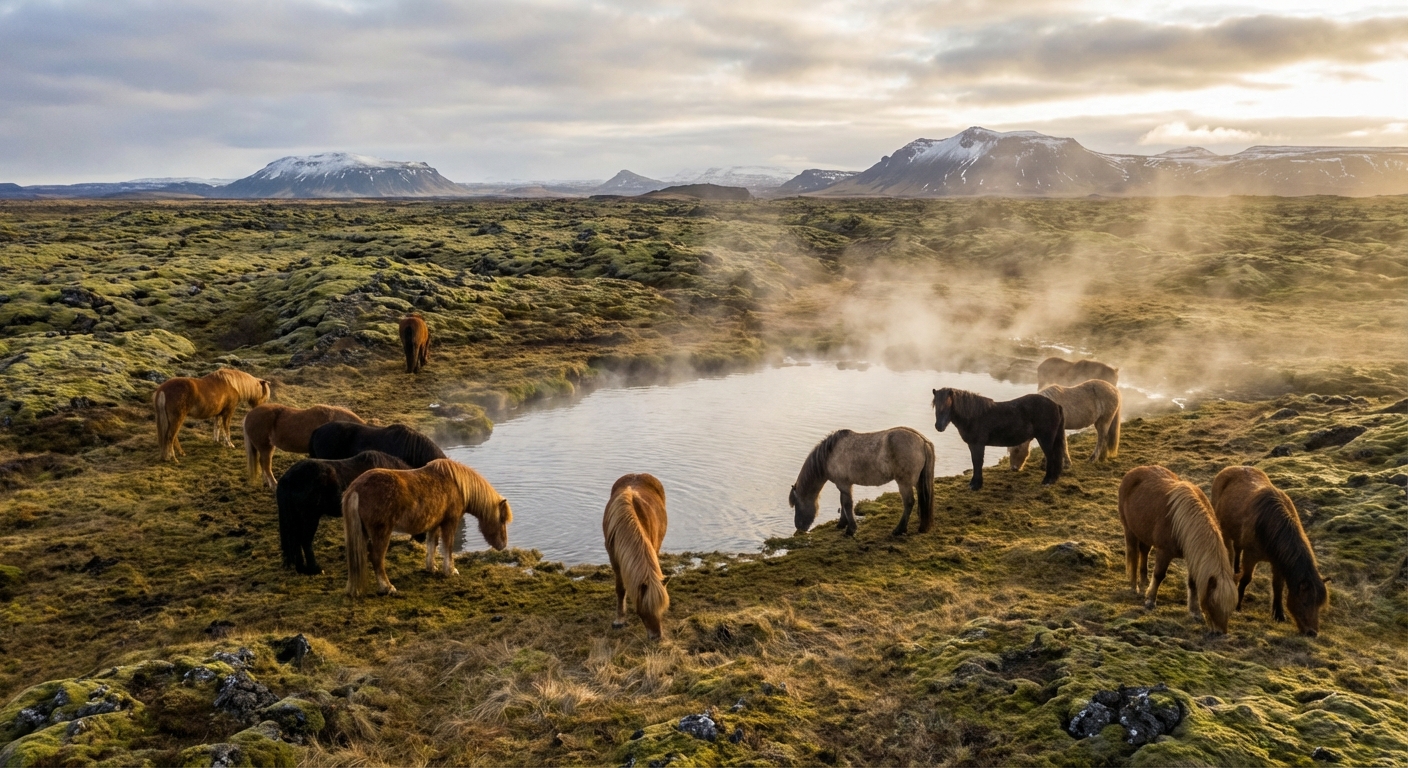
A horse walks toward the water, then hesitates. The head dips slightly—not from drowsiness, not to graze. A second horse comes along a more direct route. No shriek, no pursuit. The first horse simply veers off and takes an indirect path, as though saying, "After you." Blink and you'll miss it. Catch it and you'll begin noticing how much of herd dynamics unfolds through subtle decisions.
A dropped head and evasive movement are frequently misunderstood. Observers often read them as shame, anxiety, or an inherently "submissive nature." In actual, day-to-day group dynamics, these cues are more functional than emotional: they serve to maintain harmony, organize access, and stop situations from intensifying. They also offer insight into how we can share space with horses—without riding, without training—by learning to notice when a horse is giving space and when a horse is requesting it.
1) "Submission" as a Moment, Not a Label
Within a herd, who defers to whom isn't a permanent identity marker. It varies with context and connection. A horse might give ground at feeding time, but stand firm at the trough. A horse might defer to one companion while expecting a different one to step back. That's why it's useful to view lowered head and avoidance as situational gestures rather than fixed personality characteristics.
When you observe patterns over time—particularly recurring pairs—you'll frequently discover that these instances belong to a relationship, not some universal law. One horse might habitually opt for the longer route around a confined space when a specific herd companion is nearby. That doesn't inherently signal "inferior status." It might indicate this duo has established a reliable method to sidestep everyday friction.
For those sharing space with horses, this is significant because it steers us away from oversimplified narratives like "this horse is perpetually submissive" or "that horse is consistently dominant." Horses bargain, and they do so differently based on who's present and which resource is at stake.
2) The Lowered Head: A Quiet Way to Take the Heat Out of a Moment
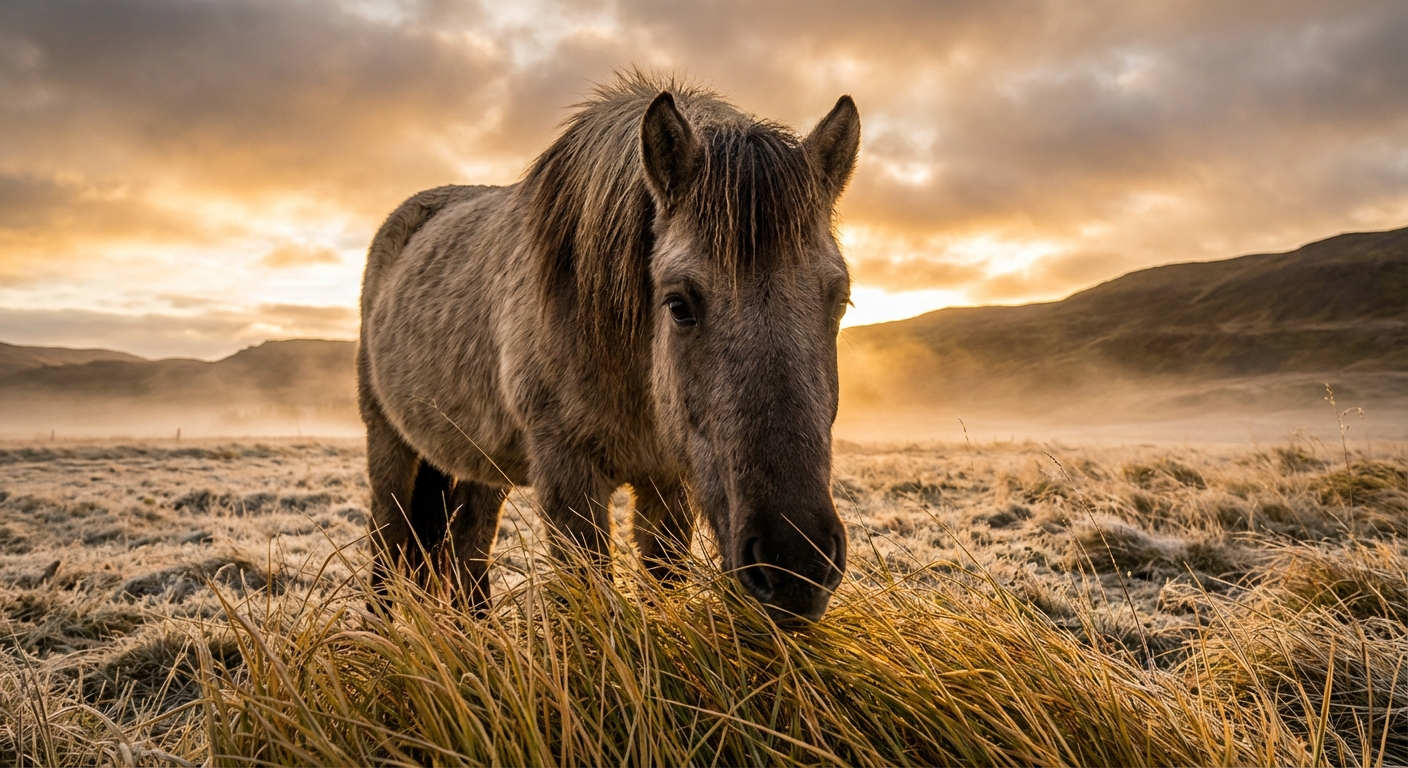
Among subtle signals, head positioning can work like a dimmer switch. A gently dropped head—frequently accompanied by a relaxed body posture, a measured step, or a momentary pause—can alter how an approach is perceived. It can render an encounter less aggressive, less pointed, and simpler for the other horse to accept.
This becomes particularly evident near resources where friction might develop: hay, water, or a tight passage. A straight, elevated approach can register as pressure. A minor adjustment—head dropped, trajectory softened, speed reduced—can serve as a nonverbal "I'm not crowding you."
For people, this presents an opportunity to watch rather than rush to conclusions. The goal isn't to attach moral judgment ("courteous" versus "impolite"), but to acknowledge that horses possess their own methods of defusing a moment before it becomes something larger.
3) Avoidance Isn't "Bad Behavior"—It's Social Skill
Avoidance is frequently where genuine negotiation occurs. Horses regularly resolve possible disputes by opting not to intersect: a partial turn, a shift to the perimeter, a path adjustment that prevents direct confrontation.
Watch carefully and you'll notice avoidance appearing as:
- A head movement that disrupts the direct trajectory
- An adjustment in body positioning allowing two horses to pass without a direct standoff
- A lateral step that stops a tight area from becoming a contest
- A peaceful reroute made early—before the other horse must demand it
This isn't frailty. It's practicality. It maintains group functionality.
In human coexistence, avoidance merits appreciation. If a horse quietly selects a broader curve around you, that could be the identical kind of "gentle reroute" they employ with fellow horses to keep interactions smooth. Pursuing the horse's path to "demonstrate they shouldn't evade" can transform a skilled conflict-prevention strategy into anxiety.
4) What These Signals Reveal About Real Relationships
If you wish to understand a herd, focus on recurring partnerships and repetition in minor interactions. Who routinely yields at feeding time? Who can navigate through a narrow gap without anyone adjusting? Who can position themselves near water without the other having to relocate first?
Dropped head and avoidance gain greater significance when you link them to:
- Proximity preferences: who willingly positions themselves near whom when no one is compelling it
- Bonding moments: reciprocal grooming, relaxed trailing, communal rest
- Resource acceptance: giving way, permitting nearby access, or peacefully passing without displays
A horse that steers clear of another might still elect to rest beside them afterward. Or a horse could give up space at hay yet remain nearby and calm, indicating comfort rather than apprehension. These combinations reveal the narrative: not in an isolated gesture, but in how gestures accumulate throughout the day.
5) Coexisting Without "Making It a Test"
When people share space with horses without riding or training, the greatest adjustment is allowing horse communication to stay horse communication—without converting every motion into a contest or a requirement.
If you observe a horse drop the head and move off, you needn't "fix" it. You can just let the message remain. In a herd, stepping aside is typically acknowledged and then dismissed. The exchange concludes because it succeeded.
An effective approach to coexistence is becoming consistent and simple to navigate around. Horses frequently preserve peace through early, minimal-effort decisions—minor path alterations rather than delayed, high-stakes showdowns. When people move suddenly into a horse's trajectory, occupy a cramped area, or demand proximity, we can inadvertently eliminate the horse's easiest choices.
Coexistence, therefore, can appear like this: recognizing when a horse is requesting space, recognizing when a horse is providing space, and permitting those minor negotiations to work without amplifying them into "who's dominant."
6) The Human Temptation: Turning Yielding Into a Hierarchy Story
It's tempting to observe a horse drop the head and step away, then conclude you've seen "the leader" and "the follower." But herd dynamics are more context-dependent than that. Who acts first, who defers, and who claims the direct route can shift based on the resource, the moment, and the specific horses involved.
When we impose a single, straightforward hierarchy framework onto every exchange, we overlook the actual structure that genuinely keeps the group viable: recurring tendencies, established courtesies, and nuanced boundary-marking that seldom needs to escalate into obvious confrontation.
If you're sharing life with horses, this is important because it prevents you from mediating moments that are already finding resolution. Many apparently tense scenarios are actually being addressed through understated signals—head placement, a pivot, an angle, a sidestep—well before anything theatrical occurs.
Equine Notion
https://equinenotion.com/