No Deadline for Belonging: Rethinking the ‘Critical Bond’ With Horses

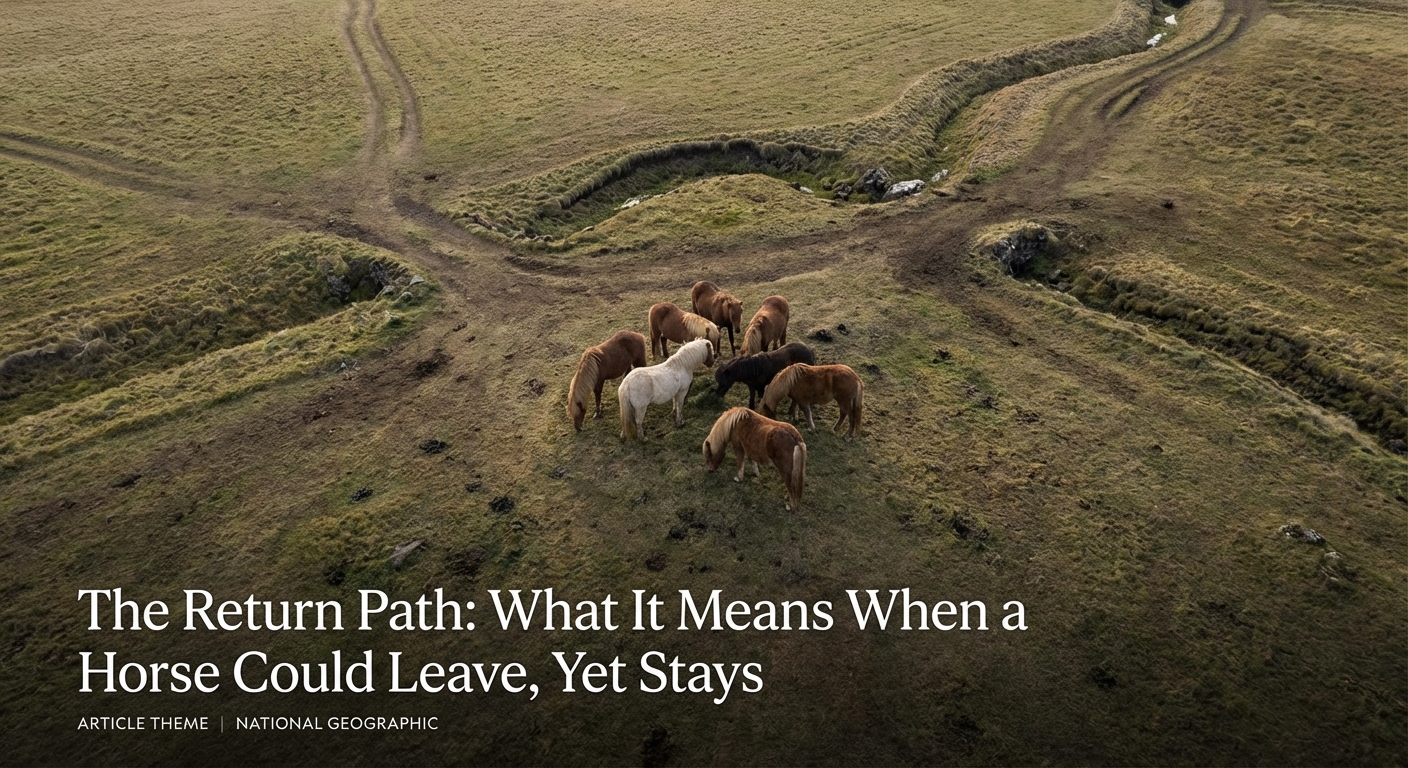
No Deadline for Belonging: Rethinking the 'Critical Bond' With Horses
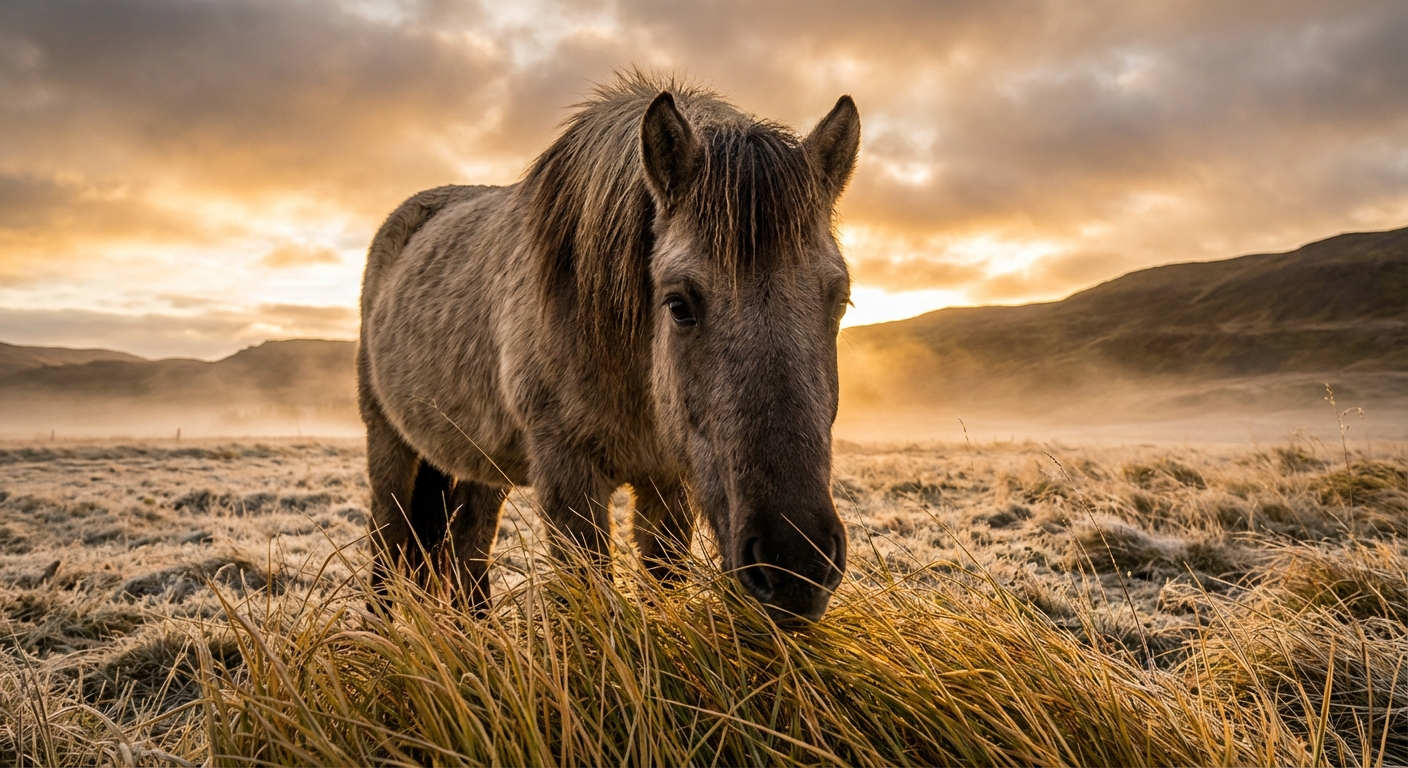
I once observed a young horse lingering at the periphery of his herd, his posture resembling a living punctuation of uncertainty. He wasn't frightened, not precisely—he was simply withholding his decision. The humans nearby spoke with that familiar urgency we adopt when we believe an opportunity is slipping away: seize this moment, don't let it pass, forge the connection now before it's too late.
Yet the horse paid no attention to calendars or clocks. His attention was fixed on something else entirely: the quality of energy emanating from a body, the reliability of a given space, whether the world remained constant from one breath to the next. How often do we, too, sense the atmosphere around another person before we ever hear their words—reading safety not through promises, but through presence?
We are drawn, particularly with the young, to view connection as a singular chance that must be seized. Miss the right moment, and the door closes forever. But the practical wisdom that emerges from lived experience—gathered at the barn rather than in the laboratory—proves both gentler and more exacting: horses perceive us as we truly are, not as we wish to appear. They answer patience with openness. Authentic relationship emerges through synchronized rhythms, the familiarity of a voice, and the slow accumulation of earned trust. Perhaps we would find our human relationships similarly transformed if we released our grip on perfect timing and instead committed to showing up, imperfectly but consistently, again and again.
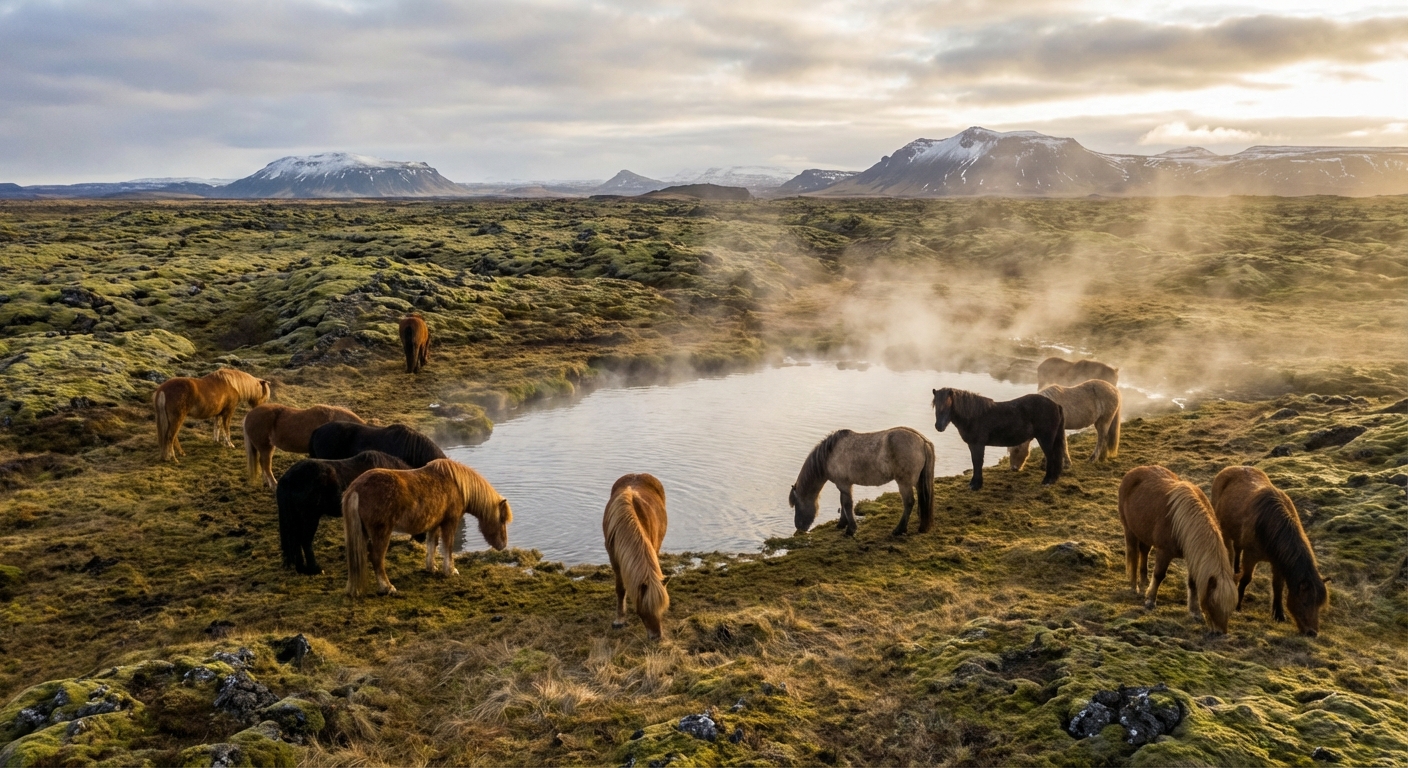
Within a herd, belonging unfolds without ceremony or declaration. One horse defers at the feeding station, then later claims her ground at the water trough. Movement begins when one initiates and another consents, and then a third alters the trajectory entirely. There is no singular, unchanging authority who stamps the bond as official; rather, it is an ongoing series of modest, repeated exchanges through which each member learns what to anticipate from the others. Our own communities might flourish more deeply if we understood belonging not as a status to be achieved, but as a living negotiation we enter into daily.
This is precisely why the notion of a rigid "imprinting" window feels so peculiarly human in its construction. It transforms the organic process of coexistence into a timed project, a task to be completed before the buzzer sounds. Horses, by contrast, appear to seek coherence above all: a presence that is tranquil, lucid, and unwavering—one that becomes a dependable feature of their world. When they discover such a presence, they have no need to be captured by a fleeting moment; instead, they gradually settle into a rhythm of trust.
Perhaps the truest form of bonding is the one that refuses to announce itself as urgent. It is the form that quietly declares: I will remain steady in this place, returning again and again, until your very being accepts it as truth. What might shift in our own lives if we approached love and friendship not as achievements to secure, but as offerings to renew?
If connection is something a horse bestows only when safety becomes tangible and real, what transformation awaits us when we cease treating bonding as a critical window we must navigate flawlessly—and begin treating it as a way of being we faithfully return to?
Equine Notion
https://equinenotion.com/