No Permanent Boss: How Space and Forage Choice Keep a Herd Flexible

Hook
On certain days, a single horse appears to govern the entire pasture.
Yet by tomorrow, the arrangement has dissolved into something else entirely.
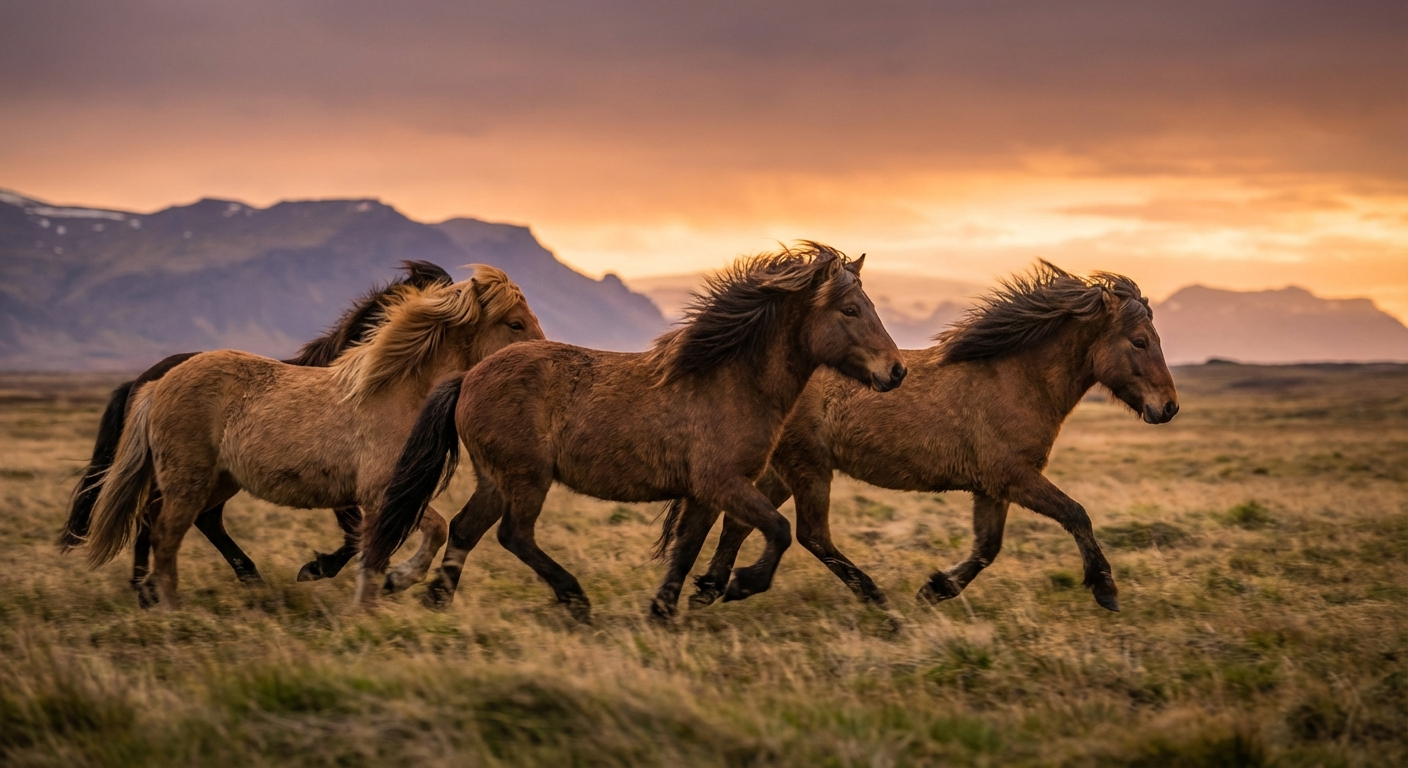
This shift occurs not because anyone challenged the existing order, but because the day's circumstances transformed: the places the herd gravitates toward, the foods that call to them, the expanse available for dispersal.
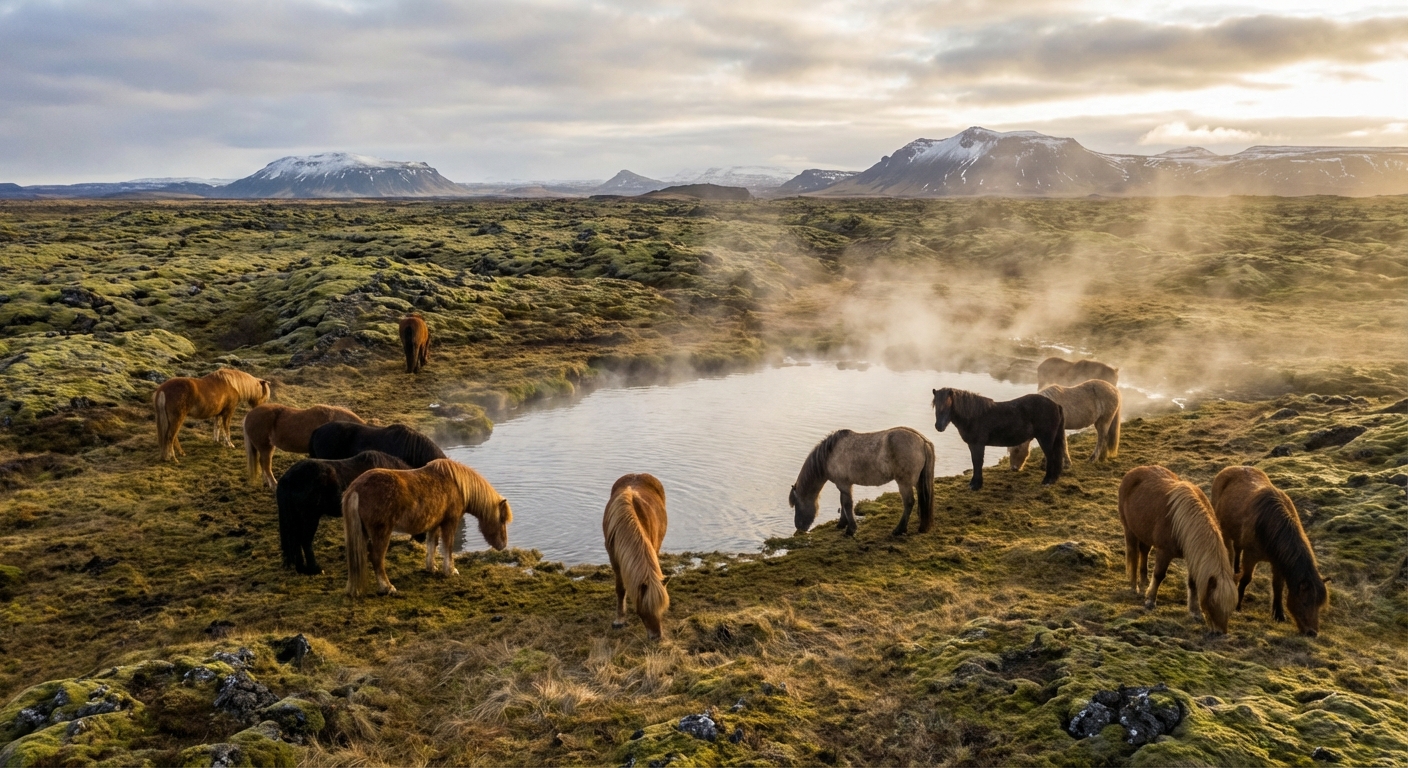
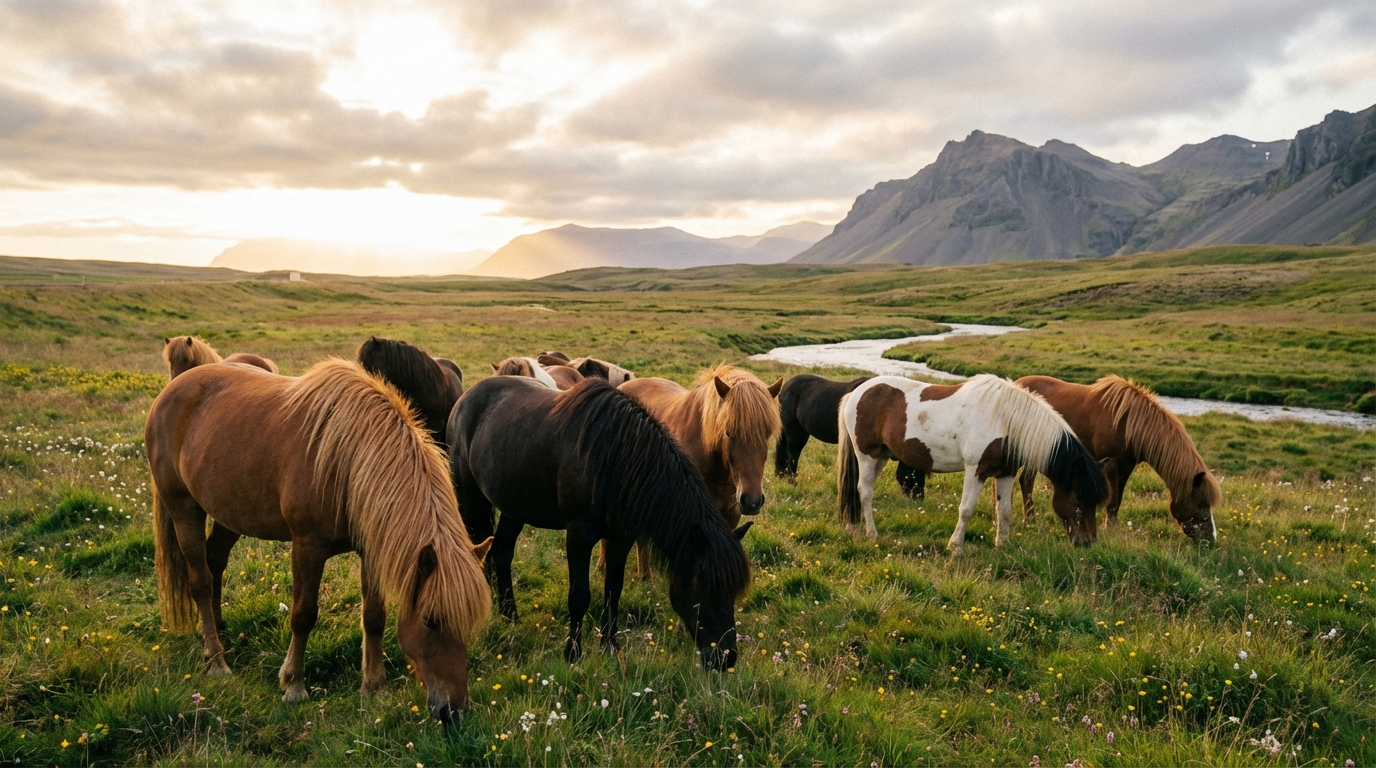
In our arrangement, the horses possess the majority of the terrain. We have even enclosed the modest zone surrounding our dwelling, creating the curious impression that we are the contained ones while they traverse the broader world. Within such a landscape, a fixed hierarchy of dominance proves difficult to sustain—simply because there exist too many pathways through an ordinary hour.
1) Fluid roles appear when there is room to disagree
A static pecking order demands perpetual reinforcement: identical narrow corridors, the same bottlenecks, the same predictable locations where one animal can dictate another's movements.
Expansive terrain disrupts this pattern.
When the horses have access to most of the property, there is less compulsion to channel every member into a single corner of existence. They can select an alternative stretch of earth, choose a more circuitous path, or linger without becoming ensnared in a constricted social passage. This does not eliminate social dynamics; it reshapes their expression. Rather than "one commands," something gentler emerges: modest, practical choices that vary with geography.
When the surroundings permit it, a horse need not triumph. They can simply relocate.
We might ask ourselves: how many of our own conflicts arise not from genuine disagreement, but from the absence of room to step aside?
2) The fence around the humans changes the story
Enclosing the area around our home accomplishes something unexpectedly profound: it inverts the conventional narrative.
In most settings, horses are the creatures confined to cramped enclosures. Here, the inverse sensation can arise—humans occupying a small, bounded space while horses enjoy the broader realm.
This reversal carries weight for social dynamics because it diminishes the human impulse to orchestrate every exchange. When horses are not perpetually shuttled between tight compartments, their bonds are not perpetually disrupted by human intervention. The herd can preserve its own continuity from one hour into the next.
And when a herd retains its memory, roles can remain supple rather than imposed.
Perhaps we too flourish most when we are witnessed rather than managed—when our relationships are allowed to carry their own history forward.
3) Clock-free feeding supports social flexibility
We have also abandoned feeding on a predetermined schedule.
This single decision can alter the emotional atmosphere of the entire group. A fixed timetable breeds anticipation that crystallizes into strain—everyone waiting simultaneously, everyone converging at once, social tension cresting precisely on schedule.
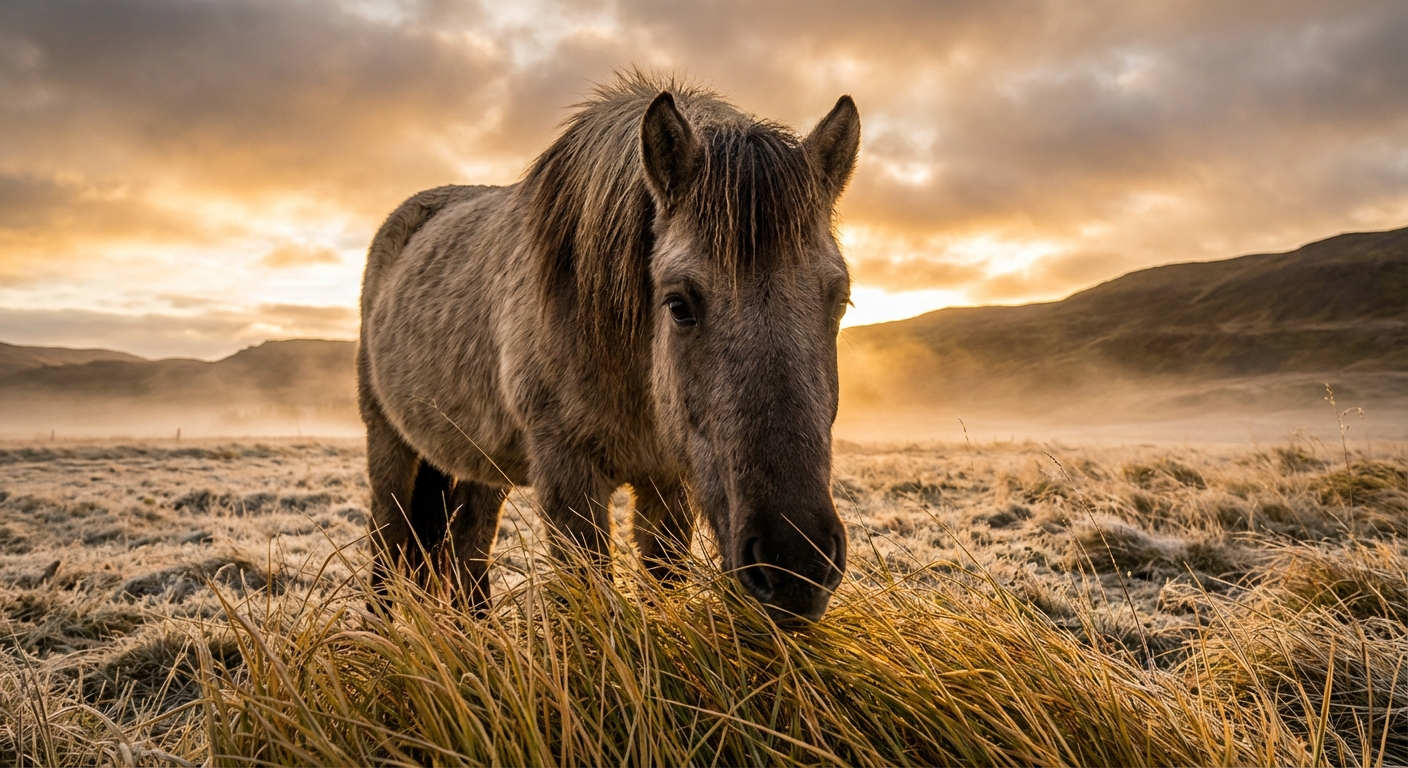
Instead, we aim to encourage instinctive foraging patterns. The horses have access to varied hays and wild-growing herbs, enabling them to seek what their bodies require. In such a day, nourishment becomes something woven through time rather than an event triggered like an alarm.
When eating is not concentrated into a single charged moment, it becomes far more difficult for any one horse to dominate the occasion.
There is wisdom here for human communities: when we distribute resources across time and space rather than forcing everyone to compete at the same instant, we dissolve the conditions that breed domination.
4) Variety in forage prevents a single point of control
A rigid social order often crystallizes around resources: one superior pile, one constricted feeder, one location where all must converge.
Yet a foraging landscape rich with alternatives transforms this dynamic.
When horses can wander between diverse hay varieties and wild herbs, the group is not compelled toward a single collective decision. One horse can drift toward their preference while another selects something different. The social emphasis migrates from defending toward choosing.
This is precisely where the fluid arrangement becomes invisible to those anticipating conflict. It can appear unremarkable—merely lowered heads, small migrations, momentary pauses. Yet the absence of a singular high-stakes chokepoint is exactly what renders status less calcified. Influence becomes contextual: the horse who holds sway at one location may be inconsequential at another.
In our own lives, we might consider how often power concentrates not because of inherent superiority, but because we have designed systems with too few doors.
5) Coexistence without riding: observing instead of assigning
A human who neither rides nor trains occupies a different role entirely.
Not to impose structure, but to perceive what already functions.
Across a spacious, accessible terrain, the herd reveals its organization through mundane choices: who advances first toward an appealing patch, who yields without resistance, who trails behind, who drifts apart, who returns. None of this demands that we designate a leader and construct our stewardship around that designation.
Coexistence grows quieter. We can cease hunting for "the one in charge" and begin attending to circumstance:
- What shifted in the surroundings?
- What possibilities exist in this moment?
- How does the herd arrange itself when no one is compelled to gather at a single point?
This is not passive neglect. It is purposeful restraint. It is selecting an environment—space, accessibility, diversity—that permits the horses to continue organizing themselves without requiring our arbitration.
The deepest form of care is sometimes the creation of conditions where others can solve their own problems.
6) Designing for choice is the most practical way to avoid rigidity
If you wish for a herd to remain adaptable, you need not develop a theory about who supersedes whom.
You require circumstances in which adaptability can exist.
Granting the horses access to most of the land is one element. Nourishing them in ways that awaken natural foraging instincts is another. Providing varied hays and wild herbs sustains intuitive selection, and the absence of scheduled feeding times reduces the daily crescendo where social pressure can solidify.
Woven together, these choices communicate a steady truth to the horses: there is sufficient time, there is adequate room, and there exists more than one acceptable path.
Within that message, rigid hierarchy finds little purchase. What emerges instead is a living architecture—roles that can transform with the hour, the appetite, and the direction the wind happens to guide the herd next.
Equine Notion
https://equinenotion.com/