Oak at the Edge of the Field: Letting Wounds Be Quiet Without Turning Nature Into a Recipe
Oak at the Edge of the Field: Letting Wounds Be Quiet Without Turning Nature Into a Recipe
How do we hold our understanding when it refuses to become precise enough to grant us the comfort of certainty?
This question returns to me each time someone speaks of tannin-laden, astringent botanicals in the context of healing, and oak emerges like a well-worn archetype. It's a tempting narrative to embrace: the land as apothecary, the perfect leaf as solution, the human as wise intermediary. Yet living alongside horses continually draws me toward a different form of assistance—one that resembles permission far more than provision. Perhaps we, too, might consider what it means to help by stepping back, to offer presence rather than prescription in our own relationships.
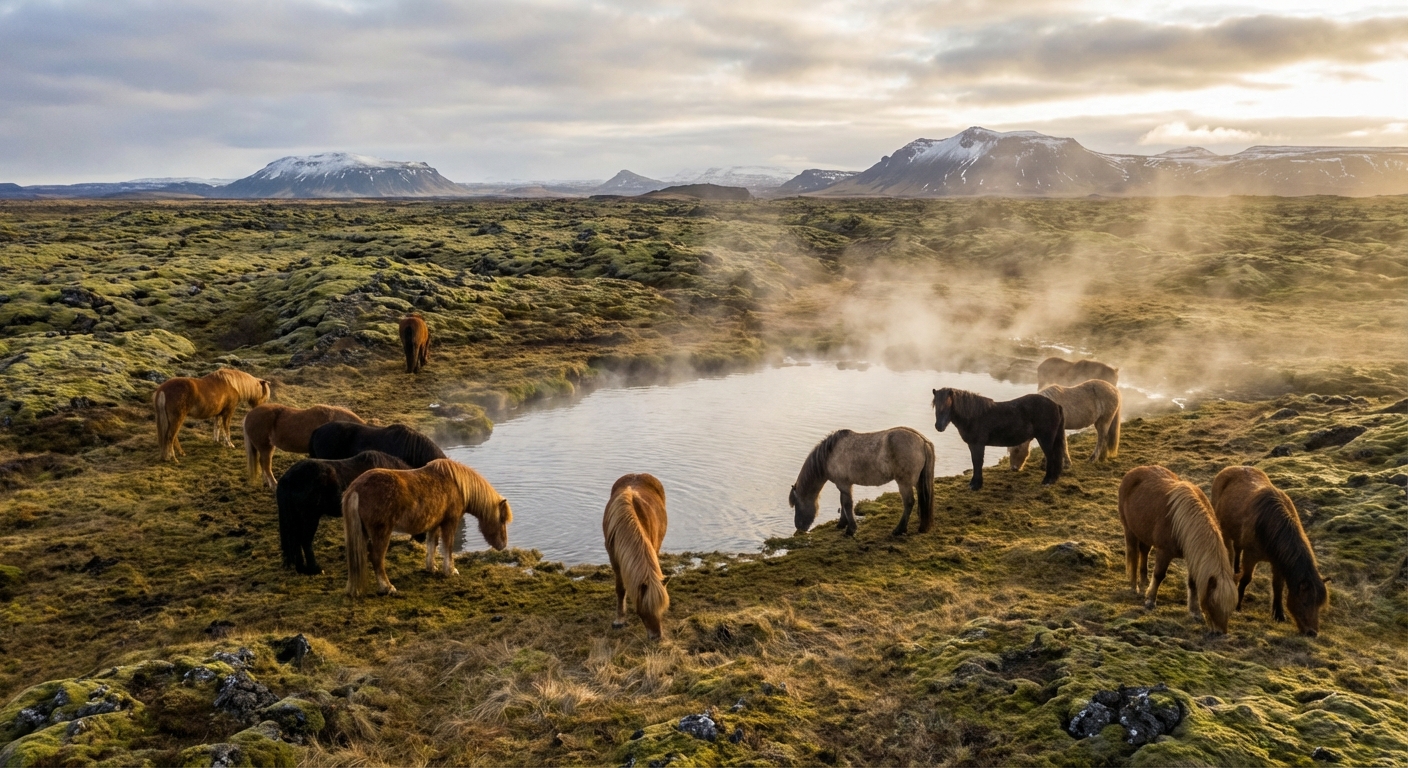
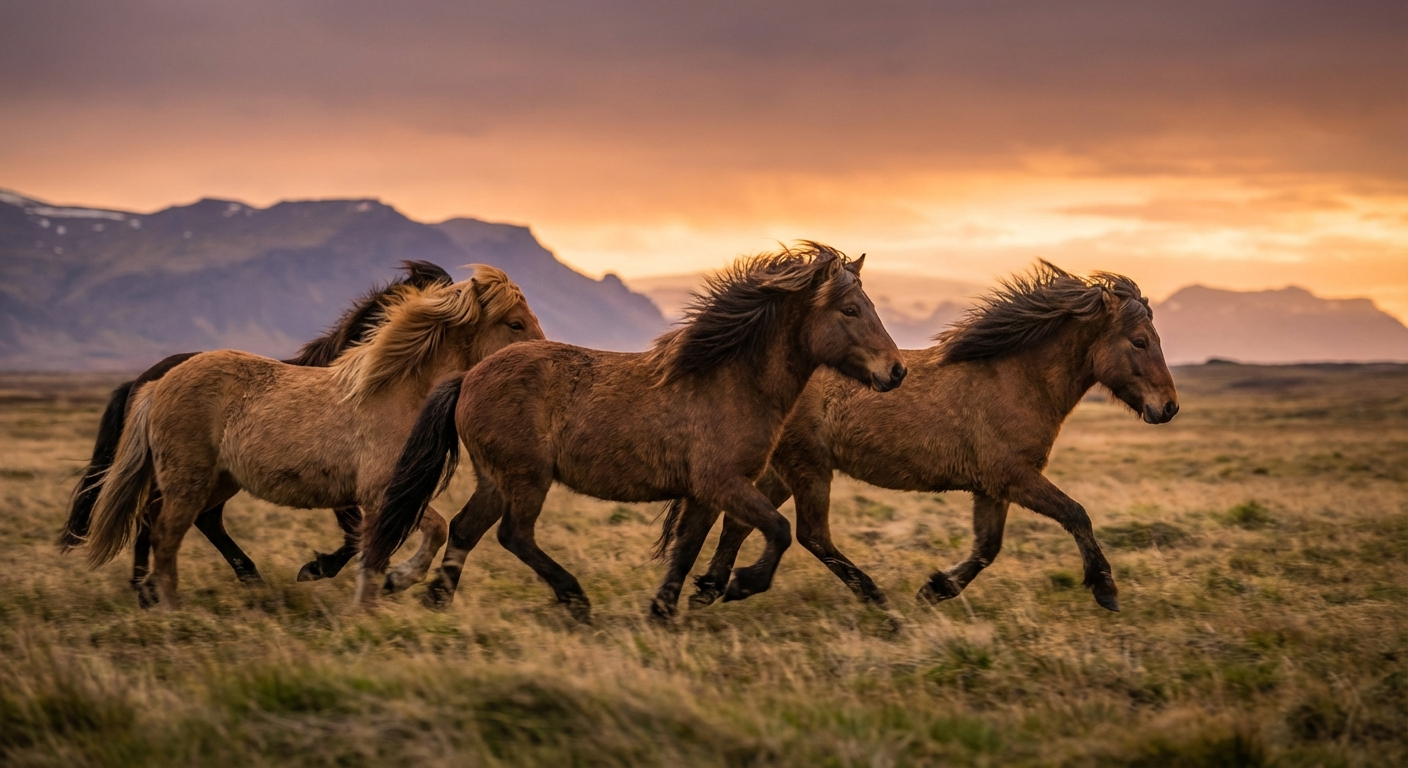
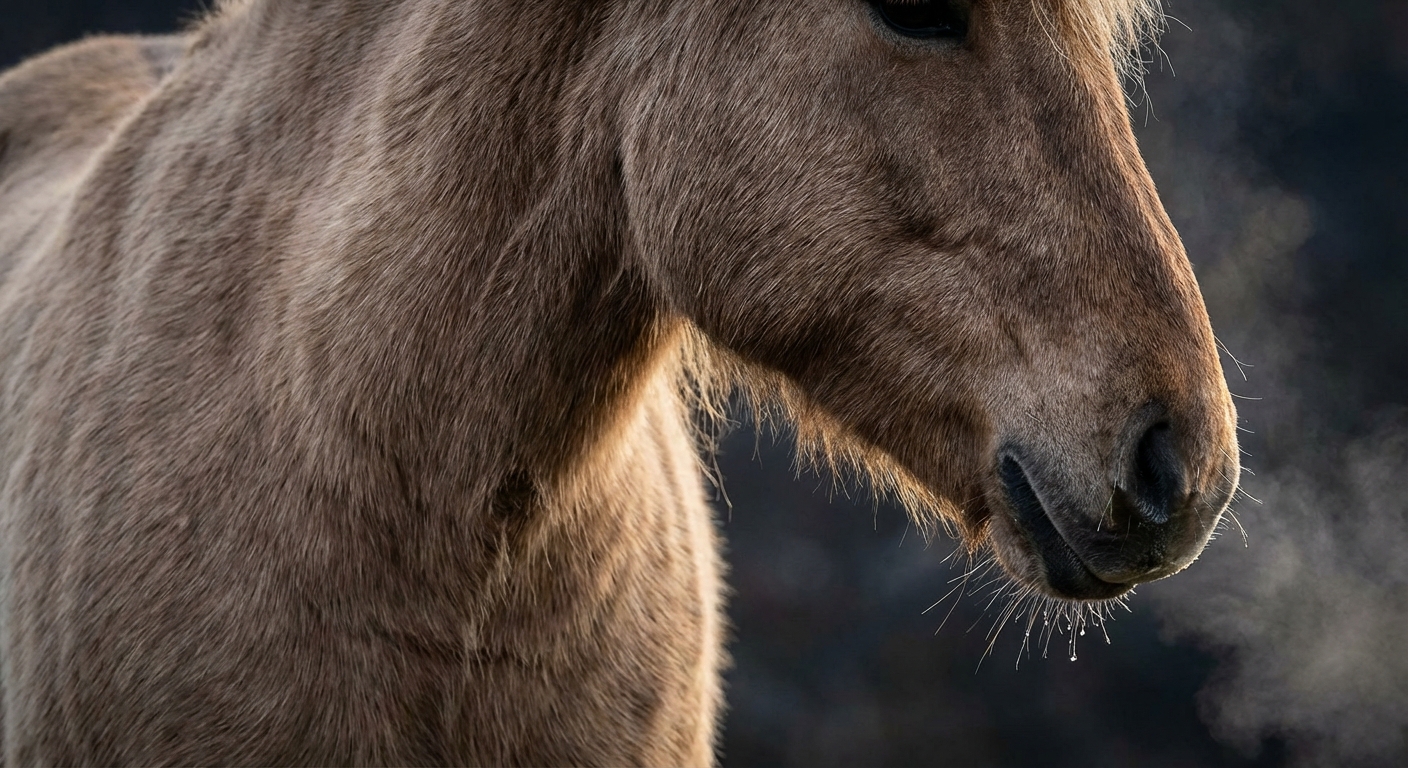
Horses inhabit a realm of quiet, pragmatic choices: where to position themselves, when to shift, what to consume, when to dust themselves against the earth, when to seek companionship, when to embrace solitude. We already acknowledge that they navigate their surroundings in ways that remain opaque to our understanding—mud for solace, earth for minerals they may lack, vegetation selected through an instinct we cannot fully interpret. Self-medication is no romanticized notion here; it is merely another testament to nature's capacity for maintenance without seeking approval. How often do we dismiss our own quiet instincts, the body's subtle requests that require no explanation?
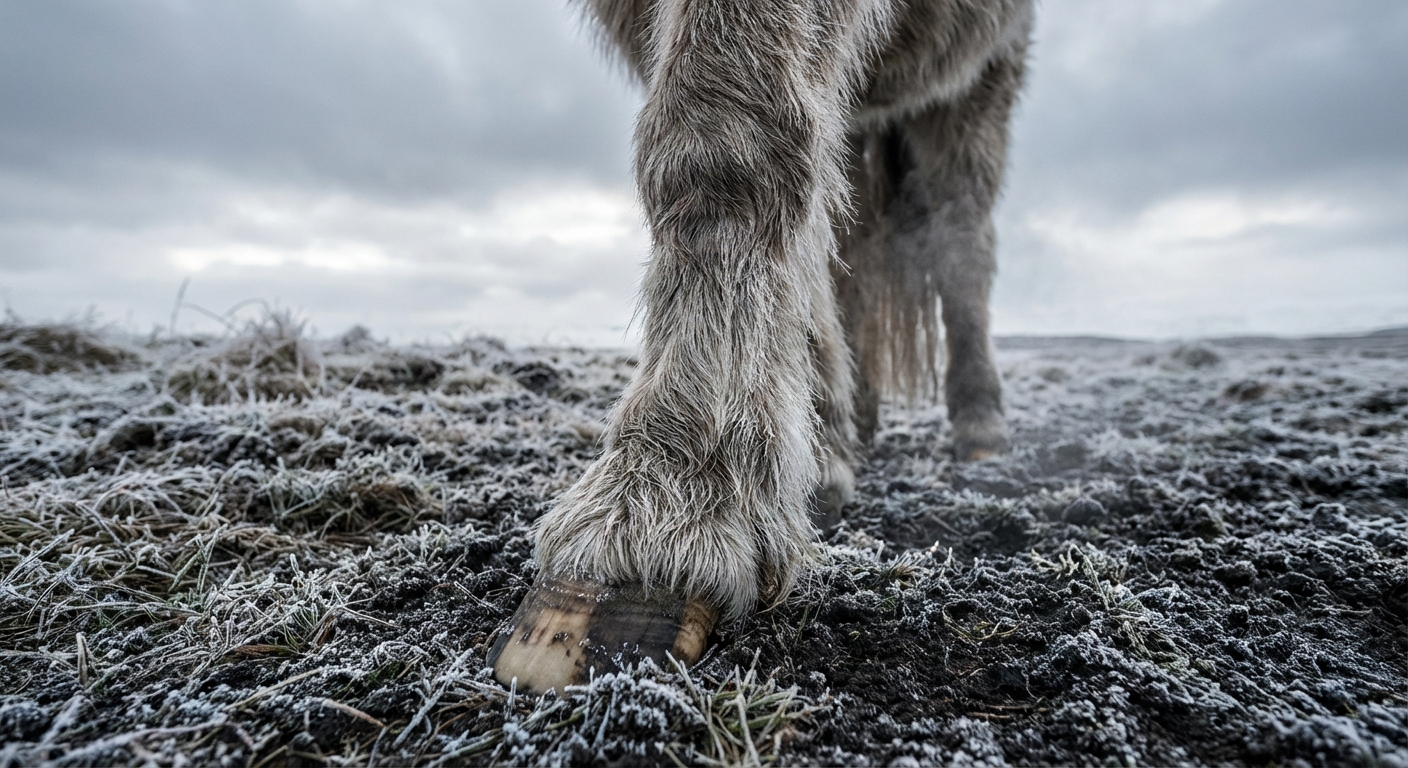
When a wound appears, an abrasion or tender spot, my immediate reflex remains to act, to intervene. And yet, the longer I observe a horse dwelling in open air, the more apparent it becomes how swiftly my well-meaning interference can become intrusion. The paradox of protection reveals itself gently: the more zealously I attempt to buffer a body from its world, the fewer opportunities it has to find its own equilibrium within it. Sometimes the most compassionate gesture is maintaining the essentials—room to wander, unbroken access to forage that nourishes the whole being, social tranquility—and refusing to transform recovery into a narrative requiring a savior. We might ask ourselves how often our eagerness to fix becomes the very obstacle to another's healing.
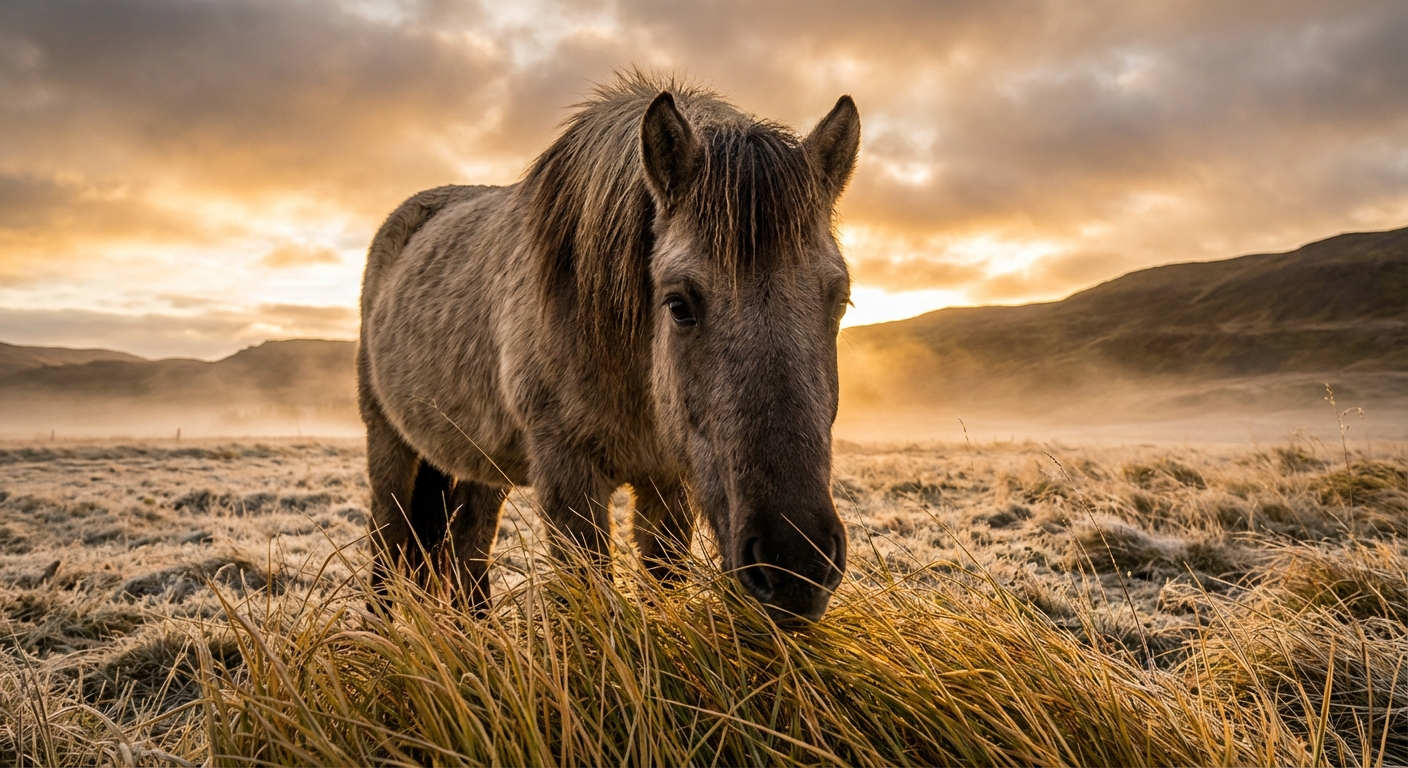
Oak may stand near the enclosure, or it may not. What matters, to my mind, is not anointing any single plant as the remedy, but preserving an environment abundant enough that options remain available—and cultivating a quality of attention patient enough to witness what the horse selects when no one is orchestrating the moment.
Equine Notion
https://equinenotion.com/