The Paper Label vs the Grazing Body: Choosing EU Organic Imports Without Forgetting the Horse
Hook
The first thing that catches my attention isn't the bale.
It's the hesitation.
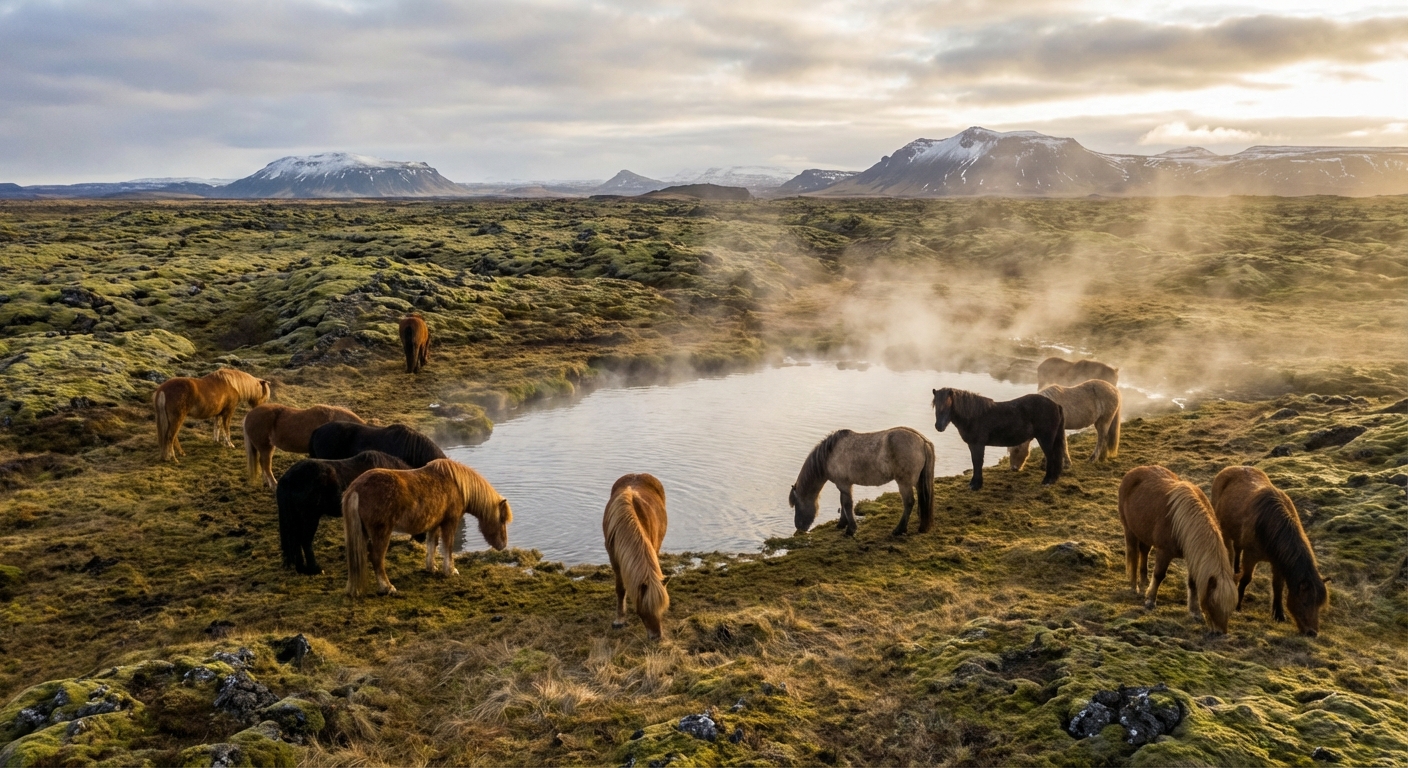
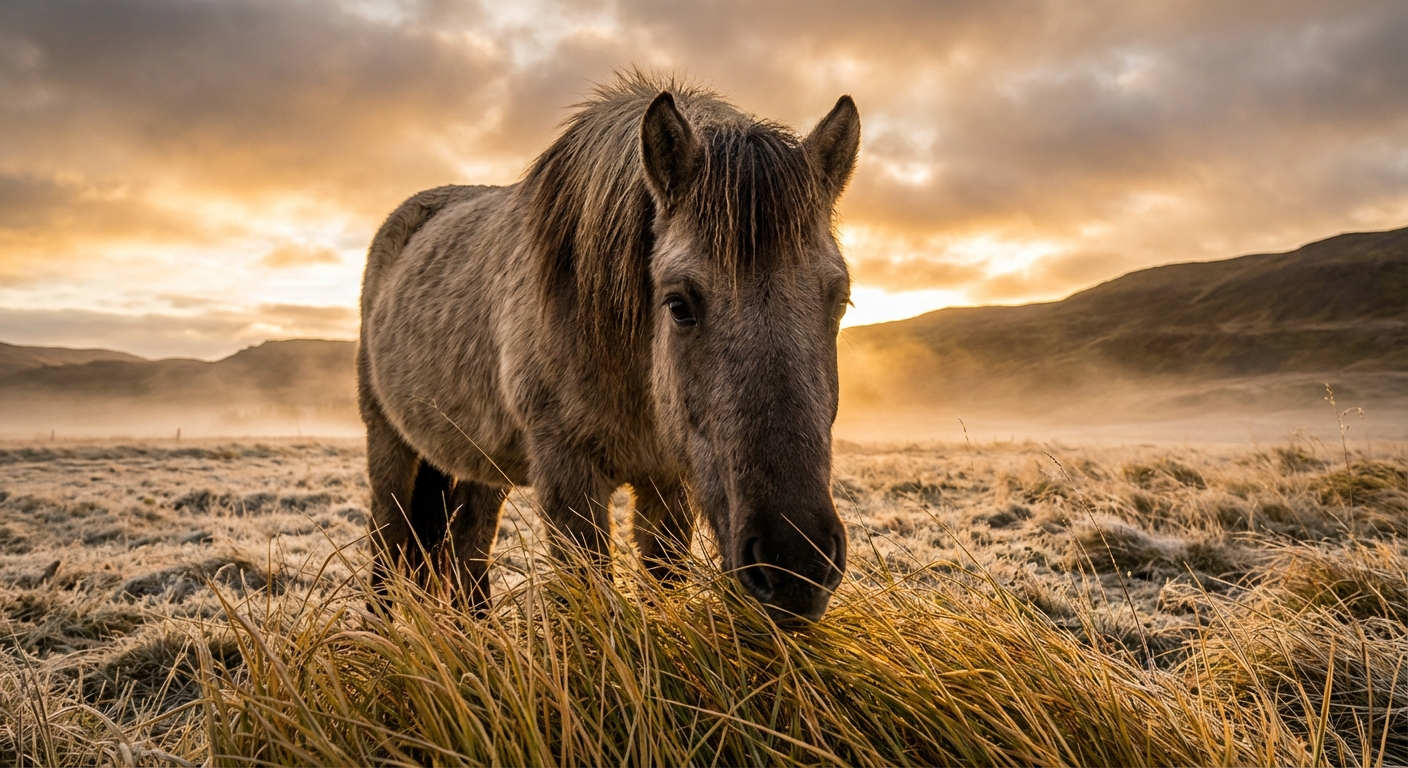
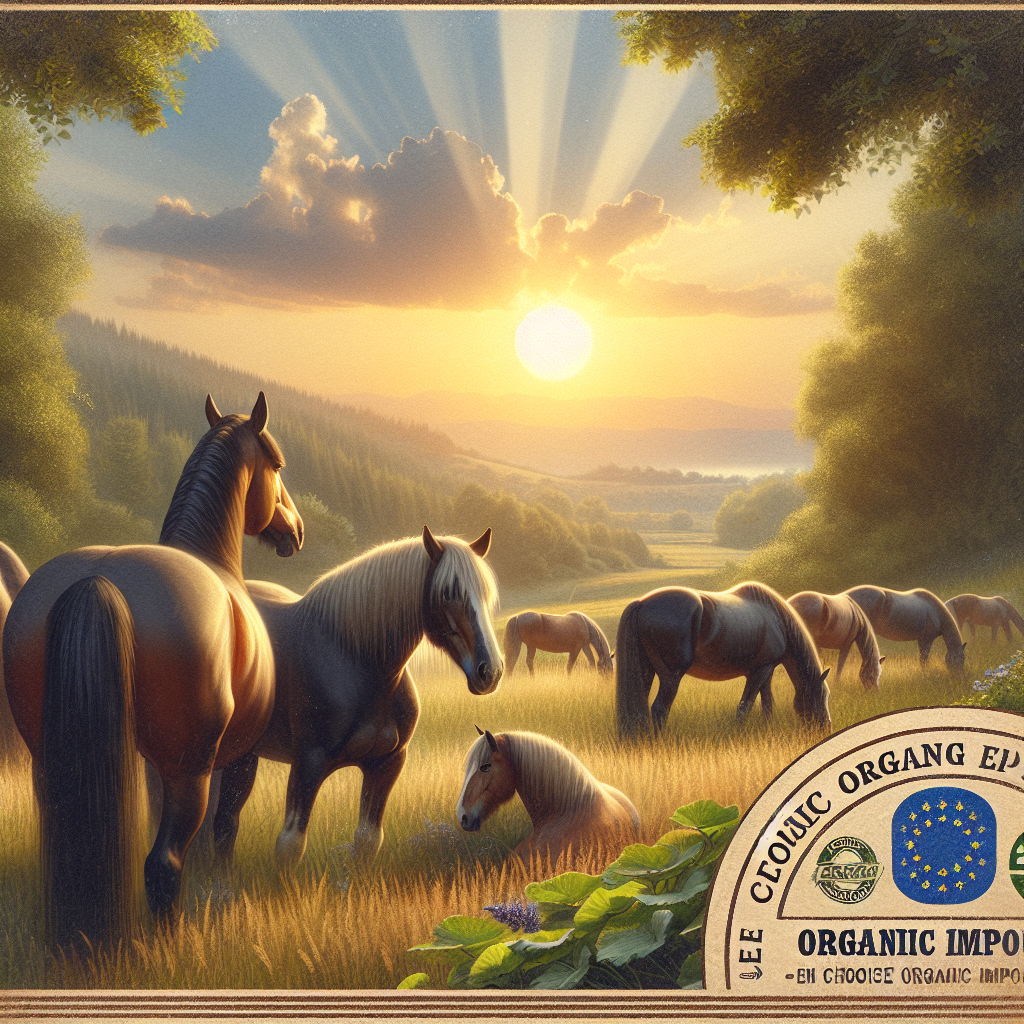
A horse approaches, grabs a few wisps, then moves back as though still making up their mind. A second horse comes over, investigates the same hay, and dives in. A third ignores them entirely and wanders off searching for alternatives. In these moments, "feed" ceases to be a commodity and transforms into a living dialogue: among preference, physiology, and social territory.
That's the reason EU organic imports interest me—though not in the way most people assume. The certification can contribute to the narrative. It simply isn't the complete narrative.
1) What an "EU organic" label can't tell you from the gate
Organic feed from abroad frequently comes with a sense of comfort: at last, something pure, something certified, something that seems like a conscientious decision.
But horses don't consume paperwork. They consume as browsers.
When we share space with horses (without riding, without schooling, without attempting to control every action), feeding shifts from managing inputs toward supporting their innate way of gathering data: a nibble here, a wait, a comeback later. If we limit food to one standardized "optimal" choice—regardless of how organic—we risk converting a dynamic process into a fixed habit.
So I view imported organic feed as one potential component within a larger setting, not as the answer.
2) From "fixed times" to foraging: the most practical shift
In my personal practice, I don't offer meals at rigid scheduled times. I aim to promote natural browsing whenever I can.
That choice transforms what "organic import" signifies in everyday reality. If the objective is to encourage instinctive grazing and selecting, then the question isn't solely whether something carries EU organic status. The question is whether the entire arrangement allows the horse to eat in a manner that mirrors how they would select food throughout a day: revisiting, tasting, departing, exploring.
That's why I concentrate on providing access to various types of hay and native plants. The goal isn't to complicate feeding. The goal is to make it choosable. When horses have options, they can pursue their instincts toward whatever they appear to require.
Organic imports can work within this framework—particularly when they help expand diversity—but they cannot substitute for the underlying principle.
3) Variety as a form of respect (not a luxury)
Coexistence, in my view, stems from respect: not as an emotion, but as an everyday design decision.
Offering various kinds of hay and access to wild plants is among the most obvious ways to demonstrate that respect. It regards the horse as an engaged participant instead of a passive recipient.
And it frequently appears remarkably unremarkable:
- One horse gravitates toward a particular hay initially, then wanders off.
- Another horse comes back to the same spot repeatedly, but in brief sessions.
- A third horse dedicates more time exploring the herbs.
None of this should be read as "fussy" or "problematic." It can merely be the horse behaving as horses behave when we provide them space: choosing.
If EU organic imports form part of your feeding approach, think about using them to expand choices, not to limit them.
4) A herd perspective: food is also social space
Feeding is never purely nutritional. Within a herd, it's equally about connections.
You can discover much by observing who opts to position themselves near whom during eating and resting, and which combinations recur consistently. You can spot bonding moments—reciprocal grooming, peaceful following, communal resting—and then witness how those bonds manifest around meals.
Near resources, the dynamics are frequently nuanced:
- One horse gives way without stress.
- Another permits a friend to approach closely.
- Two navigate past each other at a tight spot with calm, rehearsed courtesy.
This is relevant for "organic import" choices because a single valued food source can inadvertently become a social flashpoint. Even when no clear conflict occurs, the necessity to line up, hold back, or steer clear can alter how peaceful eating becomes.
If the feeding setup accommodates multiple options, the herd can work out access through gentler cues—ear movements, head rotations, a change in body position, a sidestep—rather than being forced into closer rivalry.
5) Reading the small signals: the horse's feedback is already there
When people discuss feeding decisions, they frequently turn to guidelines. I favor watching.
Not schooling observation. Not "what's my next move" observation. Simply pasture-level awareness.
Notice the subtle communication:
- The ear that swivels back before a horse shifts course.
- The head that rotates as a gentle request for room.
- The body that pivots away, welcoming a peaceful pass-by.
These instances can reveal whether your feeding decisions—imported organic or not—are fostering calm or generating avoidable stress.
And the greatest advantage is that you needn't manage it. Horses are typically skilled at organizing themselves when the surroundings offer them sufficient space to make minor, seamless adjustments.
6) Bringing it back to coexistence: choose "organic," keep it alive
If you're evaluating EU organic imports, you can embrace two realities simultaneously.
One: selecting organic feed can be a significant demonstration of caring.
Two: a certification cannot substitute for the lived experience of a horse who is designed to wander, taste, and choose.
Coexistence without riding or schooling encourages us to cease treating horses as undertakings. Feeding then shifts from being about flawless management toward supporting an organic cadence: access to diverse hay, access to wild plants, and sufficient room for the herd to navigate proximity and separation with gentle fluidity.
When we approach feeding this way, "organic" ceases to be a destination and transforms into something superior: a helpful element within a larger, more considerate approach to sharing life.
Equine Notion
https://equinenotion.com/