Proof, Then Presence: Letting Horses Live Without Waiting for Human Confirmation
Hook
What truly shifts in a pasture the moment we declare, "Now it's official"? And what remains utterly unchanged—because it never sought our approval to begin with?
Here lies the quiet friction at the heart of the contemporary horse–human bond: our hunger for verification, and the horse's utter disregard for it. When we share space without riding or training, this contrast grows more vivid. Stripped of any purpose to "accomplish" something, we become aware of how persistently we attempt to reduce a living creature to a verdict. Perhaps we might ask ourselves: how often do we do the same with the people and moments in our own lives—demanding proof before we allow ourselves to simply be present?
1) The human need for receipts
We crave documentation of what is real. We seek headlines, categories, tidy sequences of cause and effect. We gravitate toward what can be replicated, distilled, and pocketed as certainty.
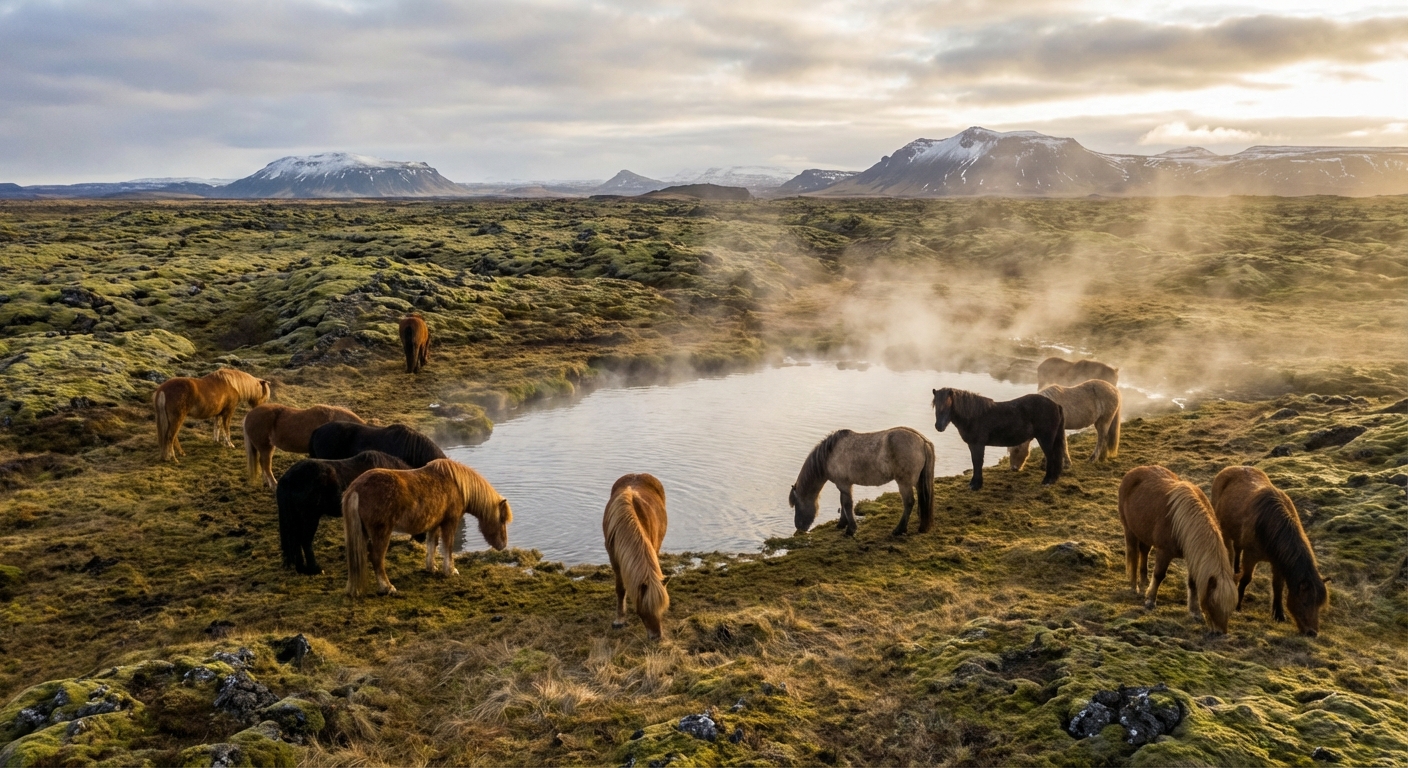
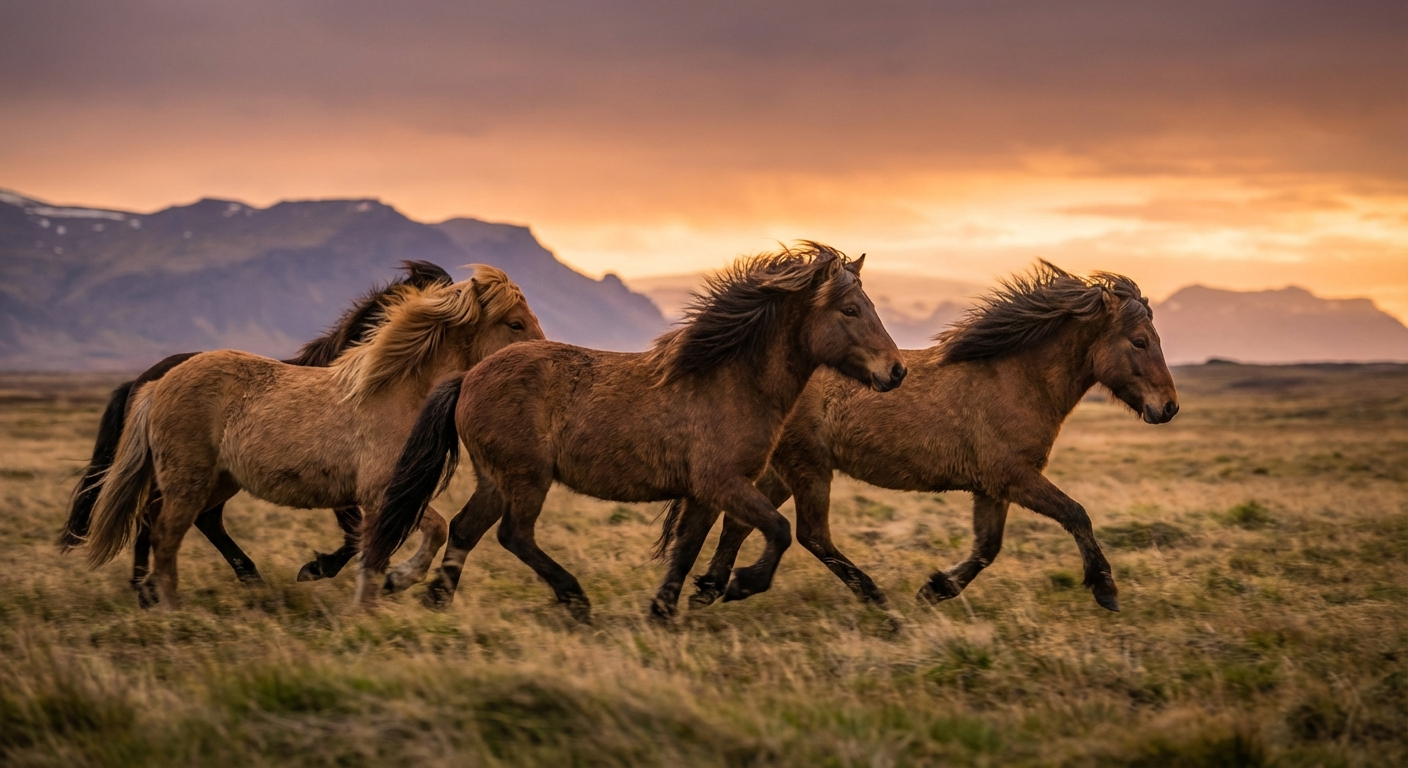
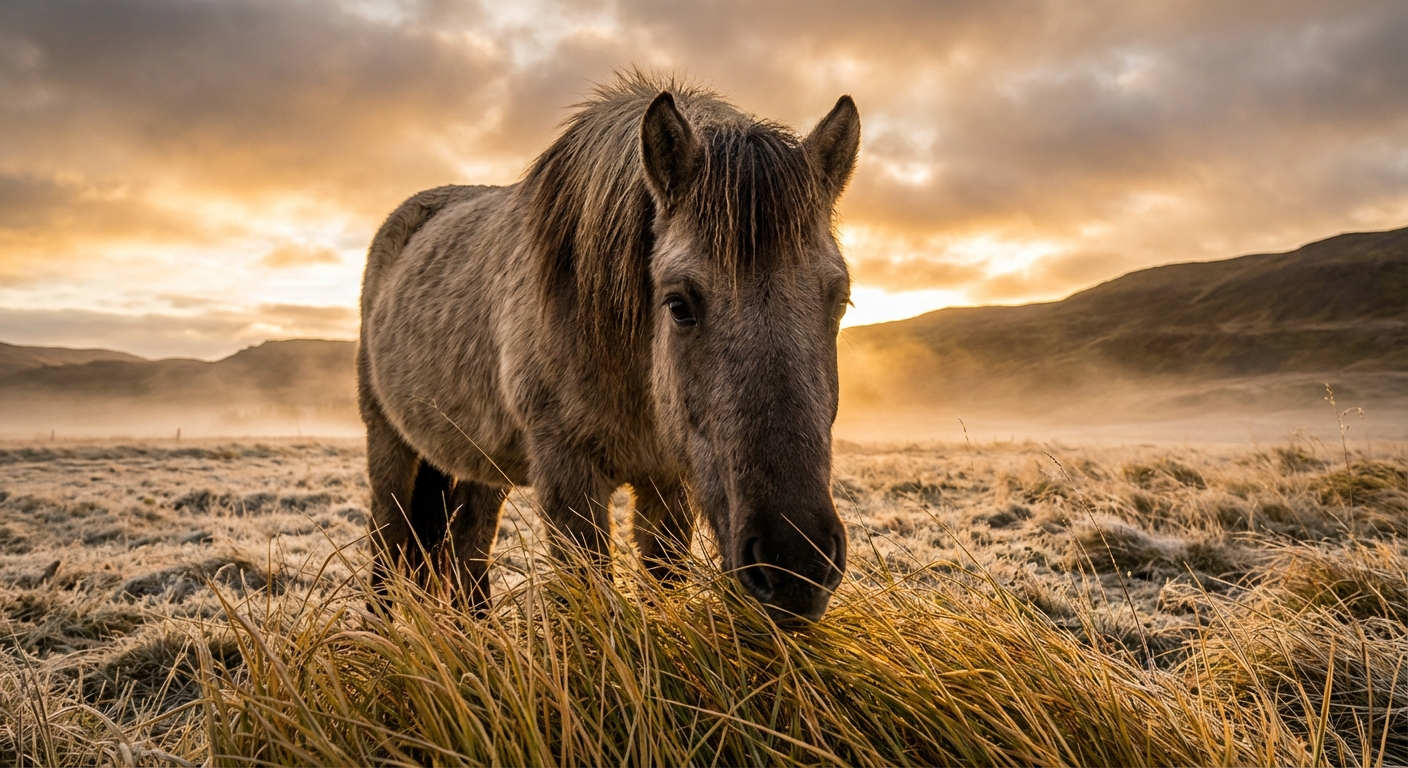
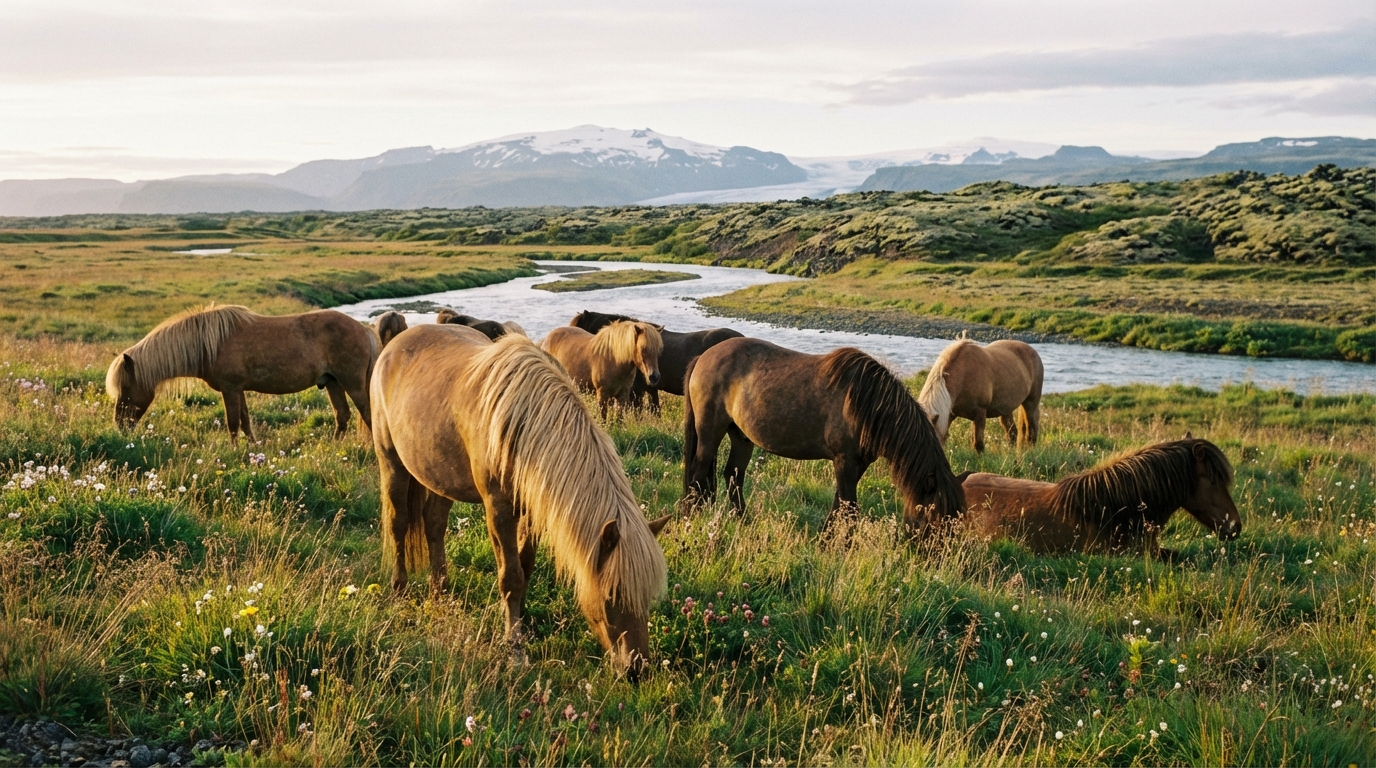
Yet in a life shared with horses—particularly one free from riding or training—certainty loses its throne. What reigns instead is continuity: the grazing, the wandering, the stillness, the selection of shade, of solitude, of companionship. A horse does not rise each morning yearning to be affirmed. A horse rises and exists.
When we pursue "science confirms" as the ultimate seal of truth, we risk relegating the horse's daily existence to a rough draft awaiting our approval. Coexistence offers a different path: allowing a horse's life to stand whole without our stamp of endorsement. In our own lives, we might recognize how often we withhold full acceptance of our experiences until some external authority validates them.
2) What a horse already practices, without naming it
A horse requires no language to be masterful at living. Much of what draws our admiration in horses is not something they "acquired" from us; it is something they persist in doing regardless of whether we take notice.
Coexistence permits us to observe that mastery without transforming it into spectacle. The horse adapts without declaration. The horse decides without justification. The horse conveys without announcement.
We humans often approach with an instinct to translate everything into framework: what it "signifies," what it "demonstrates," what it "reveals." But the horse's existence is not organized for our comprehension. It is organized to function. How much of our own wisdom operates the same way—effective long before we find words to explain it?
3) When confirmation becomes a new form of control
Even reverence can harden into dominion. "Science confirms what horses always knew" may sound like deference, yet it can become another method of gripping the reins—simply with a different grasp.
For once something is "confirmed," we tend to systematize it. We construct regulations. We establish benchmarks. We impose uniformity. We seize a living, contextual truth and strain to make it uniform across every day and every individual horse.
Coexistence without riding or training serves as protection against that urge. It does not prohibit understanding; it merely declines to convert understanding into obligation. In the field, we can observe without translating the observation into protocol. We might examine our own relationships through this lens: how often does our knowledge of another person become a tool for managing them rather than simply knowing them?
4) The field as a place where conclusions dissolve
A conclusion is punctuation that ends. The field is punctuation that continues.
When you linger near horses without any objective to fulfill, you start to sense how relentlessly your mind attempts to tie a ribbon around what you witnessed. You hunger for the summary: "So the lesson is…" But horses do not dispense lessons. They offer unfinished life.
Coexistence differs from gathering moments as evidence. It means appearing for what persists when you cease forcing it to occur. The field holds weather. The horses hold inclinations. The day holds cadence. None of it is staged to convince. It merely happens. Perhaps the most profound moments in human life share this quality—they ask nothing of us except our willingness to remain.
5) Being present without turning the horse into evidence
A horse is not a specimen for analysis. A horse is a relationship you are permitted to stand beside.
Coexistence calls for discipline: the capacity to observe without seizing. This does not mean rejecting understanding; it means rejecting the use of understanding as license for intrusion. It means recognizing that "confirmed" can become an opening—a pretext to press, modify, refine, and administer.
Without riding or training, we cultivate a different form of intimacy: one that does not require the horse to prove anything at our command. We can remain close without extracting from the moment. We can allow the horse to retain its mystery, even when standing in full view. This restraint—witnessing without claiming—may be one of the rarest gifts we can offer any being, including ourselves.
6) Letting "science confirms" become a softer sentence
If that phrase belongs anywhere in horse life, perhaps it belongs here: not as triumph, not as ammunition, not as marketing—but as an invitation to decelerate.
When we utter "confirmed," we might choose to hear something quieter beneath it: "We are finally noticing." And if we are finally noticing, we can also practice a more profound humility: the acknowledgment that the horse's existence was never suspended at the threshold of our comprehension.
Coexistence is the daily practice of honoring that truth. Not idealizing it, not commodifying it, not codifying it into creed—simply dwelling near horses in a manner that does not demand they be verified. In this, the horse becomes our teacher of presence: showing us that life need not be proven to be fully, beautifully lived.
Equine Notion
https://equinenotion.com/