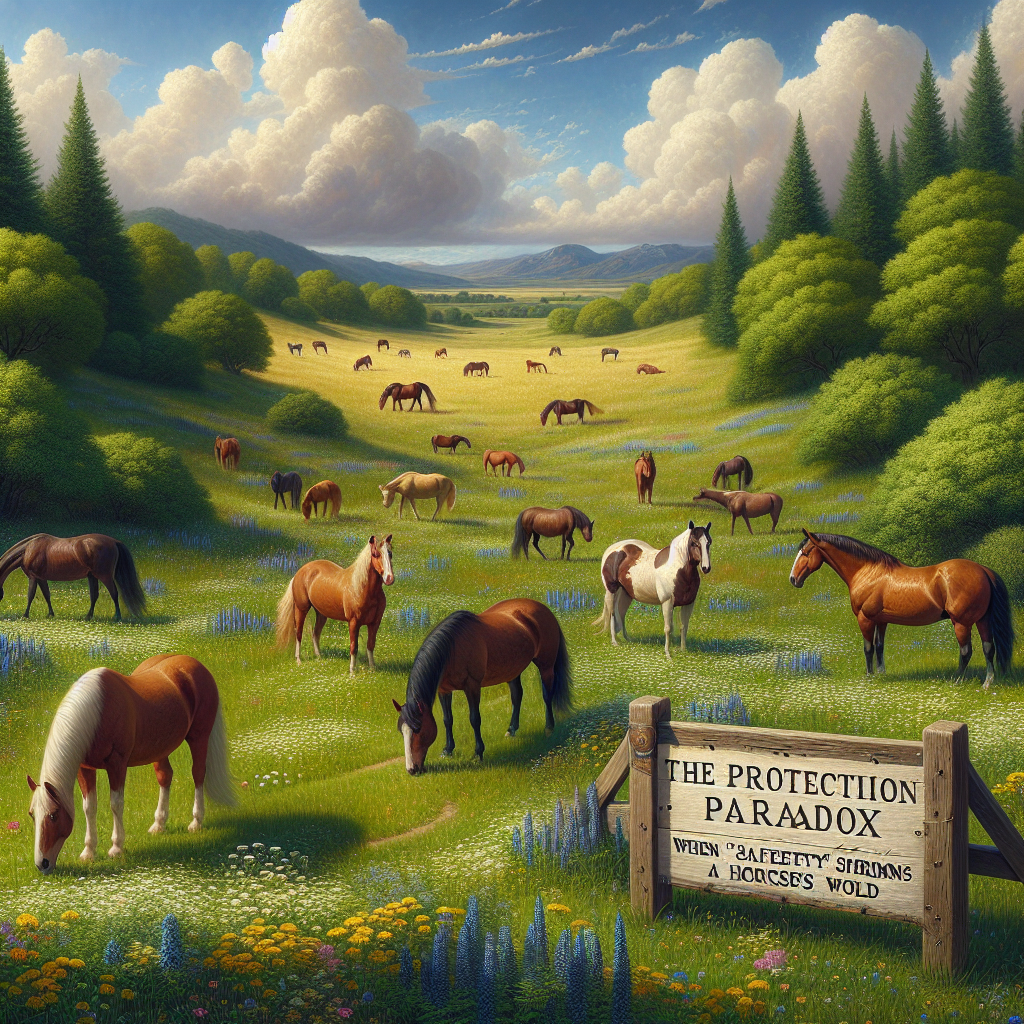
The Protection Paradox: When “Safety” Shrinks a Horse’s World

Hook
The way we talk about "protecting" horses can seem so benevolent that it avoids examination. Shut the gate. Manage the routine. Eliminate unpredictability. Create a controlled setting.
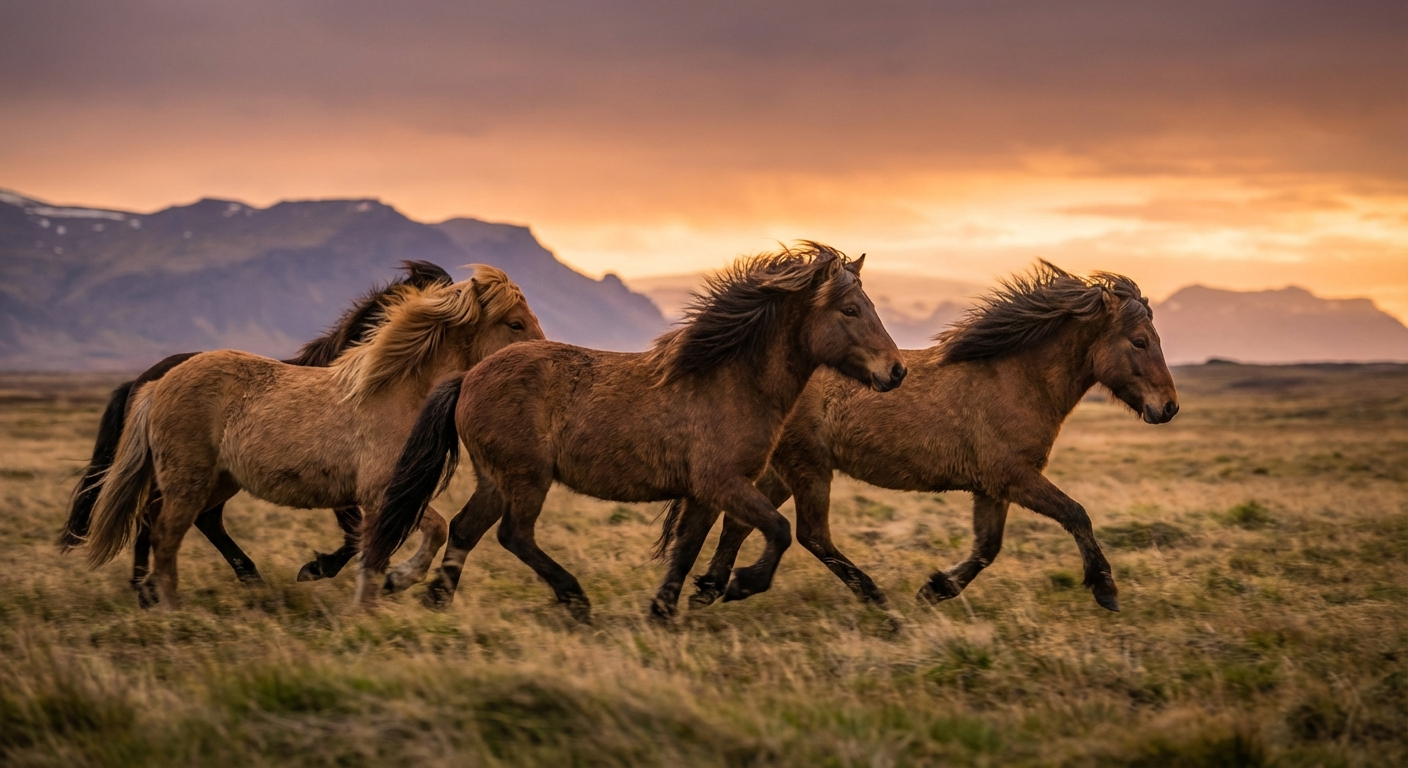
Yet, this very instinct can shrink a horse's existence until safety begins to mean something different: reduced movement, diminished options, weakened ability to act on instincts that previously maintained physical balance.
This represents the protection paradox—when avoiding danger transforms into its own kind of damage.
1) Safety as Control, Safety as Capacity
Much of human caregiving revolves around management. When we can determine where a horse positions itself, when it receives food, and what it can reach, we feel we've fulfilled our responsibility.
However, there exists a different form of safety that isn't rooted in managing the horse. It emerges from developing the horse's ability to thrive: surroundings that nurture innate behaviors rather than substituting for them.
This distinction is significant. A restricted, regulated existence can appear orderly while remaining profoundly anxiety-inducing. A larger, more expansive life can seem "less managed" yet remain safer in the manner horses understand safety—through options, availability, and the freedom to respond instinctively.
2) The Small Box Problem: When "Protected" Means Locked Away
Frequently, horses find themselves confined to compact stalls. The motivation is typically protection: reduced unpredictability, lower injury risk, simpler oversight.
Yet the actual experience of this setup is a horse whose existence has been compressed into a container.
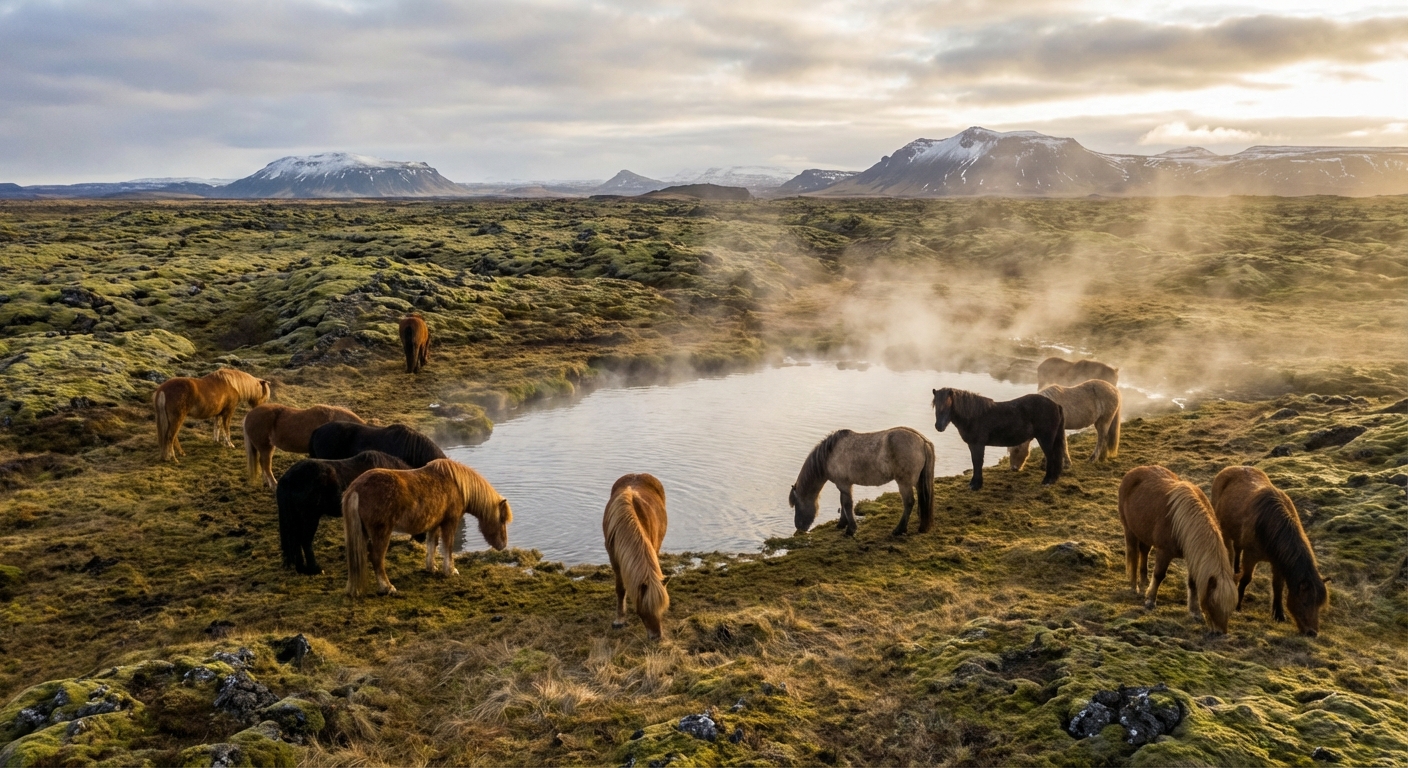
Compare this with deciding to make most of the property available to horses. When horses possess space—genuine space—the meaning of protection transforms. The surroundings cease being something forced upon them and become something they can explore.
What's remarkable is how this can flip the conventional image of who is restricted. When the property primarily serves the horses, the people might be the ones enclosed—residing in a compact fenced zone near the dwelling. The horses aren't the "confined" ones. The people are.
This inversion isn't merely an unusual observation. It's a declaration: protection need not require constraining the horse's existence. It can involve organizing human life around equine requirements instead.
3) The Clock as a Hazard: Feeding Schedules That Replace Foraging
Providing meals at set times represents another traditional example of "care as management." It's organized. It's quantifiable. It seems secure.
Yet the more you structure everything by the clock, the greater the risk of building a horse's existence around anticipation, expectation, and sudden changes. Rather than a continuous, organic rhythm of searching and choosing, the horse receives an on/off mechanism.
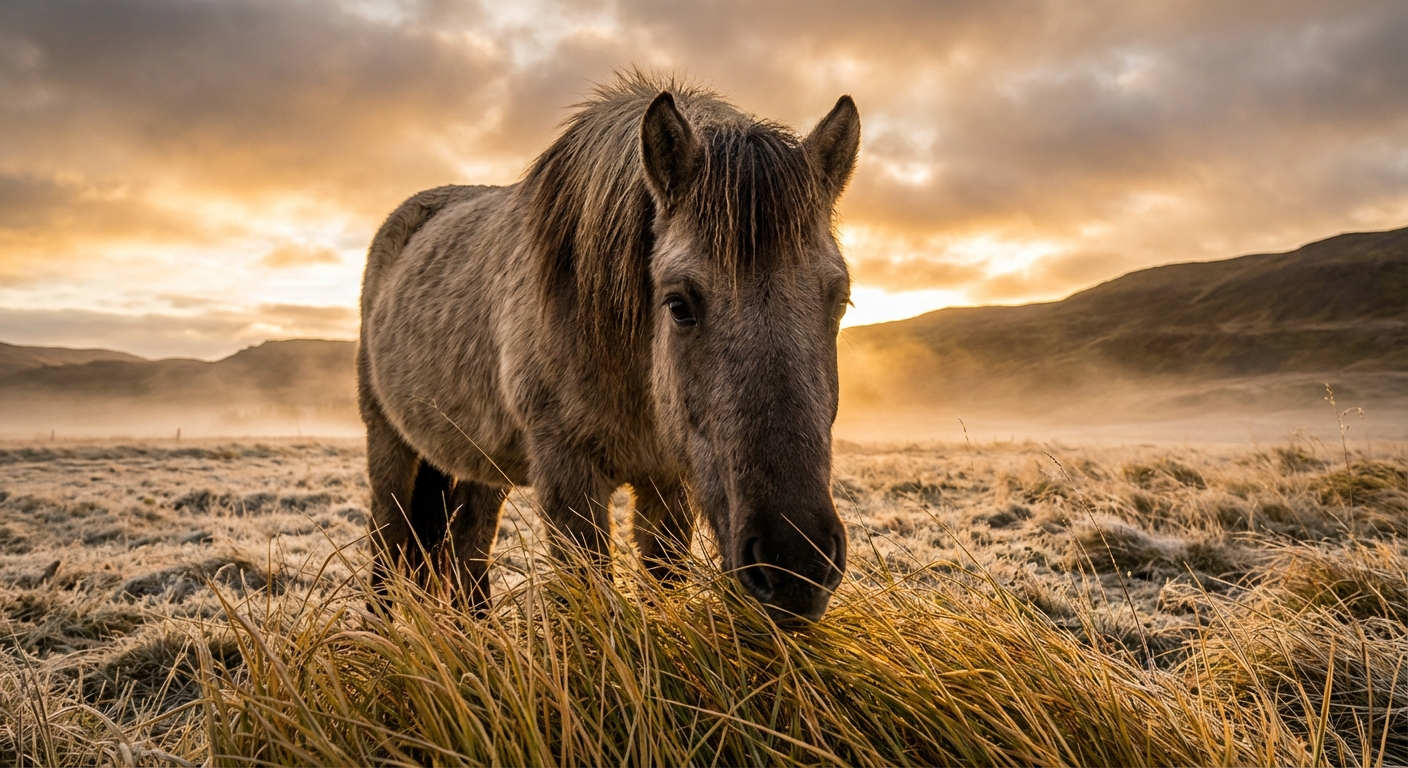
An alternative method focuses on natural grazing patterns: not delivering meals at predetermined times, but arranging the surroundings so horses can consume food in ways that mirror their intended eating habits.
This doesn't imply "no structure whatsoever." It signifies protection through arrangement rather than limitation. It means allowing horses to distribute consumption throughout the day, and permitting them to participate in the ongoing practice of existing as horses.
4) Protection Through Choice: Diverse Hay and Wild Herbs
Among the easiest methods to make safety more resilient is providing options.
Offering access to various hay types and wild herbs establishes a subtle form of protection: horses can choose what their bodies appear to require. Rather than a single, standardized solution dictated by humans, the surroundings become a selection horses can navigate intuitively.
This isn't emotional. It's functional.
When horses have alternatives, they can guide themselves. They can move between accessible vegetation and hay varieties. They can activate that internal navigation system that becomes suppressed when everything is homogenized.
And here the paradox reveals itself plainly: the harder we work to "maintain safety" through simplification and management, the more we might eliminate the exact resources horses rely on to remain healthy.
5) The Fence That Protects the Wrong Side
Fencing is typically framed as safeguarding horses. Yet the picture of people enclosing themselves—installing a fence that appears to confine humans to the restricted area near the residence—illuminates what fencing can actually signify.
At times a fence concerns protecting human agendas more than safeguarding horses.
When the majority of the property belongs to horses, the fence represents a compact: people restrict themselves so horses need not be restricted.
This setup doesn't glamorize danger. It merely redistributes the weight. People accept the inconvenience of limits so horses can preserve their territory.
Within the protection paradox, this constitutes a fundamental change. It recognizes that "ensuring a horse's safety" cannot perpetually mean "keeping a horse confined."
6) Coexistence Without Scripts: Designing for the Horse, Living With the Trade-Offs
Living alongside horses—without riding, without training objectives—directs attention toward surroundings.
When you're not seeking obedience, the question grows both simpler and more challenging simultaneously: what type of everyday existence are we providing?
The response, in this case, isn't a method. It's a collection of decisions made repeatedly:
- Select room over restriction by making land accessible to horses.
- Select arrangement over timetables by facilitating natural grazing rather than scheduled meals.
- Select diversity over sameness by providing various hay types and wild herbs.
- Select human restriction when necessary by enclosing the human zone rather than confining horses.
These decisions don't remove every danger. They don't guarantee flawlessness.
They accomplish something different: they prevent mistaking "managed" for "secure." They prevent mistaking "controlled" for "nurtured."
And that's the subtle answer to the protection paradox—safeguarding horses by restoring the circumstances that enable them to safeguard themselves.
Equine Notion
https://equinenotion.com/