Rain as a Design Test: Trusting the Horse’s Built‑In Weather Layer

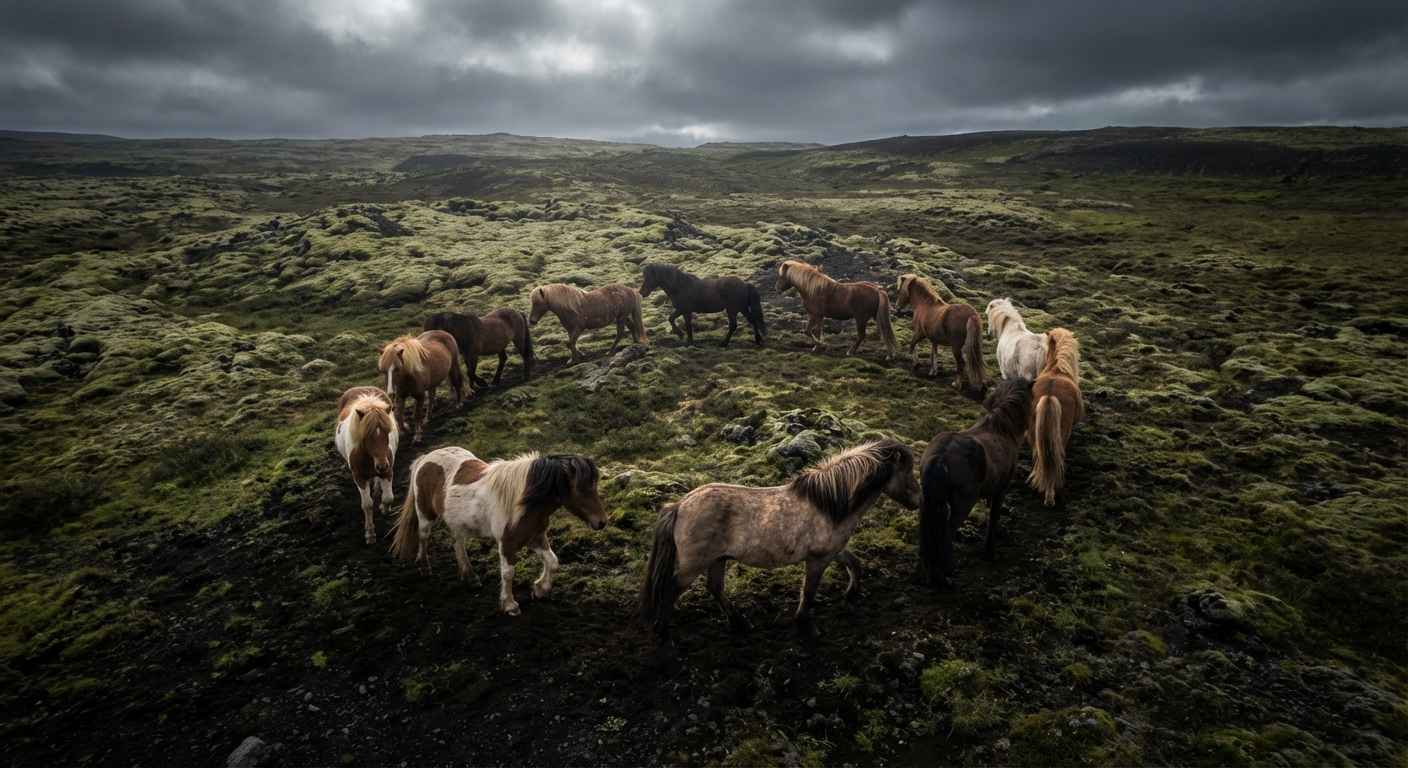
Rain as a Design Test: Trusting the Horse's Built‑In Weather Layer
How much of what we call horse care is genuine stewardship—and how much is simply our own unease with inclement conditions?
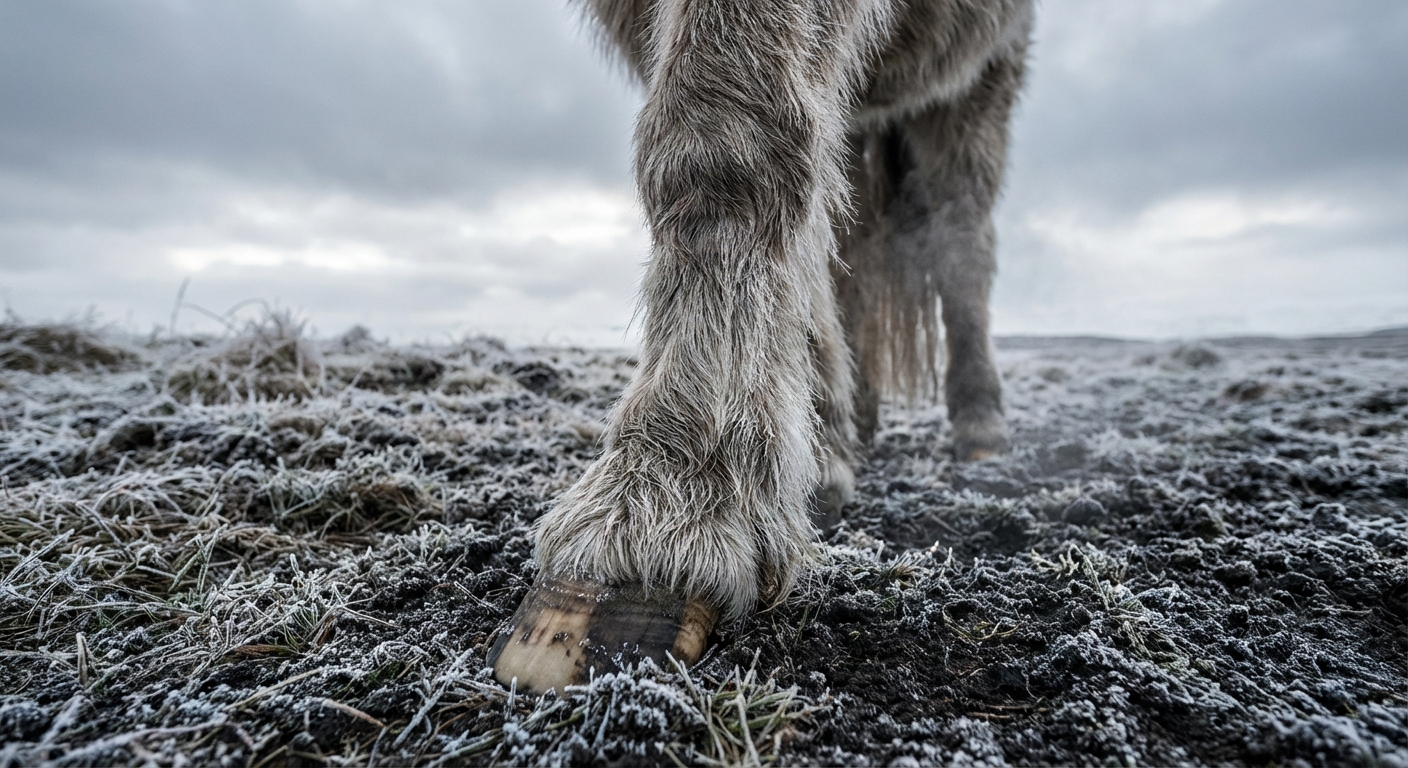
Rain serves as one of the most elementary trials of true coexistence, for it lays bare our assumptions: that the horse is inherently delicate, that moisture inevitably signals illness, that well-being must be externally administered. Yet horses come equipped with their own protective architecture. When we speak of the natural coat, its water-resistant properties, and the body's intrinsic oils, we are also addressing a deeper question: whether we permit an animal to employ what evolution has already provided, or whether we perpetually substitute their innate capacities with our interventions.
Rain and the Protection Paradox
The protection paradox reveals itself most swiftly when weather turns foul. We step in to forestall a problem, and our very intervention births a new reliance. During rainfall, this often manifests as shrinking the day itself: diminished movement, curtailed choices, constricted routines constructed around our anxieties.
The coexistence framework poses a fundamentally different inquiry. Rather than asking "How can I prevent the horse from becoming wet?" it wonders "What must the horse continue doing, regardless of rain?" A horse's natural state is not a sheltered, regimented existence. Their baseline is a life woven from perpetual grazing, continuous locomotion, and social bonds—rhythms that do not halt simply because clouds gather.
Rain holds significance precisely because it tempts us to disrupt these foundations. When feeding ceases, the clock of gastric damage begins its count. When movement diminishes, the body's self-regulating systems must operate with impoverished inputs. When we isolate a horse from their herd "just until the storm passes," we may be stripping away the very constancy that allows them to find peace.
We might recognize this pattern in our own lives—how often we contract our world in response to discomfort, only to discover that the contraction itself becomes the greater burden.
The Coat Is Not an Isolated Feature
It is tempting to regard the coat as a singular piece of "rain equipment" while overlooking the integrated system surrounding it. Within coexistence philosophy, however, body and environment exist in continuous dialogue.
A horse who can continue walking, continue browsing, continue selecting where to position themselves, and continue navigating social dynamics with companions is not merely "enduring the rain." That horse is fulfilling their biological purpose.
When we frame rain as a crisis, we frequently restructure the entire day around achieving dryness rather than preserving function. We transform a living system into a waiting system: motionless, marking time, simply persisting. And a horse denied what their biology requires is not necessarily "at rest." Sometimes they are merely suspended by our management.
Thus, when we discuss the body's inherent weather defenses—the oils, the coat, the skin—we must equally examine the management layer we impose atop them: the enforced immobility, the interrupted grazing, the human schedule that converts rain into a prohibition.
Perhaps we too have experienced this—moments when external "protection" actually severed us from the very activities that keep us whole.
Movement and Foraging: The Real Weatherproofing
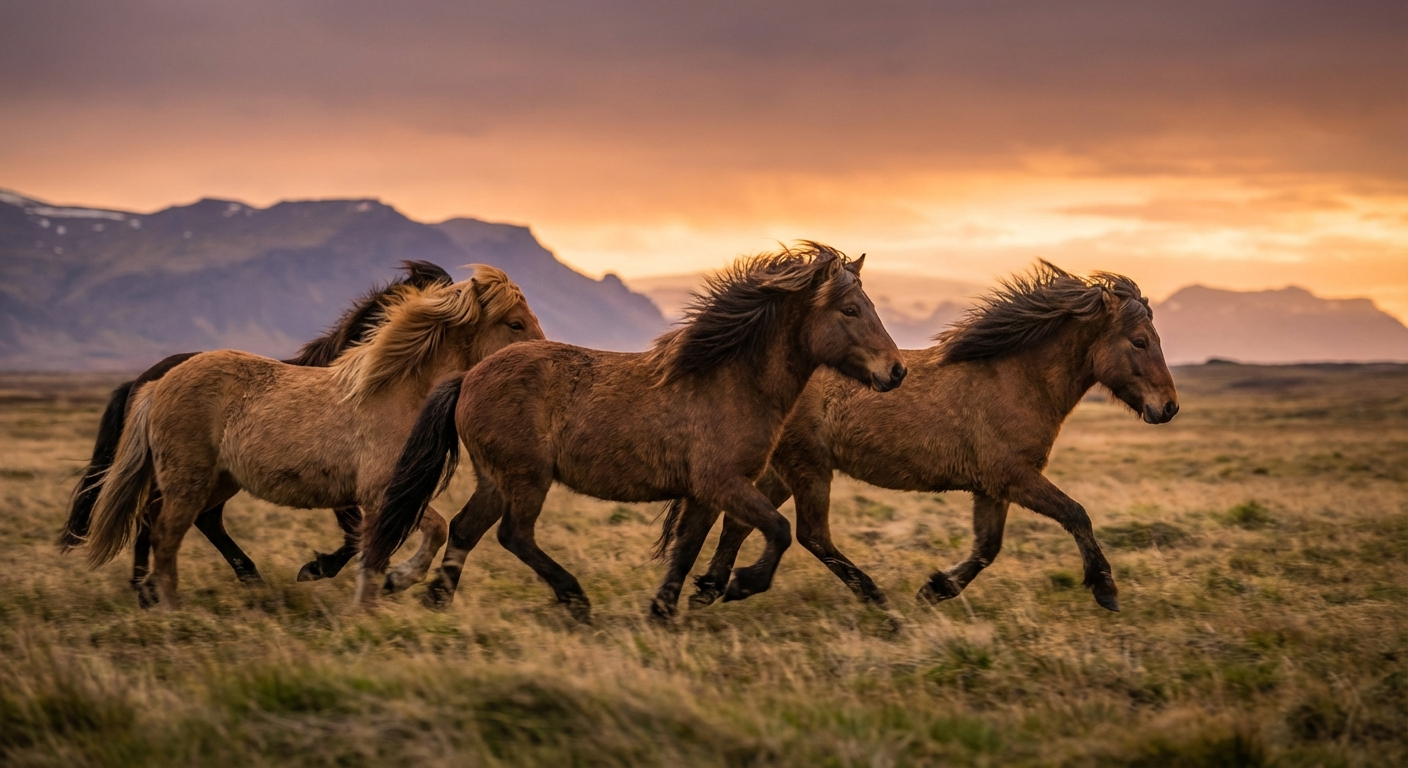
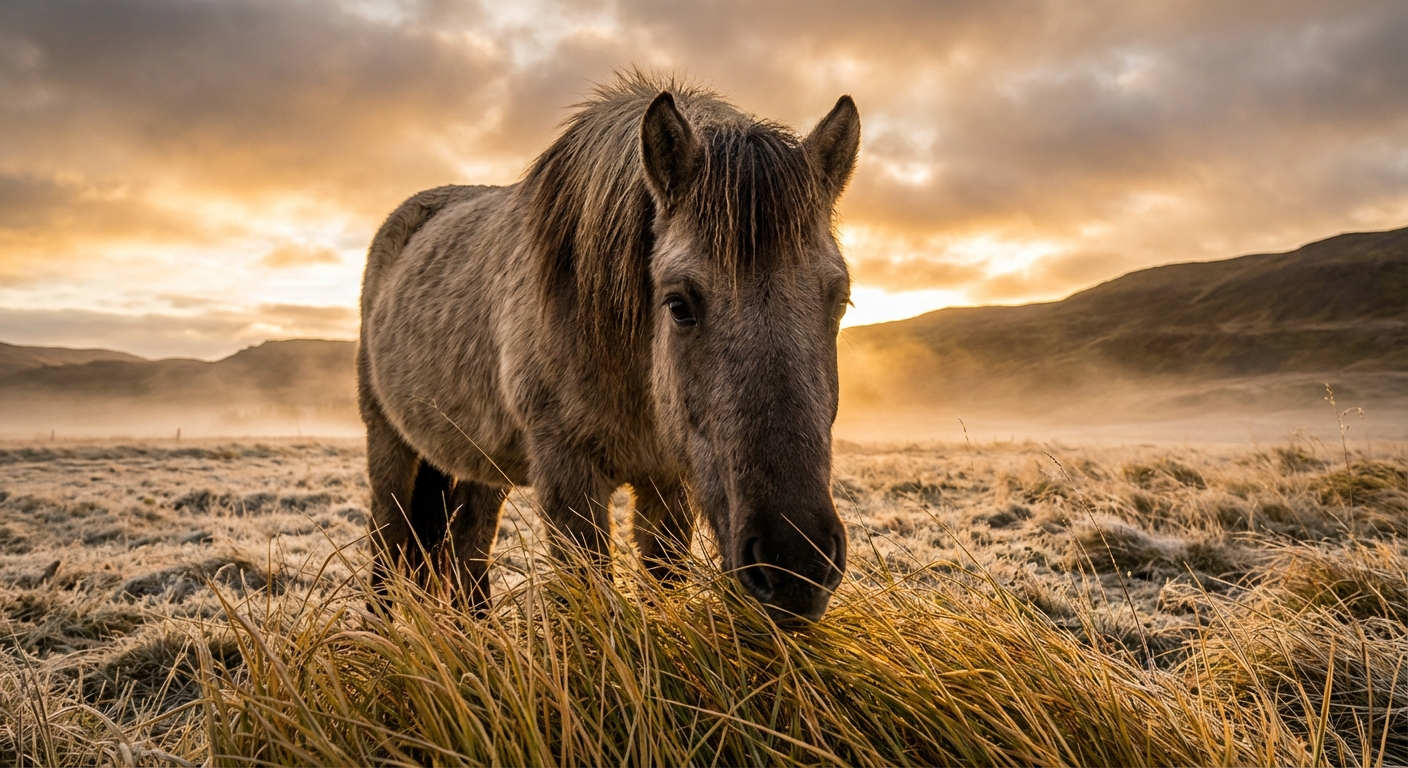
Within nature-centered welfare, movement is not a supplementary enrichment; it is fundamental. A foundation of daily travel belongs to the design itself. Uninterrupted access to forage is not an indulgence; it represents the minimum threshold of welfare.
Rain frequently exposes whether these two pillars genuinely exist within our arrangements.
When forage remains perpetually accessible, a wet day can still unfold as a grazing day. When the environment accommodates autonomous choice, a horse can adapt: relocating, reorienting against the wind, positioning near companions, or simply continuing to walk. When the design deteriorates into "confined to a stall overnight," rain transforms into a pretext for prevention: preventing wetness, preventing muddy limbs, preventing the evidence that our system cannot withstand the weather.
Coexistence does not romanticize hardship. It merely refuses to equate "natural" with "neglected" or "managed" with "secure." The objective is to preserve the essentials unbroken: continuity of nourishment, continuity of movement, continuity of companionship.
In our own existence, we might ask: which of our comforts have quietly become barriers to the very continuities that sustain us?
Rain Writes on the Ground (and the Ground Writes Back)
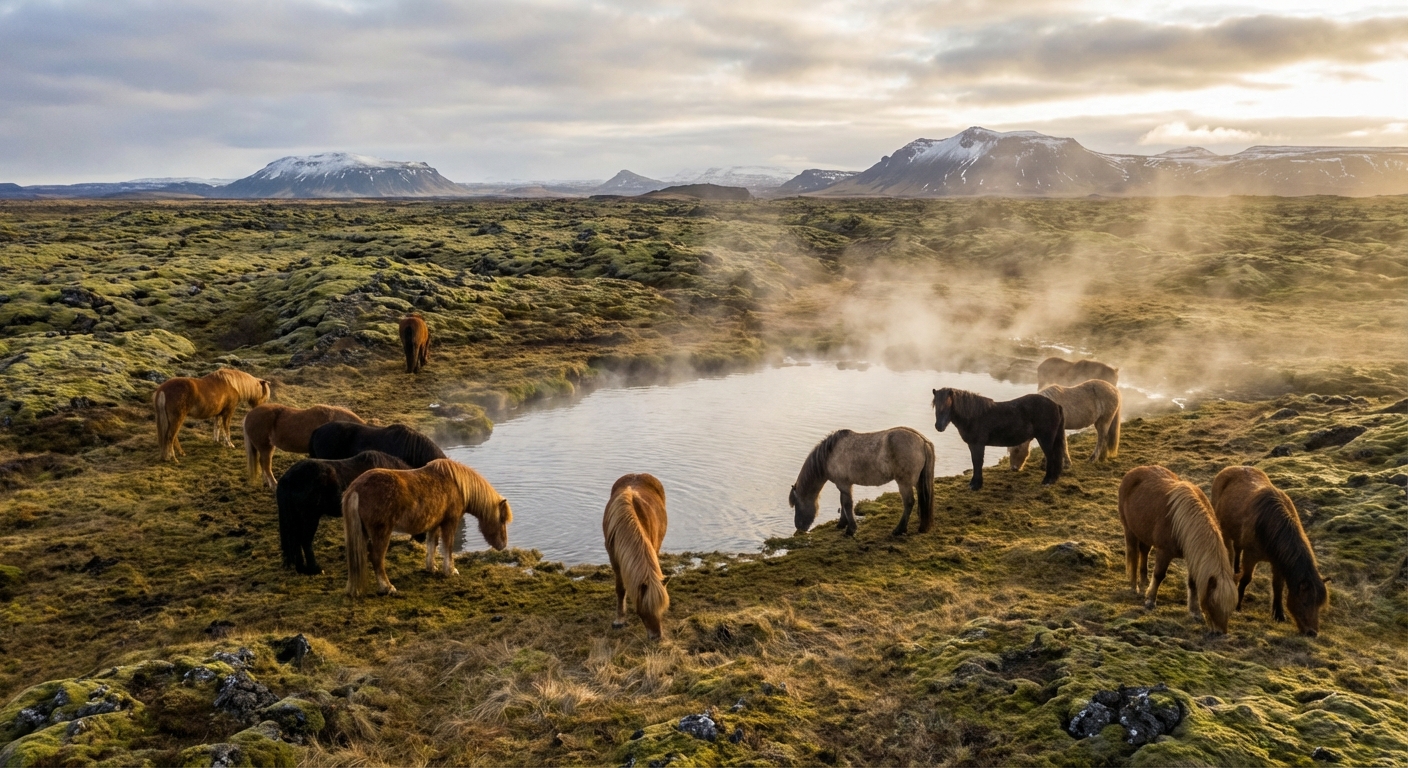
Rain concerns more than the coat alone. It is equally a matter of soil and pasture.
Thriving ground constitutes an essential element of horse stewardship because the land delivers ecosystem services: absorbing, filtering, regenerating, and recovering. When we regard soil as a living collaborator rather than a surface requiring tidiness, weather transforms from crisis into cycle.
Here is where "natural maintenance" becomes genuinely practical. Horses do not exist above the ecosystem; they dwell within it. Their patterns shape the field, and the field in turn shapes their possibilities. Rain reveals whether we have designed for resilience or merely for aesthetics.
Pasture stewardship, soil vitality, and the willingness to let the land perform its functions can distinguish between a rainy day that still offers choices and one that compels restriction. If precipitation invariably triggers confinement, it is worth acknowledging the truth: the environment has become too fragile to sustain a horse's ordinary existence.
We might extend this reflection to our own habitats—asking whether the environments we construct can weather life's inevitable storms, or whether they demand our constant, anxious management.
Coexistence as Restraint: Letting the Horse Keep Their Own Tools
There exists a quiet discipline in withholding intervention until it is truly needed.
Rain can leave humans feeling perpetually behind—behind on prevention, behind on control, behind on maintaining appearances. Yet horses do not evaluate a day by its cleanliness. They assess it by access: access to sustenance, to motion, to one another, to the capacity to settle in the manner their species has always settled.
When we place faith in the horse's own maintenance systems—including the coat's native weather resistance and the body's inherent protective mechanisms—we are simultaneously practicing a form of humility. We are electing to shape the environment so the horse may continue being a horse, rather than reshaping the horse to accommodate our preferences.
This does not preclude action altogether. It means acting with greater patience and clearer justification. It means observing how rain alters grazing duration, movement patterns, social spacing, and temperament. It means recognizing when our management decisions generate the very tension and upheaval we subsequently attempt to remedy.
Rain tolerance, ultimately, is not a competition of hardiness. It functions as a mirror. It reveals whether our system supports a self-sustaining creature—or whether we have constructed a life in which the horse can only manage when we continually layer on more "protection."
And perhaps this mirror reflects something back to us as well: an invitation to examine where, in our own lives, we might trust our inherent capacities more and our manufactured safeguards less.
Equine Notion
https://equinenotion.com/