The Range Inside the Ribcage: Coexisting With a Horse’s Sudden Tempo Shifts
The Range Inside the Ribcage: Coexisting With a Horse's Sudden Tempo Shifts
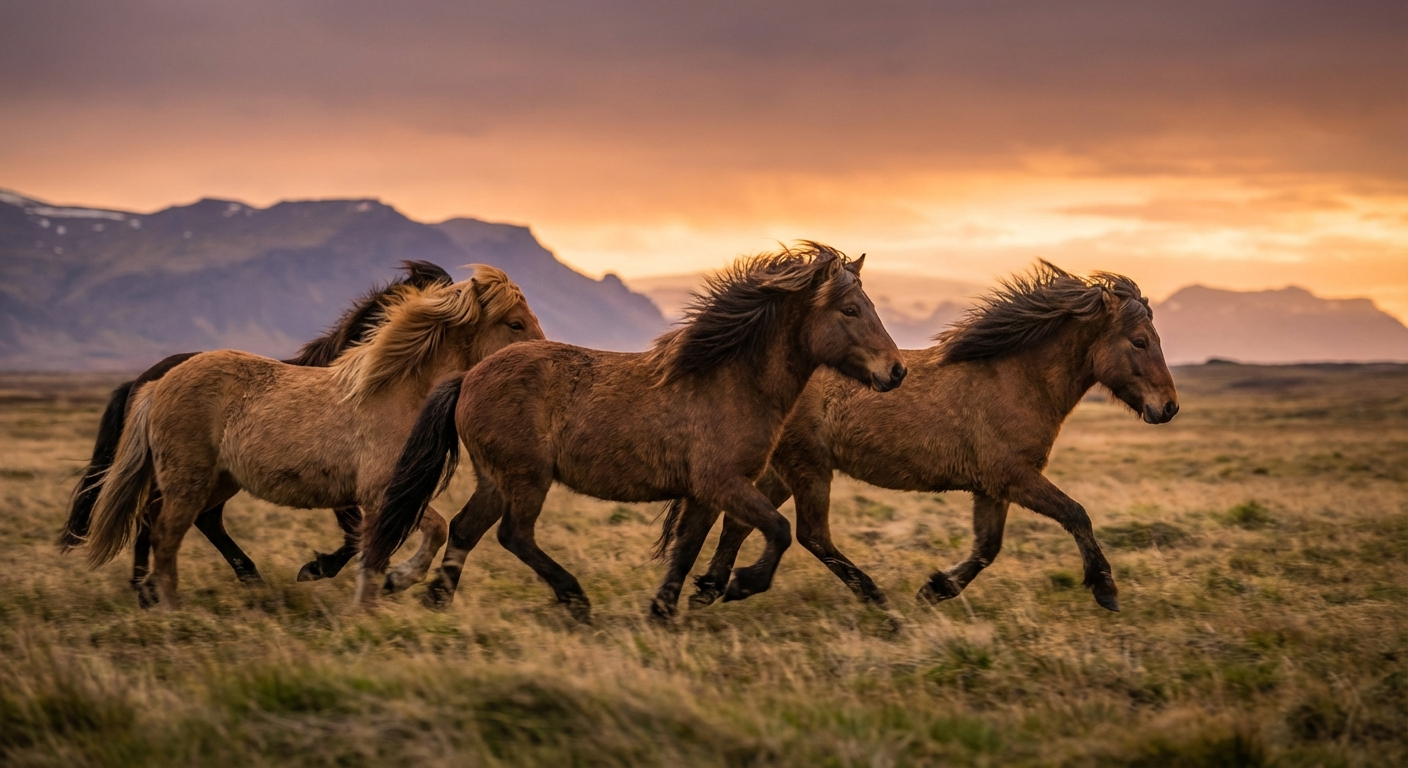
We speak of calmness as though it were a fixed trait of character. As though a horse is simply "placid" or "spirited," and our role is to reshape whatever displeases us. Yet the longer I spend in the company of horses, the more I recognize something both simpler and more mysterious: a horse can hold within itself a vast spectrum of internal velocity, and this can shift in an instant.
This capacity is not a defect—it is architecture. It is precisely what allows a grazing creature to pass long hours in unhurried existence—ambling, chewing, drowsing—then pivot without hesitation into complete physiological alertness when circumstances demand it. And here lies the discomfort of coexistence: our stewardship can imprison them in a liminal state.
Neither at rest. Nor authentically responding. Simply suspended.
A routine that fragments feeding into scheduled intervals, that demands stillness without purpose, that separates a horse from its companions and then puzzles over why the body refuses to relax—these decisions appear unremarkable. They seem ordinary. Yet they can leave the nervous system perpetually nudged toward activation, denied the clean resolution that comes from either genuine release or true engagement. We humans know this suspended state intimately—the exhaustion of being neither fully at work nor fully at ease, trapped in a vigilance that serves nothing.
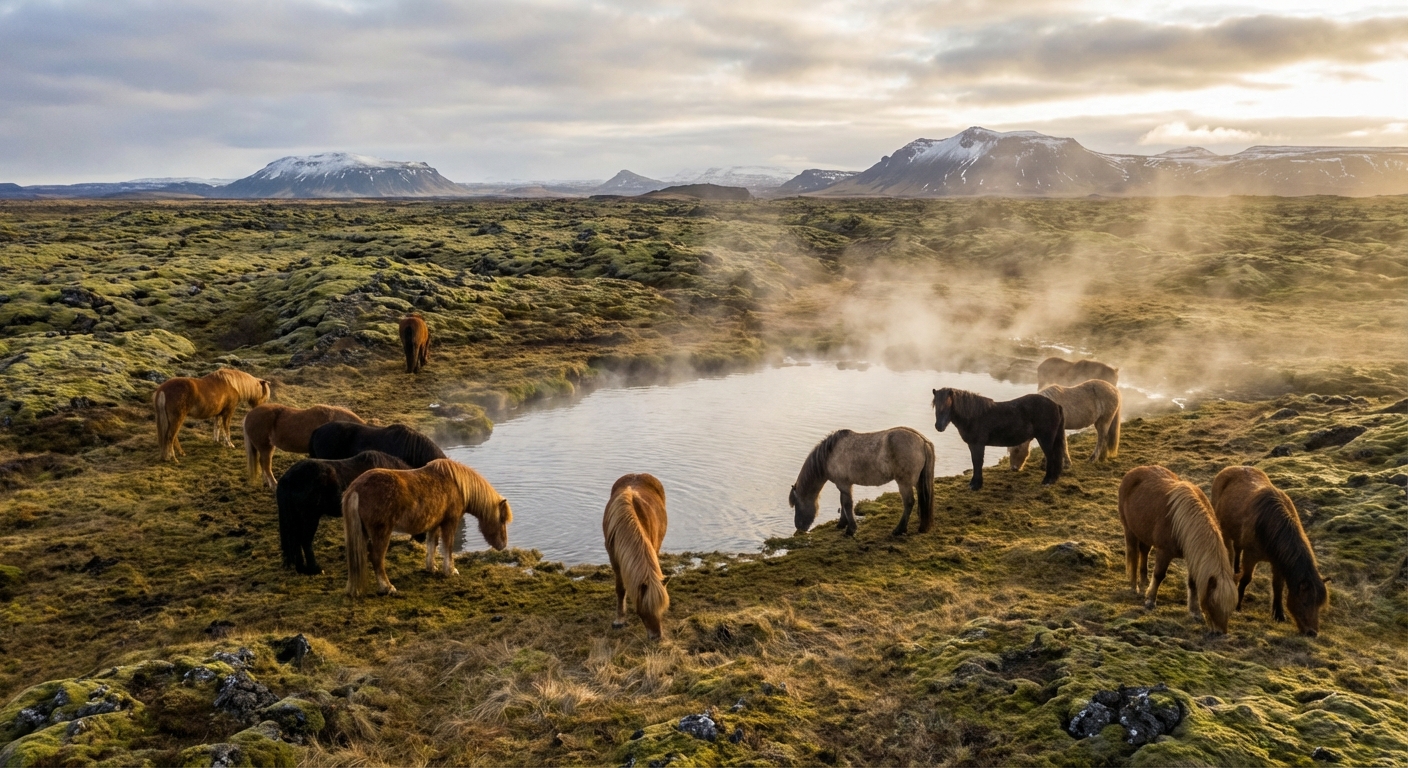
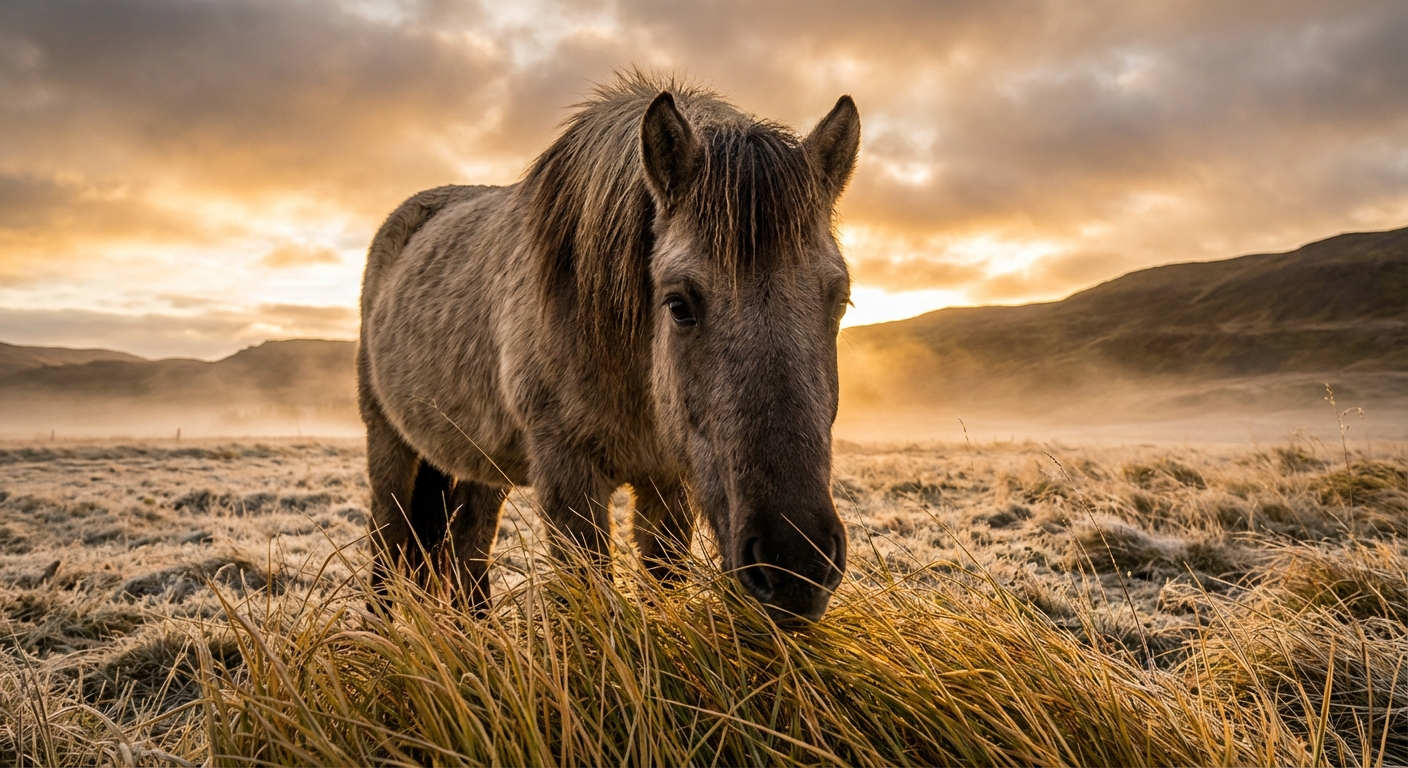
Uninterrupted access to forage transforms this reality more profoundly than we care to acknowledge. When the mouth remains occupied, the entire being often finds reason to settle into that long, measured cadence that shields the stomach from the corrosive process that begins the moment eating ceases. Movement reshapes things too—not structured "exercise," but simply the natural miles a horse's body was designed to traverse, the fundamental roaming that allows the body to feel sovereign over itself. Social connection operates with the same understated power: not some exaggerated dominance hierarchy, but recognition, appropriate distance, and the comfort of knowing who will occupy nearby space without creating tension. Perhaps we too have forgotten that our own nervous systems were built for similar rhythms—continuous small nourishments rather than anxious meals, purposeful wandering rather than enforced stillness, the quiet company of those who ask nothing of us.
Here emerges the paradox of protection. We can render a horse "secure" while simultaneously robbing them of the very circumstances that permit their internal tempo to descend naturally. The neutrality of nature is not a flawless buffer; it is the allowance for modest difficulties—weather, uneven ground, distance, autonomous choice—to cultivate a body capable of returning to stillness.
What might shift if we measured our caregiving not by how subdued the horse appears, but by how frequently their inner velocity is permitted to genuinely settle into its lowest register? And what might shift in our own lives if we asked the same question of ourselves?
Equine Notion
https://equinenotion.com/