Rest That Doesn’t Hollow Them Out: Protecting a Horse’s Frame Without Stall Stillness

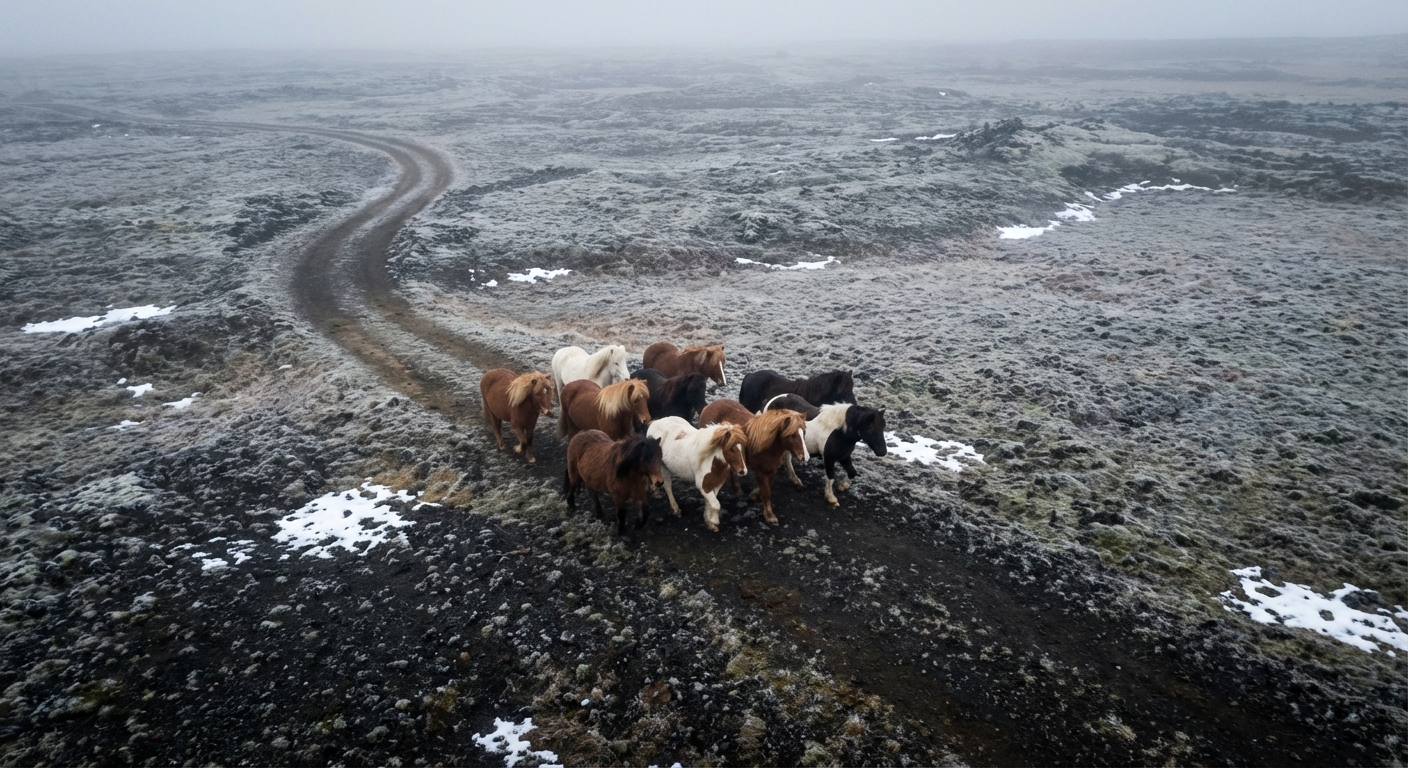
Rest That Doesn't Hollow Them Out: Protecting a Horse's Frame Without Stall Stillness
There was a time when I would observe a horse standing quietly in a stall and feel a sense of accomplishment—as though my responsibility had been fulfilled. No elements to contend with, no irregular terrain, no social dynamics to navigate. Only motionlessness.
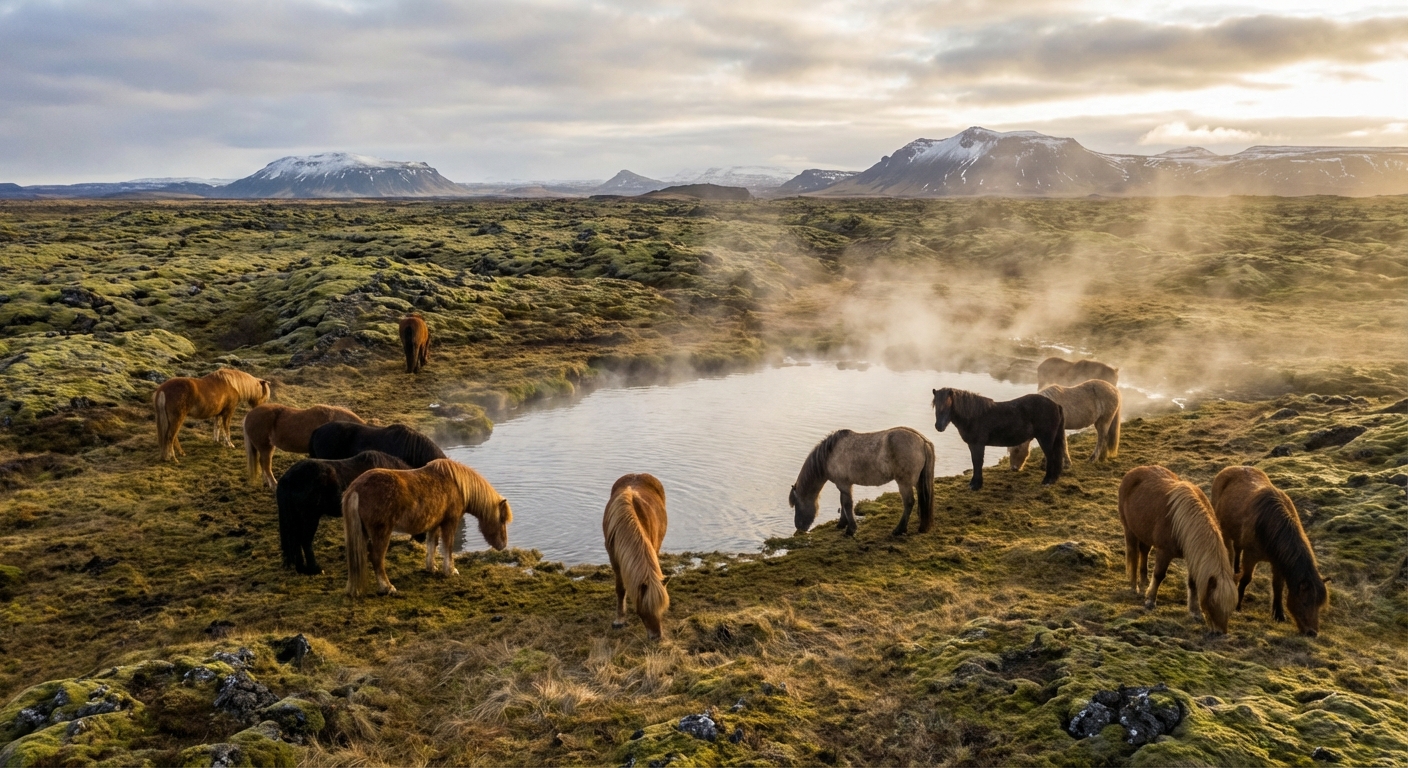
Yet the more time I spent alongside horses in open spaces, the more that notion of "rest" began to unravel. A horse denied the ability to move is not selecting recuperation. They are being separated from the very foundation that sustains their resilience: the wandering, the grazing, the turning, the trailing after companions, the meandering toward water and back again to grass. An existence woven from motion, rather than an "exercise block" carved into a human schedule.
What nature maintains (and what a stall pauses)
Under natural conditions, a horse's body remains quietly "in balance" through the architecture of the day itself: perpetual gentle travel, perpetual chewing, perpetual minor corrections. The wisdom we already apply to hoof health and digestive function reveals the same deeper truth—upkeep emerges from unbroken rhythm.
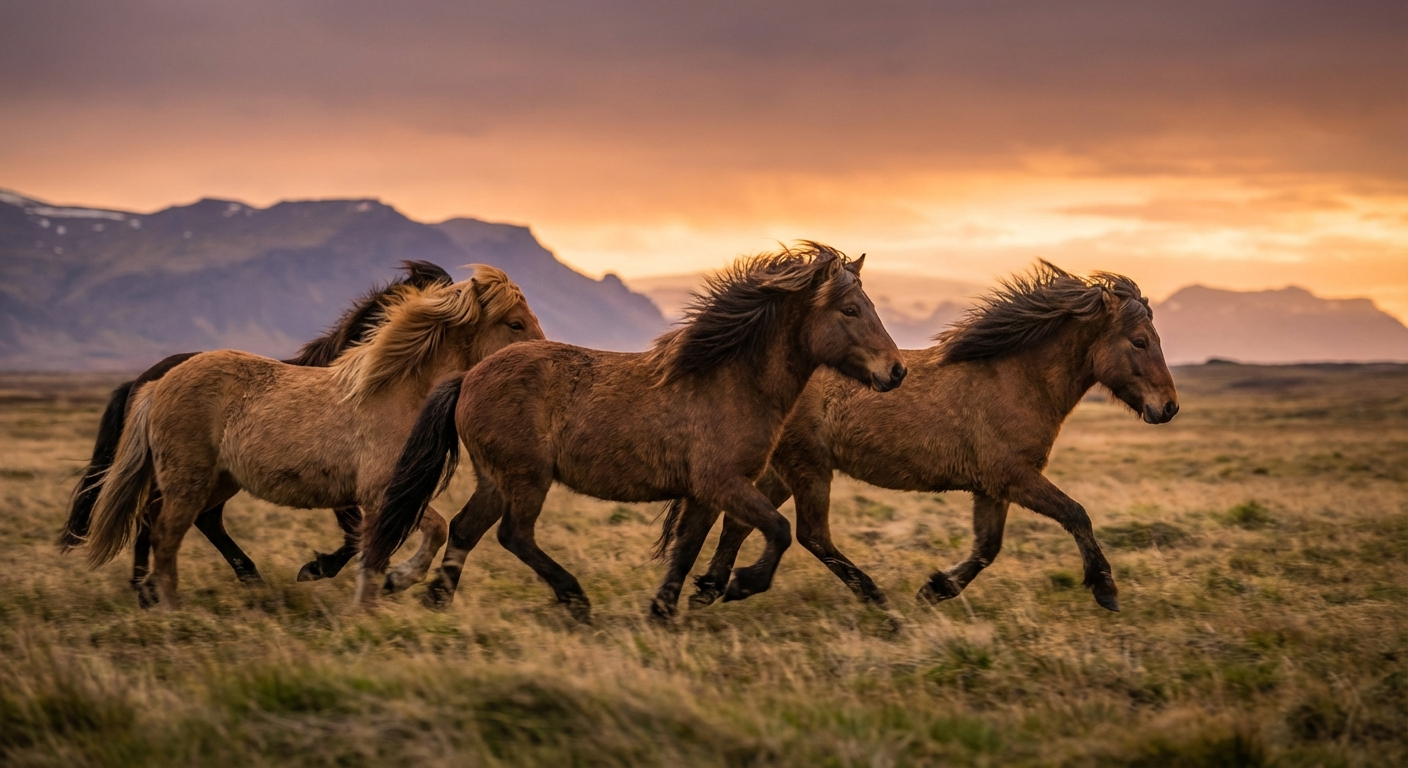
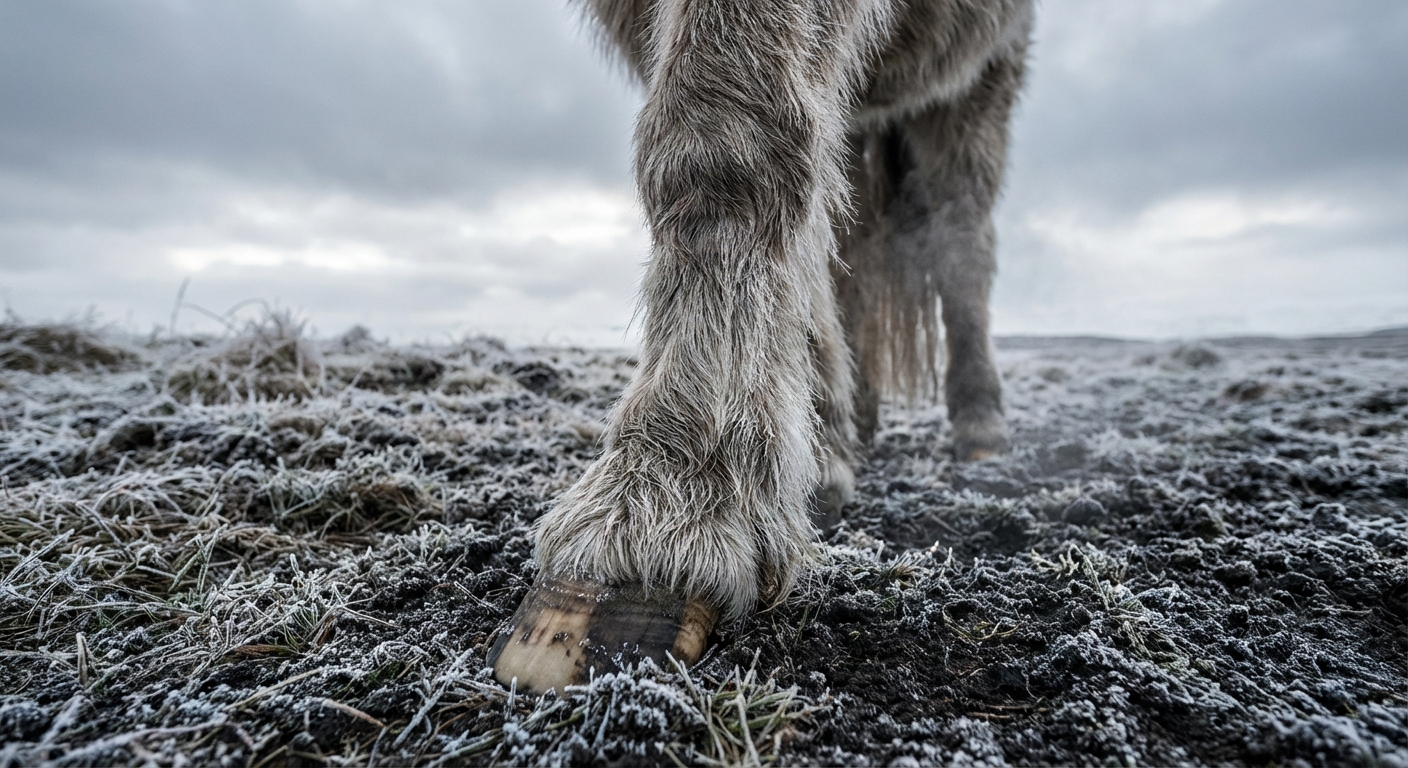
Locomotion is an intrinsic necessity (a daily norm spanning roughly 15–30 kilometers), not an athletic supplement. It serves multiple bodily systems simultaneously: hooves find their natural wear as the horse traverses ground; joints remain lubricated as movement pumps synovial fluid; the entire structure stays engaged rather than warehoused.
Confinement to a stall upends this entire logic. It does not merely eliminate velocity—it eliminates distance. And once distance vanishes, we frequently attempt to compensate through human-imposed routines: structured "exercise regimens," additional interventions, more propping up. This captures the human-horse paradox in its essence: our involvement becomes so heavy-handed that we obstruct what the horse's own architecture would have accomplished, if only given space.
We might recognize this pattern in ourselves—how often we intervene so thoroughly in our own healing that we crowd out the body's native intelligence, forgetting that restoration often asks not for more doing, but for less interference.
A coexistence approach: rethinking "rest" as supported continuity
This is not a protocol for managing injuries. It is a way of seeing—applicable to the countless circumstances where "rest" becomes the reflex even when our actual intent is "reduced intensity" or "minimized risk."
When complete liberty is not possible, continuity can still be the guiding principle:
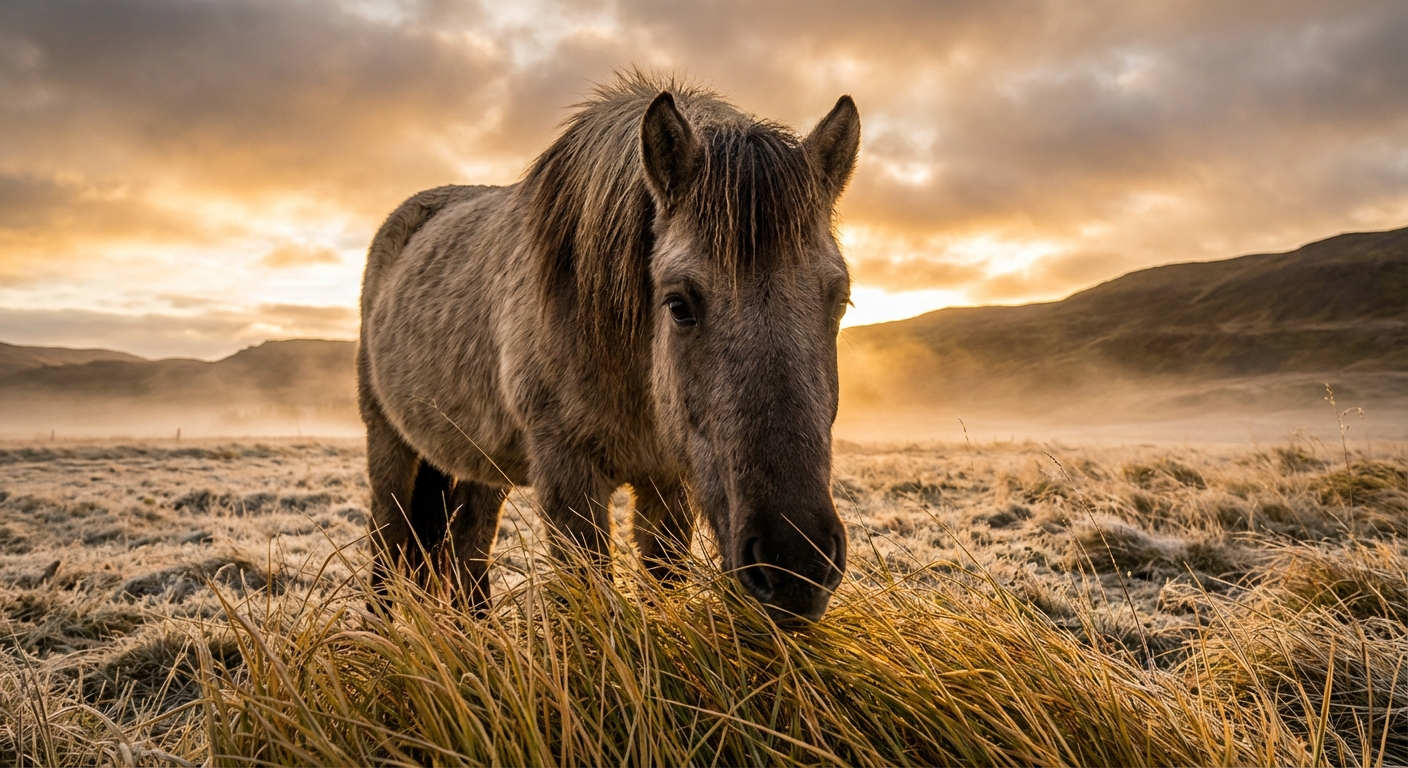
- Preserve forage as the anchor. Horses evolved for extended grazing periods—16 to 18 hours of fibrous mastication—so "rest" that disrupts eating initiates a cascade toward gastric damage. Uninterrupted access to forage is not indulgence; it is foundational care.
- Allow movement to arise naturally, not by command. When confinement is unavoidable, observe what small freedoms persist: brief journeys to water, to hay, to a preferable stance. In pasture settings, consider whether your arrangement encourages roaming or channels the horse into a single fixed position.
- Draw on the herd as a stabilizing force when fitting. Social bonds carry real weight for wellbeing, and peaceful companionship can distinguish a horse who circles in agitation from one who settles while still shifting, nibbling, and adjusting.
The aim is not to construct some flawless artificial haven. It is to cease venerating immobility as the pinnacle of recovery, and to recall that challenge—modest, mundane, recurring—can be the mechanism that preserves a body's adaptability rather than breeding fragility.
Perhaps we too have forgotten this: that our own resilience is not built through perfect stillness, but through the gentle, repeated demands of an ordinary day.
What I watch for (without making it a project)
Rather than counting minutes of "exercise," I observe the texture of the day:
- Does the horse return to forage consistently, without prolonged empty intervals?
- Do they shift locations and postures throughout the hours, or have they become frozen in place?
- When movement is curtailed, do signs of distress emerge—evidence that the surroundings are failing the animal?
Coexistence does not mean withholding assistance. It means shaping circumstances so the horse's innate maintenance processes can continue operating, even when we feel the urge to press pause.
The same invitation extends to how we might tend to ourselves and others—not by halting all motion in the name of care, but by trusting that life, gently lived, carries its own repair.
Equine Notion
https://equinenotion.com/