Rotation Without the Reset Button: Letting a Herd Manage the Grass While We Manage the Ground

Rotation Without the Reset Button: Letting a Herd Manage the Grass While We Manage the Ground
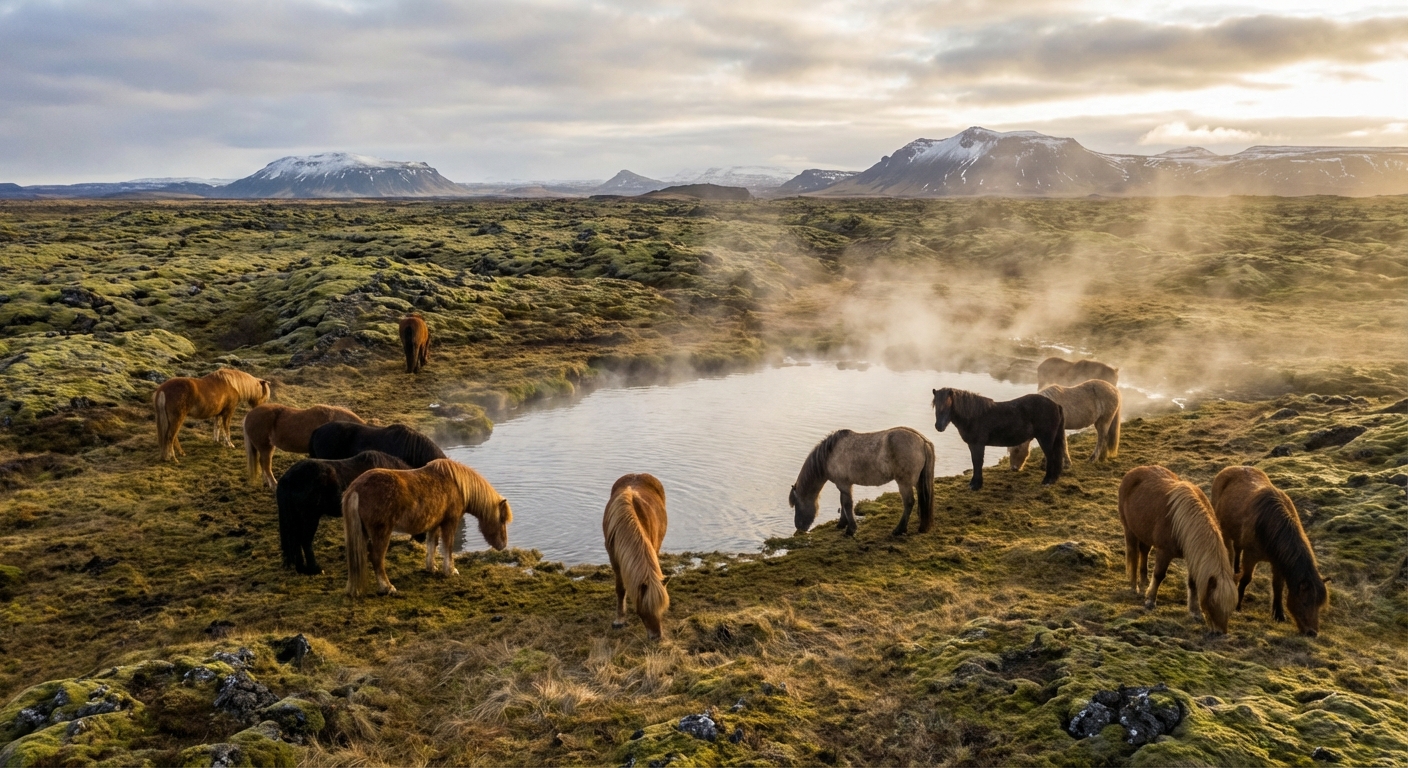
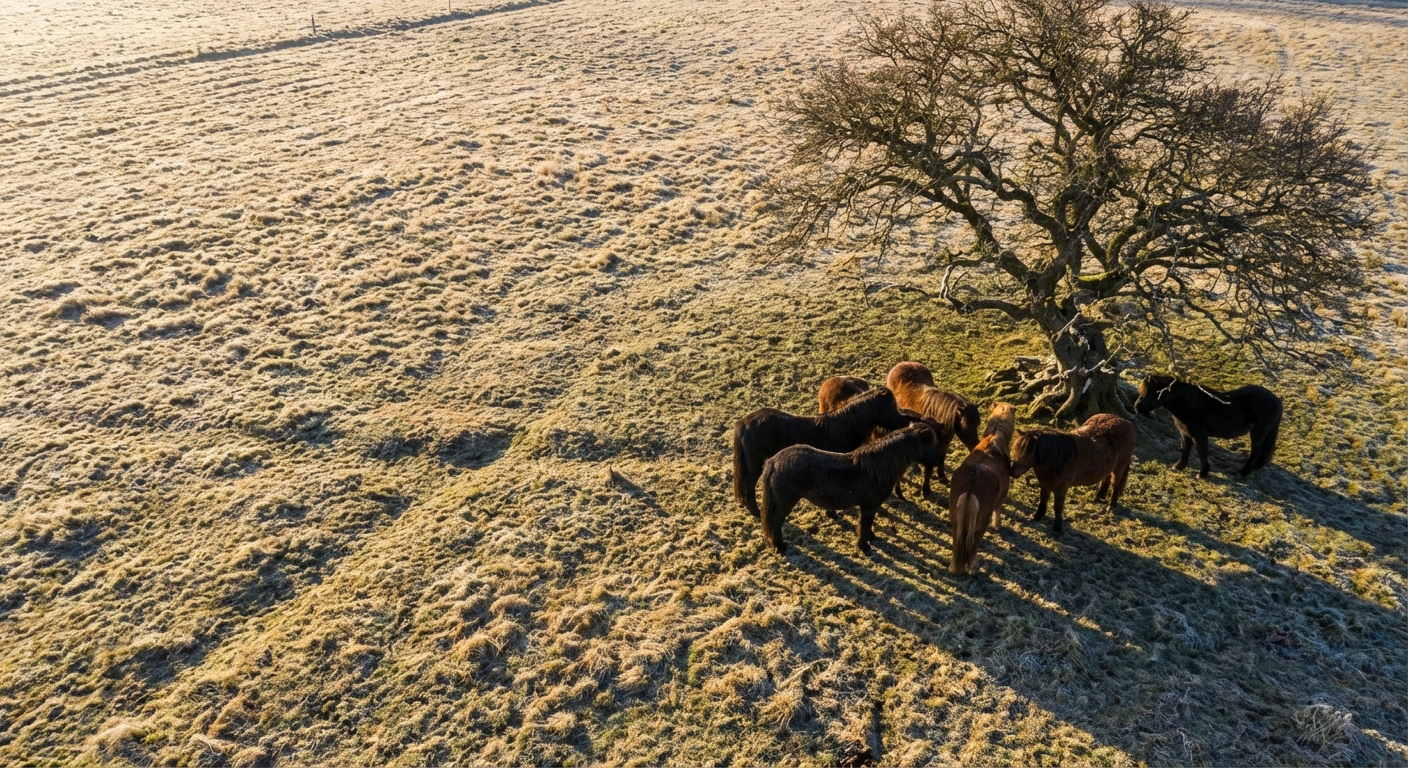
I observed it on a morning that appeared flawless by every measure. A new section had been unlocked. The gate opened generously. The horses moved through—and then, curiously, dispersed as though seeking something that ought to have been self-evident.
It wasn't hunger. It wasn't eagerness. It was more as if an internal geography had been wiped clean.
They ate, certainly, but that initial hour felt fragmented. Heads lifting. Minor adjustments in position. Several extended pauses where nothing appeared amiss, yet nothing quite landed. The pasture was unchanged. And yet it had become an entirely different landscape.
That was the instant rotation ceased to be merely a grazing strategy and transformed into a question of shared existence: how do we safeguard the earth and its plants without perpetually disrupting the rhythm a horse is designed around—unbroken foraging, consistent locomotion, and reliable access?
Rotation starts in the notebook
When rotation is governed solely by dates on a calendar, we overlook what the herd is already communicating.
Observe genuine grazing behavior. Never presume.
Pay attention to what unfolds when innate rhythms are interrupted. The day you shift a fence line, transport a horse, summon the veterinarian, or alter the schedule is also the day the "gastric clock" begins counting if consumption ceases. That clock is indifferent to how orderly the pasture appears.
Thus the initial metric is straightforward: did the modification maintain forage accessibility, or did it produce an interval where mouths are raised and anticipating?
The subsequent metric is equally direct: did the change preserve the possibility of movement, or did it condense the herd into immobility? A horse's natural state is one of expansive, migratory existence. If an arrangement converts their day into standing still, it isn't neutral—it's confinement.
In my own practice, I record two observations following each transition: the duration required for the herd to return to calm, rhythmic eating, and whether they resume their customary wandering or begin clustering in a single location.
We might ask ourselves the same question in our own lives: when change arrives, do we have the space to find our footing, or are we expected to perform immediately as though nothing has shifted?
Manage the soil without making the horse "start over"
Caring for pasture is fundamentally caring for the soil beneath it. The grass is what we see; the ground beneath is the reserve account.
Yet living alongside horses demands an additional consideration: rotation ought not compel the horse to reconstruct its entire day each time.
A useful inquiry is this: does the newly opened area maintain the underlying structure, or does it reduce grazing to a scheduled "activity window" the horse must squeeze into?
When eating becomes an inserted occasion, the horse's physiology absorbs the cost. Unceasing gastric acid production does not halt for our scheduling preferences, and the herd does not read enforced stillness as recuperation—they experience it as obstruction from what their bodies anticipate doing.
Therefore I strive for rotation choices that render eating unremarkable. Not thrilling. Not limited. Not a theatrical unveiling. Simply available.
This also requires resisting the temptation to wield rotation as a behavioral management tool. Stereotypic behaviors are not "vices" to be outwitted; they are environmental signals. If a rotation scheme amplifies pacing, vacant staring, or compulsive repetition, it offers data about the conditions, not evidence of a character defect.
There is wisdom here for human flourishing as well: when we pathologize the symptoms of deprivation rather than addressing the deprivation itself, we mistake the messenger for the message.
A pasture as an ecosystem service
The longer I contemplate this, the more rotation reveals itself to be less about relocating horses and more about sustaining a living system while horses simply do what horses are meant to do.
A thoughtfully tended pasture provides more than nutrition. It provides the circumstances that enable continuous foraging, which in turn upholds the horse's internal equilibrium.
And because horses do not exist as solitary entities, I also observe the social landscape following each transition. Not "who dominates," but who elects to graze beside whom, who hesitates, who takes the longer path, and whether the group eventually resettles into its familiar distances.
When rotation honors that social architecture, the herd appears unremarkable: heads lowered, distance quietly accumulating, the day unfolding without force.
When it fails to, we find ourselves substituting intervention for natural function—addressing symptoms with decisions that continually interrupt the foundational needs: forage, movement, and continuity.
Perhaps the deepest lesson here extends beyond pastures: true stewardship—of land, of animals, of one another—lies not in constant intervention but in creating conditions where life can unfold according to its own essential nature.
Equine Notion
https://equinenotion.com/