Sleep That Happens Between Mouthfuls

Sleep That Happens Between Mouthfuls
When darkness falls, the pasture does not go quiet.
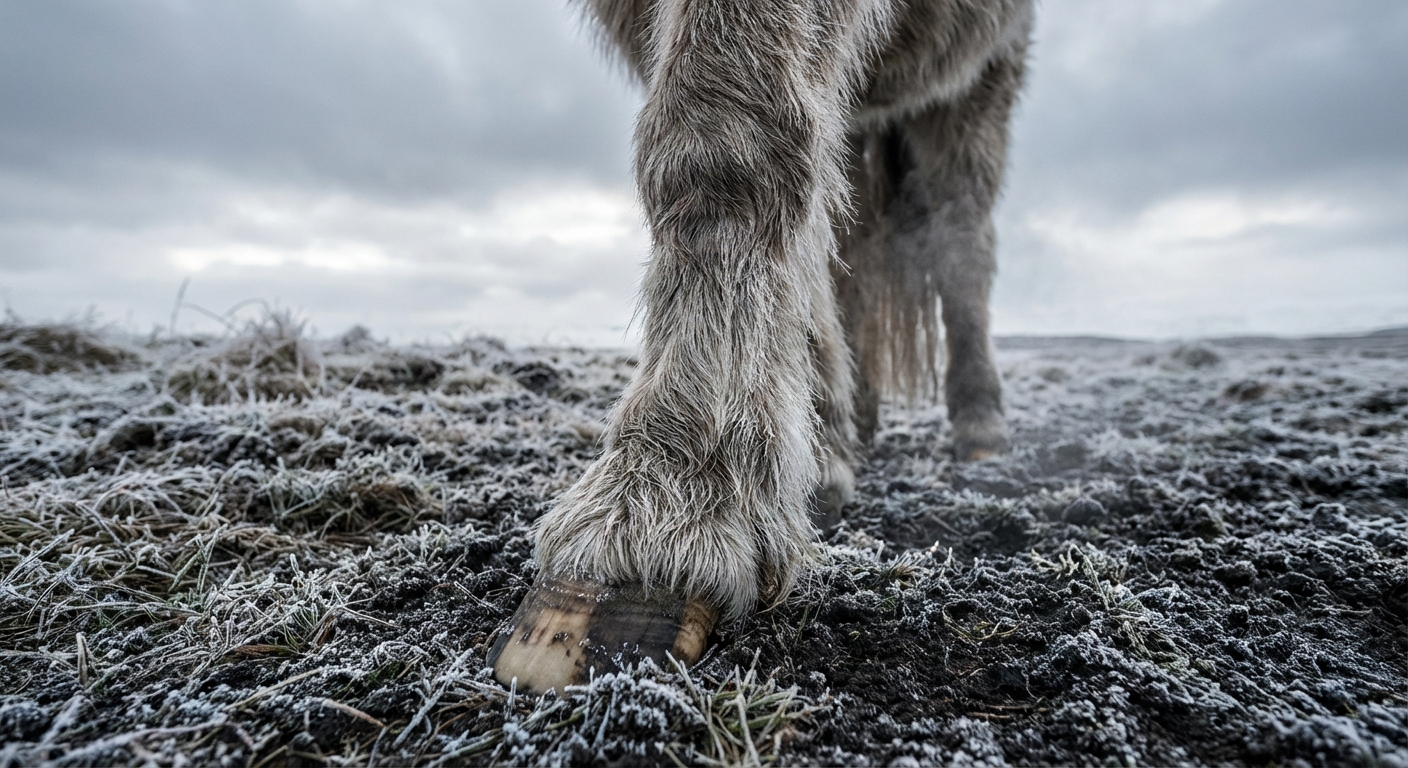
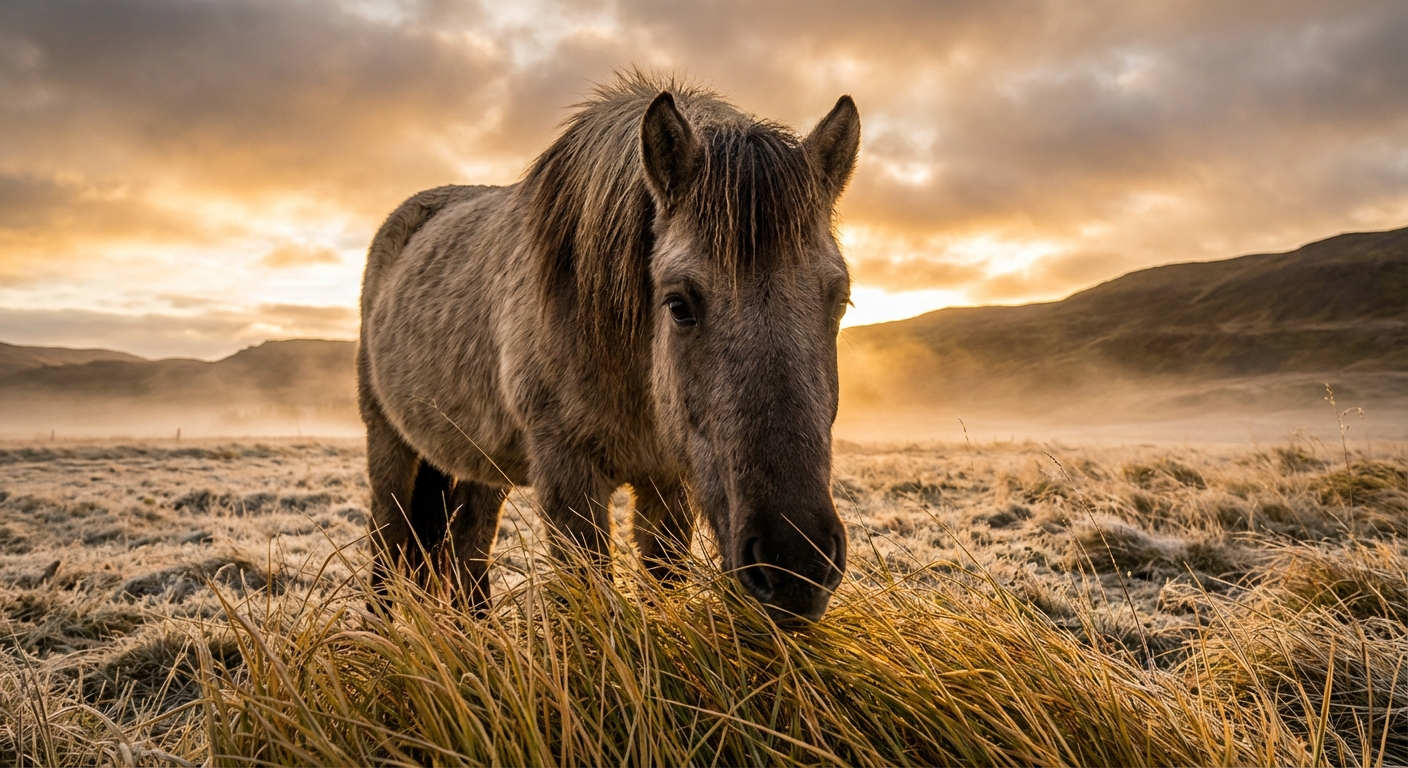
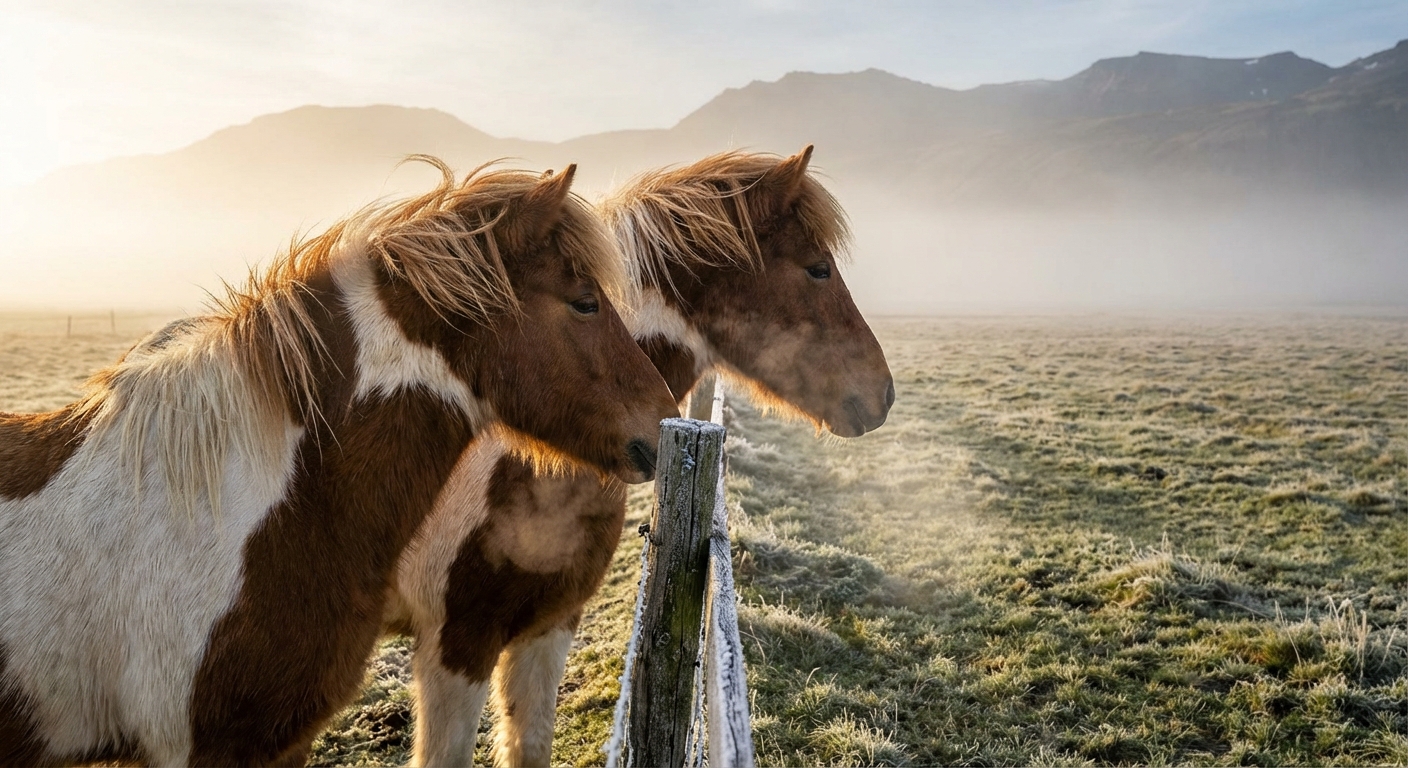
A horse drops his muzzle toward the grass, works his jaw, adjusts one front hoof, and then becomes utterly motionless. This is not a theatrical display of slumber—it is a momentary yielding, slipped between all the other acts of living.
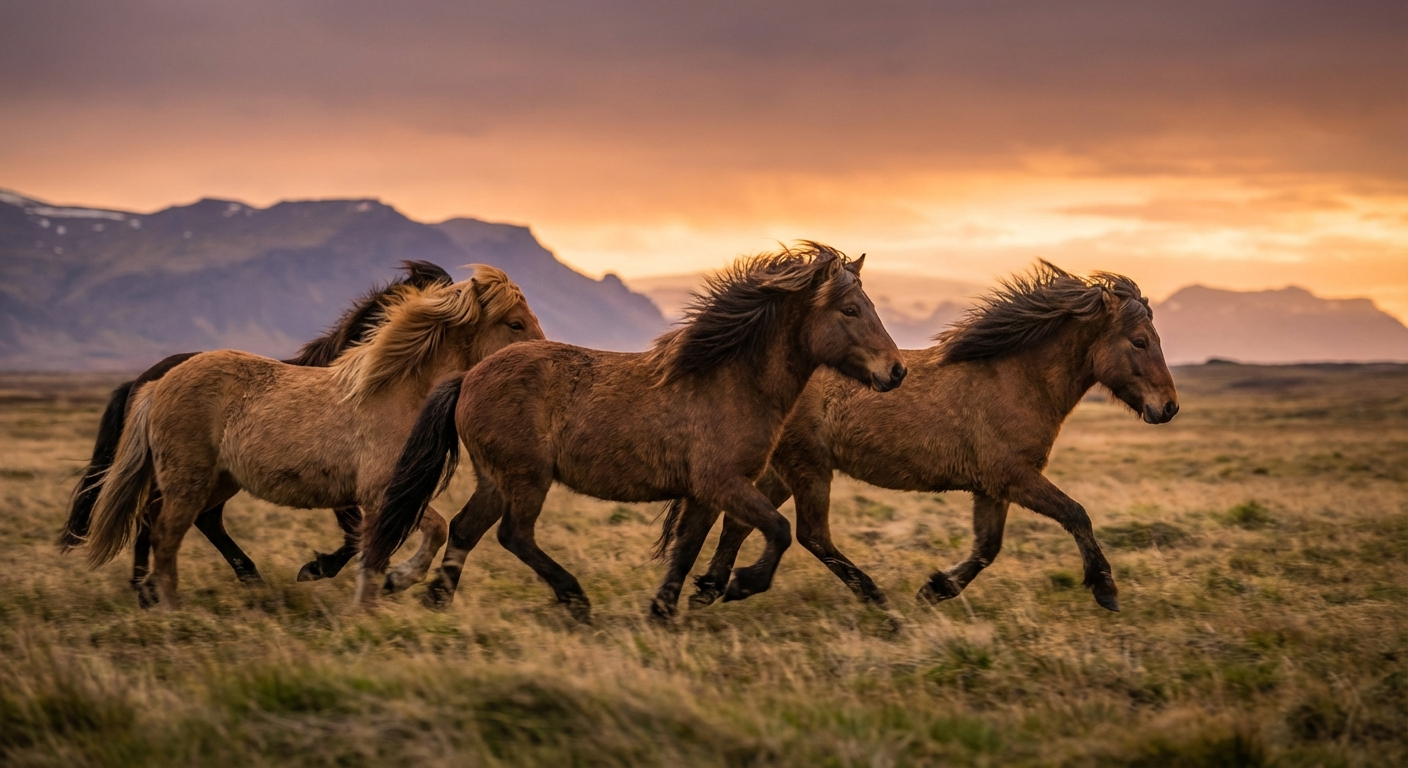
Minutes pass and he drifts forward again, not from restlessness, but because his very form is designed for perpetual motion and constant communion with the earth beneath him. Movement is the default state of daylight hours, and night does not erase this truth—it merely gentles the tempo. We might consider how our own bodies, too, were never meant for the rigid stillness we impose upon them, how perhaps we also carry an ancient instruction to keep moving, even softly, even slowly.
We tend to conceive of rest as a solid block we carve into our calendars. Horses, however, appear to approach it as a dispersed architecture—tiny portions, scattered throughout, claimed and reclaimed again and again. Within this fragmented arrangement, the sum may amount to only a handful of hours, yet it refuses to consolidate into one tidy, human-shaped bundle. Perhaps there is wisdom here for us: that restoration need not arrive in a single unbroken stretch, but can accumulate through moments threaded throughout our waking hours.
What truly transforms our shared existence is not memorizing statistics—it is recognizing what disrupts the rhythm.
A horse standing motionless in his stall after dark may appear "at rest" to our eyes simply because nothing visible is occurring. Yet stillness can represent an enforced suspension rather than genuine recuperation. When grazing forms the very foundation upon which the day is constructed, eliminating it after sundown is not a small adjustment—it is a fundamental revision of existence. How often do we mistake our own enforced stillness for peace, confusing the absence of activity with the presence of renewal?
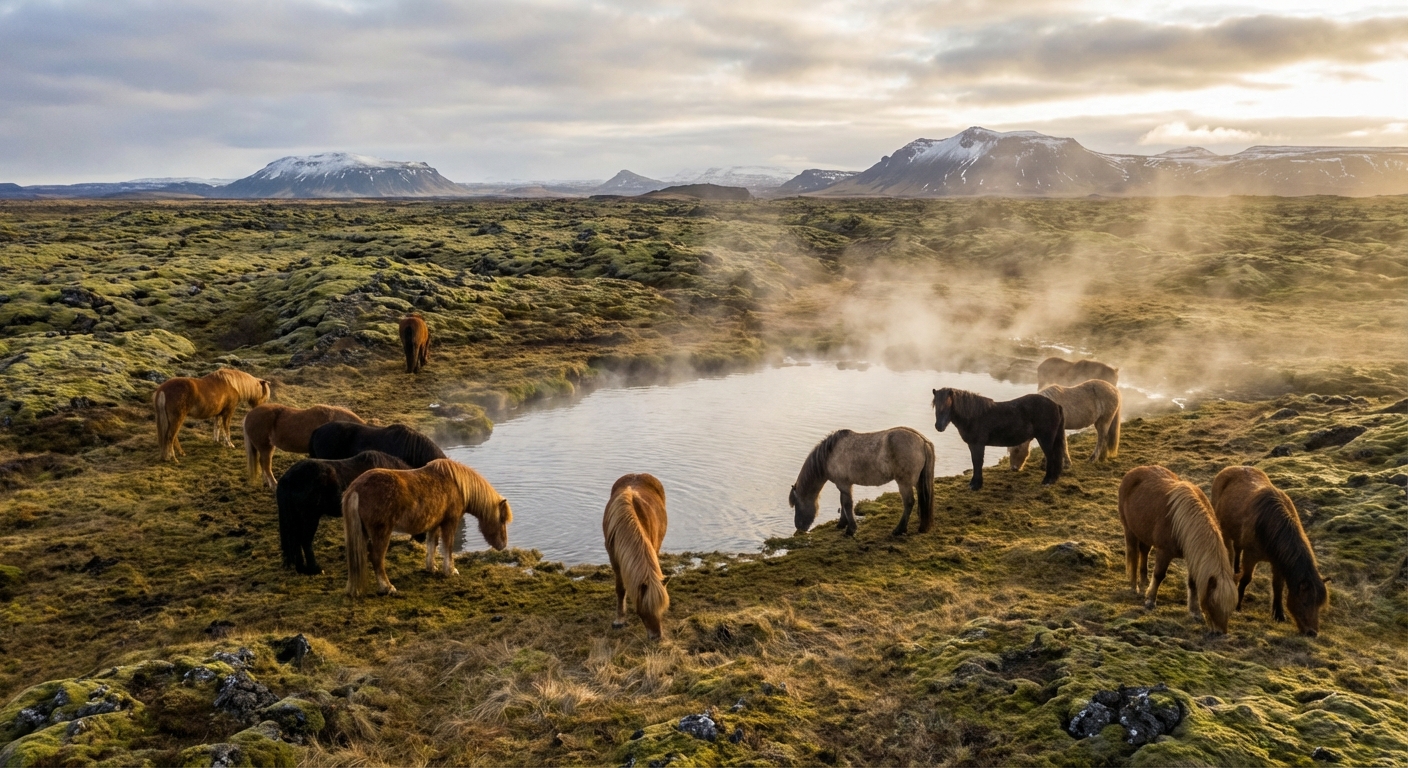
When surroundings permit natural rhythms to unfold, the horse continues performing the quiet essentials: browse, meander, pause, reconnect, survey, drowse, take several steps, return to feeding. The social fabric is interwoven as well—who settles beside whom, who eases when another draws near, who elects to remain slightly distant. This is not perpetual conflict, but rather a living geography that preserves the herd's collective tranquility. We too are social creatures whose rest depends on invisible arrangements—the presence of certain people, the absence of others, the unspoken agreements that let us finally exhale.
To comprehend sleep within coexistence, observe what breaks the flow.
Not the spectacular ruptures. The subtle disturbances: a schedule that transforms waiting into the primary occupation, a night that substitutes confinement for wandering, surroundings that convert the horse's innate cadence into a difficulty requiring management.
The most meaningful transformation can be remarkably straightforward: cease regarding rest as something divorced from living, and begin perceiving how living itself is precisely what permits rest to emerge.
Equine Notion
https://equinenotion.com/