The Slow Switch: Letting Fermentation Adapt Without Forcing a New Day

The Slow Switch: Letting Fermentation Adapt Without Forcing a New Day
What does it truly mean to alter a horse's existence when the very architecture of the horse is built upon the foundation of continuity?
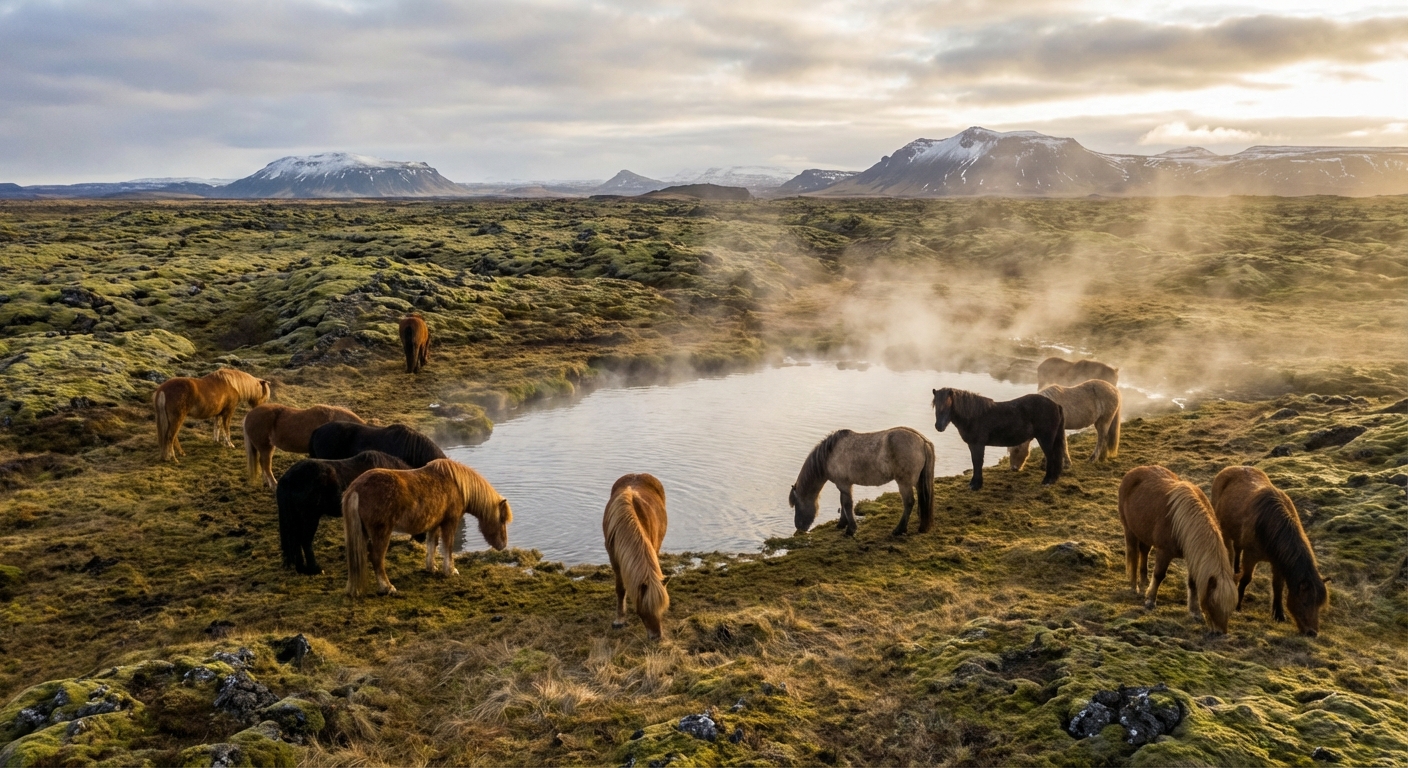
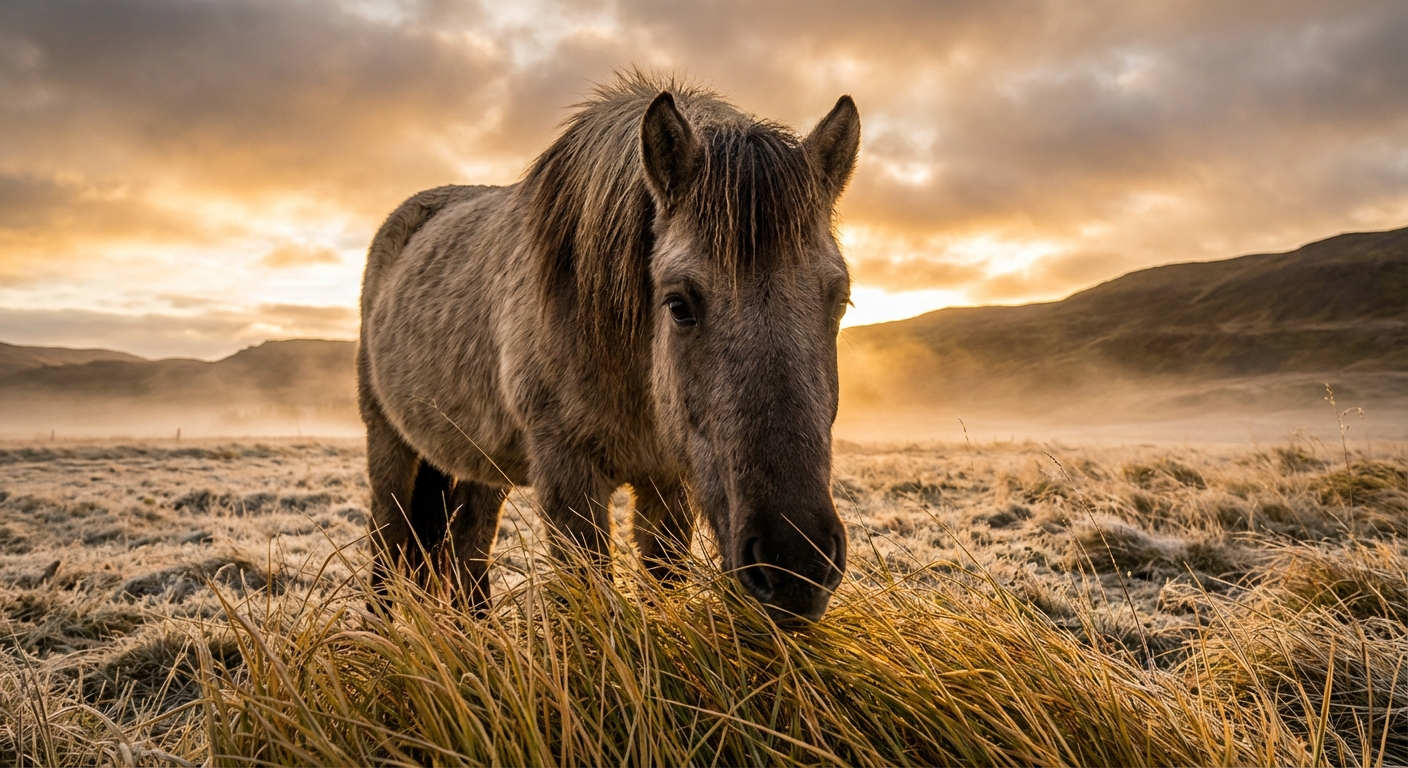
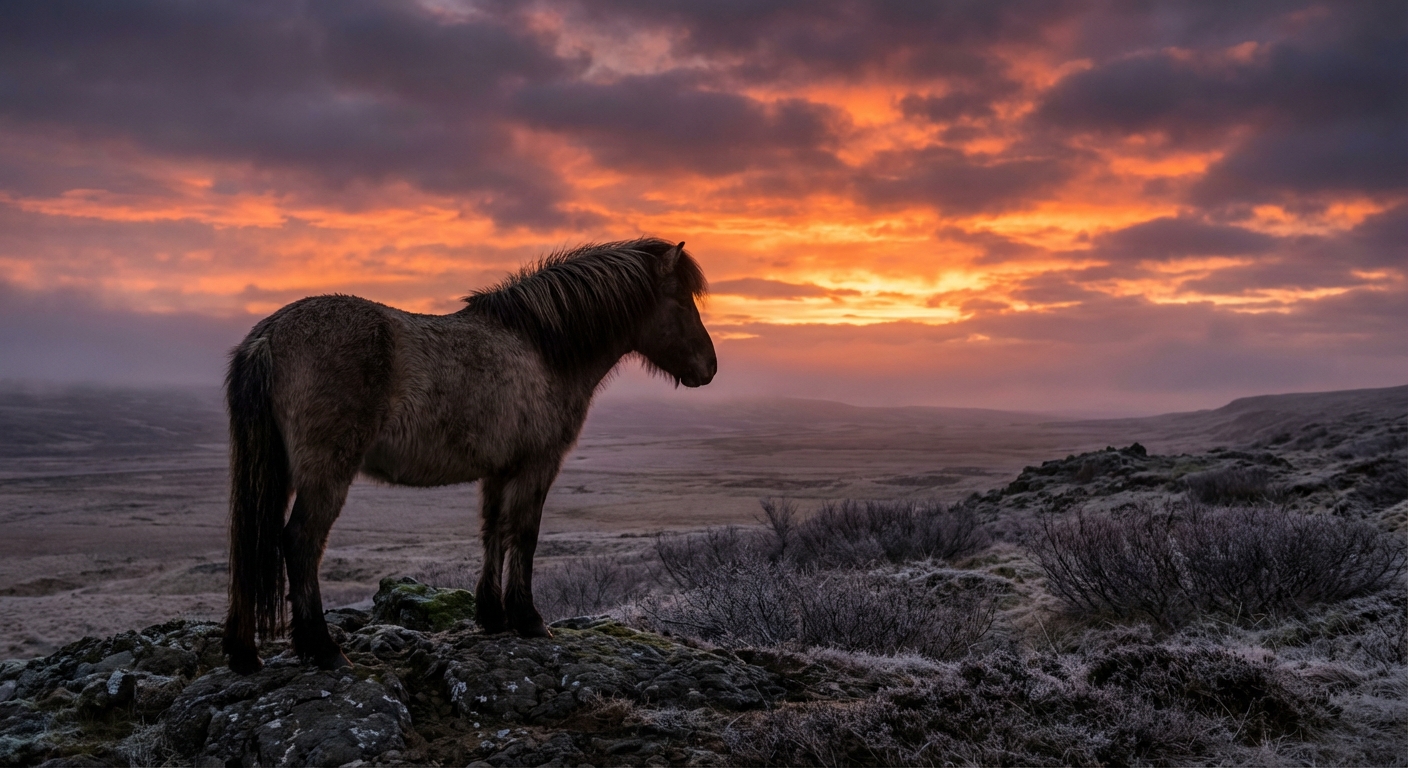
This morning I observed the herd moving like a diffuse, grazing-shaped meditation across the pasture. There was no human-like intention, no destination—only the quiet labor that sustains their bodies: bite, step, bite, step. Once I dismissed this as mere repetition. Now I recognize it as essential maintenance. The horse is not passing time; the horse is constructing the day from within. Perhaps we, too, build our lives most honestly not through grand gestures but through the small, repeated acts we barely notice ourselves performing.
I have been contemplating hindgut fermentation adaptation with that same gradual, unannounced quality. Whatever transforms within a horse does not arrive like a switch being flipped. It emerges like a season unfolding. This renders my role in our shared existence uncomfortable, for humans crave decisive transitions: fresh hay, different pasture, new schedule, revised approach. The horse's digestive system refuses to communicate in bullet points. It speaks only in continuity—or in its absence. How often do we impose our hunger for clean beginnings onto processes that were never designed to accommodate them?
Yesterday brought a minor disruption: visitors arrived, a procedure took place, the familiar rhythm halted. The horses returned to pasture, but something in the atmosphere had shifted. Nothing dramatic. Simply a loosening of the seams. More standing than usual. More vigilant watching. It called to mind that stark, unforgiving truth: gastric acid observes no schedule of ours. The moment eating ceases, the internal clock begins its count. When a horse is denied what the body anticipates—movement, foraging, the endless cycle of departure and return—the consequence does not always manifest visibly at first. Sometimes it appears as a horse unable to find rest, as though the coherence of the day has dissolved. We might ask ourselves how often our own unease stems not from what happened, but from an interruption to rhythms we never consciously named.
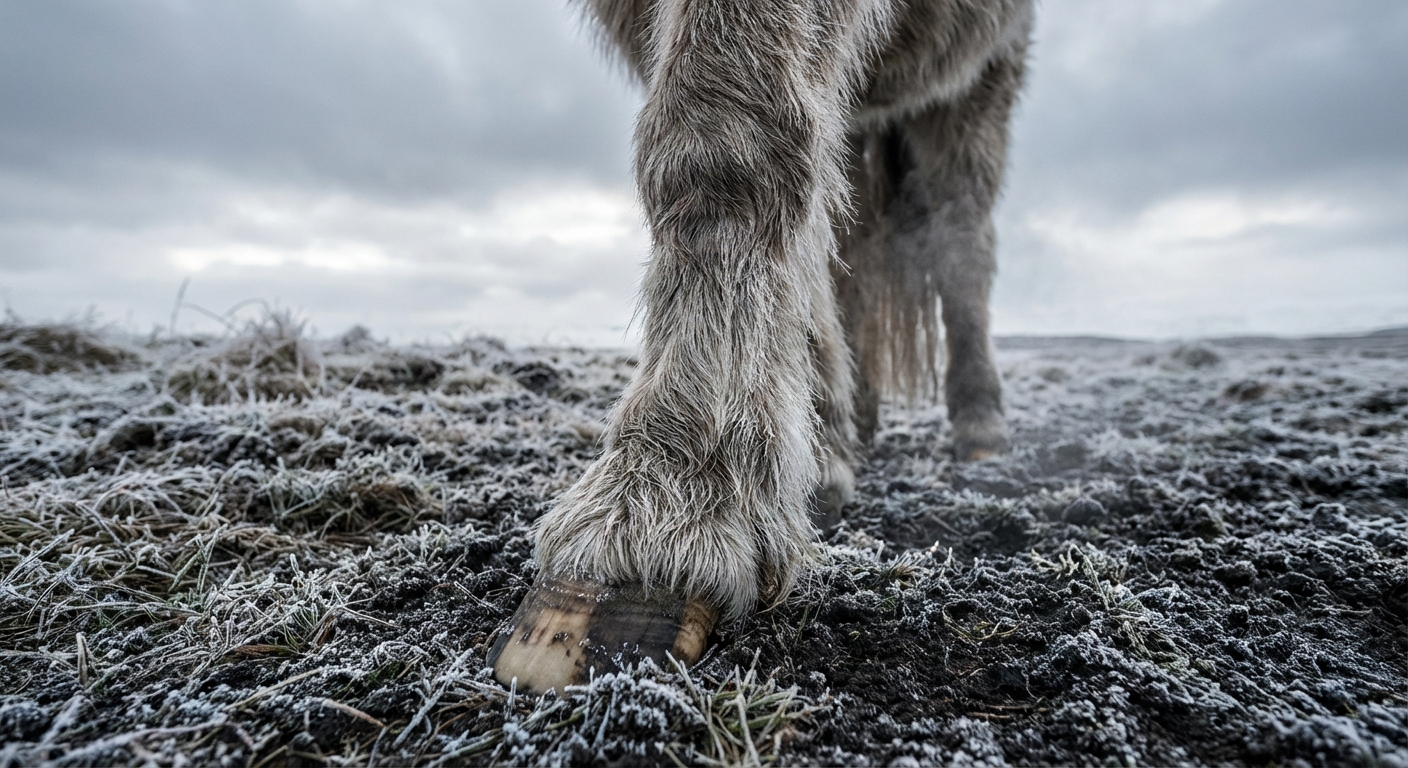
So I attempted something that seemed almost too insignificant to matter: I ceased treating "feeding" as an occasion and returned to treating food as an ambient condition. Not compensation, not a scheduled moment, not a statement of management—simply presence. I also surveyed the land with the same attention I give the horses. Soil, grass, the worn paths where hooves have made choices on our behalf. Pasture stewardship now feels less like organizing territory and more like safeguarding a microbial dialogue that depends on constant inputs and perpetual motion.
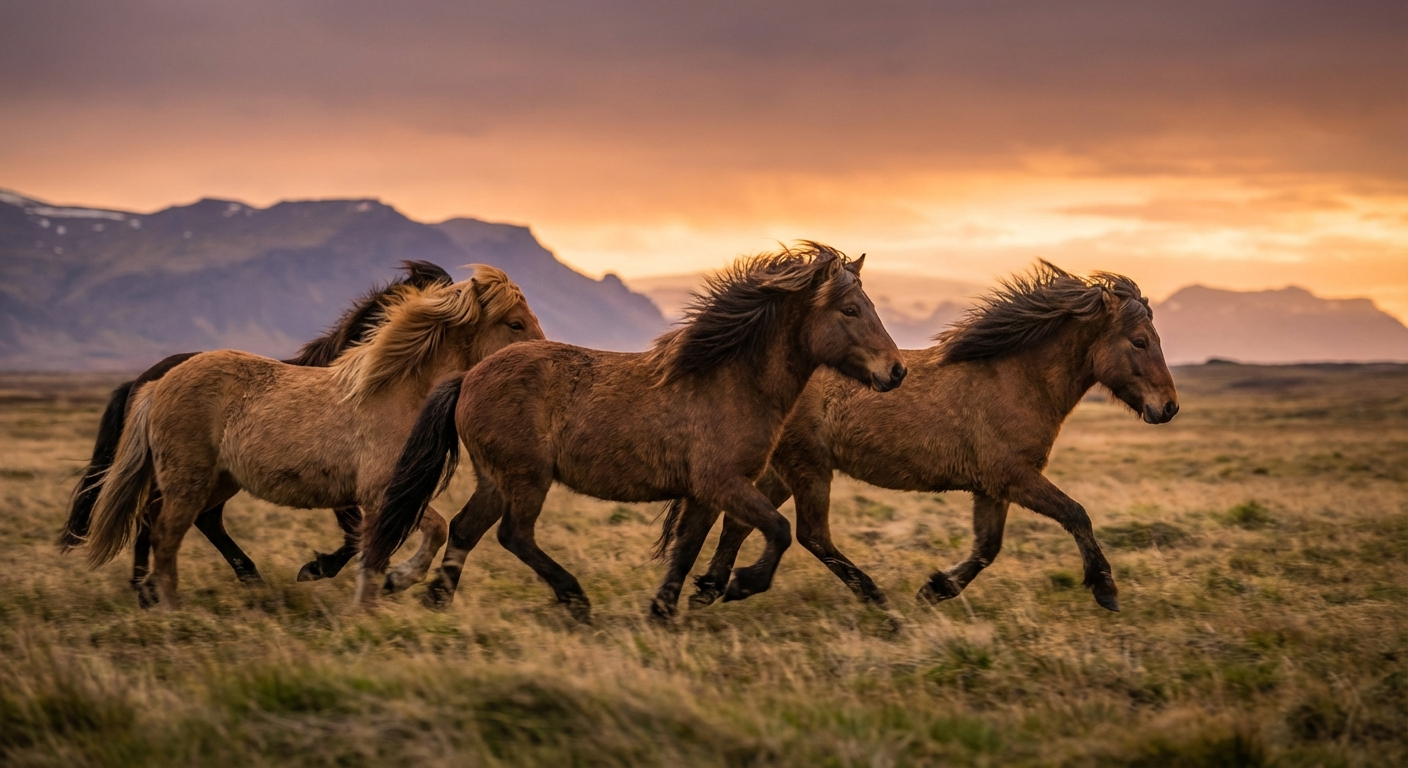
By late afternoon, the herd had resumed their walking with that serene assurance: an accumulation of miles built without direction. Their social distances normalized, the small negotiations over hay concluded without conflict, and the entire group appeared capable of forgetting my presence once more—which is often the truest measure of success. There is wisdom here for human communities as well: that healing often looks like forgetting, and the best care is the kind that eventually renders itself invisible.
Fermentation adaptation, for me, is becoming a discipline of restraint: fewer abrupt revisions, fewer interruptions that rob the horse of its right to sustain the internal work, and deeper reverence for the slow intelligence of a body designed to remain in motion with nourishment perpetually within reach.
Equine Notion
https://equinenotion.com/