Standing Like Safety: What Horses Hear in Human Posture
Standing Like Safety: What Horses Hear in Human Posture
Which arrives first to a horse's awareness—the sounds we utter, the intentions we carry, or the silhouette we cast against the sky?
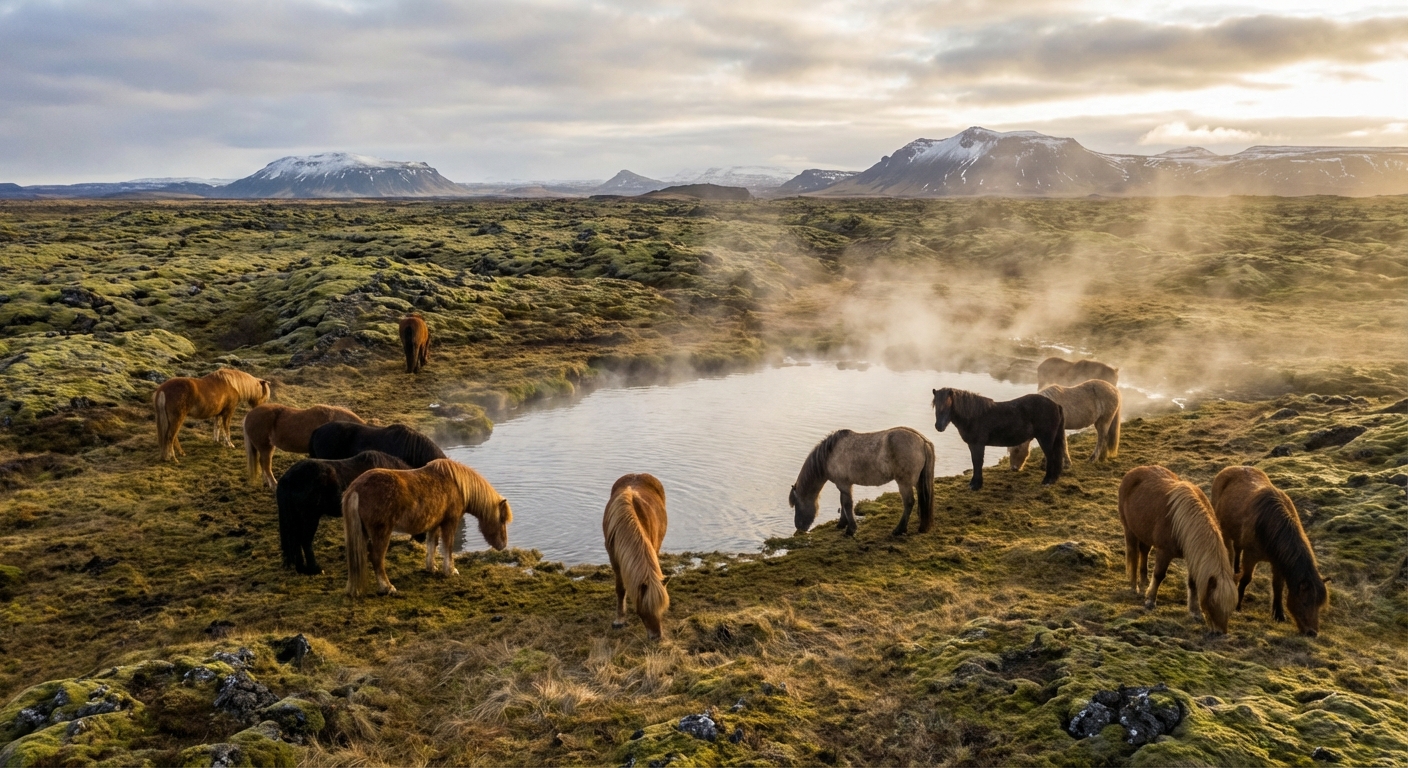
This morning I carried nothing with me into the pasture. No halter. No agenda. Simply an unhurried journey toward where the herd had scattered themselves in that relaxed arrangement they assume when no expectations press upon them. I halted well before encroaching on anyone's territory and allowed my weight to sink into the earth. The morning felt unremarkable, yet something in my body did not. My shoulders had crept upward as though I were engaged in some task, despite the absence of any task at all. How often we carry invisible burdens into our encounters with others, signaling effort where none is required.
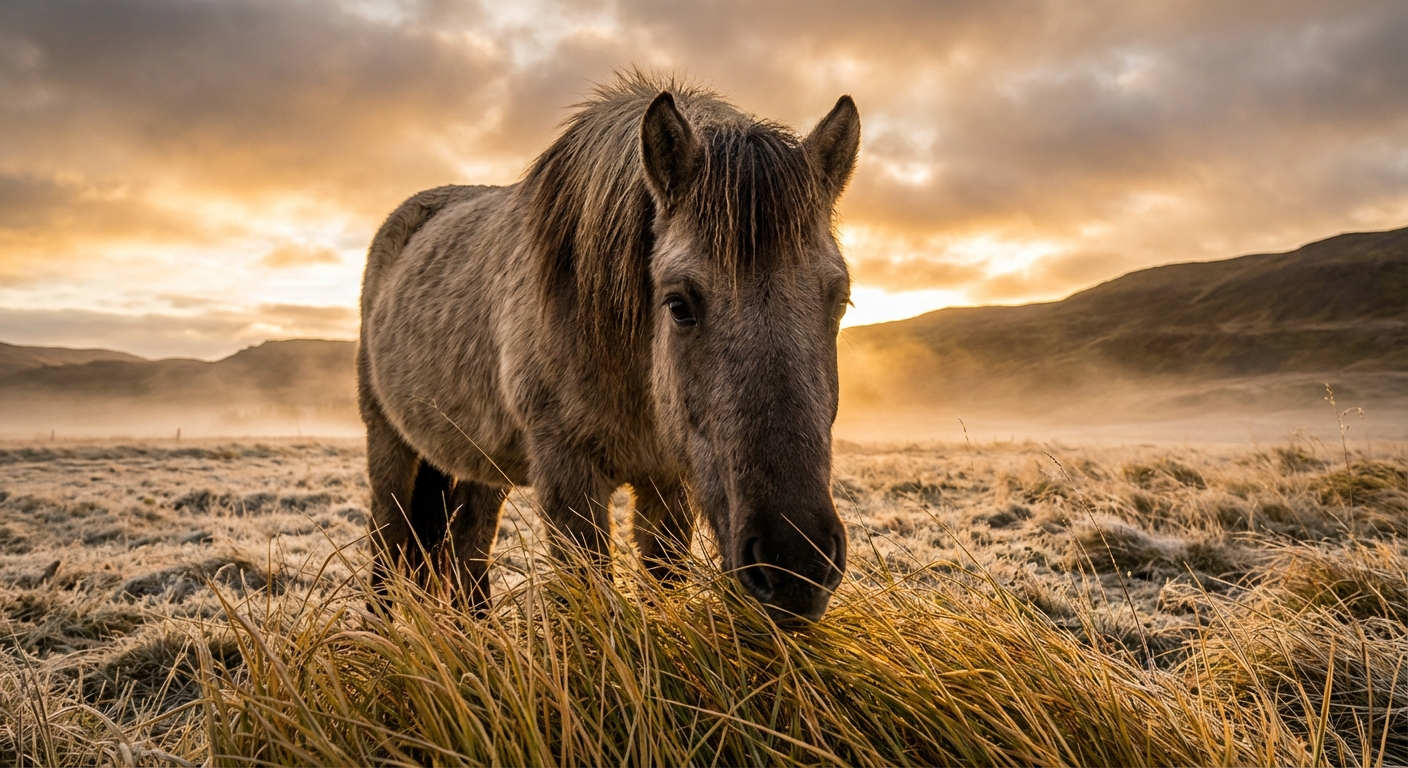
One horse lifted their head—not with alarm, not even curiosity—more like a silent assessment. Their ears rotated once, then their weight redistributed through the front legs as though they were determining what manner of presence I represented today. In that moment, I noticed I had been holding my breath. Nothing theatrical. Just sufficient tension to make my chest appear armored. We rarely realize how much our bodies confess while our minds remain oblivious.
So I altered nothing in that open space—no movement forward, no gesture of reaching, no voice offered. I simply allowed my ribcage to descend, my jaw to release, and my vision to soften into something wider than a focused beam. This was not a "method." It was something closer to becoming truthful about whether my presence offered refuge or threat.
The shift came immediately, in the manner that subtle things arrive with their own quiet immediacy. The horse's neck released by the smallest measure. Their head did not necessarily drop; it merely ceased being held aloft like an unanswered question. Moments later, they resumed their previous occupation, and I could perceive the distinction between being surveilled and being accepted. Perhaps the deepest form of belonging is not being welcomed with fanfare, but simply being allowed to exist without scrutiny.
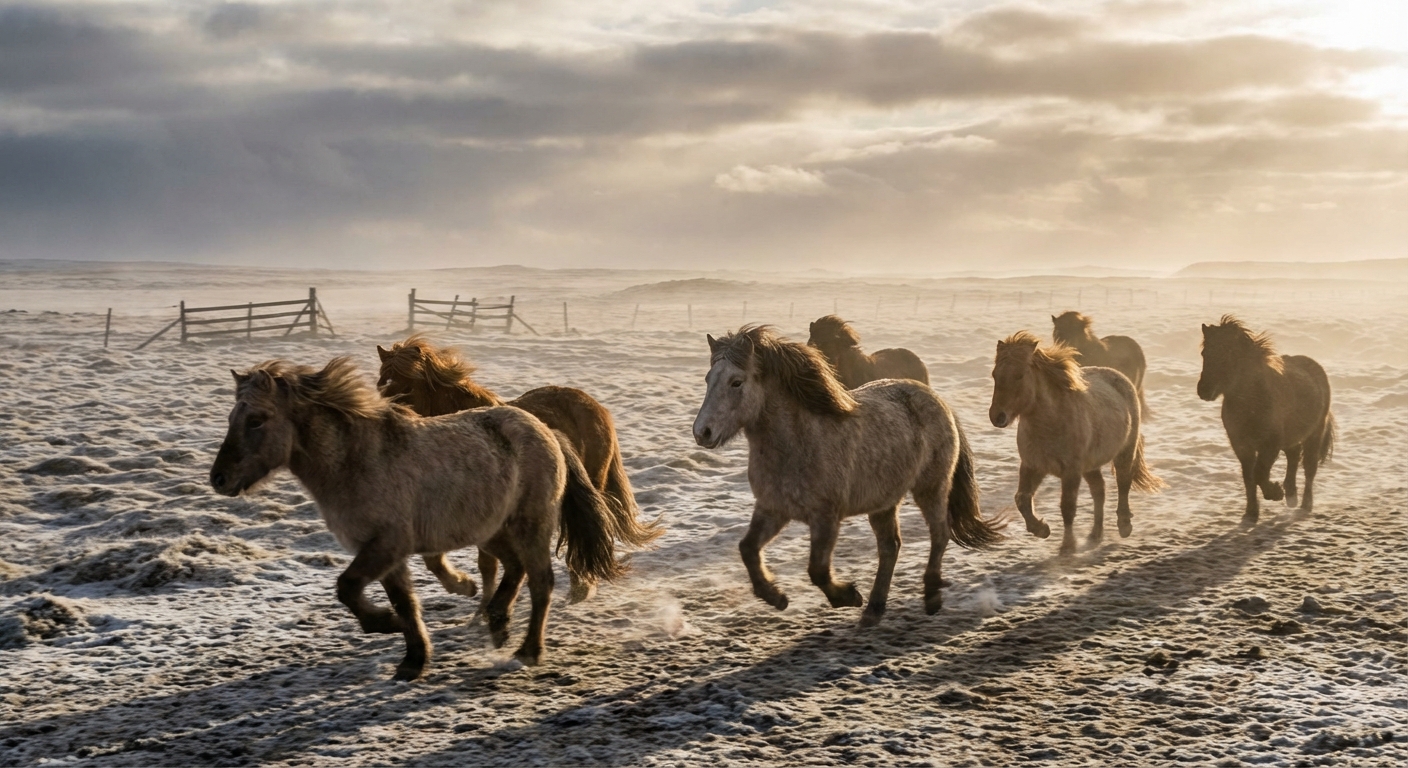
Within the herd, this same dialogue unfolds throughout the day without spectacle. Who defers at a feeding station shifts according to who arrived first and how contracted everyone's mood runs that particular day. Motion may originate with one horse and then ripple through another. There is no singular authority issuing commands; rather, a collective attunement to tension and release. Given this reality among horses, it follows naturally that they would approach humans identically: not seeking our dominance, but reading us for stability. In our human communities, we might ask ourselves whether we lead through control or through the quiet reliability of our presence.
Standing in that field, I grasped something elemental: my posture had been making a request, even as my conscious mind insisted I wanted nothing. When I achieved greater coherence—settled, transparent, unified from interior to exterior—I ceased transmitting "attend to me" and began offering what a horse interprets as dependable.
I departed without anyone trailing behind me. Yet I also departed without having wound the pasture's energy tight around my own nervous system. Sometimes the measure of a meaningful encounter is not what followed us home, but what we managed to leave undisturbed.
Equine Notion
https://equinenotion.com/