Straw or Shavings? When the Bedding Debate Reveals a Bigger Breath Problem

Hook
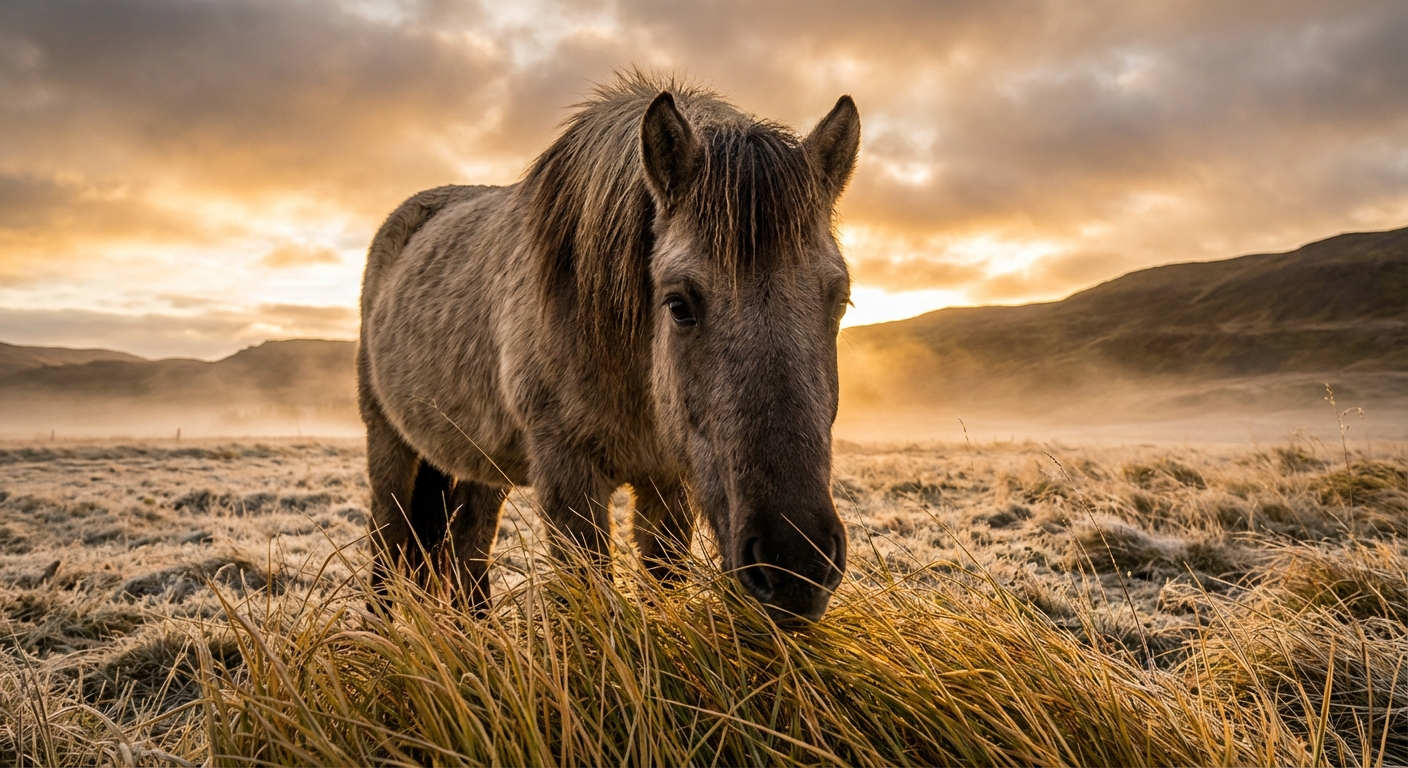
I have lingered at the boundary of a pasture, observing horses navigate their own hours—muzzles lowered, wandering from one grazing spot to another, setting their own tempo without reference to any schedule. In such a moment, the perennial question—straw or shavings—never even surfaces. Not because respiratory health lacks importance, but because the entire context has shifted so profoundly that "bedding" ceases to occupy the center of what the horse breathes.
Perhaps we, too, find our most pressing anxieties dissolve when we finally step into environments that render them irrelevant.
1) Why "straw vs shavings" shows up in the first place
The bedding question typically emerges from a particular scenario: an equine confined indoors, frequently within cramped quarters, for extended periods.
Across countless stables, horses find themselves "enclosed in diminutive boxes." When existence shrinks to the dimensions of a stall, the floor transforms into the horse's entire universe. Bedding becomes the substrate upon which they stand, rest, and draw each breath.
Thus, the bedding debate transcends mere material selection. It speaks to the very nature of equine existence we have constructed—one in which natural locomotion, open atmosphere, and autonomous decision-making give way to managerial choices enacted within four confining walls.
How often do we humans similarly debate surface-level solutions while the deeper architecture of our lives remains unexamined?
2) The simplest respiratory support: letting the outdoors do the heavy lifting
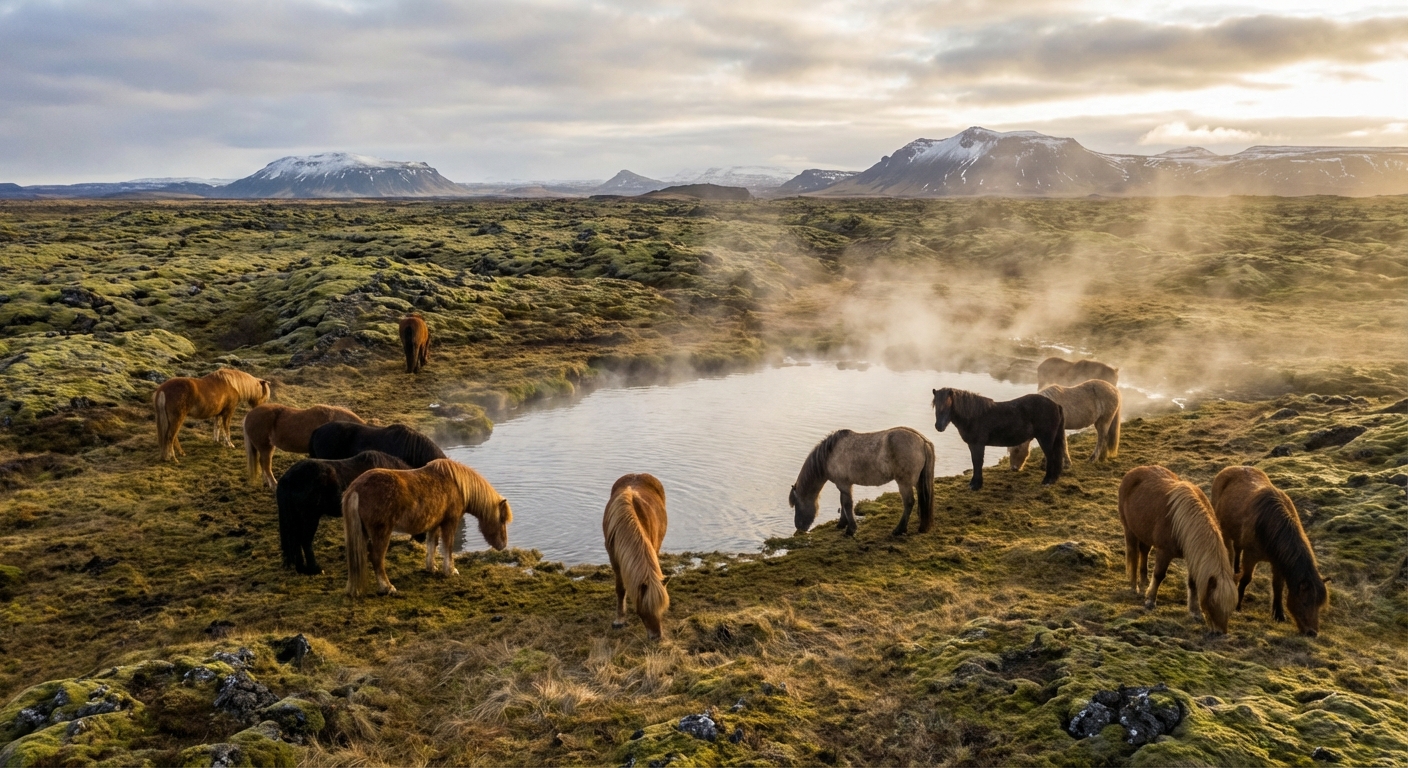
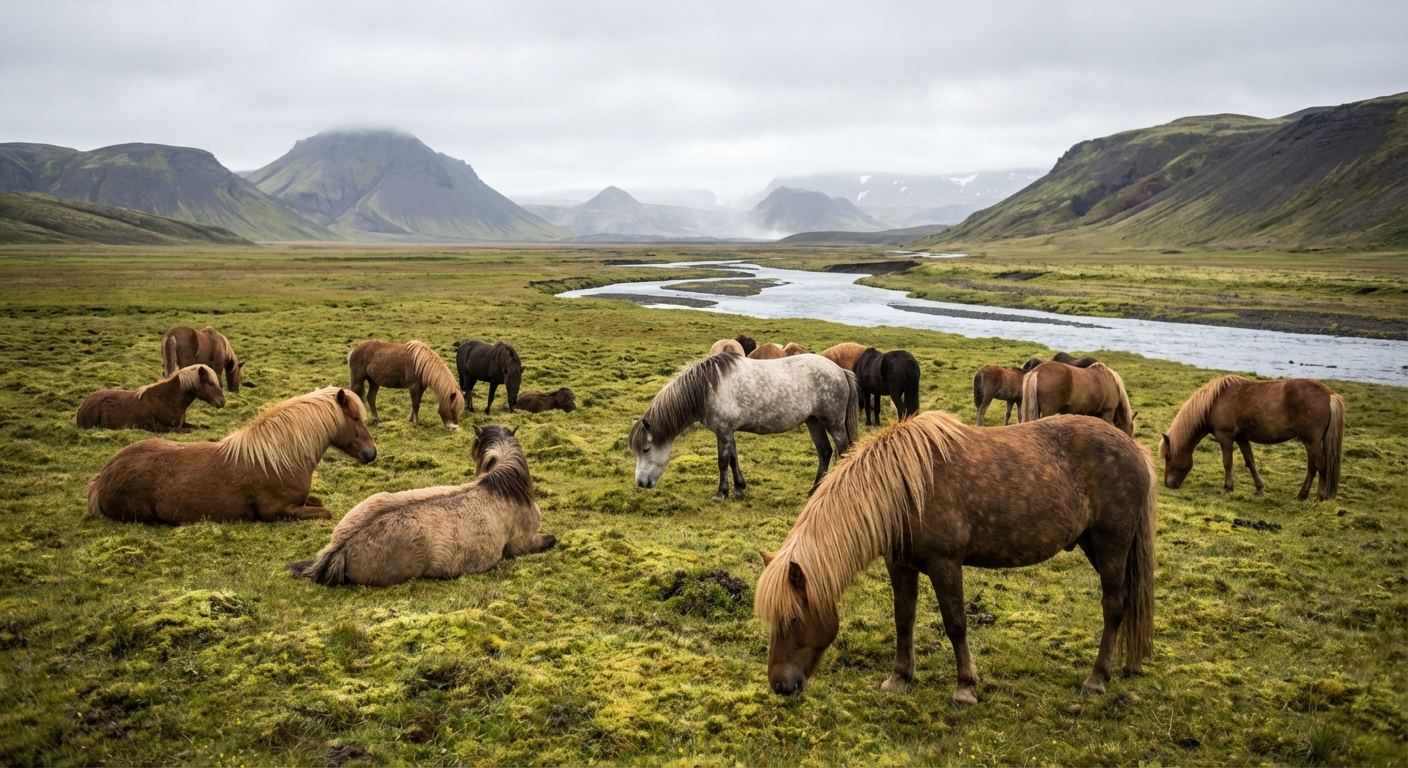
On our property, the horses enjoy access to nearly all the terrain. The arrangement can even appear inverted: a modest fenced zone near our dwelling creates the impression that we humans are the confined ones, while the horses roam freely across open earth.
This inversion carries significance.
It transforms the fundamental question from "how do we maintain tolerable air quality within an enclosed structure?" to "how do we preserve their world's openness so that air quality requires no constant engineering?"
When the horse's principal habitat lies outdoors, the bedding dilemma diminishes by its very design—because the horse no longer spends entire days with nostrils hovering above an artificial surface.
The same principle applies to human flourishing: sometimes the wisest intervention is removing the conditions that created the problem.
3) Coexistence without riding: choosing environments over constant fixes
So much of equine stewardship devolves into an endless sequence of remediation. We establish artificial conditions, then exhaust ourselves addressing their consequences.
Yet coexistence that excludes riding or training invites an altogether different orientation: construct the daily environment such that the horse can simply exist.
This explains why expanding available land—enabling horses to wander, rest, forage, and change locations—proves more essential than resolving bedding disputes. The objective is not to triumph in the straw-versus-shavings argument; it is to interrogate why the horse must depend on bedding whatsoever, rather than depending on territory, fresh atmosphere, and self-determined rhythms.
We might ask ourselves the same: how many of our daily struggles stem not from poor solutions, but from conditions that should never have been accepted as normal?
4) Feeding style and breathing: when the clock disappears
Our feeding philosophy does not revolve around predetermined mealtimes. Rather, we endeavor to cultivate authentic foraging behavior.
In practical terms, this means establishing conditions where horses can encounter various hay varieties and uncultivated herbs. They may select, guided by innate wisdom, whichever nutrients their bodies require.
This bears upon the "respiratory question" because it liberates the day from concentrated, scheduled intervals that cluster horses in a single location, anticipating. When nourishment becomes something they pursue organically—roaming, choosing, circling back—it harmonizes with outdoor existence rather than indoor regimentation.
And this alters the nature of your stewardship entirely. You cease managing "stall existence" and begin cultivating a landscape that sustains a horse engaged in the fullness of being a horse.
There is wisdom here for human life as well: when we design for natural rhythms rather than against them, management gives way to flourishing.
5) What the bedding debate can distract us from
Straw versus shavings appeals because it feels tangible. One can exchange one material for another and experience the satisfaction of having taken action.
Yet if the horse continues to inhabit a cramped enclosure, the fundamental problem persists: a circumscribed existence wherein the indoor environment must shoulder an unbearable burden.
When the horse possesses most of the land, attention gravitates toward larger, subtler considerations:
- What portion of the day belongs to the horse, rather than to the structure?
- How much latitude does the horse possess to remain here, or to depart?
- How frequently do we organize around the horse's innate patterns—such as foraging—rather than compelling the horse to conform to ours?
Within this framework, bedding assumes a subordinate role—something occasionally necessary, perhaps, but no longer the cornerstone of wellbeing and ease.
We might recognize our own tendency to obsess over small optimizations while the larger shape of our lives quietly suffocates us.
6) A practical, non-dogmatic way to hold the question
Given only the viewpoint offered here, insufficient detail exists to pronounce judgment on straw versus shavings as materials.
What remains evident is this: the more we accept cramped indoor enclosures as standard "horse accommodation," the more pressing and fraught the bedding question becomes.
And the more we embrace open living—where horses command most of the terrain, and feeding nurtures natural foraging—the more the horse's daily respiration finds support in the most elementary resource available: the world beyond walls.
This represents a choice about coexistence. Not a training regimen. Not an equestrian ambition. Simply a resolution to cease constructing a way of life that perpetually demands correction.
Perhaps the deepest question is not which remedy to apply, but whether we have the courage to build lives—for ourselves and those in our care—that need no constant fixing.
Equine Notion
https://equinenotion.com/