Subtracting Ourselves: Innovation by Letting Horses Solve the Day
Subtracting Ourselves: Innovation by Letting Horses Solve the Day
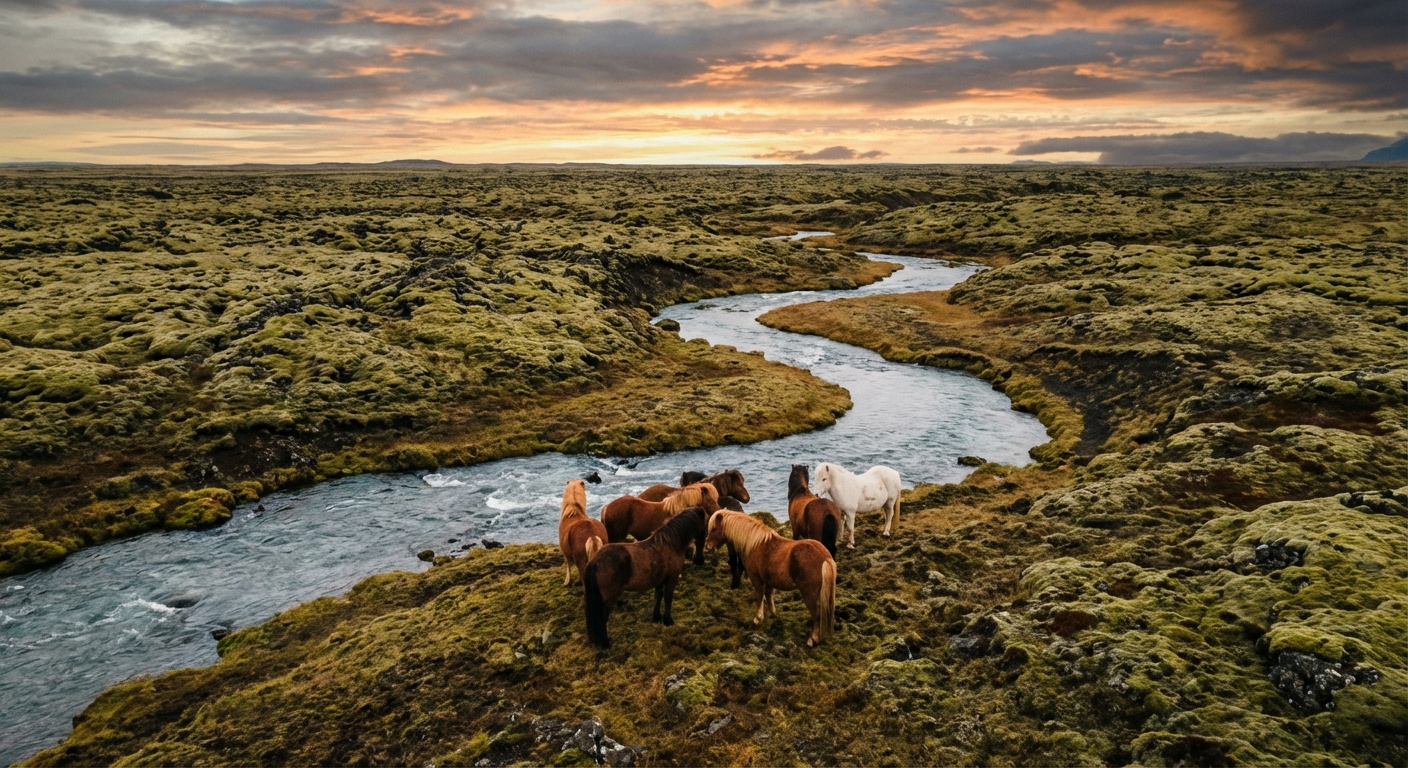
The moment I ceased attempting to "correct" the pasture rhythm, the horses crafted something superior on their own.
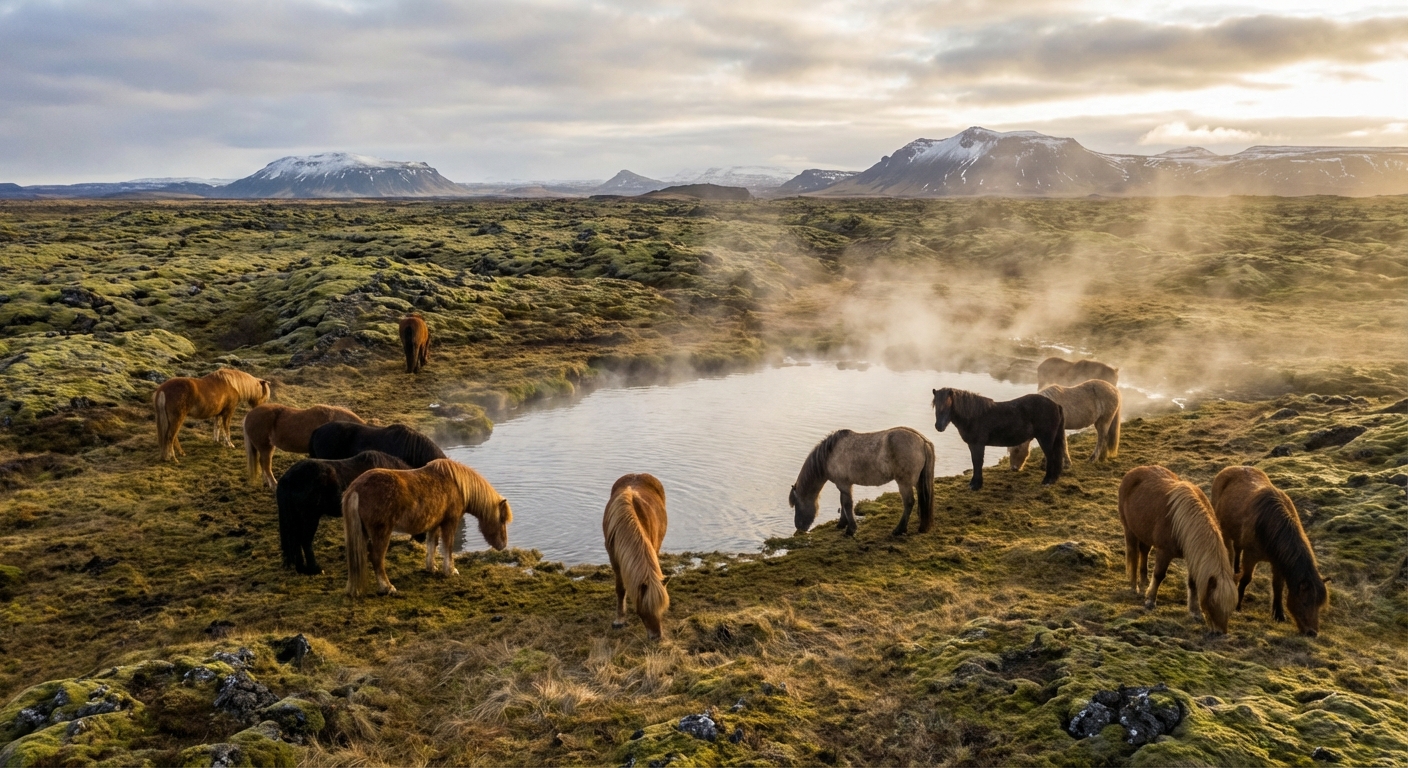
Nothing theatrical transpired. No sweeping gesture was required. Simply a hushed choreography of decisions: wandering toward grazing, exchanging companions, departing, returning again.
I once approached problem-solving as a gift I was meant to bestow upon them—novel objects, fresh configurations, human ingenuity imposed from above.
Yet horses already operate within a perpetual design cycle of their own making.
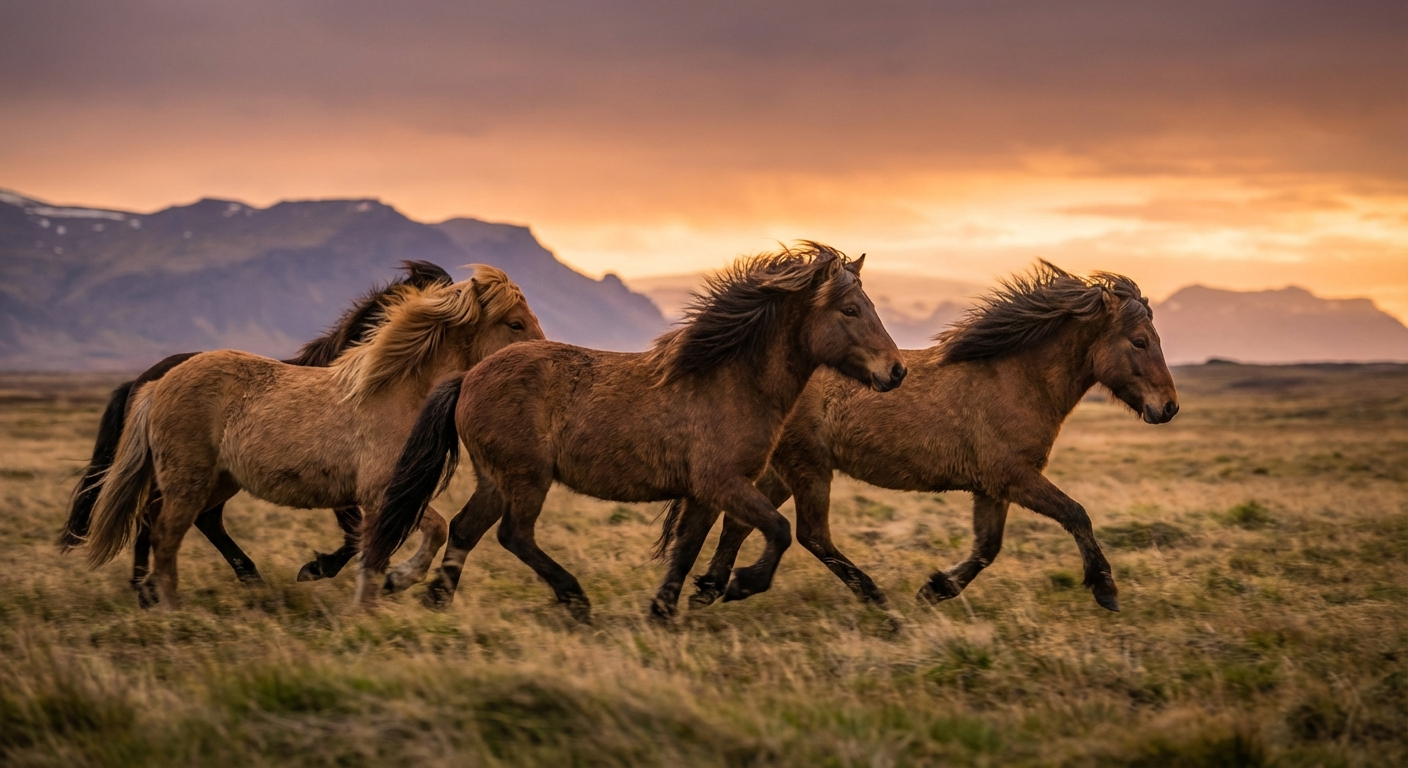
They innovate through locomotion. An existence that permits unhurried, continuous motion—something akin to the expansive, meandering rhythm their bodies evolved for—generates an unending current of small trials: where the terrain feels most forgiving today, where the atmosphere carries the least tension, where the herd finds its deepest equilibrium. Perhaps we, too, discover our truest solutions not through frantic intervention but by allowing ourselves the freedom to wander, to test, to circle back.
Innovation, understood this way, is not "enrichment." It is simply access.
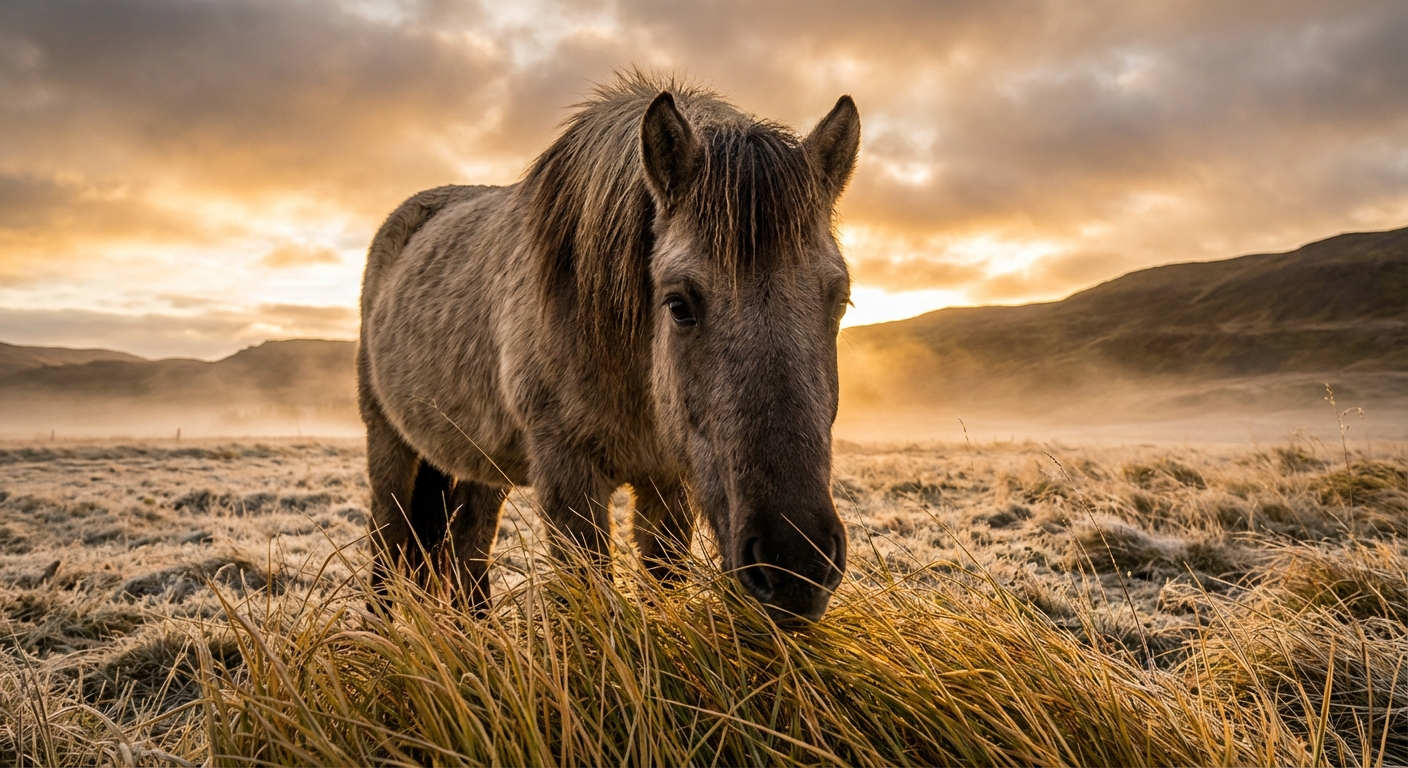
Access to forage without prolonged intervals, so the digestive system need not endure vacancy.
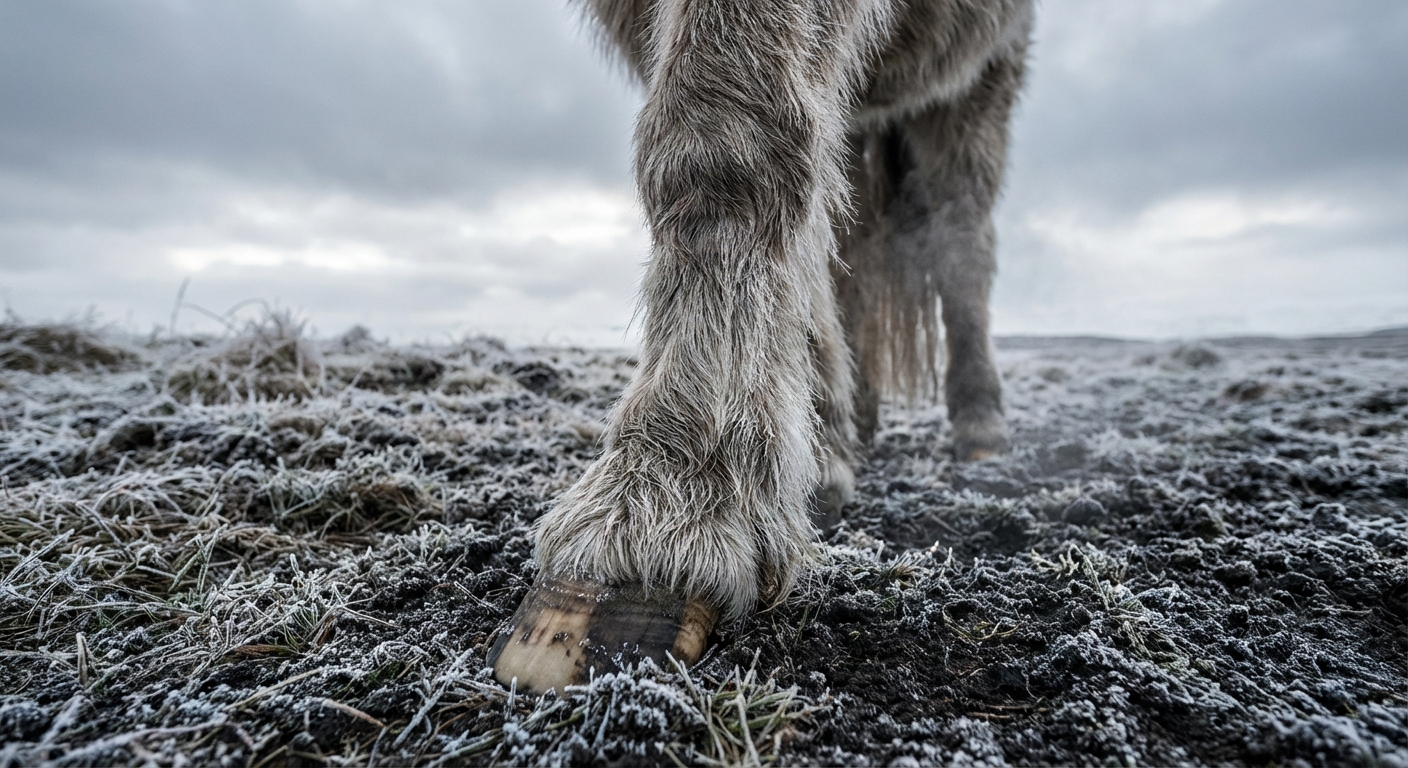
Access to diverse terrain and sufficient duration, so the hoof can calibrate itself without perpetual rescue from crisis-driven intervention.
Access to social territory, so bonds may evolve organically without every exchange being reduced to a dominance narrative. In human communities, too, relationships flourish when we grant them room to breathe rather than scripting every encounter.
When we constrict existence, we impose a singular, narrow resolution: administration. The identical timetable, the identical station, the identical response.
And then we express astonishment when the horse begins echoing itself—pacing, weaving, cycling through a behavior that resembles habit but may instead be the environment articulating itself through flesh. How often do our own repetitive patterns—our anxieties, our loops of thought—speak not of personal failing but of a life too tightly constrained?
The most revolutionary "instrument" I have witnessed is restraint.
Not abandonment. Not a romanticized withdrawal.
Rather: clearing away the barriers that prevent horses from employing what they already possess—perpetual grazing, self-directed movement, and a social landscape where yielding and initiating shift fluidly with circumstance and context. We might ask ourselves what innate capacities we suppress in our own lives through excessive structure and well-meaning interference.
Even protection can invert its purpose.
We attempt to shield them by sealing them away from weather, earth, and the ordinary negotiations of herd life—only to find ourselves sustaining a brittle architecture that demands endless adjustment. Our own protective instincts, too, can calcify into prisons when we mistake insulation for care.
Coexistence becomes creative when our opening gesture is subtraction: fewer intrusions, fewer compulsory pauses, fewer schedules dictated by human urgency.
Equine Notion
https://equinenotion.com/