Sun on the Skin: When “Protection” Quietly Steals a Basic Need

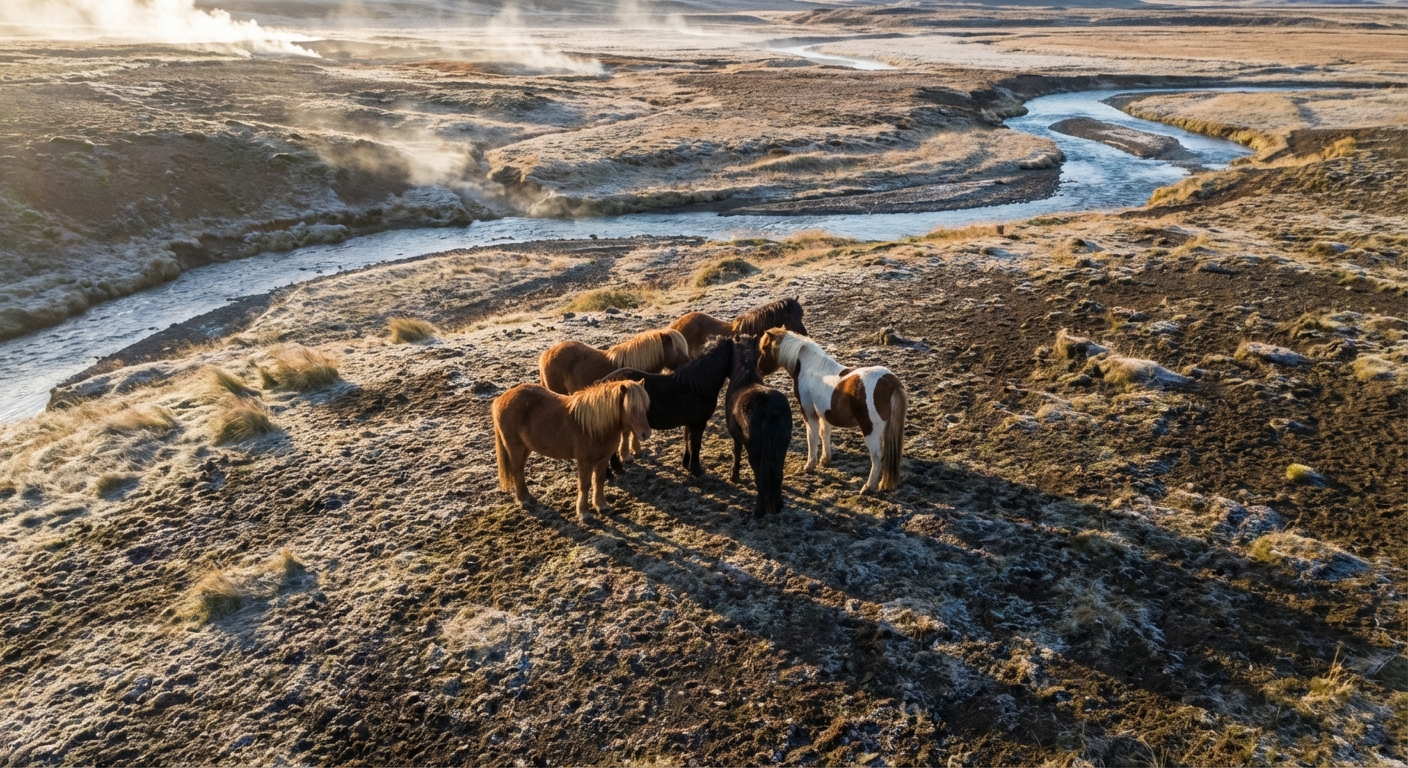
Sun on the Skin: When "Protection" Quietly Steals a Basic Need
What shifts in our understanding when we recognize sunlight touching skin not as a pleasant extra on fair-weather days, but as something the equine body fundamentally anticipates and requires?
True coexistence starts to resemble subtraction rather than addition—clearing away the modest obstacles that prevent a horse from fulfilling its elemental needs, rather than layering on interventions and supplements.
Access, Not Scheduling
The horse's daily rhythm revolves around perpetual grazing. The moment feeding ceases, the internal clock of gastric acid begins its corrosive work. In the same manner, sunlight cannot be relegated to something we "fit in" after our human agendas have been satisfied.
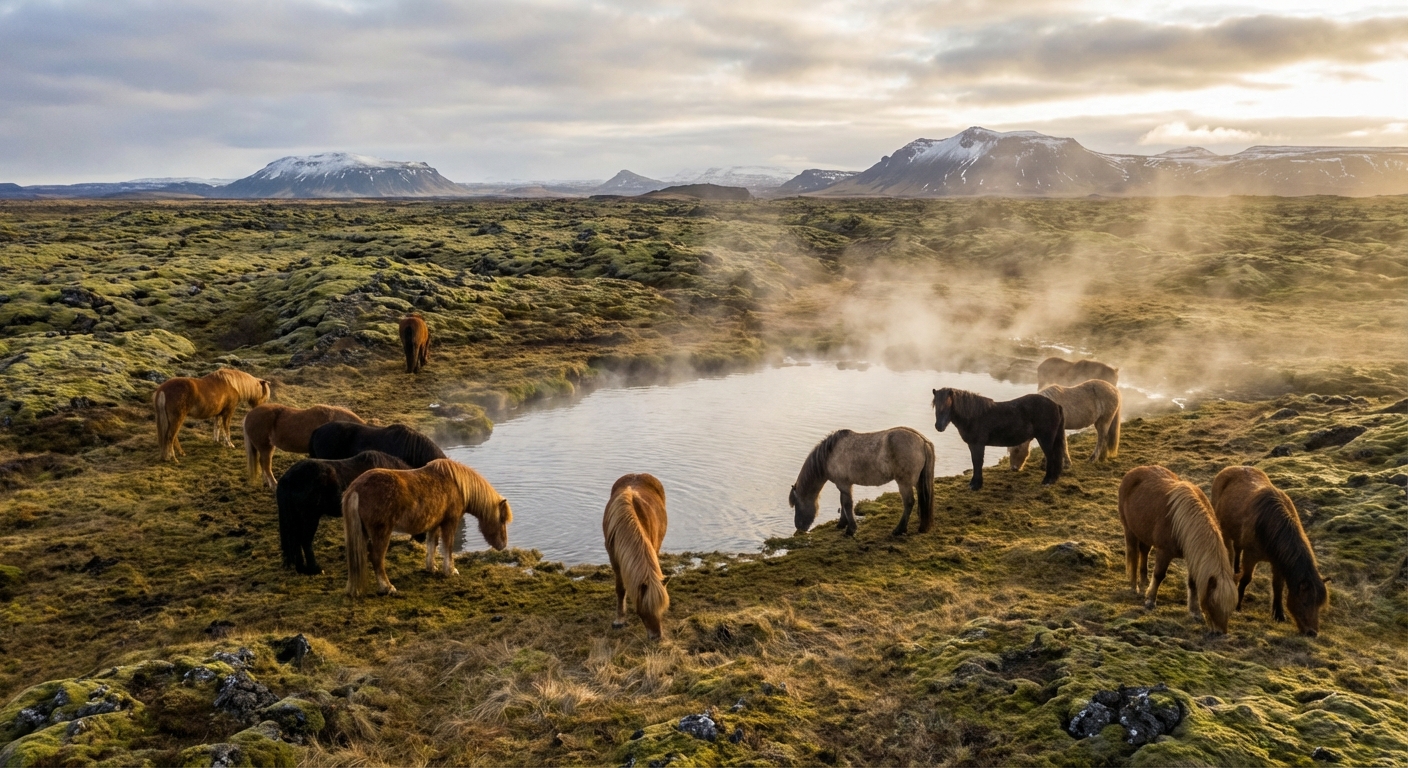
When a horse remains confined indoors for extended periods, we disrupt more than feeding rhythms—we sever the animal from the fundamental experience of existing outdoors. It is outside where the horse can layer its needs simultaneously: locomotion, mastication, the presence of herdmates, elements against the coat, and light upon the skin.
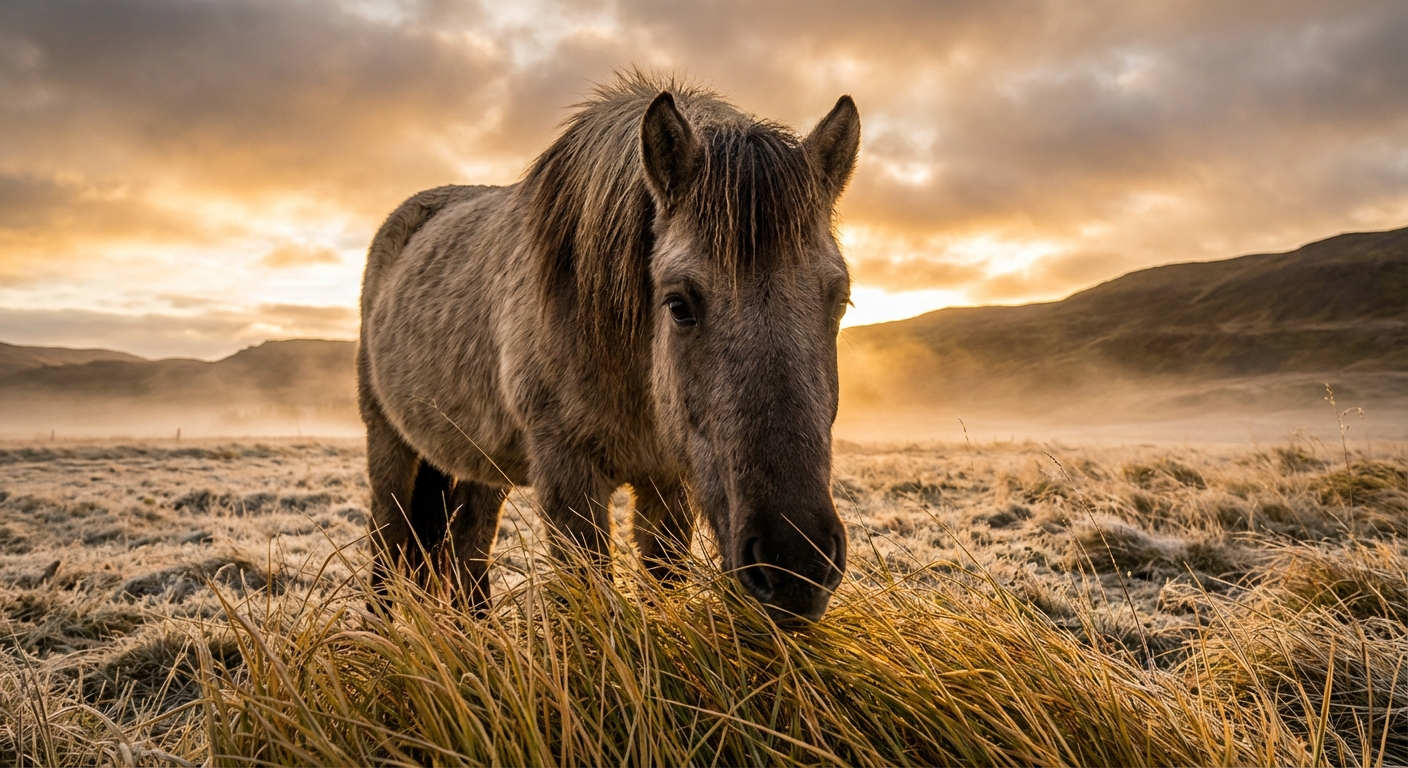
A more useful framework abandons the question, "Did they get outside today?" in favor of, "Were they free to seek sunlight whenever they desired?" This autonomy matters profoundly because horses do not organize their existence around our singular turnout window; their day unfolds as a tapestry of subtle transitions.
We might recognize this same truth in our own lives—how often we schedule wellness into rigid blocks rather than designing days where vitality emerges naturally from how we live.
The Protection Paradox on the Back and Belly
Protection frequently arrives as a universal remedy: encase the body, regulate the environment, homogenize comfort. Yet the protection paradox reveals itself when the very measure intended to safeguard an animal simultaneously obstructs the conditions its physiology evolved to utilize.
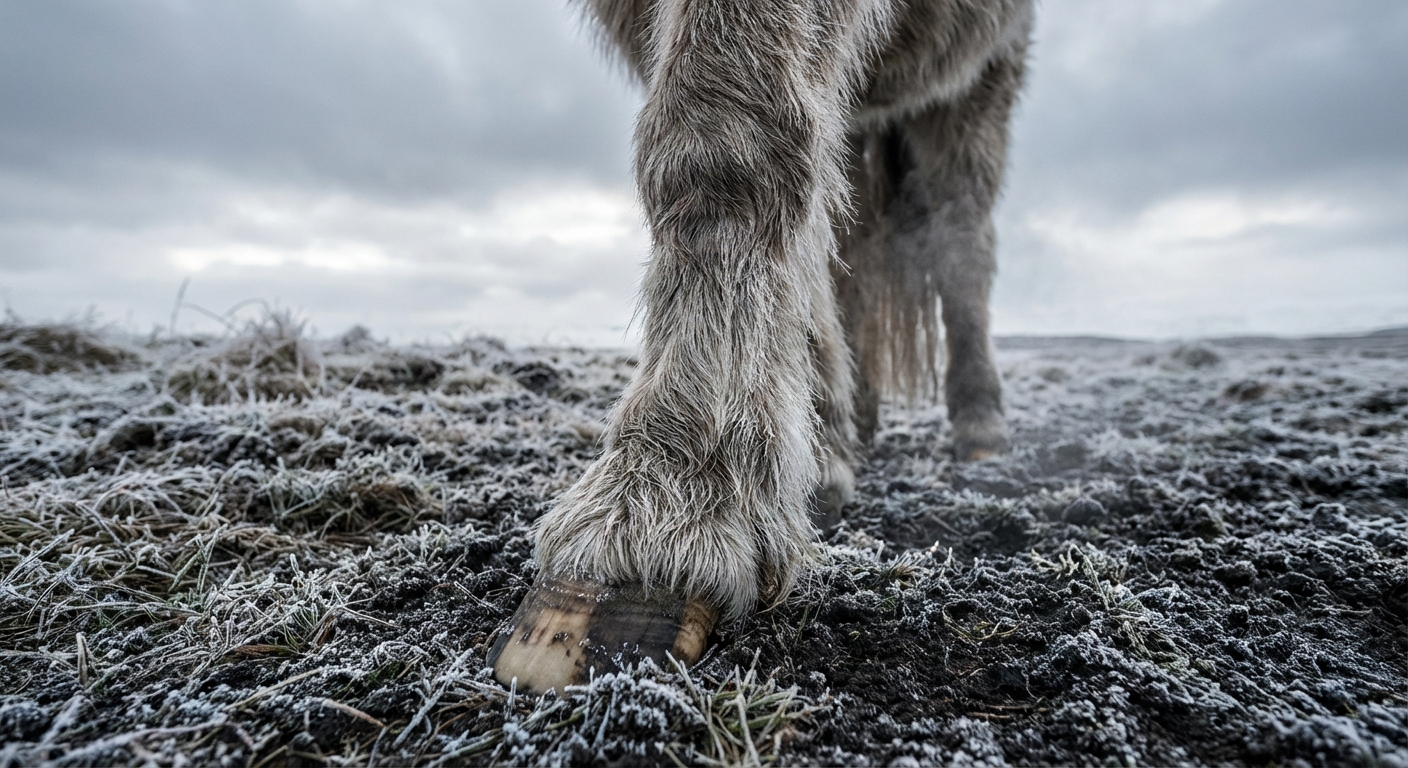
Rugging, stabling, and perpetual shelter can become an unspoken exchange: diminished environmental variability, but correspondingly fewer opportunities for skin and coat to encounter the world as biology intended.
Living alongside horses does not demand we abandon protective measures; it asks us to examine whether protection has silently transformed into constraint. Sometimes the most genuine form of care is simply guaranteeing the horse can move into sunlight, retreat from it, and self-regulate without being administered into a single condition throughout the day.
Humans face this same paradox—our climate-controlled buildings, filtered environments, and risk-averse habits may shield us while simultaneously starving us of what our bodies were built to receive.
Build a Day Where Sunlight Happens While Life Happens
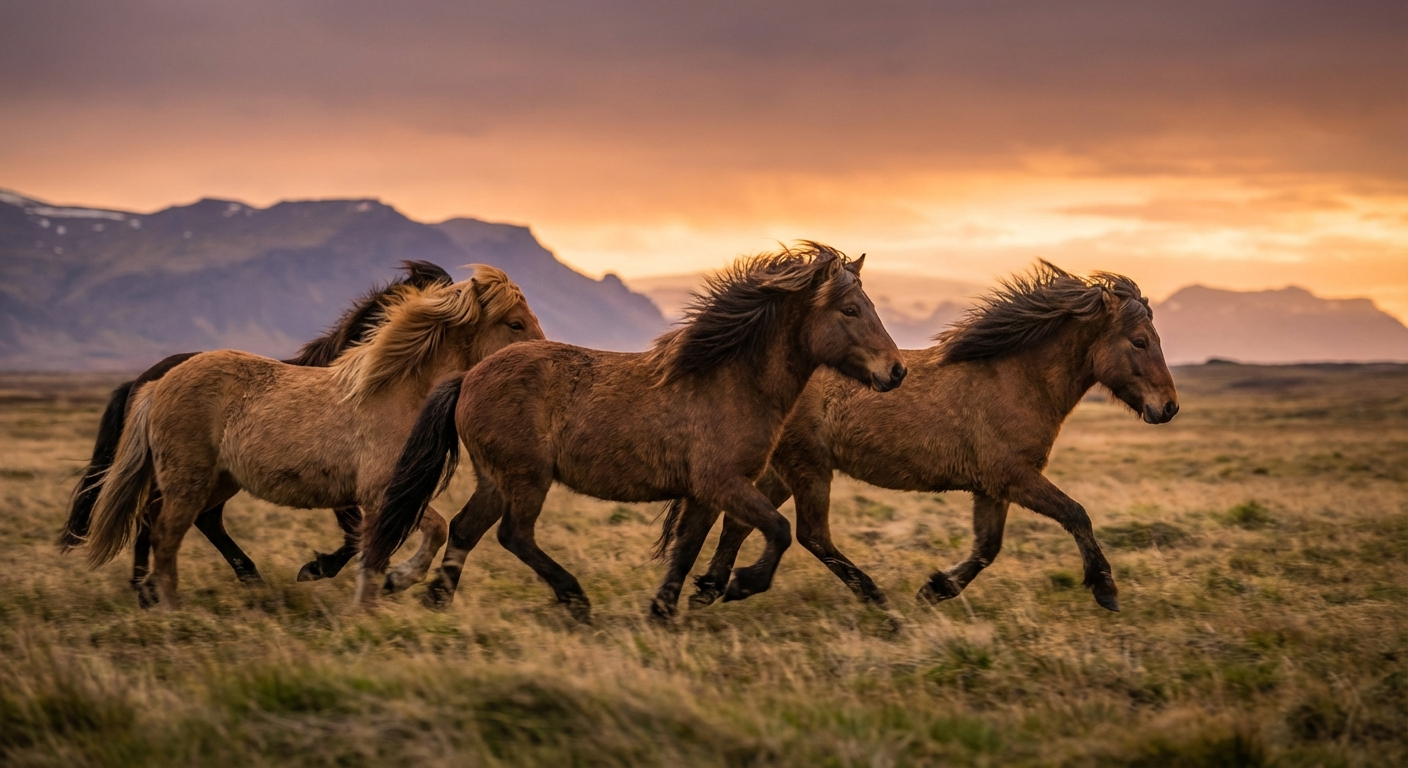
Movement is not supplementary. The foundational requirement involves substantial daily distance, and this locomotion naturally intertwines with foraging. When a horse is outdoors, traveling, and grazing, exposure to sunlight becomes woven into existence itself rather than isolated as a discrete health intervention.
Here is where social architecture also enters the picture. When herd dynamics remain settled, horses can devote more of their hours to equine pursuits rather than remaining consumed by social anxiety. A peaceful communal atmosphere sustains the elemental rhythms: browse, wander, pause, relocate—frequently beneath shifting light.
Thus the question transforms from, "How do I administer vitamin D?" to the coexistence inquiry: "Have I constructed an existence where the horse can satisfy bodily requirements without my hand-delivering each one?"
Perhaps this is the deepest lesson horses offer us: that thriving is less about managing individual needs and more about designing a life where those needs fulfill themselves through the simple act of living fully.
Equine Notion
https://equinenotion.com/