When We Suspect the Field: Living With the Fear of Glyphosate and Choosing the Horse’s Gut Baselines

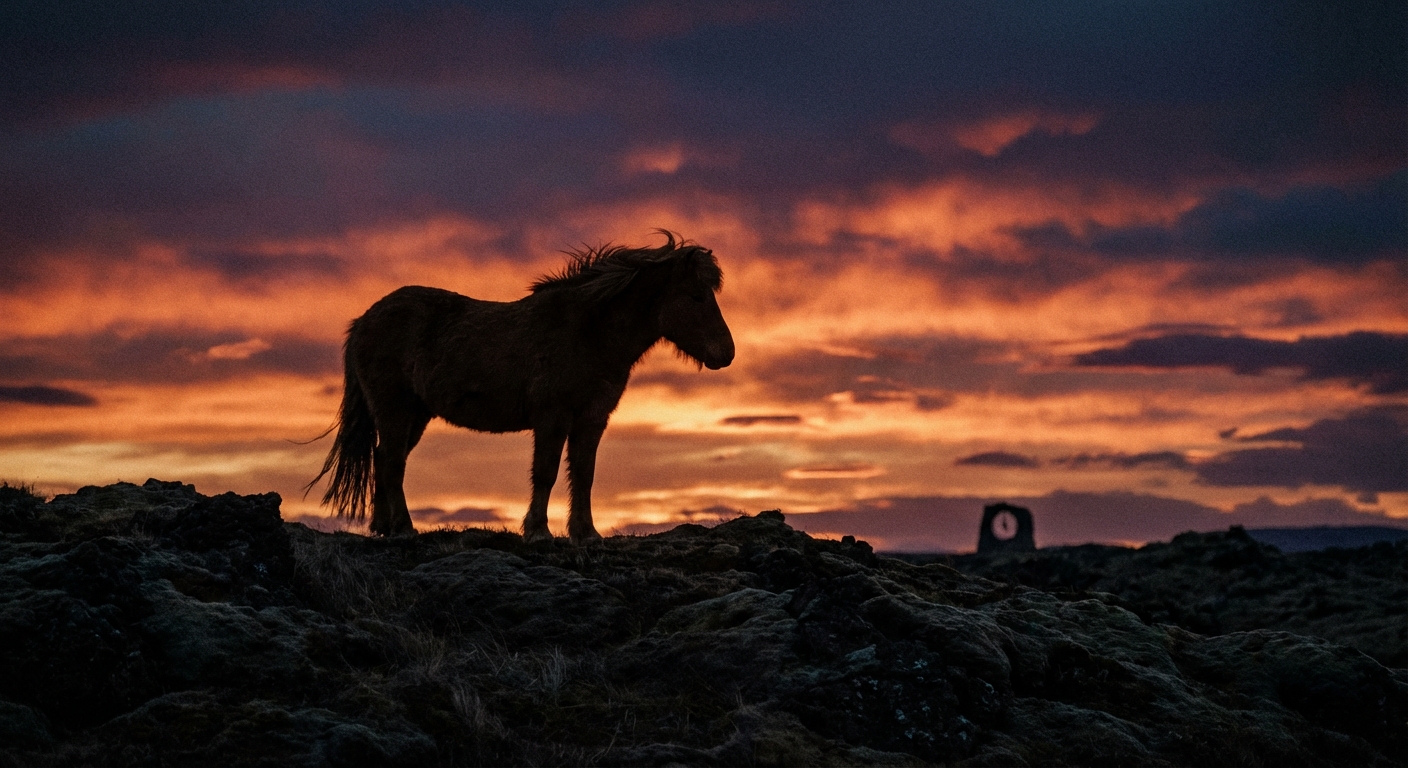
When We Suspect the Field: Living With the Fear of Glyphosate and Choosing the Horse's Gut Baselines
How should we respond when we sense something unseen—something beyond our capacity to witness—may be working its way through a horse from within?
The anxiety surrounding glyphosate and "gut damage" often stems from uncertainty about where injury truly originates. A horse may appear perfectly healthy on the surface while exhibiting subtle shifts that send us searching for answers: tension in demeanor, diminished ease, a kind of restless seeking. When we share life with horses, there is a pull to place the invisible threat at the center of everything. Yet horses do not exist within narratives of singular causation. Their lives unfold in accumulated hours, in each bite taken, in every step walked, and in the nearness of their companions; they dwell upon earth that yields sustenance, shaped by routines that either honor their biology or fracture it.
The Gut Isn't an Organ, It's a Schedule
The acid in a horse's stomach does not pause for our understanding to catch up. It persists—regardless of whether the horse is eating. This means that the foundation of genuine "gut care" is seldom found in a supplement or a hypothesis. It begins with time spent in the presence of forage.
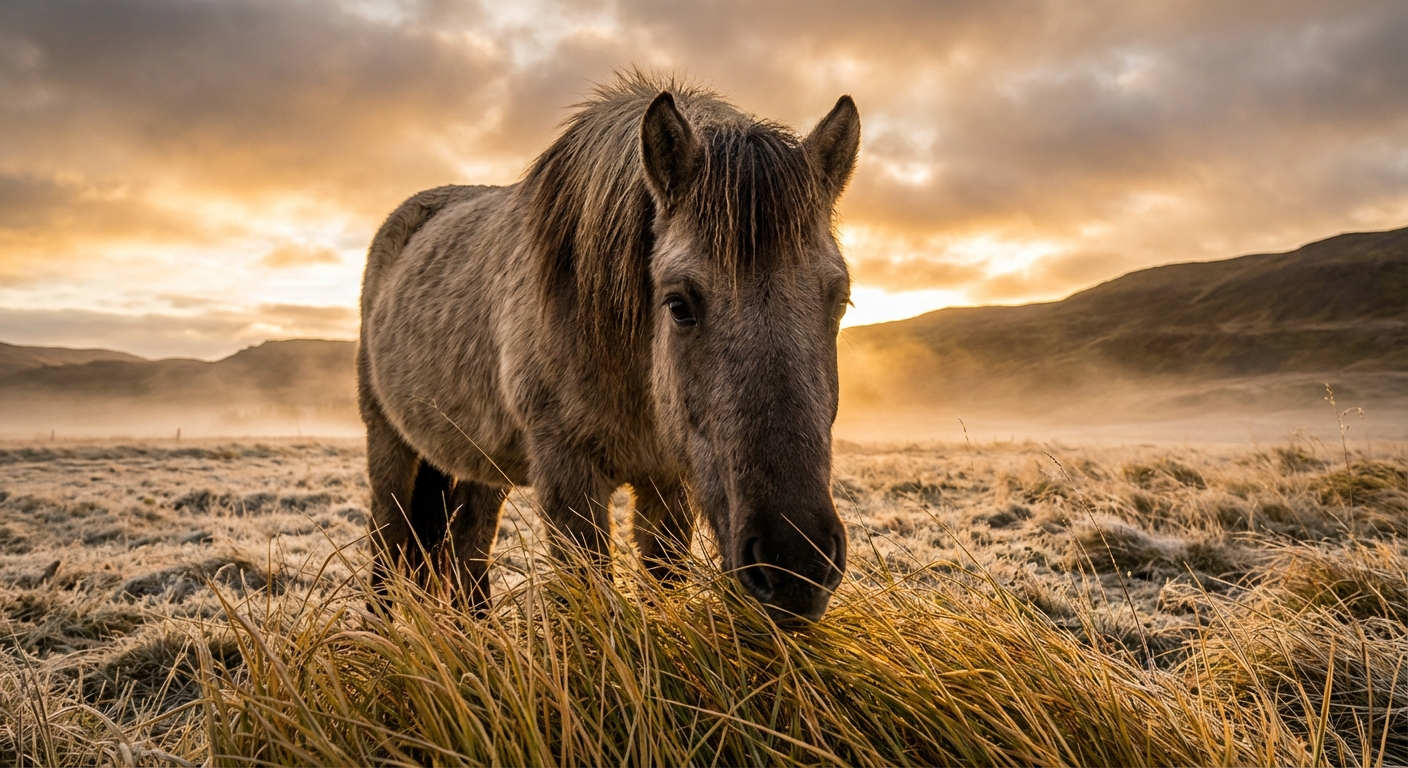
Uninterrupted access to forage represents a fundamental welfare standard, not an indulgence. When we embrace coexistence, our purpose transforms from "providing meals to the horse" toward guaranteeing that food remains perpetually accessible in harmony with the horse's ceaseless drive to chew and browse.
When a horse is denied the opportunity to eat—through nights spent confined, extended intervals without food, or management philosophies that treat grazing as optional—the digestive system is forced to endure what should never be endured, long before any suspected chemical enters the picture. Even unavoidable circumstances such as travel, veterinary care, or shifts in routine must be viewed through the lens of the "acid-damage clock" that begins its countdown the moment eating ceases. Seen this way, concern about glyphosate can actually illuminate the path forward: it can return us to the essential inquiry—was the horse permitted to eat and move according to what its body anticipates, today?
We might recognize this rhythm in our own lives: the body does not wait for our permission to need what it needs. When we ignore our own biological clocks—skipping meals, disrupting sleep, overriding the body's quiet requests—we too accumulate invisible costs that surface later as tension, illness, or unease.
The Protection Paradox: Over-Controlling the Risk
Concern can give rise to safeguarding. Safeguarding can imperceptibly transform into confinement.
It feels instinctive to react to suspected pesticide exposure by drawing the boundaries tighter: reducing turnout, curtailing grazing, severing the horse's relationship with the pasture, attempting to manufacture security through isolation. Yet here the protection paradox reveals itself: in our effort to shield the horse from one hypothetical danger, we can dependably inflict another—diminished movement, fewer opportunities to eat, reduced autonomy.
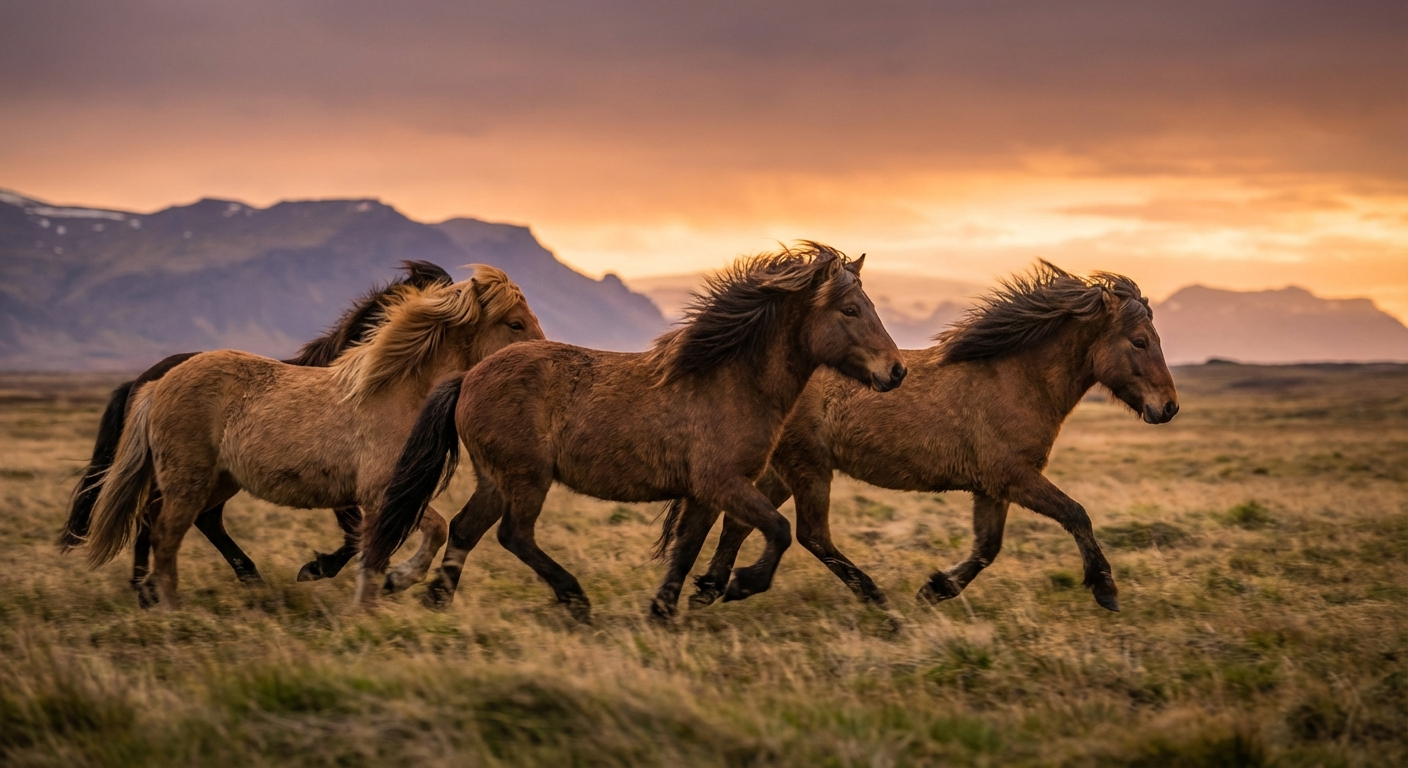
Horses are creatures built upon motion. A day constructed around cramped quarters and prolonged stillness alters more than muscle tone and temperament; it transforms how the gut perceives the passage of time. A horse denied the long digestive day—wandering while foraging, circling back to food repeatedly—forfeits the very rhythm that stabilizes its internal world.
Thus coexistence demands a challenging form of discernment. If glyphosate is what troubles you, do not permit that fear to justify disrupting the horse's fundamental needs. When forced to choose between flawless control and biological rhythm, the horse will nearly always thrive better with rhythm intact.
How often do we, in our own anxieties, construct prisons from our protections? We restrict our children's freedom in the name of safety, we shrink our own lives to avoid imagined harms, forgetting that the absence of living fully carries its own quiet devastation.
Pasture as a Living System, Not a Feed Dispenser
Conversations about glyphosate are frequently conversations about land that remain unspoken: what we demand of the soil, and what the soil can no longer adequately provide.
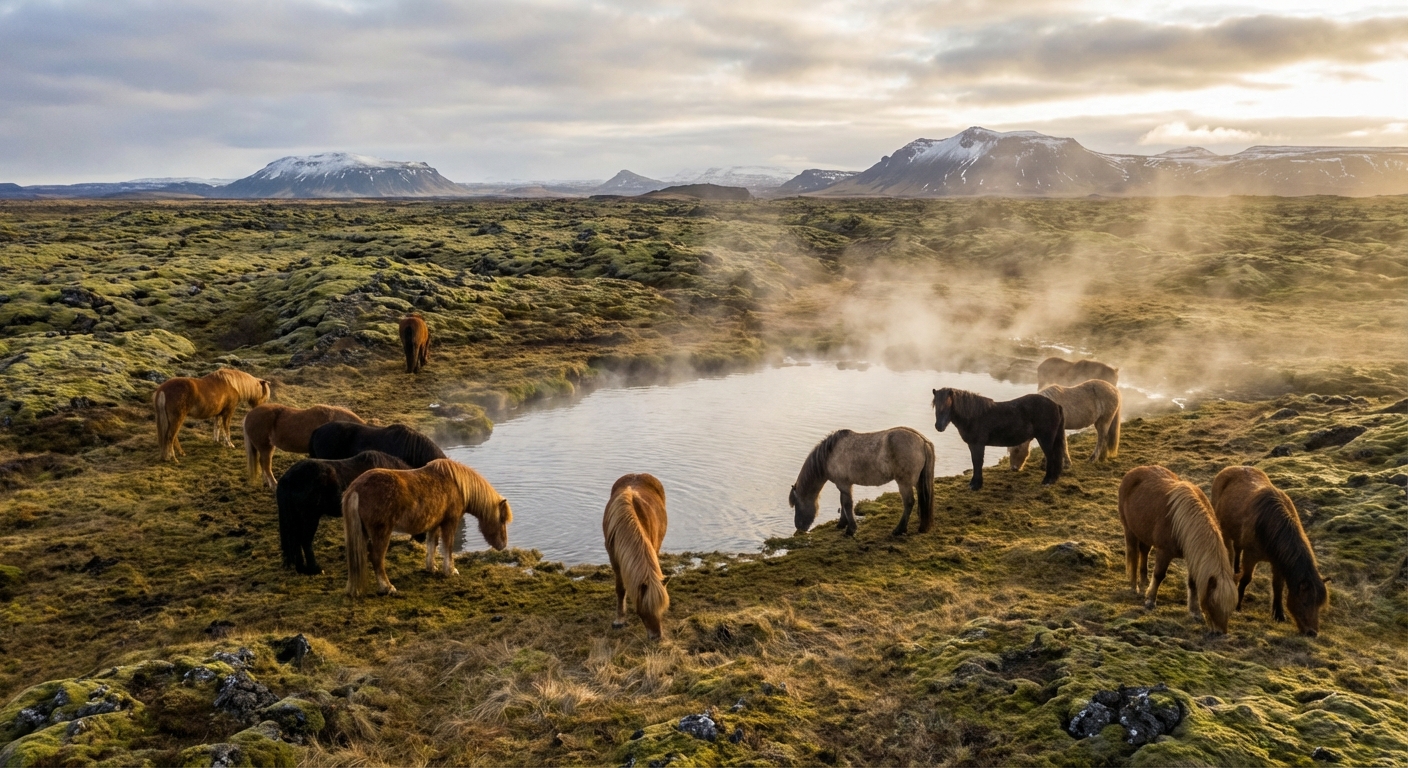
The vitality of soil and the stewardship of pasture hold significance because they constitute the horse's daily point of contact with existence itself. Pasture is not merely "grass that happens to be present." It is a breathing system delivering ecological gifts to horse husbandry: it cultivates the forage that maintains digestive equilibrium; it presents diverse terrain that beckons movement; it establishes a realm where horses may decide where to rest, where to wander, and how to inhabit their hours.
A coexistence philosophy need not assert certainty about any particular chemical to embrace land stewardship with gravity. It simply regards the earth beneath as integral to welfare. When we harbor suspicions about the field, the answer is not solely to remove the horse from it; it is to grow more attentive to how we tend the ground upon which the horse relies.
Perhaps this is true for all of us who dwell somewhere: the health of what sustains us cannot be separated from our own flourishing. We are not merely inhabitants of places—we are in continuous dialogue with them.
Evidence We Can Actually Observe
The most truthful starting point lies in what horses reveal to us unbidden.
Observe and record genuine grazing duration. Take note when innate patterns are interrupted and which behaviors emerge in their wake. Understand that a horse standing in a stall through the night is not "at rest"—it is being barred from fulfilling what its physiology requires. When the day ceases to be organized around grazing, horses frequently do not merely "adapt." They communicate in ways we categorize as troubles: compulsive repetitions, agitated waiting, and other stereotypic behaviors that serve as barometers of their environment.
Such observations do not establish glyphosate as the source of any particular condition. Yet they guard us against the gravest error: fixating on a theoretical exposure while overlooking the unmistakable, recurring signals that our management is disrupting the horse's digestive and emotional architecture.
Coexistence also preserves space for a subtler recognition: horses possess self-guided behaviors that can resemble communications. Self-medication instincts (zoopharmacognosy) and geophagy—consuming soil for minerals under specific circumstances—remind us that a horse may endeavor to participate in its own healing when afforded the opportunity. Our task is not to sentimentalize this capacity. Our task is to observe what shifts when the horse is granted access to a complete, varied world.
In this, horses mirror what we too have lost: the instinct to seek what heals us, the wisdom to know what we need, when we are given enough freedom to remember.
The Real Question: What Must Not Be Sacrificed
When we worry about glyphosate, we are often striving to act responsibly. The coexistence expression of responsibility is less spectacular and more demanding: it means ensuring that the essentials occur without fail, every single day.
Nourishment must not come in fragments. Movement must not be relegated to occasional privilege. Social bonds must not be dismissed as ornamental. The land must not be regarded as mere inert surface.
And when we pursue clarity about suspected digestive harm, we can do so without reducing the horse to a problem to be solved. We can preserve the spaciousness of the horse's day—sufficient steps, sufficient time with forage, sufficient fellowship—so that whatever remains unknown does not eclipse the whole of their existence.
This is perhaps the deepest teaching horses offer us: that in the face of uncertainty, we need not abandon the fundamentals. That tending to what we know matters—presence, nourishment, connection, movement—is itself a form of wisdom, a way of holding the unknown without being consumed by it.
Equine Notion
https://equinenotion.com/