Taking Turns With the Horizon: What Rotational Watching Asks From Us

Taking Turns With the Horizon: What Rotational Watching Asks From Us
Perhaps true peace within a herd is not the absence of alertness, but rather the graceful passing of awareness from one member to another—so that no single soul bears the weight of watchfulness for too long.
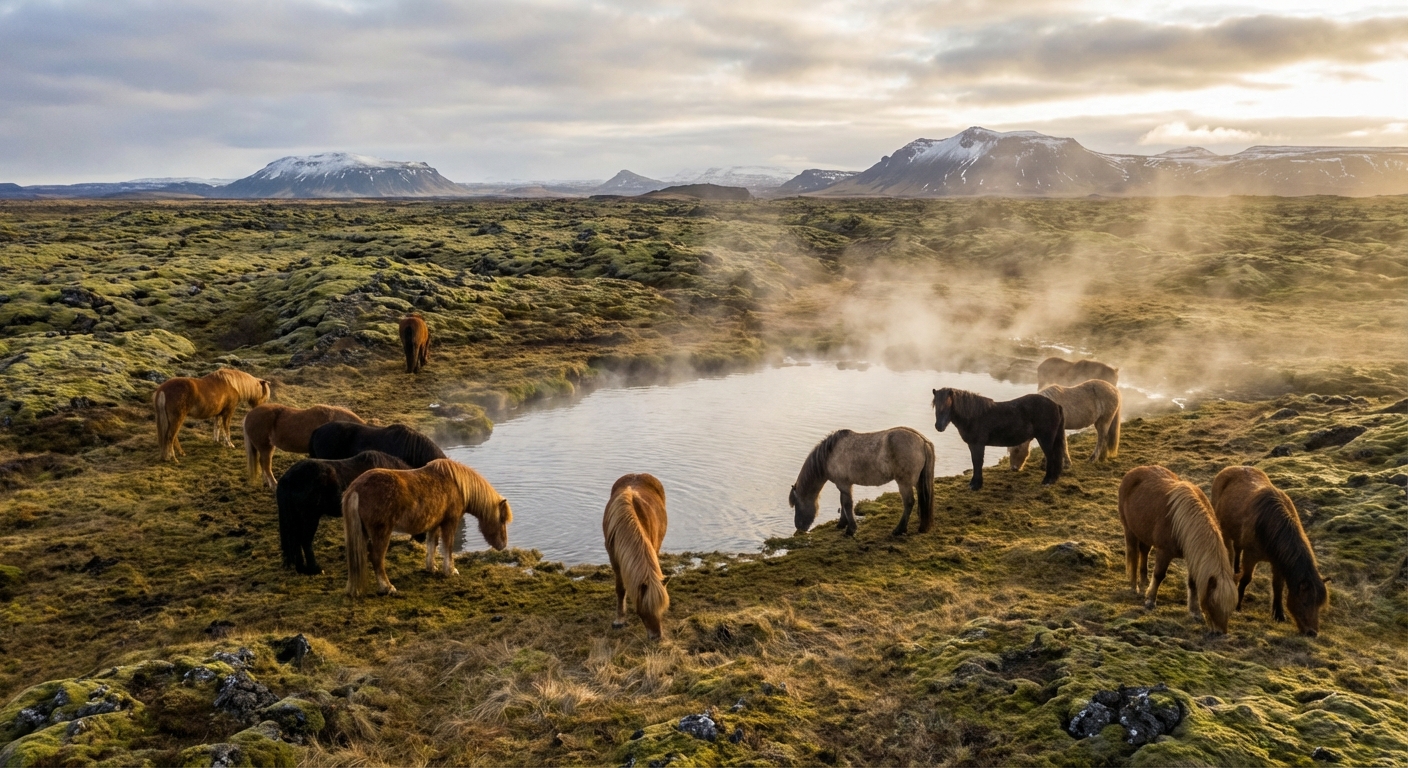
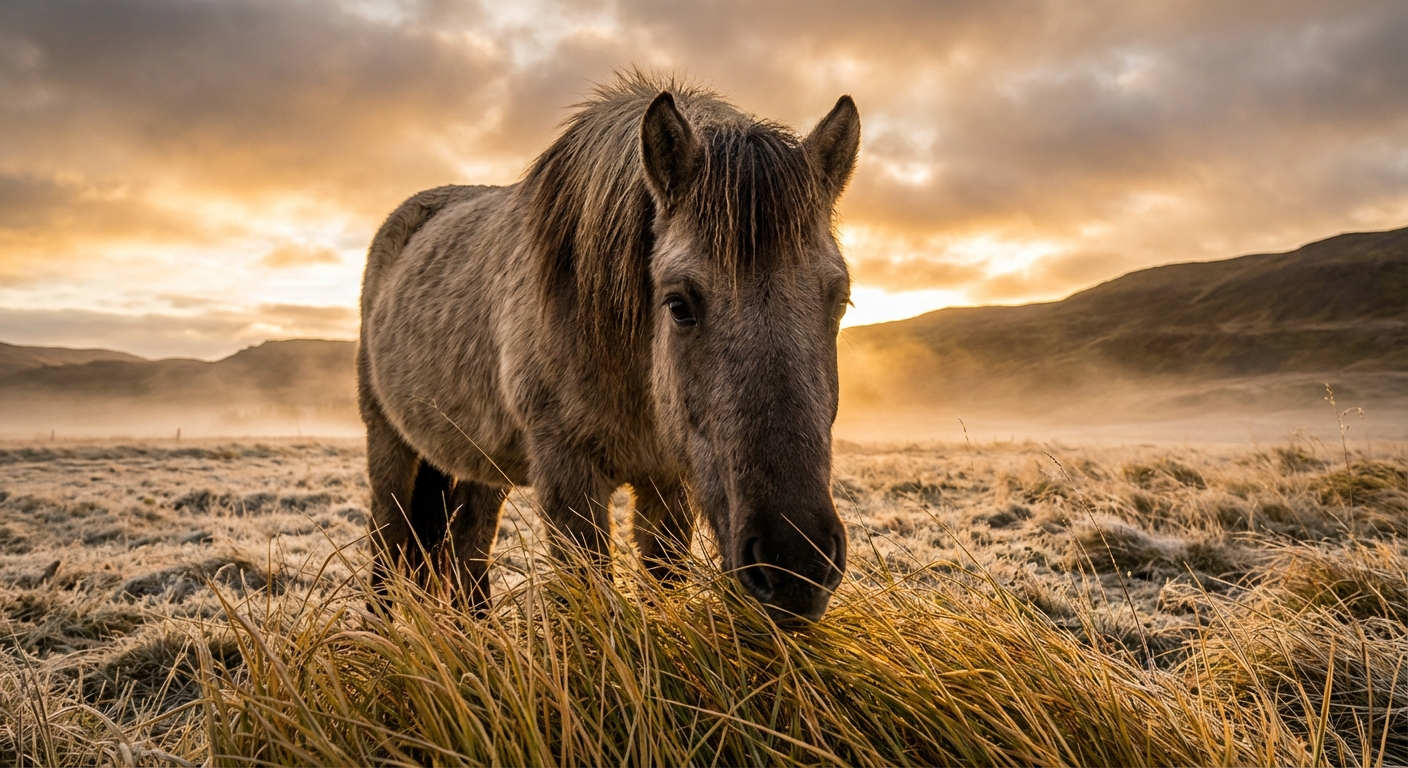
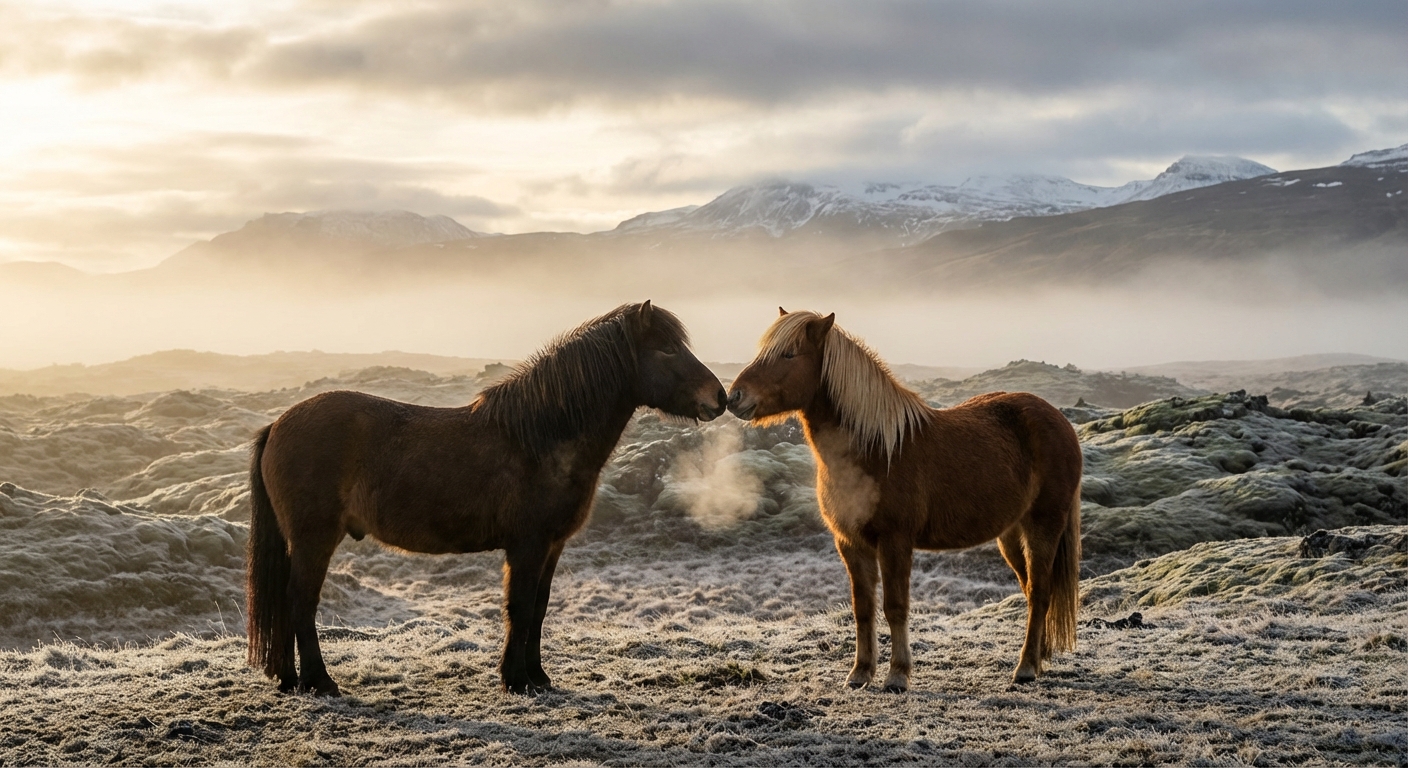
This morning, observation found me before I sought it. The horses had arranged themselves in their preferred scatter—jaws working steadily, hooves tracing small crescents in the earth, that unhurried reshuffling that emerges when grazing and wandering remain intertwined. One horse stopped mid-chew and raised his head. There was no flinch in it, no alarm. Only a quiet presence turned outward, as though he were holding open a window onto the world so the others could remain inside their ease. In our own lives, we might recognize this as the friend who stays awake while others sleep, the colleague who absorbs uncertainty so the team can focus—vigilance as an act of quiet generosity.
Minutes passed, and he lowered himself back into the grass. Another horse, positioned higher along the trail, assumed the same posture—head lifted, body oriented, gaze fixed somewhere past the pasture's boundary. Nothing extraordinary unfolded. No bolting, no sharp exhalations. The only perceptible shift occurred within the herd's collective movement: the rest continued to eat undisturbed. They did not cluster or stiffen. Their rhythm of foraging persisted unbroken because another had taken up the task of "seeing" for a time. How rarely we humans trust that someone else is watching, and how much anxiety we carry by refusing to share the burden of awareness.
We are quick, as humans, to interpret that lifted head as anxiety requiring remedy, or as a fixed temperament—"she's perpetually vigilant." Yet within a life organized around unbroken grazing and gradual motion, a momentary survey becomes a functional offering. When attentiveness circulates, the collective can sustain what their bodies demand: sufficient movement throughout the hours, feeding without prolonged interruption, rest woven between bites rather than dictated by gates and timetables. Perhaps our own communities would breathe more easily if we learned to rotate our worries—allowing care to be held briefly, then released to another willing hand.
I noticed myself reaching for the habitual interventions. I nearly moved closer to offer comfort. I nearly searched the perimeter for whatever had "caused" the pause. I nearly concluded that the solution lay in greater management, tighter control, more thorough protection. Then it struck me how frequently our involvement makes these transitions weightier. We disturb the one who watches, we fracture the grazers' cadence, we transform a simple glance toward the distance into something that must be addressed. How often do we, in our eagerness to help, become the very disruption we hoped to prevent?
Coexistence, in this moment, revealed itself as a humbler undertaking: preserve space for looking. Do not penalize stillness. Do not regard the upward pause as time squandered. Allow the horses to maintain their own revolving vigil so the others may keep their digestive hours uninterrupted, their movement unremarkable, their social tranquility rooted in volition rather than imposition.
Equine Notion
https://equinenotion.com/