Tendon Thinking: Learning the Herd’s Minimal-Effort Agreements
Tendon Thinking: Learning the Herd's Minimal-Effort Agreements
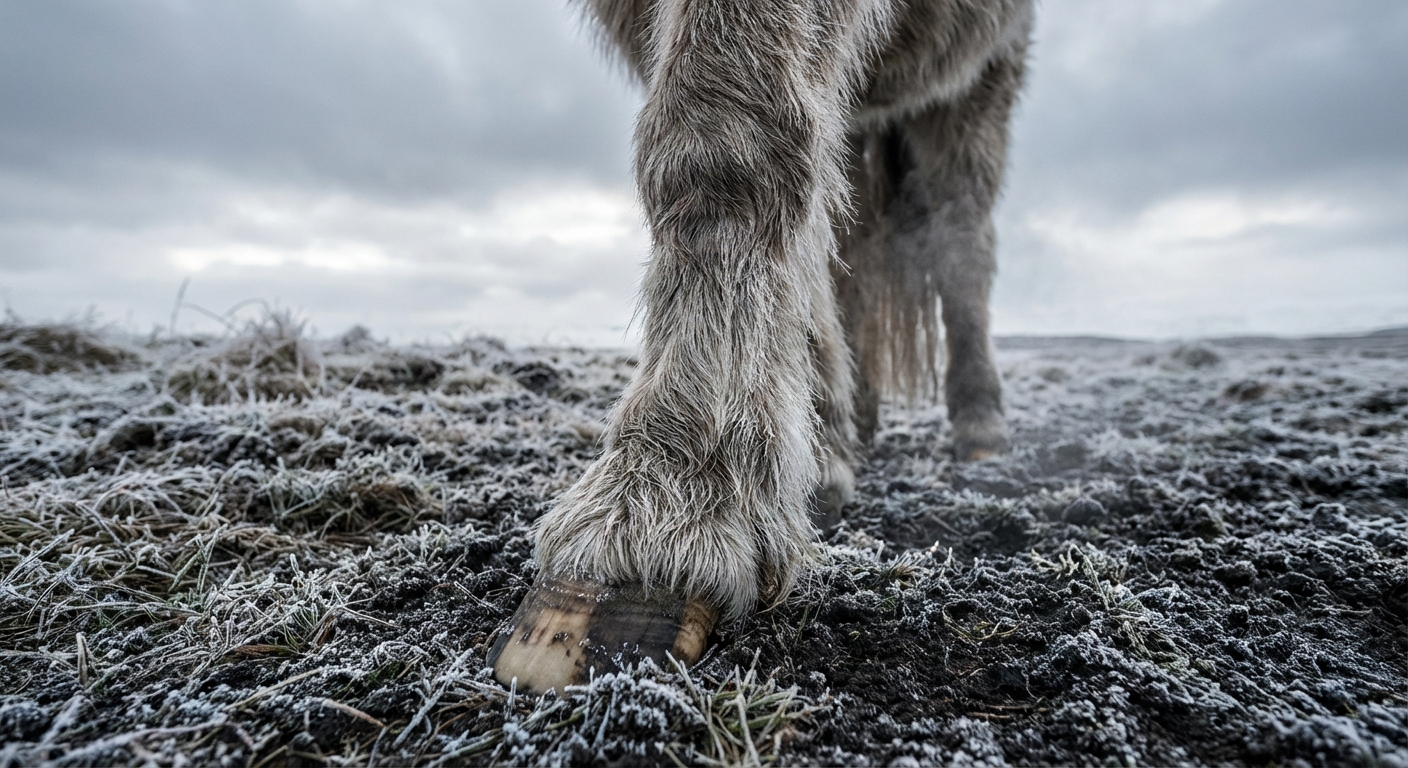
There are moments when I observe a herd with the same attention one might give to a lower limb: not seeking drama, but studying efficiency.
Not the sweeping movements. Not the theatrical pursuit that becomes legend. Rather, the quiet choices that prevent everything from growing burdensome. Perhaps we, too, might examine our own days this way—searching not for the memorable conflicts, but for the invisible agreements that keep life from becoming heavy.
A head rotates—almost imperceptibly. A shoulder adjusts by mere degrees. One horse selects a broader path before the narrow passage ever becomes a point of contention.
It's nearly anticlimactic if you arrived expecting "dominance."
Yet if you came seeking to comprehend how tranquility endures, it's profoundly instructive. How much of our own peace might depend on negotiations so subtle we've never thought to notice them?
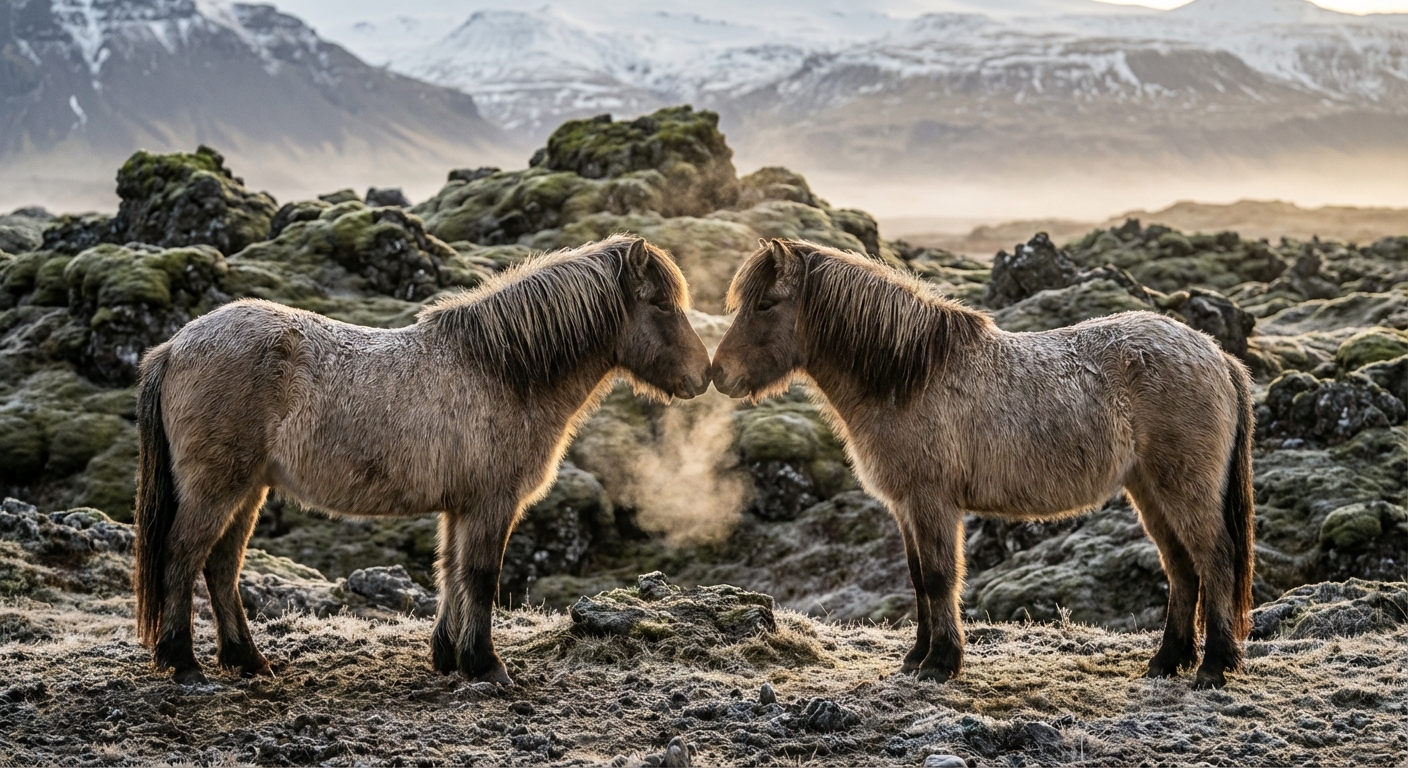
The familiar pair settles near one another once more. Not in contact, simply dependably close. Another horse passes through without paying tribute. At the hay, a body's orientation communicates "not yet," and the other horse responds with a single retreating step—no confrontation, no instruction, no victor's proclamation.
What appears to be "dominance" from afar is frequently nothing more than accumulated experience: who habitually defers first in this particular circumstance, concerning this specific resource, with this individual companion. By tomorrow, those patterns may reverse without anyone codifying it into law. We might recognize ourselves here—our own relationships shifting fluidly when we release the need to fix them into permanent categories.
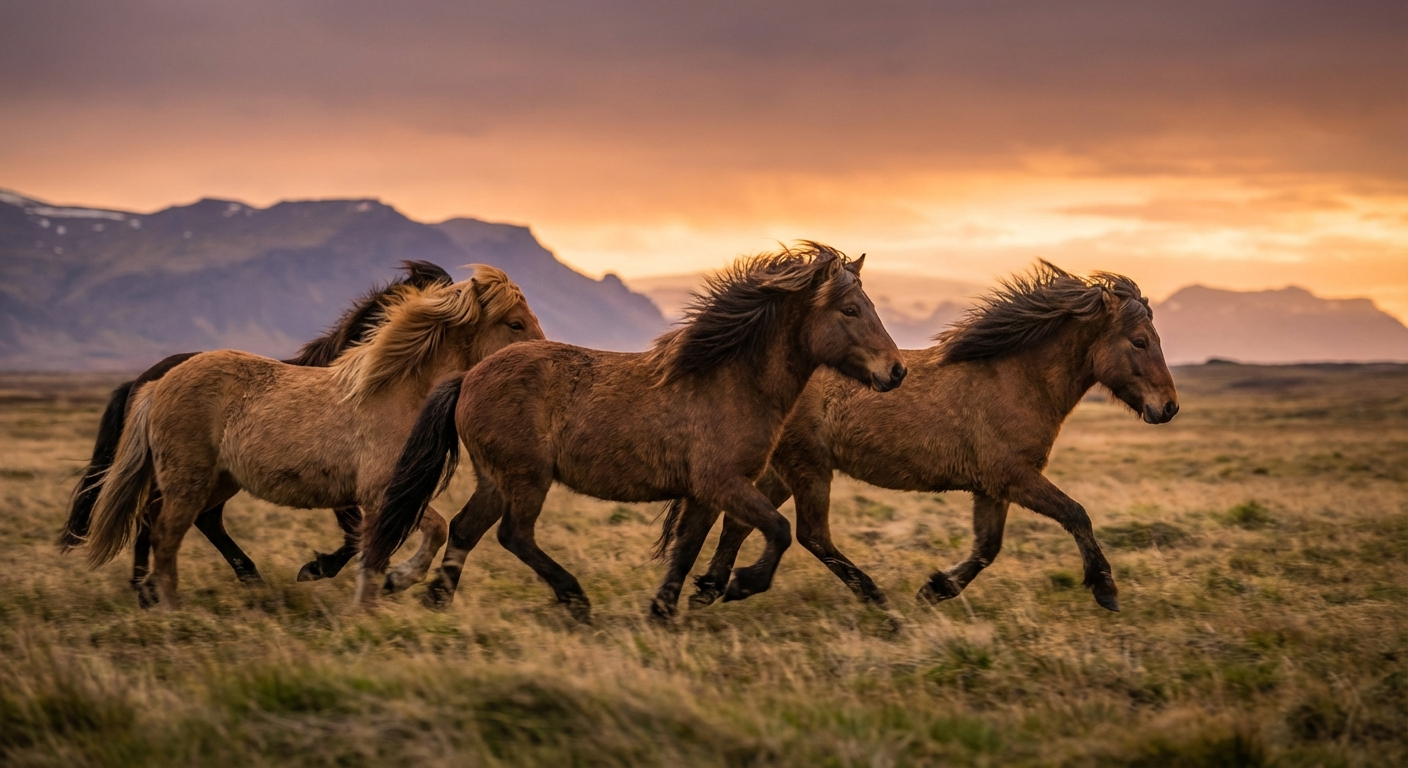
And what resembles "leadership" is often merely momentum: one who initiates movement, another who validates the trajectory, then a third who elects to follow because the distance feels secure. The collective motion is woven from decisions that exact almost no toll.
This is where the tendon metaphor resonates most deeply for me: the herd appears constructed around conserving muscle. Conserving energy. Keeping the hours unburdened. What might our communities look like if we, too, designed them around minimal resistance rather than maximum control?
When people dwell alongside horses, we can introduce heaviness without ever laying hand on a halter. We introduce it through our craving for clear rankings. Through our tendency to read every concession as a judgment of worth. Through our timing—entering amid their silent negotiations and expecting the entire group to reconfigure itself around our presence.
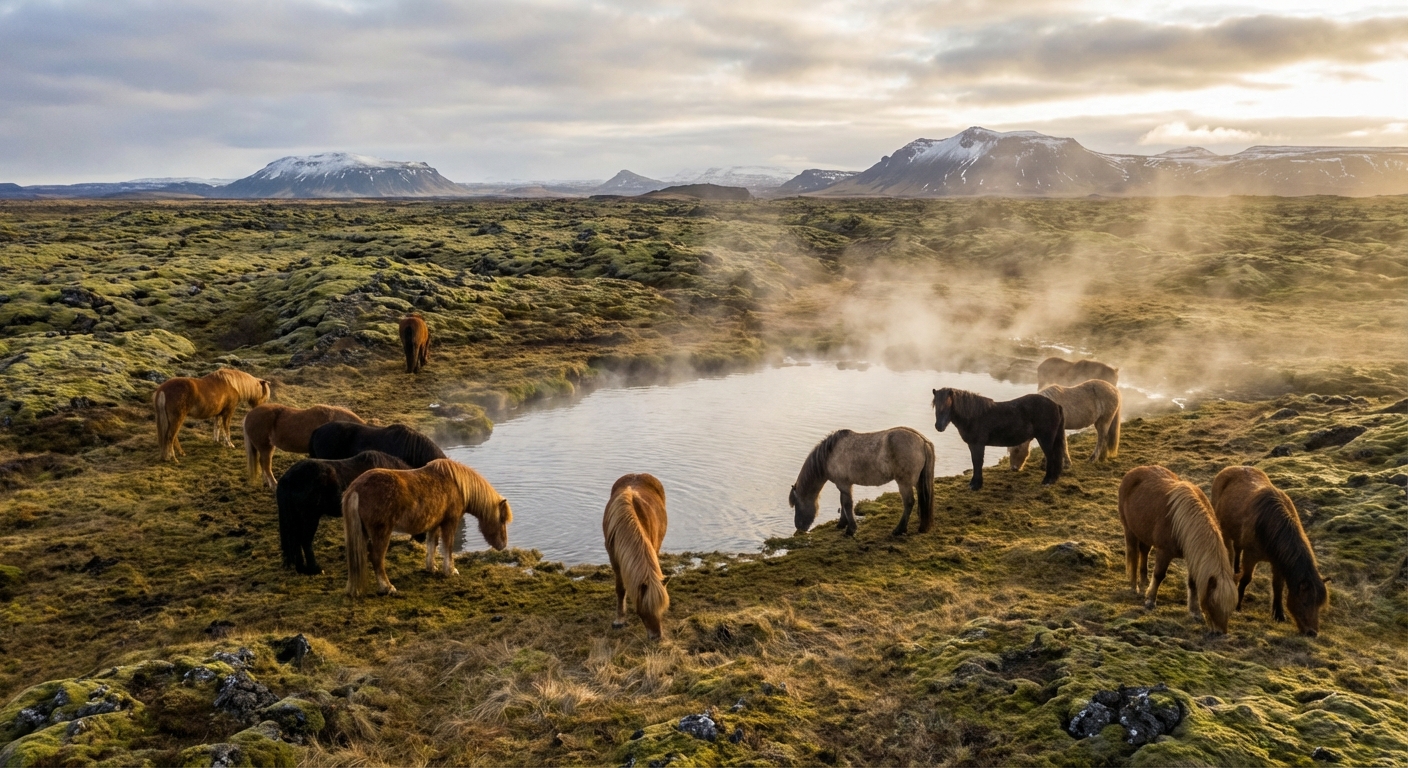
Coexistence can take on that tendon quality instead: observe who gravitates toward whom. Observe who accepts proximity at the water source. Observe the subtle cues—ears, head movements, the angle of a ribcage—that defuse tension long before anyone must flee. In our own lives, we might practice the same attentiveness: reading the room before we reorganize it, honoring the quiet arrangements already in place.
Allow the herd to preserve its economy. Perhaps our finest offering is simply to cease making everything more expensive.
Equine Notion
https://equinenotion.com/