The 25% Hoof: When a Number Tries to Replace a Landscape

The 25% Hoof: When a Number Tries to Replace a Landscape
What if the most seductive figure in equine stewardship is precisely the one that blinds us to the earth beneath?
"Twenty-five percent optimal." It carries such neatness. Like a dial you can adjust. Like a problem that finally submits to solution.
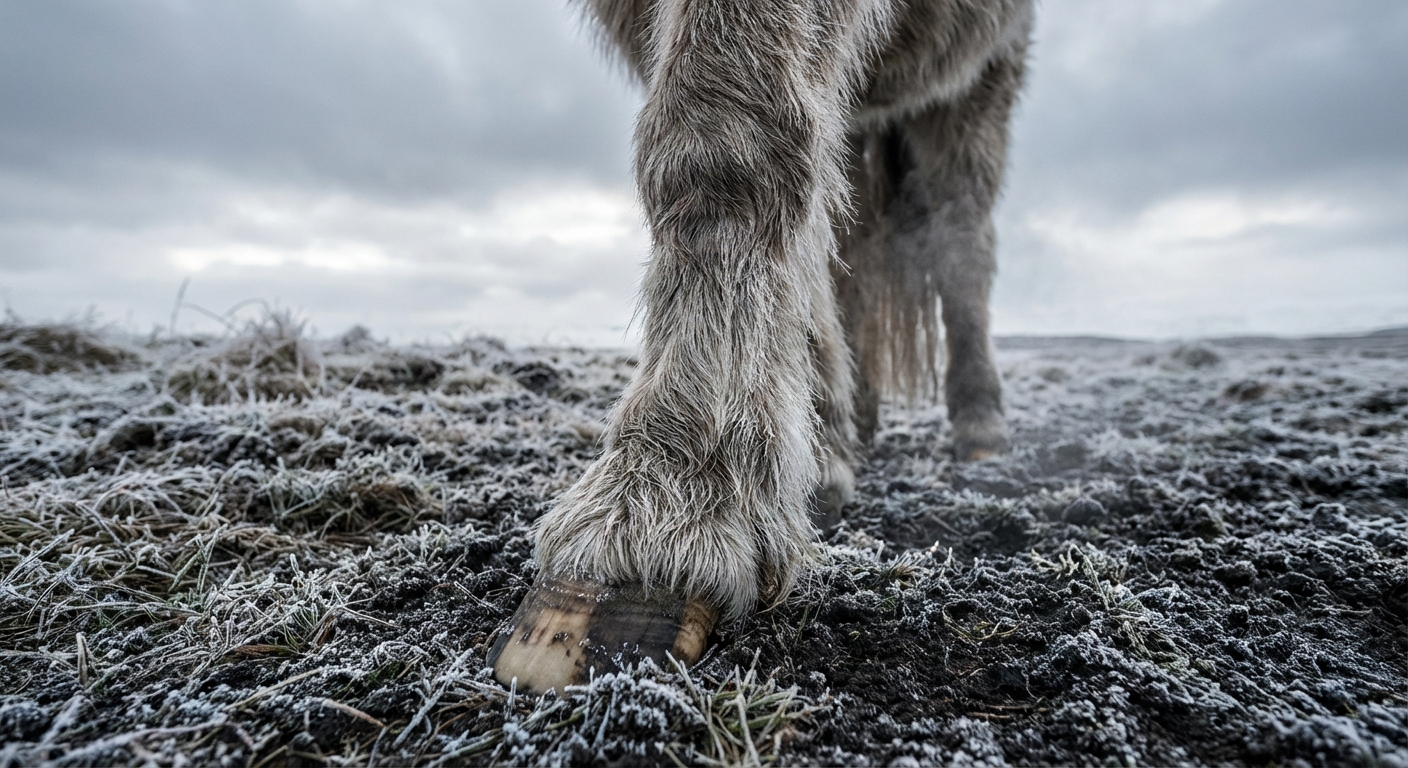
Yet hooves do not inhabit calculations. They exist at the threshold where animal meets environment.
I observe how effortlessly we fall into the paradox of protection: in our zeal to shield against every fluctuation—moisture, aridity, grit, tackiness—we inadvertently construct an existence requiring perpetual human intervention. We do the same with our own lives, cushioning every discomfort until we forget that resilience is built through encounter, not avoidance.
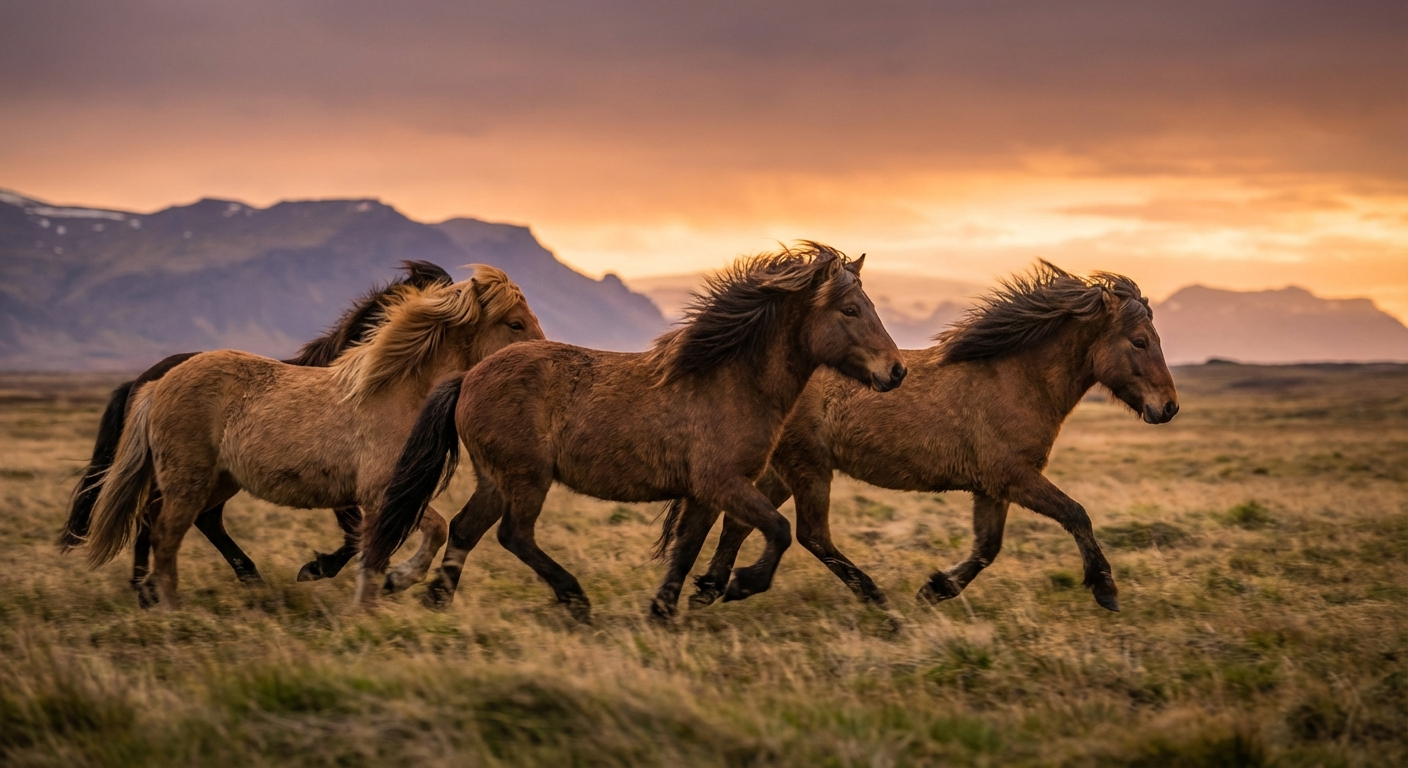
The horse, all the while, persists in its essential nature. It continues to move. Not as exercise, but as fundamental existence: hours of ambulation that silently propels circulation, rhythmically loads and releases the foot, and permits the body to participate in its own maintenance. Perhaps we too have forgotten that our bodies were designed for continuous, unremarkable motion—not scheduled workouts, but the quiet locomotion of a life lived in movement.
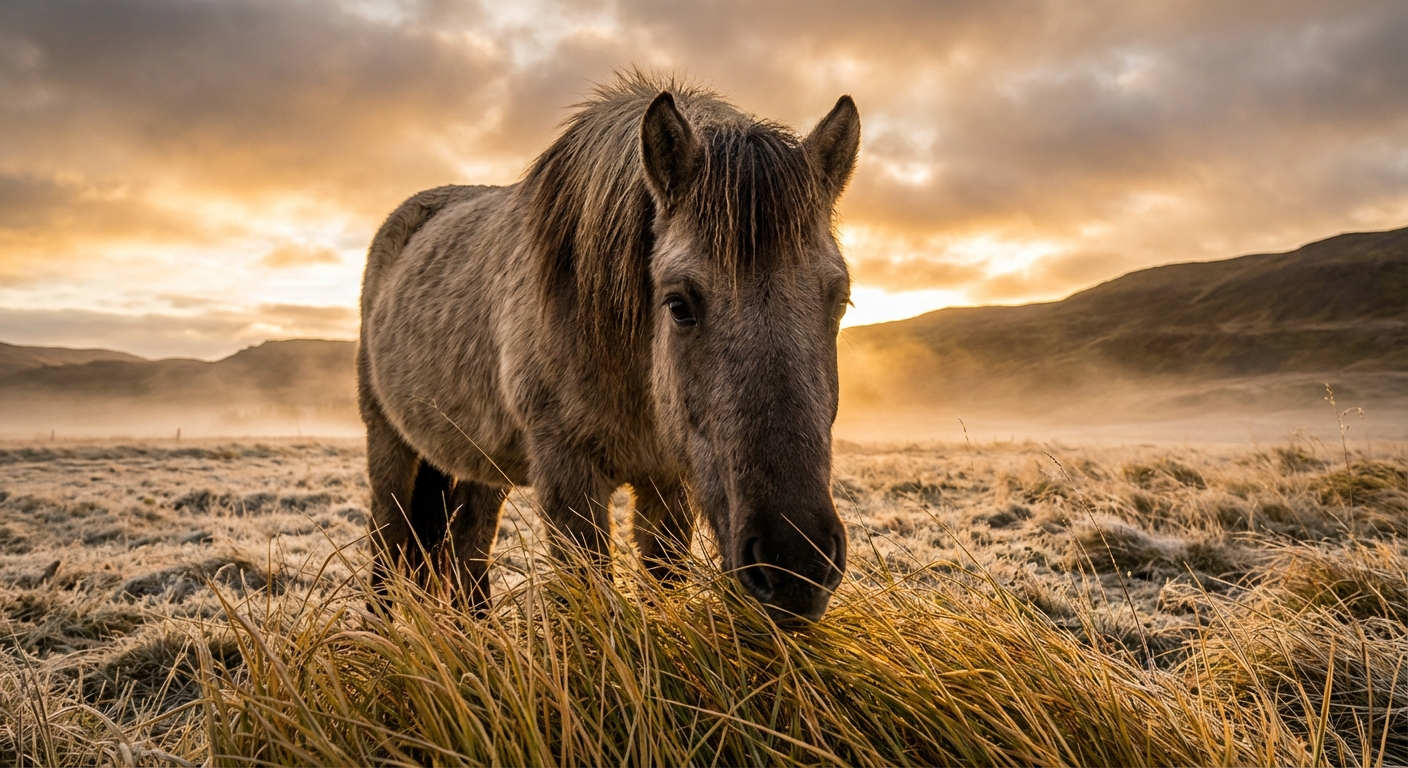
They persist in foraging. Not merely because the digestive system favors continuous intake, but because the all-day quest carries the body through countless micro-terrains: a moist margin, an elevated section, a compacted trail, ground that yields, ground that resists. Our own searches—for meaning, for sustenance, for connection—similarly benefit when we wander through varied terrain rather than consuming everything from a single source.
They persist in choosing. Refuge when necessary. Exposure when necessary. A dust bath. Standing in mire. Stepping clear of it. Sometimes even self-remedying selections emerge in full view—creatures seeking what serves them, without declaring intention. How often do we override our own instinctive knowing, trusting protocols over the body's quiet wisdom?
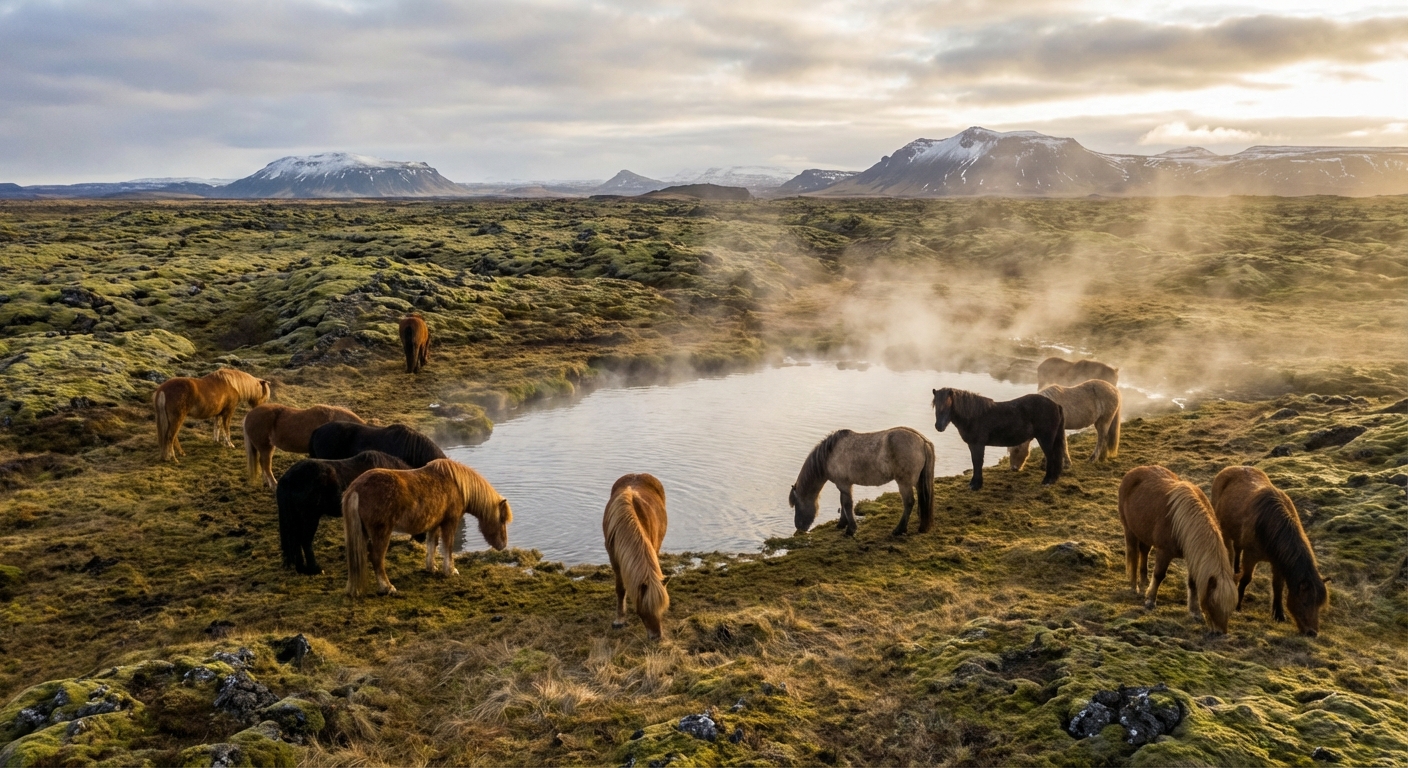
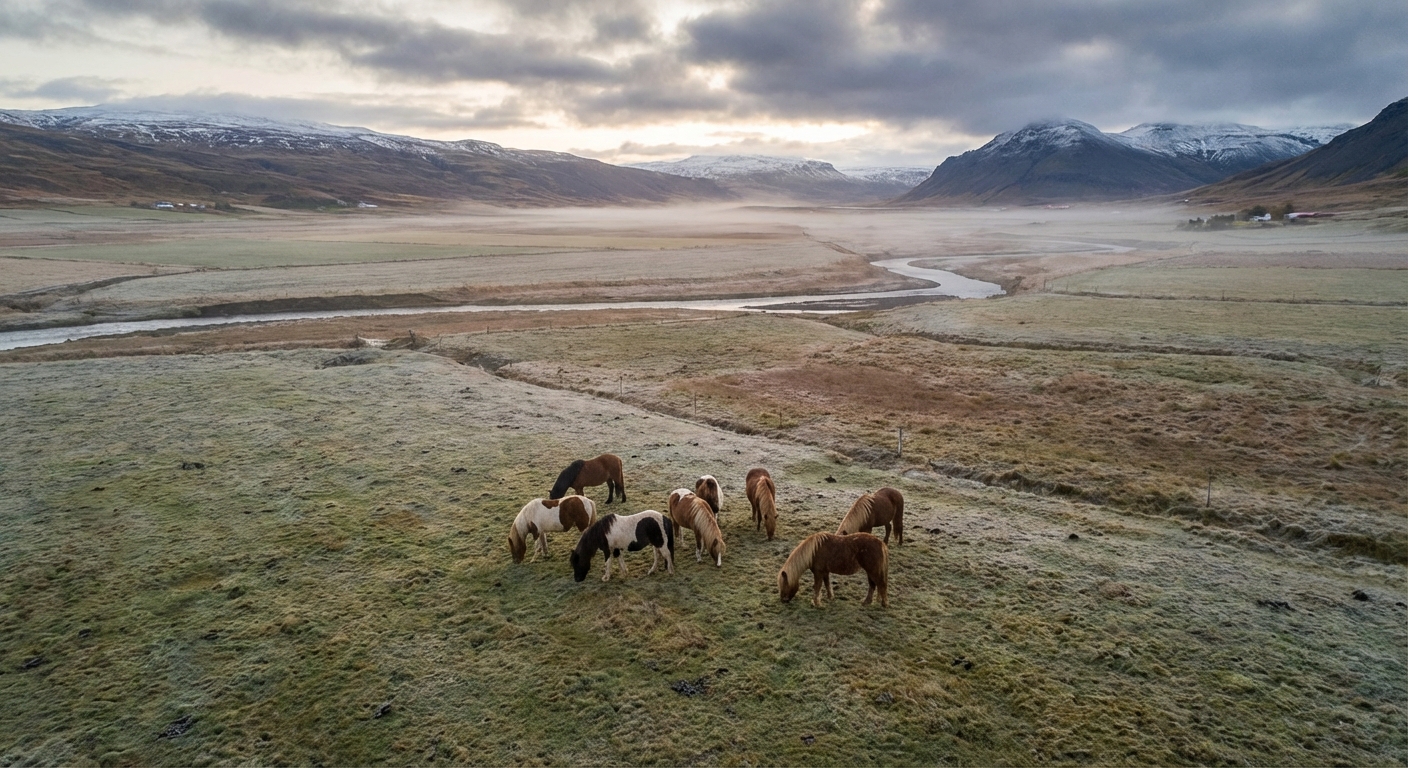
And the pasture, when regarded as more than mere "turnout," responds in kind. The vitality of soil cannot be divorced from the vitality of hoof. A living terrain is never uniform; it is a constellation of possibilities. Stewarded as an ecosystem, it delivers what no product can replicate: absorption here, cushioning there, a zone that desiccates, a zone that remains temperate. The environments we cultivate for ourselves likewise either constrain or liberate—and the richest ones offer us varied ground to meet our varied needs.
When repetitive behaviors emerge, I read them as evidence that the world has grown too constricted—insufficient options, inadequate movement, excessive stillness. The feet belong to that narrative, not as isolated mechanisms to calibrate toward a benchmark. Our own restlessness, our compulsions, our loops of thought—might these too be signals that our environment has narrowed beyond what the spirit can bear?
The number may yet serve as a touchstone.
But true coexistence poses a deeper inquiry: have we offered the horse a world capable of regulating itself?
Equine Notion
https://equinenotion.com/