The Friend a Horse Saves Space For

The Friend a Horse Saves Space For
What does a "bond" truly mean when it cannot be reduced to an agreement, a lead rope, or some tangible evidence we might hold up as verification?
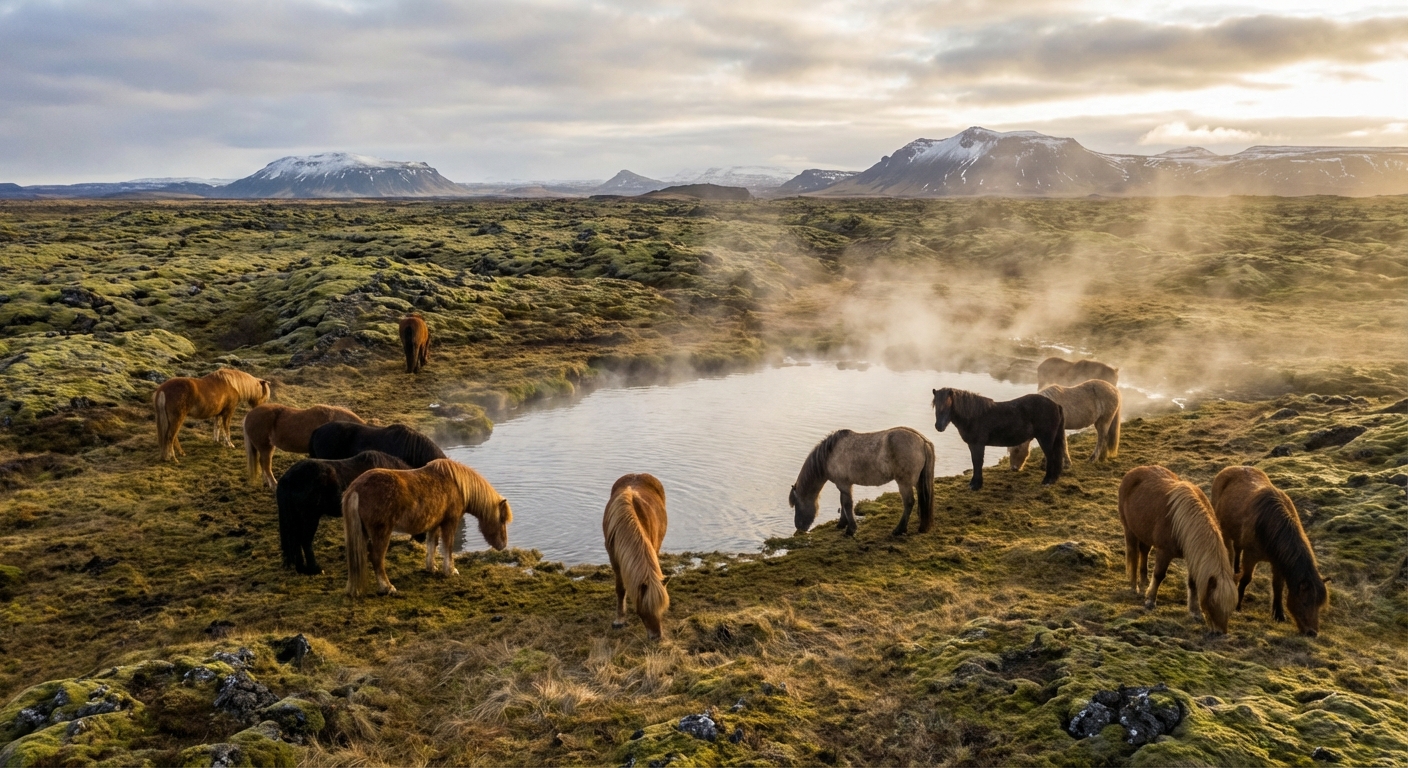
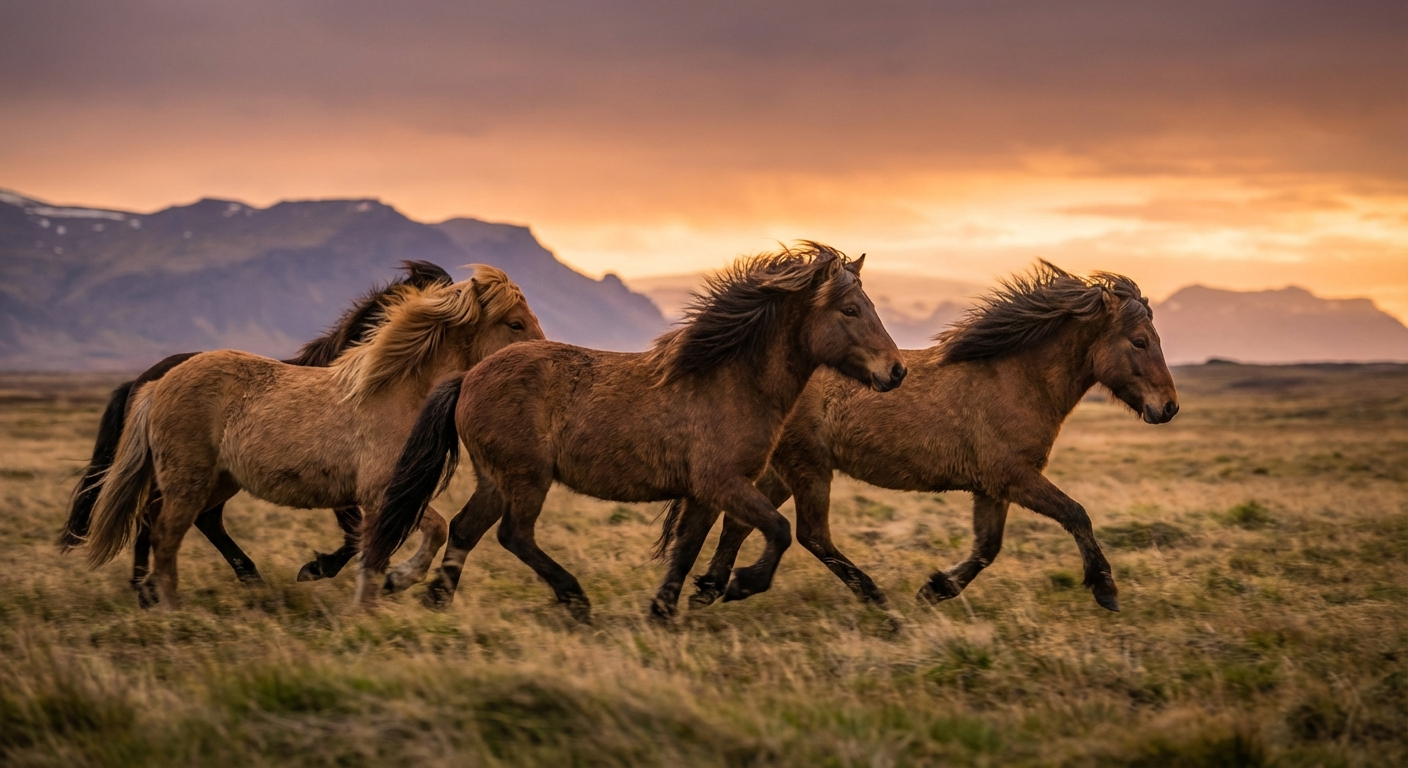
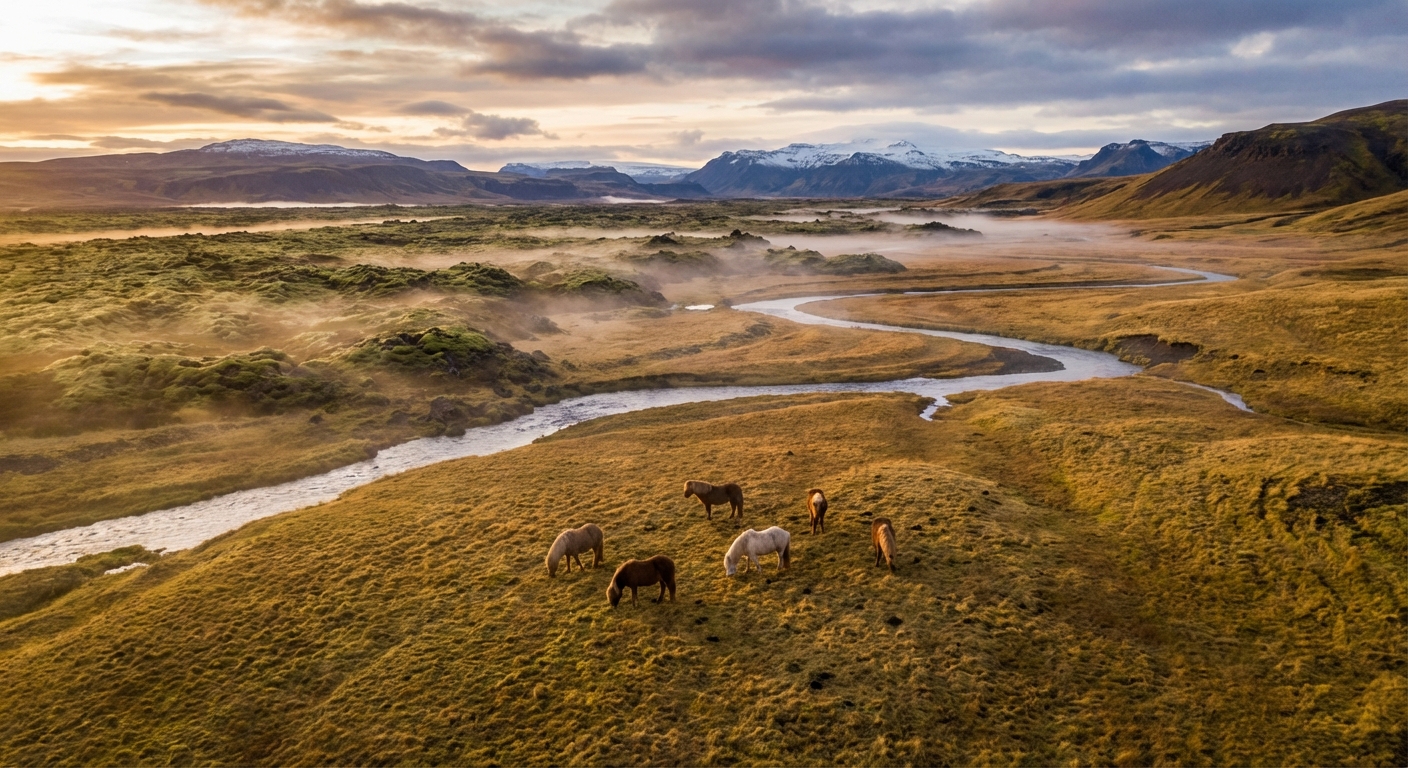
Out in the pasture, companionship can appear almost unremarkable. Two horses feeding side by side with a subtle gap between them, neither pressed close nor performing affection—simply maintaining a steady proximity that declares, without fanfare, you belong to my hours. And if you linger long enough, the mundane transforms into something unexpectedly profound: one horse abandons a richer patch of grass because the other has drawn near; one halts at a distance that feels deliberately measured, neither intrusive nor absent; one begins to wander and the other, without haste, trails behind. No declaration. No dominance narrative. Only a rhythm of small concessions. Perhaps we too might find deeper connection not in grand gestures, but in the accumulation of tiny yieldings we offer one another without keeping score.
We are drawn to interpret this as a rigid pecking order, as though each horse wears a fixed rank. Yet the longer you observe, the more those categories dissolve. The horse who defers at one resource may assert itself at another. The one who appears confident in open terrain might grow gentle when spaces contract. Position, if we must invoke the term, fluctuates with circumstance—and friendship is frequently what prevents those fluctuations from escalating into conflict. In our own lives, we might recognize that true intimacy allows for this same fluidity, where neither party is permanently cast as leader or follower.
Here is where living alongside others becomes humbling for us humans. We crave attachment we can quantify: who responds to our call, who remains motionless, who "chooses" us above others. But horses possess their own measures of connection: synchronized movement, mutual acknowledgment, and confidence built through patience and steadfastness. They reflect our emotional climate as well. When we approach in agitation, we can transform closeness into burden. When we arrive in stillness, we become simpler to stand beside—more akin to a familiar feature of the terrain.
Perhaps the most honoring approach is to cease grasping at friendship as something to own and instead cultivate trust: permitting the horse's social universe to remain entirely theirs, even as we occupy a corner of it. When attachment is genuine, it requires no extraction; it reveals itself as a horse creating space, time after time, for one particular being. We might ask ourselves the same question in our human bonds—whether we make room freely, or whether we demand proof before offering presence.
What might we discover if we understood "love" not as a climactic instant, but as a thousand unhurried choices a horse remains free to make?
Equine Notion
https://equinenotion.com/