The Gift of Yielding: How Horses Keep Peace With Tiny Signals

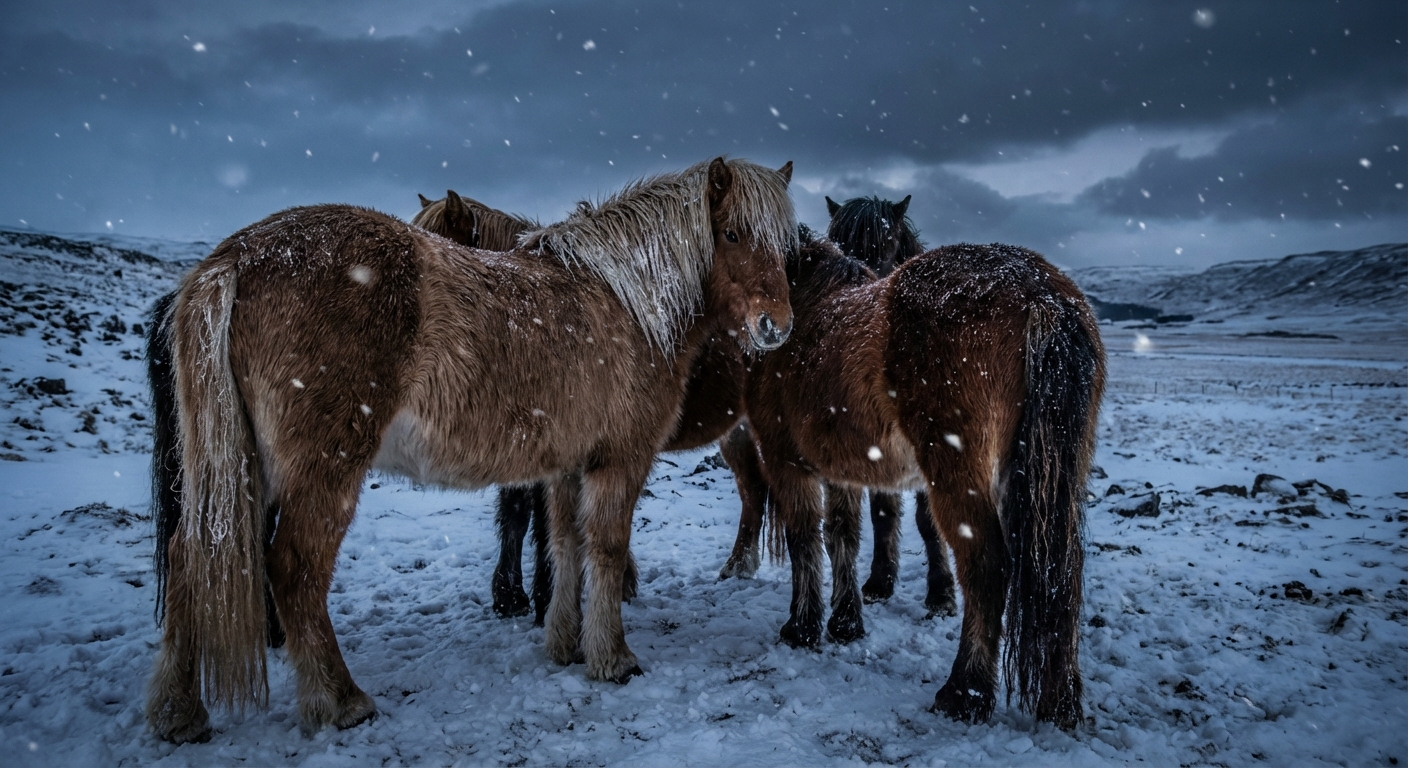
The Gift of Yielding: How Horses Keep Peace With Tiny Signals
Somewhere along the way, our language around horses turned "submission" into something harsh—an image of a broken spirit, of victors and vanquished, of beings forced into their proper rank. Yet when you spend enough time near a herd, attending to what unfolds before any drama erupts, you begin to recognize that yielding is frequently an act of intelligence. It is the grammar of peace.
Yield Is Not Defeat
Within any group, the most significant moments are often those that never escalate into incidents. One horse moves to the side. Another hesitates rather than pushing ahead. Room appears, pressure dissolves, and the day carries on without confrontation.
It becomes useful to abandon the notion of "dominance" as a fixed personality trait and instead perceive it as a fluid negotiation: who defers to whom around a particular resource, on a particular afternoon, in a particular state of being. The very same horse may be the one who pauses in one situation and the one who steps forward in another. When we reduce this complexity to a single label, we overlook what the horses are genuinely accomplishing—making continuous adjustments so the group can remain intact.
Appeasement, understood this way, is not an inferior rank branded onto a body. It is a repertoire of decisions that preserve the group's functionality: accessible grazing, accessible water, accessible shade, accessible pathways. It is the quiet labor of social upkeep through self-restraint.
We might recognize this same wisdom in our own lives—how the relationships that endure are often those where someone chose grace over insistence, where flexibility was valued more than being right.
The Early Exit Ramp
The prevention of conflict carries a temporal dimension. The sooner a horse can communicate "I pose no challenge" or "I'll choose the longer route" or "this space is yours," the less anyone must raise the stakes.
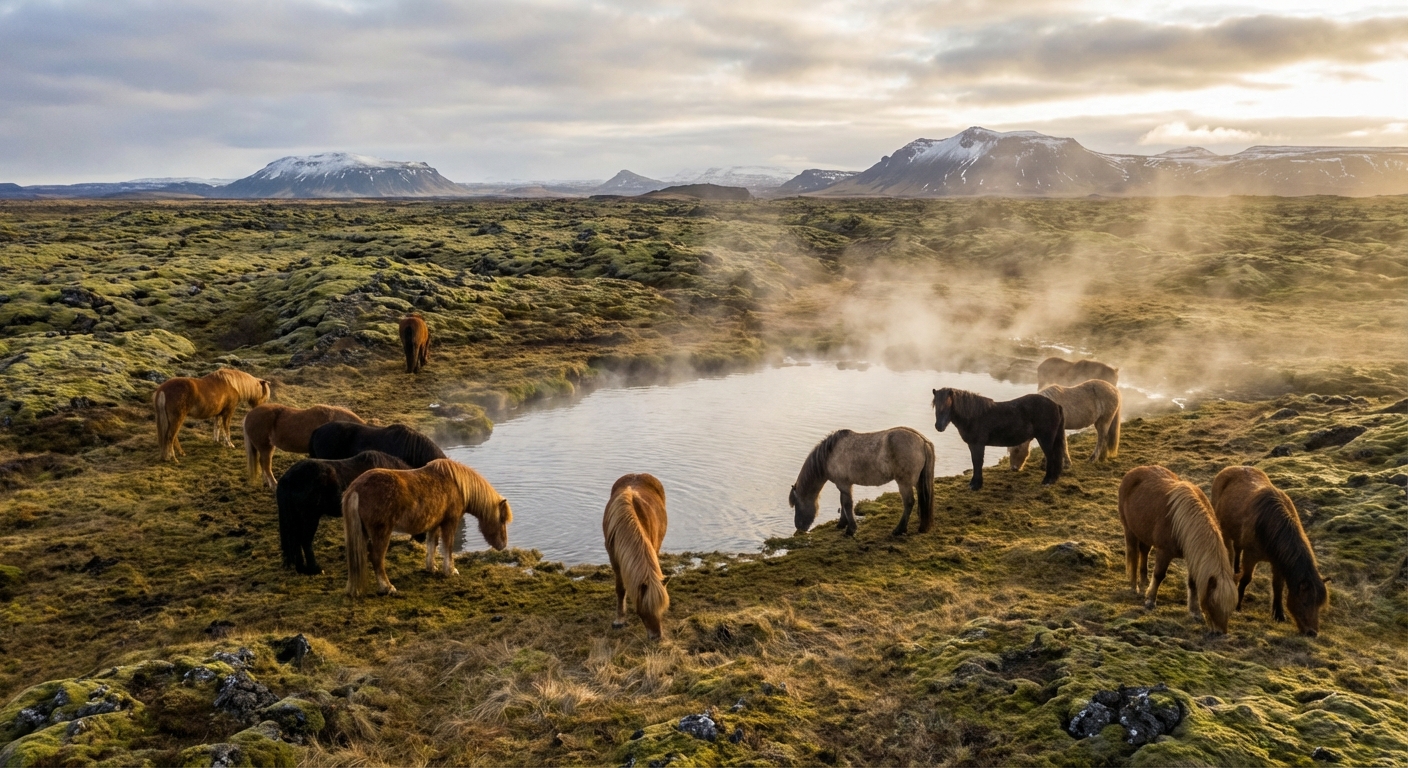
Such early communications depend on physical realities. When the environment funnels horses through constricted passages, single access points, or crowded clusters around valuable resources, that "early exit ramp" vanishes. The only remaining language becomes louder. In settings shaped by human hands, an astonishing portion of herd friction stems not from temperament but from architecture.
This understanding matters because herd tranquility is not preserved through perpetual intervention. It is preserved through innumerable minor recalibrations that become possible only when space exists for recalibration.
Human communities function similarly—our capacity for peaceful coexistence often depends less on our character than on whether our environments afford us room to step back, to choose another path, to defuse before things harden.
When Humans Interrupt the Conversation
We humans frequently intervene precisely when horses are exercising their greatest social skill. We observe movement toward a resource and presume conflict is imminent. We witness one horse defer and conclude it is being victimized. We divide, we discipline, we over-manage—sometimes with the genuine intention of shielding the gentler animal.
Yet if yielding constitutes one of the herd's essential instruments for averting trouble, then disrupting it may generate the very disorder we seek to prevent. When a horse cannot employ distance, cannot pause without forfeiting access to food, cannot select an alternate path, the possibilities contract. The group grows noisier because it has been rendered less adaptable.
Living alongside others demands a different form of bravery: the bravery to observe longer before interpreting, and the humility to recognize that a peaceful resolution can emerge from horse-to-horse competence rather than human orchestration.
How often do we make the same error in our families, our workplaces, our friendships—rushing to fix what was already being resolved, mistaking quiet negotiation for helplessness?
Management That Supports Soft Answers
The herd's language of appeasement functions most effectively when fundamental needs are not perpetually under siege.
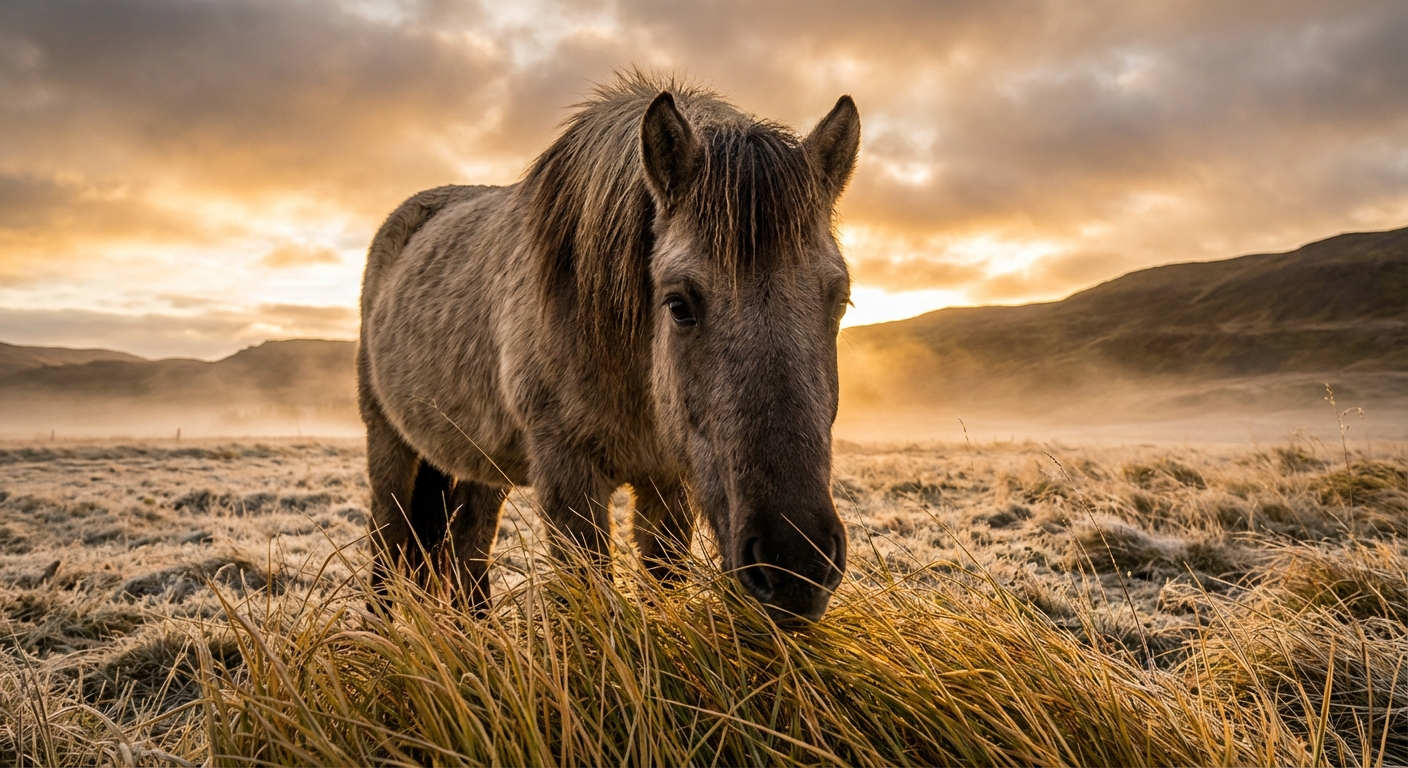
Uninterrupted access to forage represents one such fundamental need. The equine stomach generates acid without pause, meaning extended periods without food are never benign. Once eating ceases, the countdown toward acid-related harm begins. Beyond digestive concerns, prolonged gaps and "meal-based feeding" can also concentrate desire into a single instant, transforming resources into something that feels scarce and pressing.
A coexistence approach redefines the human role from "provider of meals" to guarantor of continuous availability. The more reliable and unbroken the forage landscape becomes, the less the social fabric must organize itself around anticipation, defense, and last-moment jostling.
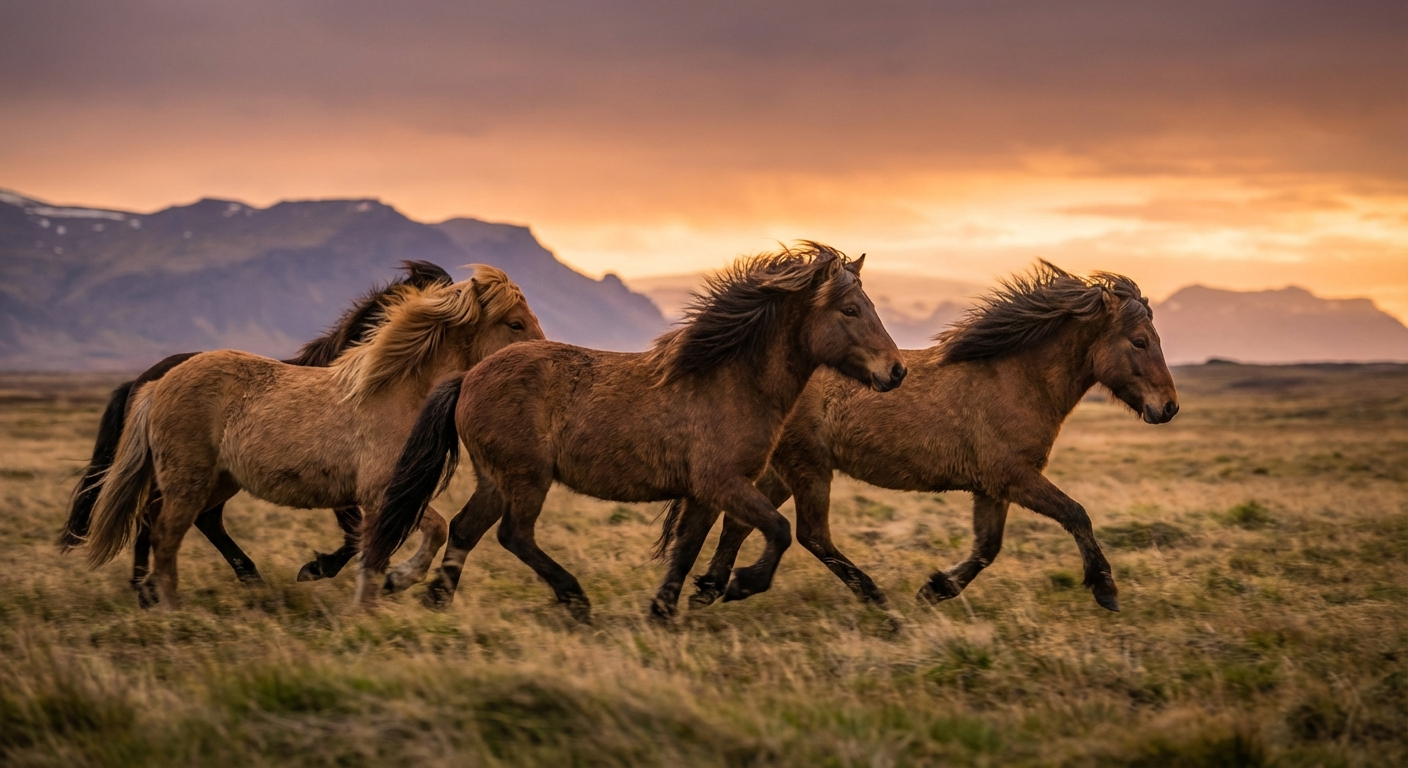
Movement constitutes another fundamental need. The horse's body evolved for days filled with extensive wandering, not existences of prolonged immobility. When daily locomotion is curtailed, energy and frustration do not simply evaporate; they resurface as tension, as restlessness, as repetitive behaviors that may signal an environment no longer suited to the creature within it.
When these fundamentals are honored—continuity of nourishment, freedom to roam, a social existence permitted to flourish—appeasement can remain subtle. It can accomplish its work before escalation begins.
The same principle illuminates human wellbeing: when our basic needs feel secure—when we are not hungry, not cramped, not isolated—we find it far easier to be generous, to yield without resentment, to keep the peace through small kindnesses.
Living Beside the Unseen Work
The herd most easily idealized is the one where nothing appears to occur. Yet "nothing occurring" is frequently the product of ceaseless social artistry. One horse elects not to demand. Another elects to hold back. A third alters course before the moment crystallizes into confrontation.
This explains why our human fixation on identifying a singular leader often misses the essence. Collective choices and movements can be shaped by circumstance, with different individuals steering outcomes depending on what hangs in the balance. Similarly, the question of who yields remains unfixed. Harmony is renegotiated moment by moment.
Coexistence, therefore, is not a case for passivity. It is a case for thoughtful action: constructing days in which horses are not driven into scarcity; providing sufficient territory for dispersal; recognizing when practices like transport or medical procedures introduce extended fasting and accommodating the stomach's relentless acid production.
When we establish these foundations correctly, "submission" ceases to resemble a moral spectacle and begins to appear as what it so often truly is: a sagacious, efficient way of affirming both the collective and the present moment.
Perhaps the deepest teaching horses offer us is this: that peace is not the absence of difference or desire, but the presence of countless invisible choices to make room for one another—a wisdom we would do well to carry into our own herds.
Equine Notion
https://equinenotion.com/