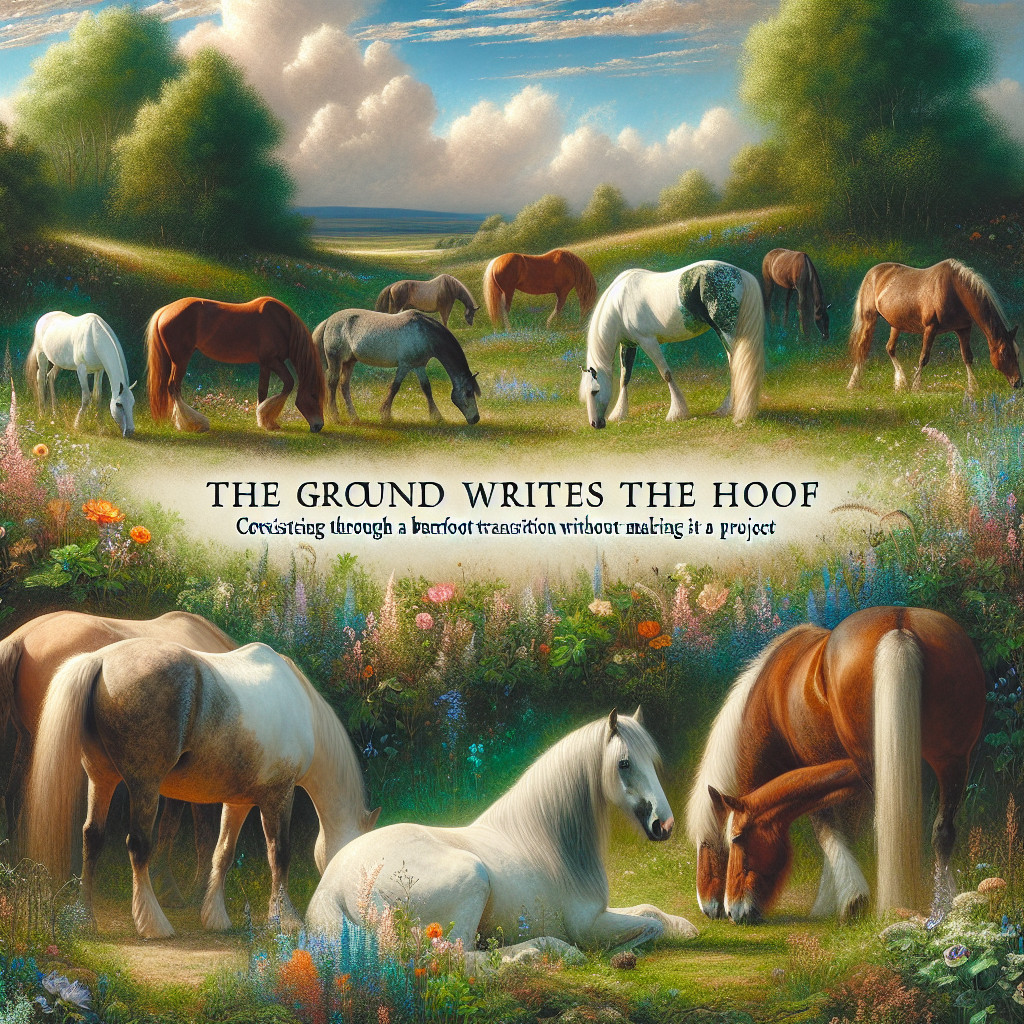
The Ground Writes the Hoof: Coexisting Through a Barefoot Transition Without Making It a Project

Hook
What caught my attention was the absence of anything remarkable.
No severe lameness. No clear emergency. Simply a subtle shift in how a foot landed, a hesitation before changing direction, a quiet decision to navigate around a section of terrain rather than through it. During a barefoot transition, these minor adjustments can tell the entire tale—if we allow them to.
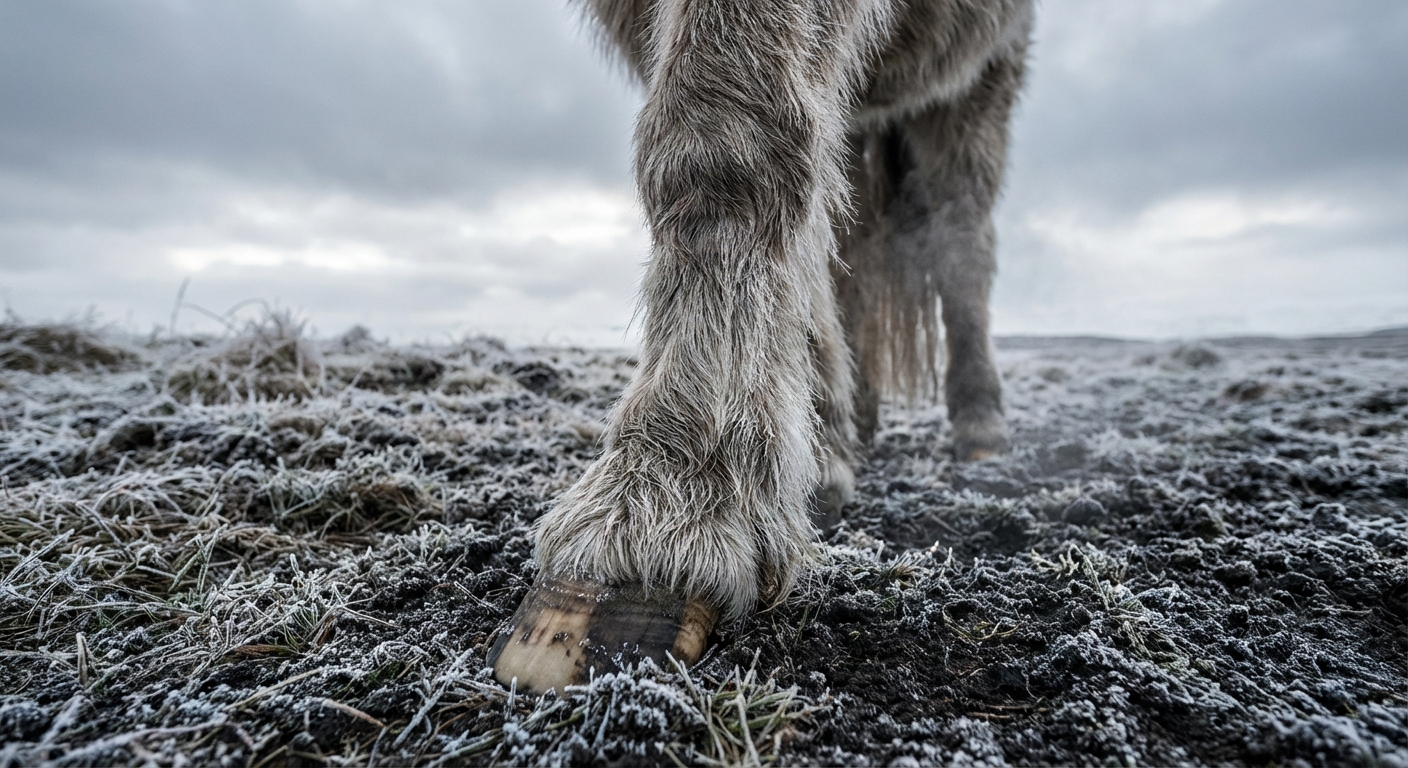
This piece explores hoof growth without transforming it into a regimen. It addresses shared living that isn't centered on riding, training, or "correcting." And it examines how terrain can reveal what the horse has understood all along.
1) Barefoot transition as relationship, not a task
Barefoot adjustment is frequently discussed as a transformation: before, after, schedule, benchmarks.
Yet when you share space with horses—without converting every development into a training agenda—you begin to sense how deeply a hoof is connected to everything else. It represents an intersection of body, surroundings, and everyday decisions.
In shared living, the "transition" isn't something we impose *on* the horse. It's something we commit to observing. That may seem inactive, but it isn't. Genuine discipline is required to resist imposing a storyline.
A barefoot transition can turn into a high-stress situation when people pursue certainty. Shared living calls for a different approach: remain nearby, remain watchful, don't hurry to interpret.
2) Watching the foot without turning it into a verdict
Hooves can easily become something we scrutinize like grades.
When riding isn't part of the equation, the objective transforms. Rather than evaluating whether a hoof is "adequate," you observe how the horse uses it. Not as an assessment, but as dialogue.
Minor variations are significant:
- The route the horse selects through familiar territory.
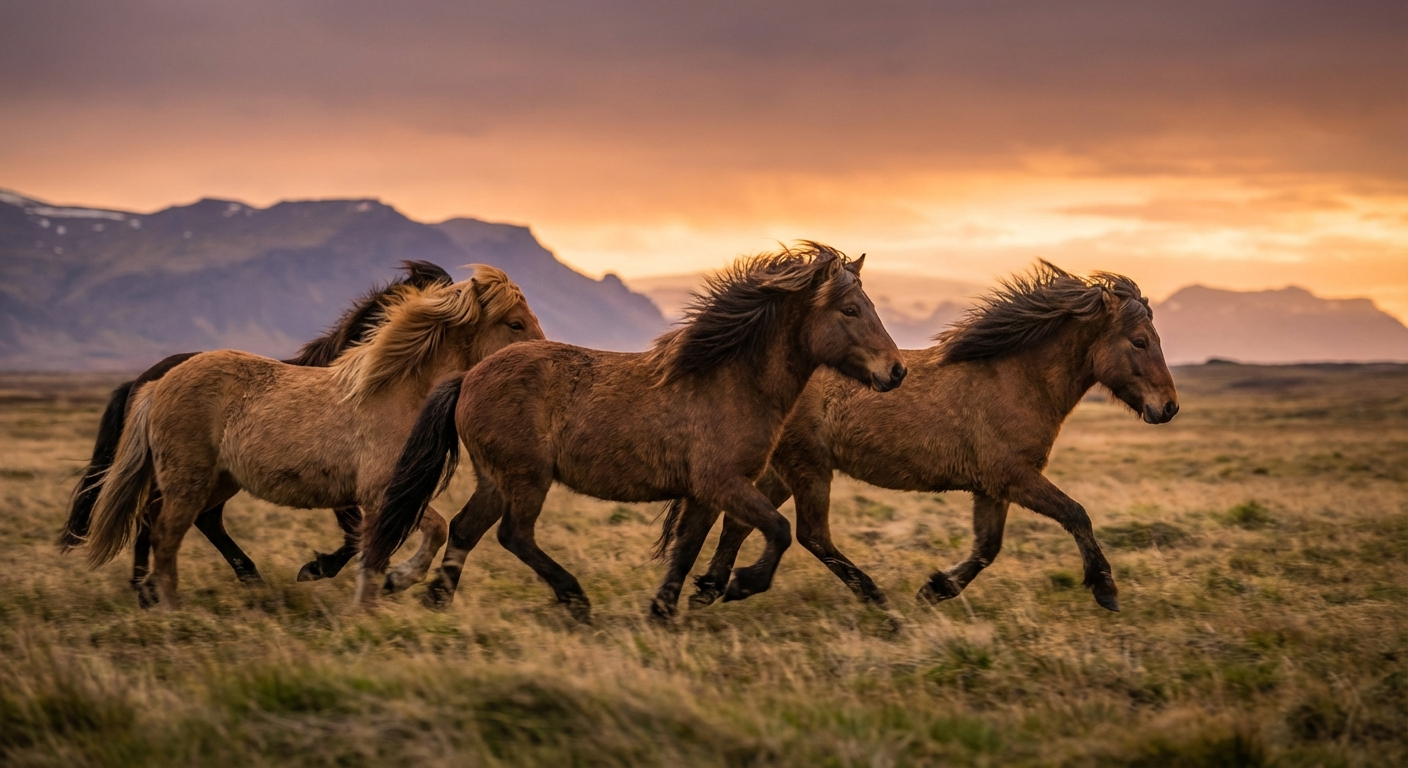
- Whether they move with long, relaxed strides, or compress their steps in particular locations.
- How they pivot when no one is requesting a precise arc.
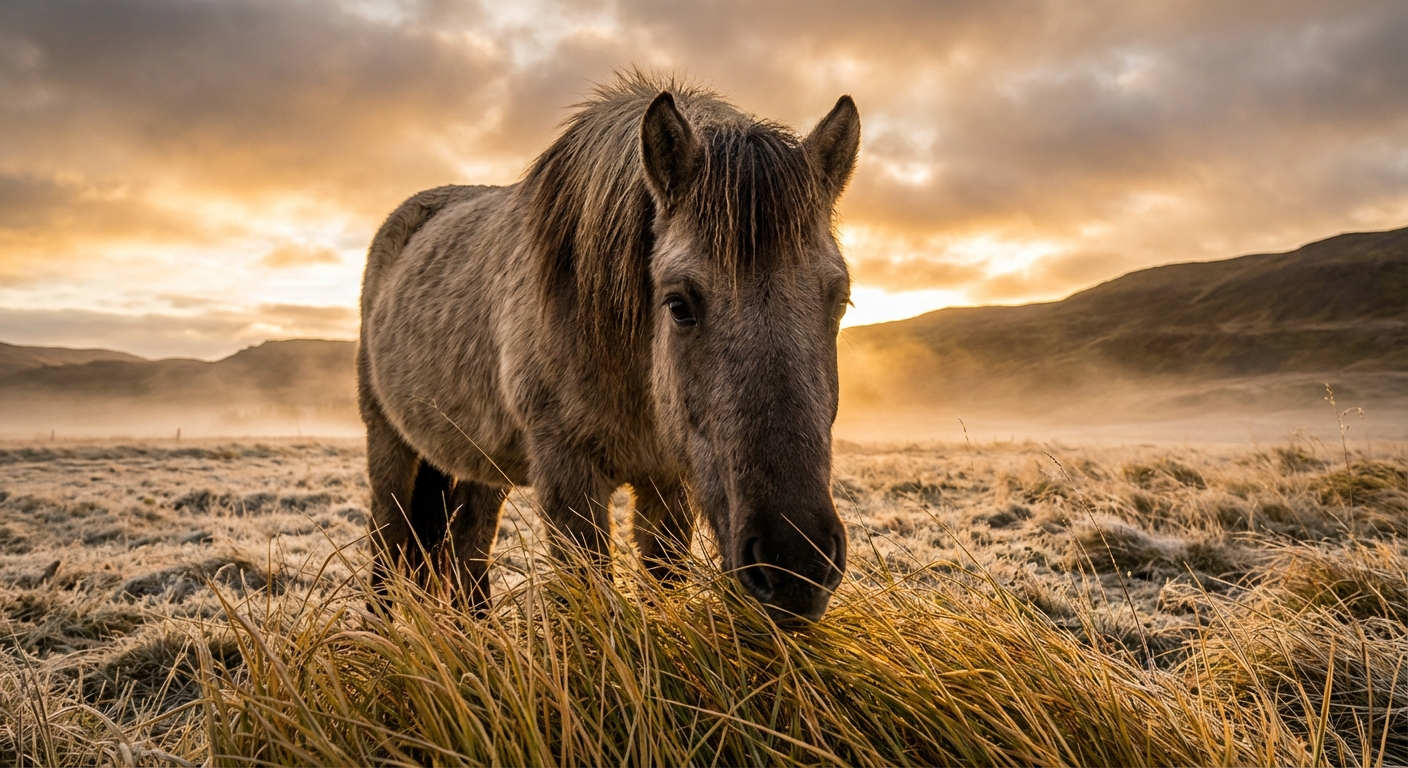
These observations don't demand a method. They demand time. They demand your presence without pressuring the horse to "demonstrate" anything.
And they demand modesty: occasionally you won't understand what you're witnessing, and the truthful reaction is merely to continue observing.
3) Letting the environment be part of the conversation
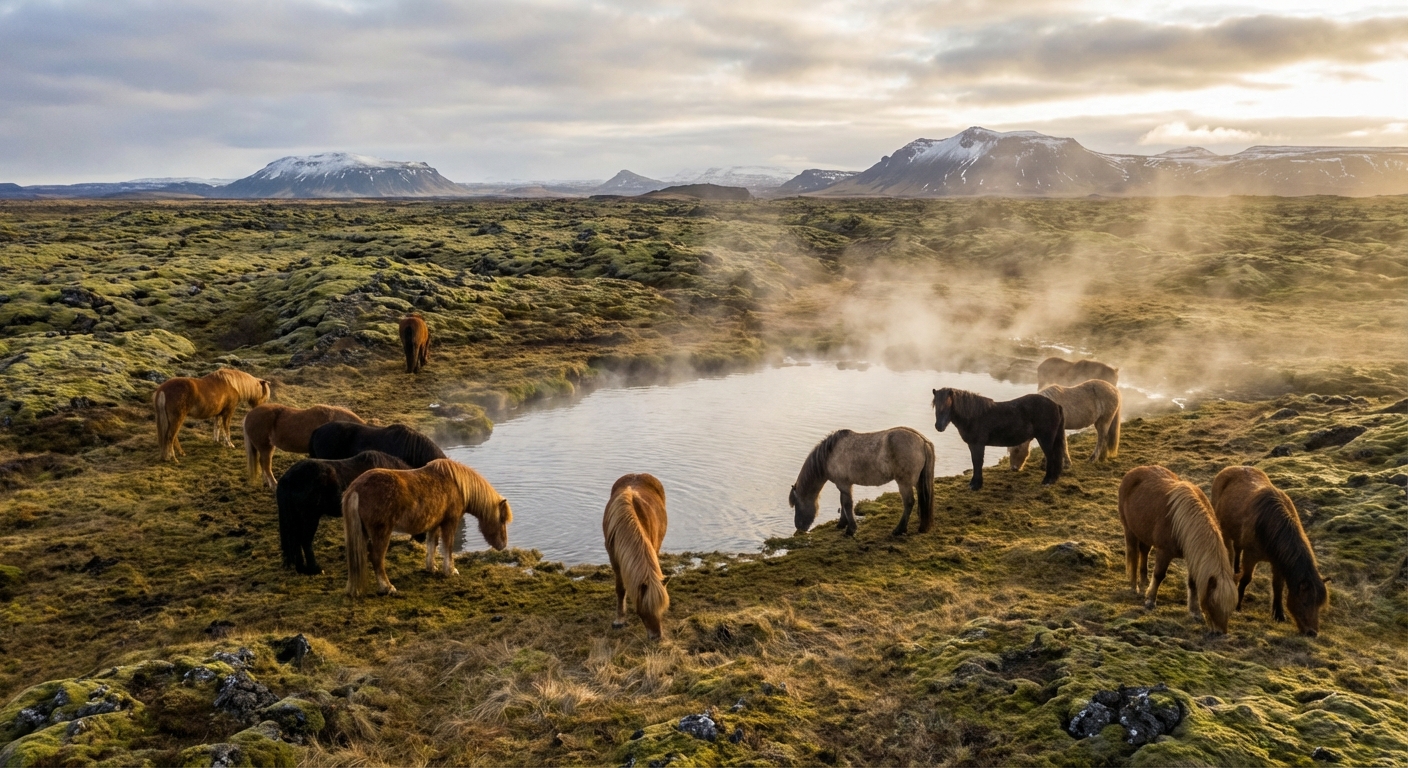
Hoof growth doesn't occur in isolation. It occurs where the horse resides.
When shared living takes priority, the surroundings cease being scenery and become an active contributor. A barefoot transition, seen from this angle, isn't solely about the hoof wall or sole as distinct components—it's about the daily interaction between horse and terrain.
That alters what we focus on:
- The horse's readiness to stand, relax, and travel freely within their area.
- Their inclination toward specific zones at particular hours.
- How they arrange their own locomotion when nobody is guiding them.
When the horse makes regular selections—opting for gentler footing, hesitating before uneven surfaces, being more active during certain parts of the day—those aren't nuisances. They're data.
In shared living, we strive not to dismiss that data with human impatience.
4) The pace of adaptation is not ours to schedule
People adore schedules.
Horses exist in a different temporal framework—one molded by ease, climate, herd relationships, and the subtle rhythm of everyday existence. During a barefoot transition, this disconnect can be our greatest challenge.
When you're not riding, you eliminate one typical source of stress: the expectation that the hoof must satisfy a performance timeline.
What takes its place is something more nuanced: the urge to convert "caring" into perpetual meddling.
Shared living welcomes a gentler form of accountability:
- Observe first.
- Intervene less.
- Prioritize the horse's decisions.
Occasionally the most considerate assistance is permitting the horse to hold a viewpoint—and not interpreting that viewpoint as rebellion, theatrics, or an issue requiring instant resolution.
5) A barefoot transition without isolation or over-management
When people feel anxious, we frequently reduce a horse's universe.
We limit mobility "as a precaution." We strip the surroundings down until they're clinical. We fuss. We transform the horse's body into a delicate item that must be shielded from existence.
Yet hoof growth is woven together with a life encompassing movement, relaxation, and companionship. Shared living doesn't mean disregarding danger; it means recognizing that a horse's body is built to exist in a world, not within a protective shell.
So the inquiry shifts from managing every factor to preserving the horse's self-respect:
- Can the horse still exercise autonomy?
- Can the horse still travel without being pursued or controlled?
- Can the horse still participate in their regular existence while you discreetly observe what's important?
In a relationship without training, this represents one of the most evident demonstrations of faith: by not treating adjustment as an emergency that erases the horse's entire being.
6) The human role: steady presence, honest notes, fewer speeches
Without riding or training, your impact emerges through the most basic elements: what you perceive, what you alter, and what you choose not to alter.
A supportive person during a barefoot transition isn't a vocal commentator. They're a consistent observer.
That might appear as:
- Revisiting the same observations across time, instead of responding to an isolated instance.
- Maintaining your attention on the horse's actual experience rather than pursuing an ideal vision of a "correct" hoof.
- Acknowledging that you may not receive a tidy, gratifying narrative—only a progressive change that becomes apparent looking back.
Shared living isn't about stepping away. It's about carrying fewer intentions. It's about allowing the horse to remain the creator of their own wellbeing, while you accept responsibility for being watchful, reliable, and peaceful.
Equine Notion
https://equinenotion.com/