The Invisible Pause: When Stress Starts in the Gut’s Empty Minutes

The Invisible Pause: When Stress Starts in the Gut's Empty Minutes
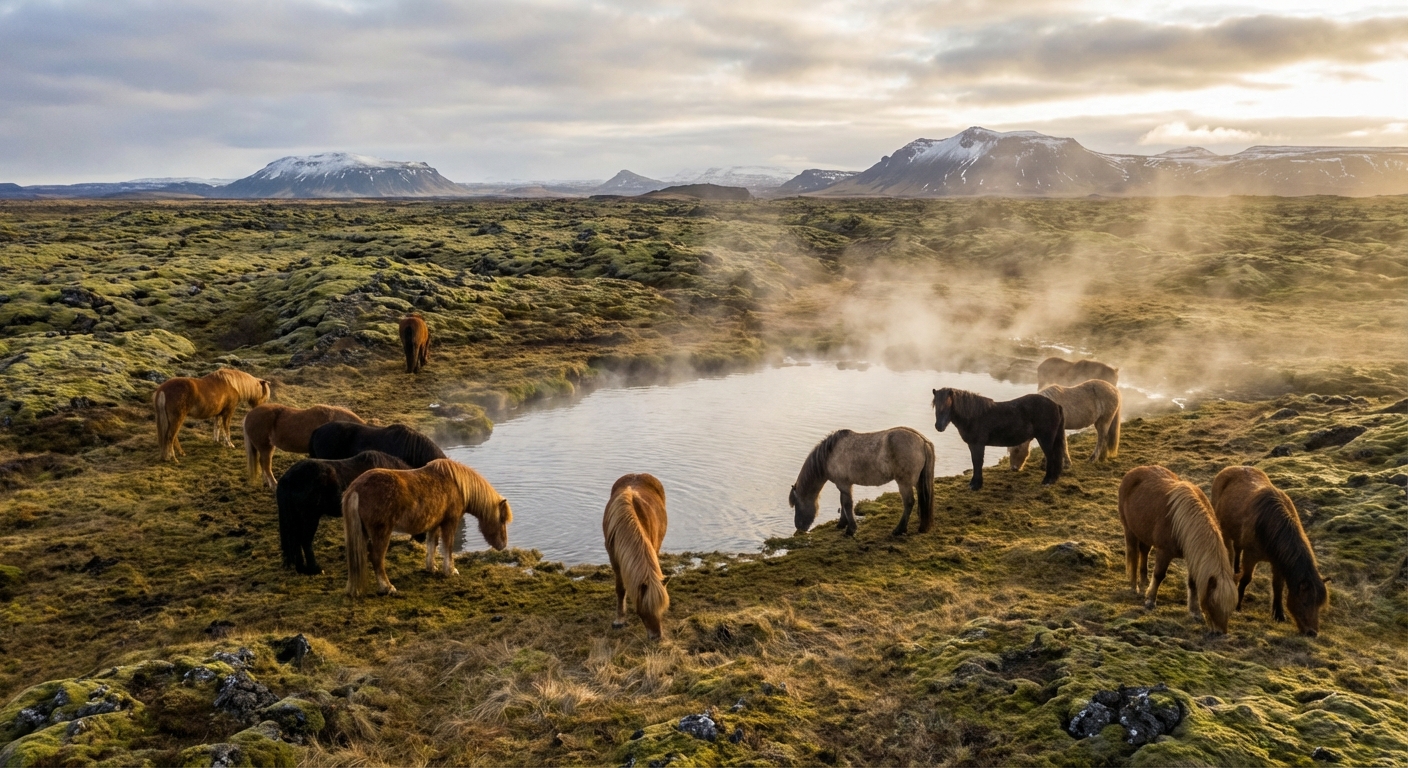
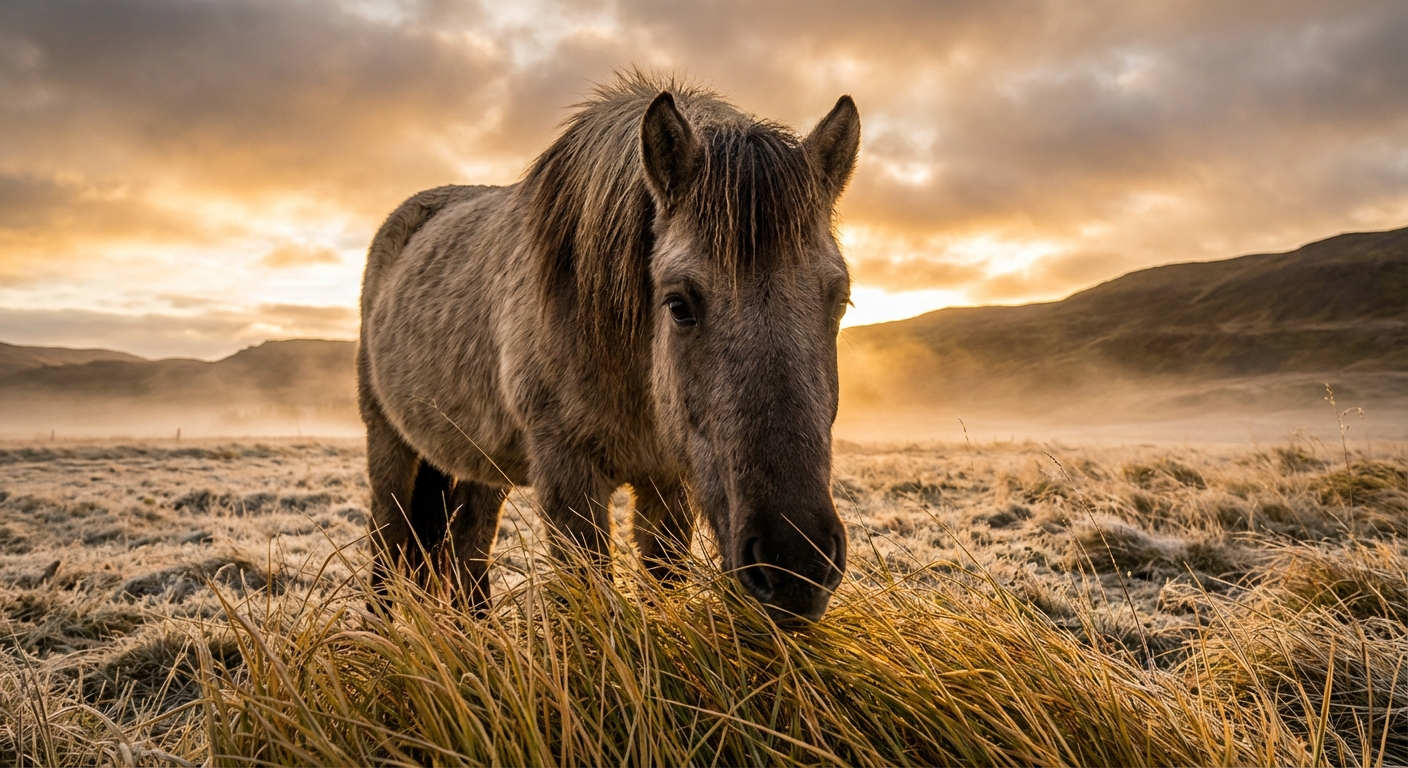
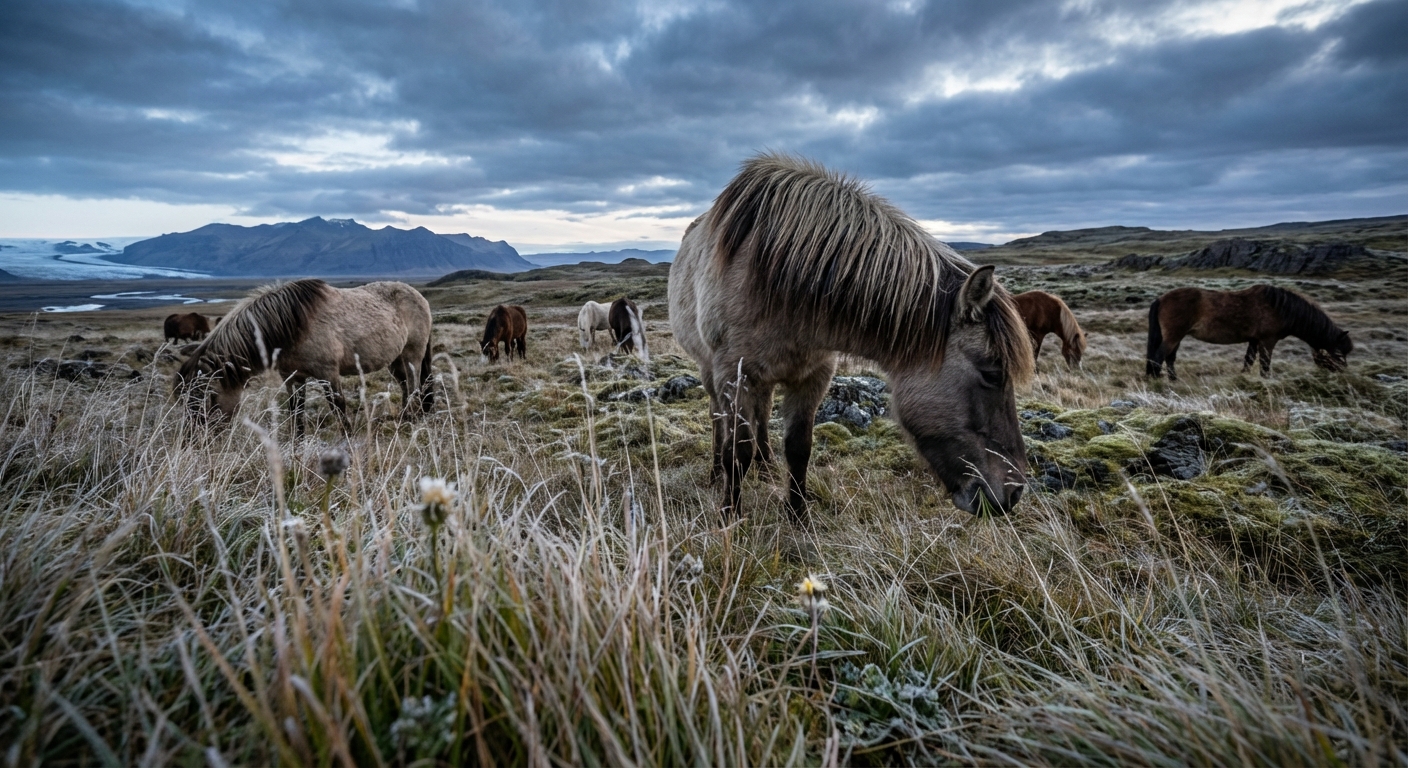
Yesterday I observed a horse standing before a latched gate, with nothing remarkable unfolding. No restless pawing. No anxious vocalizations. Only that motionless, courteous patience that appears so "well-behaved" through human perception. Yet the entire tableau struck me as deafening, precisely because this was not a stillness the horse had elected. It was a stillness thrust upon the singular activity around which their existence revolves: grazing as an unbroken rhythm, never a timed occurrence.
How often do we, too, stand quietly at gates we never chose—waiting in jobs, relationships, or routines that deny us what we fundamentally need, while appearing perfectly composed to those who watch?
We speak frequently of stress as something observable—startling, bolting, resisting, unraveling. Yet some of the most profound stress appears to originate when nothing external shifts whatsoever. A horse may remain tranquil and cooperative while its internal rhythm begins counting the instant feeding ceases. Equines generate gastric acid without interruption, which renders the void itself anything but benign. It becomes a span during which the body persists in its perpetual work, even after we've eliminated the one consistent equilibrium: roughage traveling through the digestive tract.
We might recognize this pattern in ourselves—the way our minds and bodies continue their anxious churning even when we sit perfectly still, when the absence of nourishment (physical, emotional, or spiritual) creates its own invisible erosion.
This is the threshold where I begin contemplating the "interior ecosystem" of the horse—not as a fashionable notion, but as an elemental truth: there exists a living persistence within that anticipates persistence without. When the day's architecture depends on continuous grazing, then disruptions represent far more than foregone nourishment. They constitute a biochemical and psychological occurrence. We haul them, we arrange medical interventions, we restructure their patterns, we "merely" confine a horse through the night. We might label it recuperation, but the horse is being barred from fulfilling what its physiology requires. And when circumstances obstruct the fundamental, the body must adapt. That adaptation is precisely what I contemplate when considering stress hormones: not a temperament, but a condition of vigilance born from incongruence.
Perhaps this explains why our own modern afflictions—anxiety, inflammation, restlessness—so often emerge not from crisis but from the quiet denial of what our deeper nature requires.
Occasionally stereotypic behavior serves as the sole remaining honest announcement—an ecological indicator that the horse has been compelled to navigate excessive fragmentation. At other times, no announcement appears at all. Simply a horse who grows more manageable while simultaneously losing the capacity to sustain itself.
We might ask ourselves how many among us have become easier to manage while quietly losing our ability to maintain our own wellbeing.
What if "serenity" is occasionally merely the instant we cease perceiving the toll of a vacant hour?
Equine Notion
https://equinenotion.com/