The Long Digestive Day: Coexisting With a Horse’s Need to Keep Moving
The Long Digestive Day: Coexisting With a Horse's Need to Keep Moving
What if digestion isn't merely an event that follows a meal, but rather the very architecture around which a horse's entire existence is constructed?
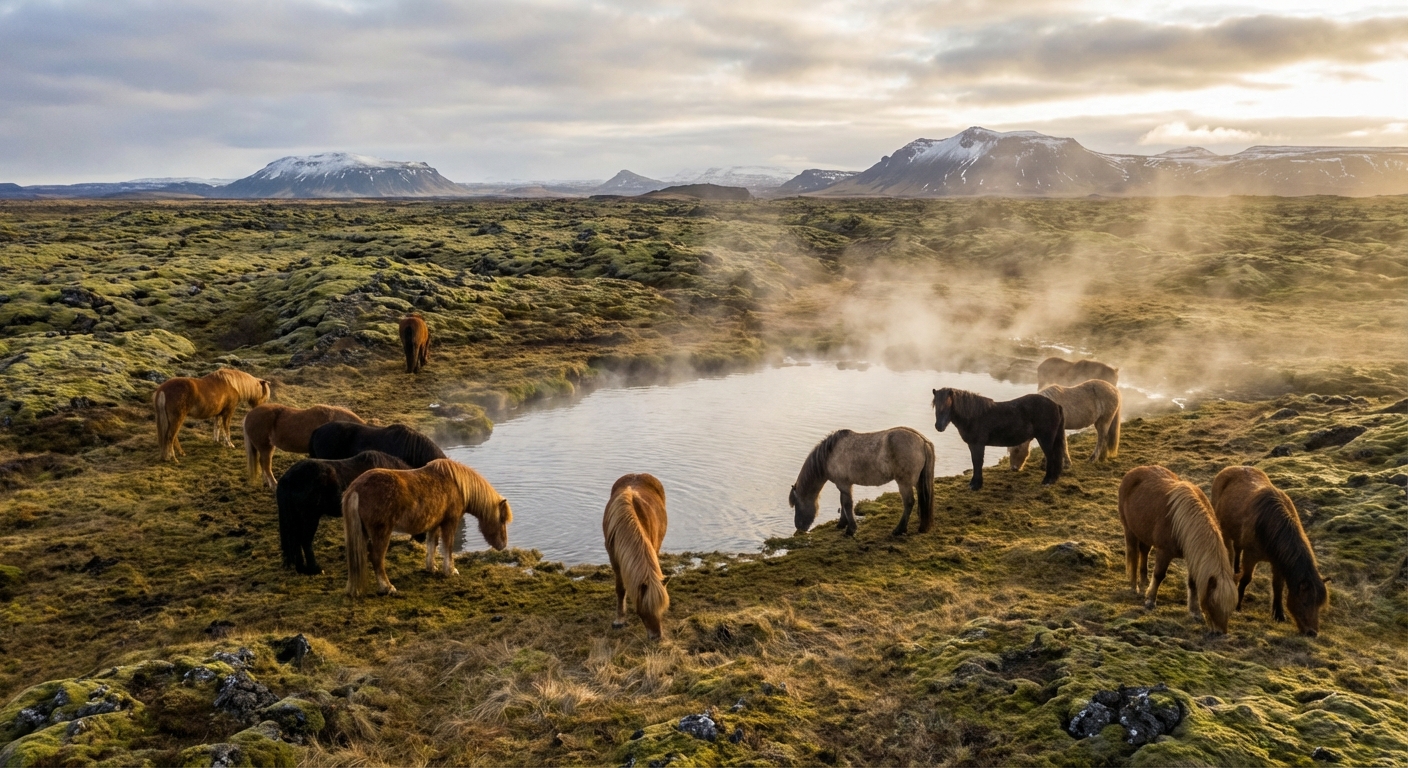
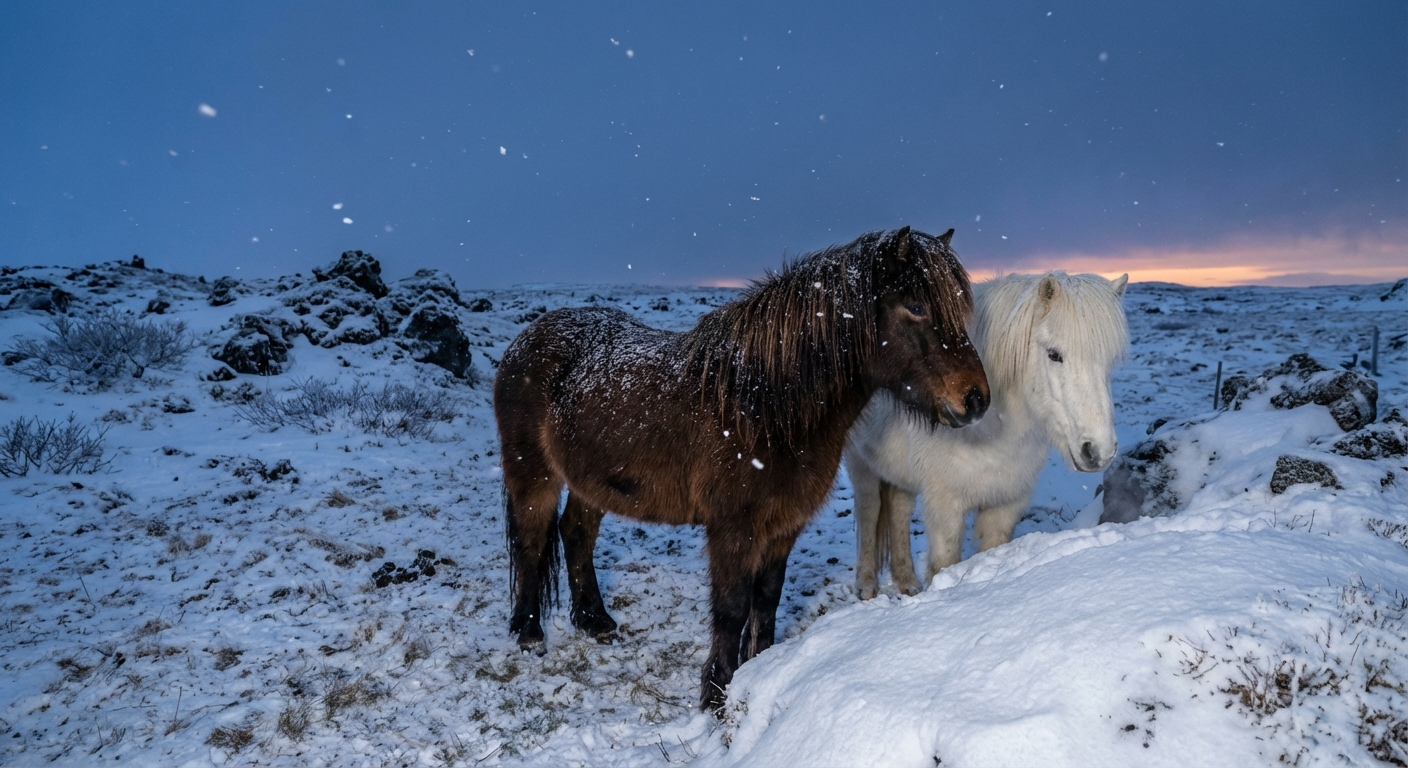
The longer I dedicate myself to quietly observing horses as they simply live, the more apparent it becomes that nourishment and locomotion are woven into a single cloth. Not structured exercise. Not scheduled time in the paddock. Rather, the unhurried, unremarkable wandering that permeates every hour: a handful of steps toward the next bite, a gentle migration to fresh ground, a moment of stillness, then motion once more. Their existence appears to revolve around perpetual access and seamless continuity, and when we fracture either element, the horse doesn't merely forfeit a routine—they lose the foundation upon which their physiology depends. Perhaps we, too, have rhythms that cannot be segmented without cost, patterns of being that resist the compartmentalization we impose upon ourselves.
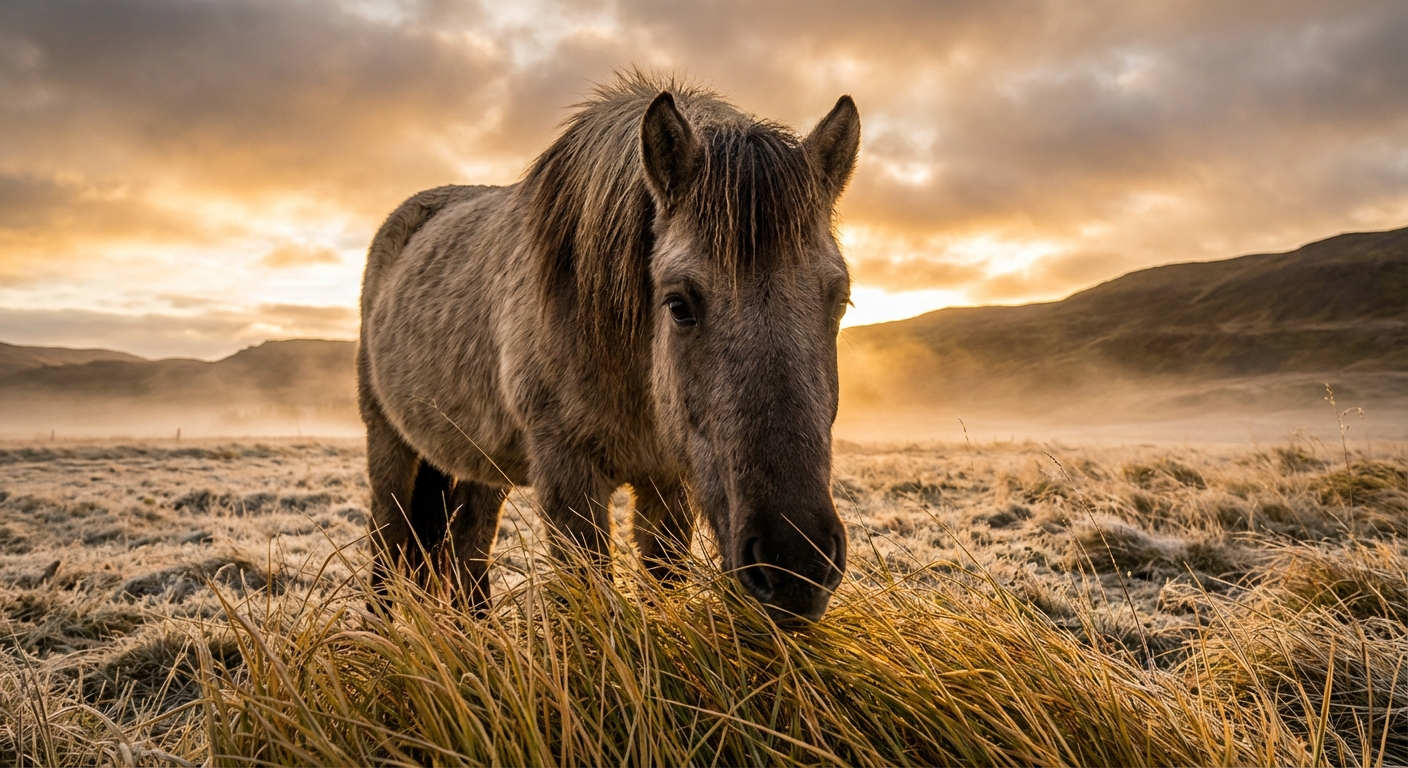
We prefer to sort needs into tidy categories. "Feeding" occupies one compartment. "Movement" fills another. "Rest" claims a third. Yet a horse immobilized in a stall through the night hours isn't necessarily recuperating; it is being denied what its very biology insists upon. The same truth applies to those extended intervals we accept as normal simply because they align with our schedules. The moment eating ceases, an internal timer begins its relentless count. The continuous secretion of gastric acid makes no concessions to human convenience. Thus our role as caretakers undergoes a quiet transformation: from "I provide food at this hour" to "I ensure sustenance remains perpetually within reach." How often do we mistake our own stillness for rest, when in truth we are simply being held apart from what our deeper nature requires?
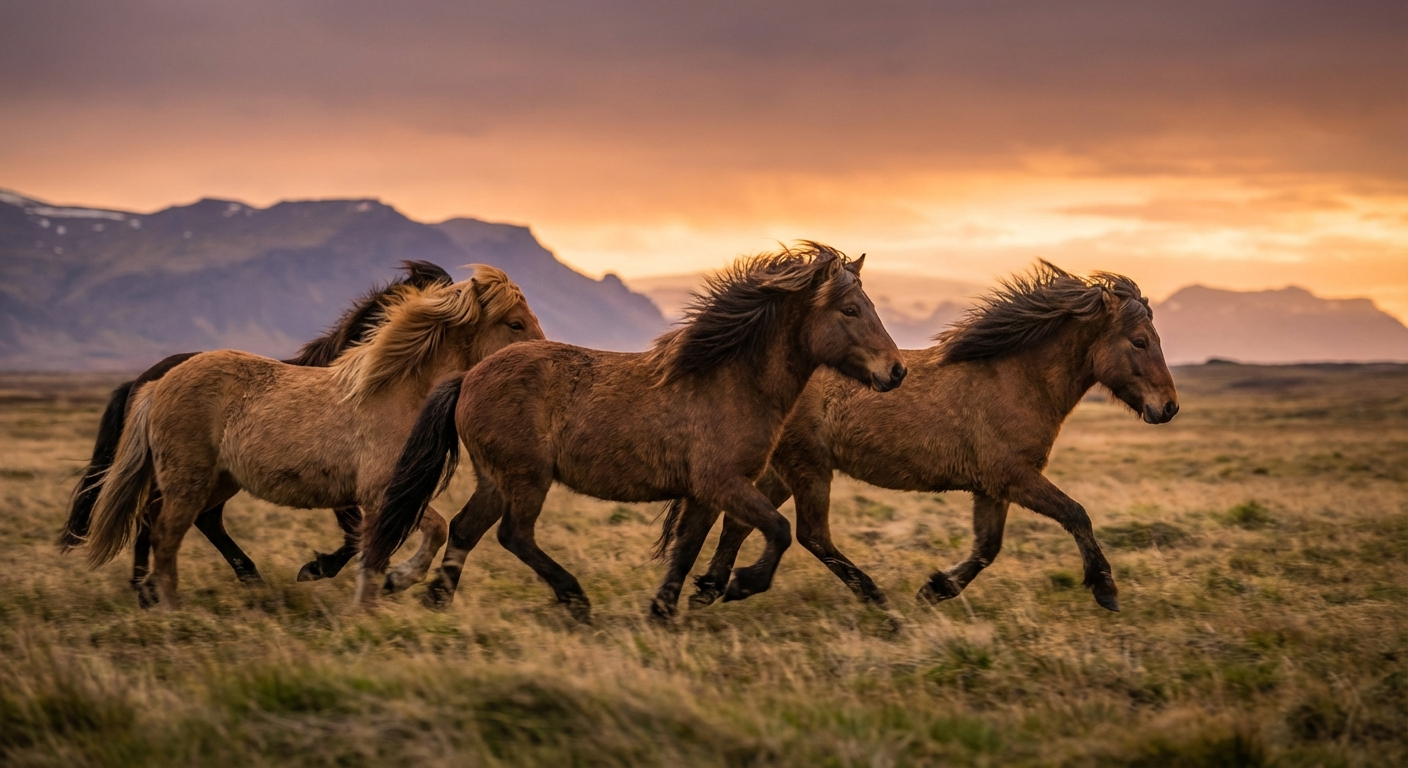
And there exists the complementary dimension of this partnership: territory to traverse. Horses carry within them an innate draw toward covering substantial ground each day—movement that constitutes not exercise, but simply existence itself. When we curtail this, we alter more than muscle and breath; we fundamentally reshape how their entire organism encounters each passing hour. The consequences may manifest as agitation, as compulsive patterns that signal a discord between creature and environment, or as a flatness that masquerades as "well-behaved" until one recognizes it as merely diminished vitality. We might ask ourselves where in our own lives we have mistaken resignation for peace, where our apparent calm is actually the quieting of something essential.
True coexistence, as I have come to understand it, begins the moment I cease regarding their body as a sequence of isolated appointments and instead commit to safeguarding the unbroken thread: forage within reach, movement unobstructed, and days that do not perpetually demand the horse suspend what nature never intended to pause.
Equine Notion
https://equinenotion.com/