The Mouthful of Earth: Letting Geophagy Stay a Message
The Mouthful of Earth: Letting Geophagy Stay a Message
How should we name the moment when a horse selects soil instead of grass—is it appetite, rebellion, nutritional lack, or simply an unwanted behavior? I once rushed toward classification, largely because naming things creates an illusion of mastery. Yet dirt refuses to conform to my orderly notions of stewardship.
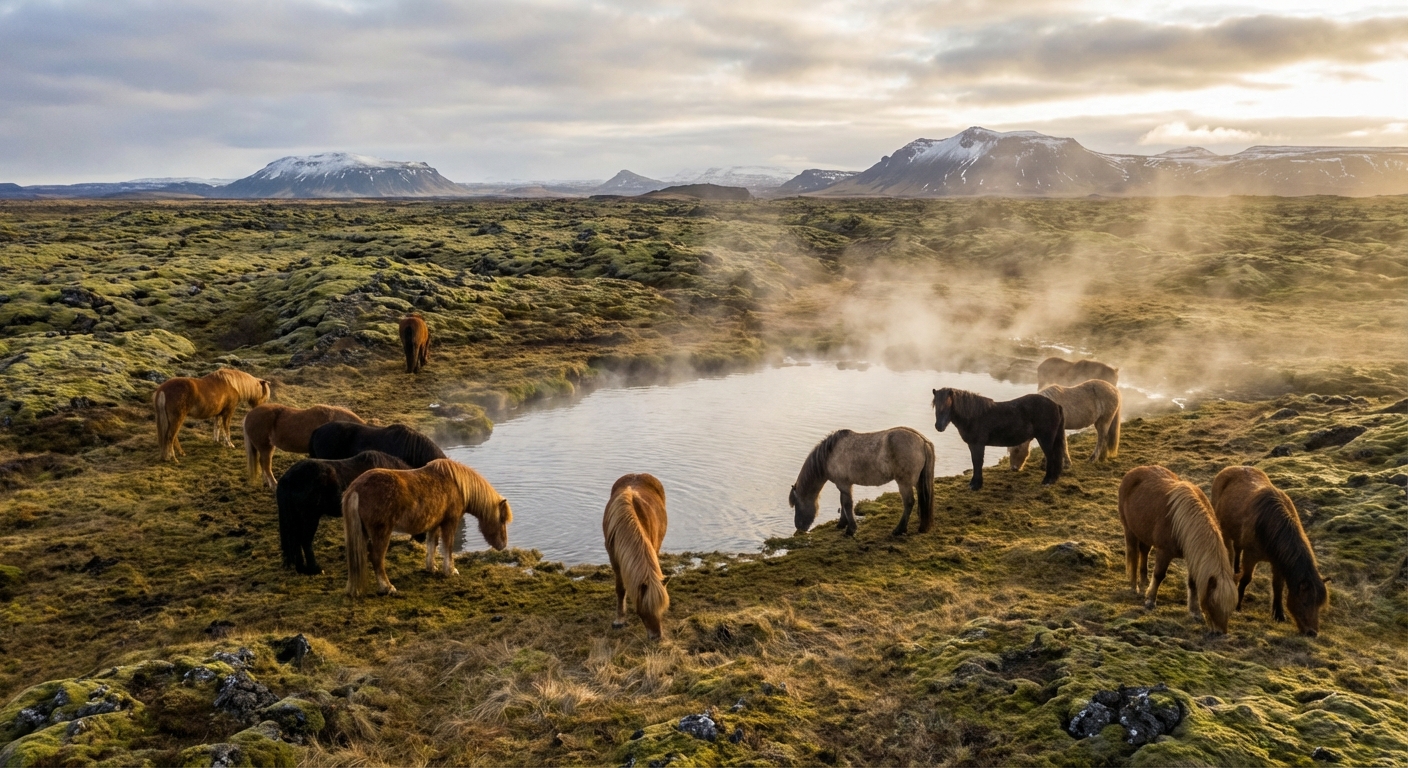
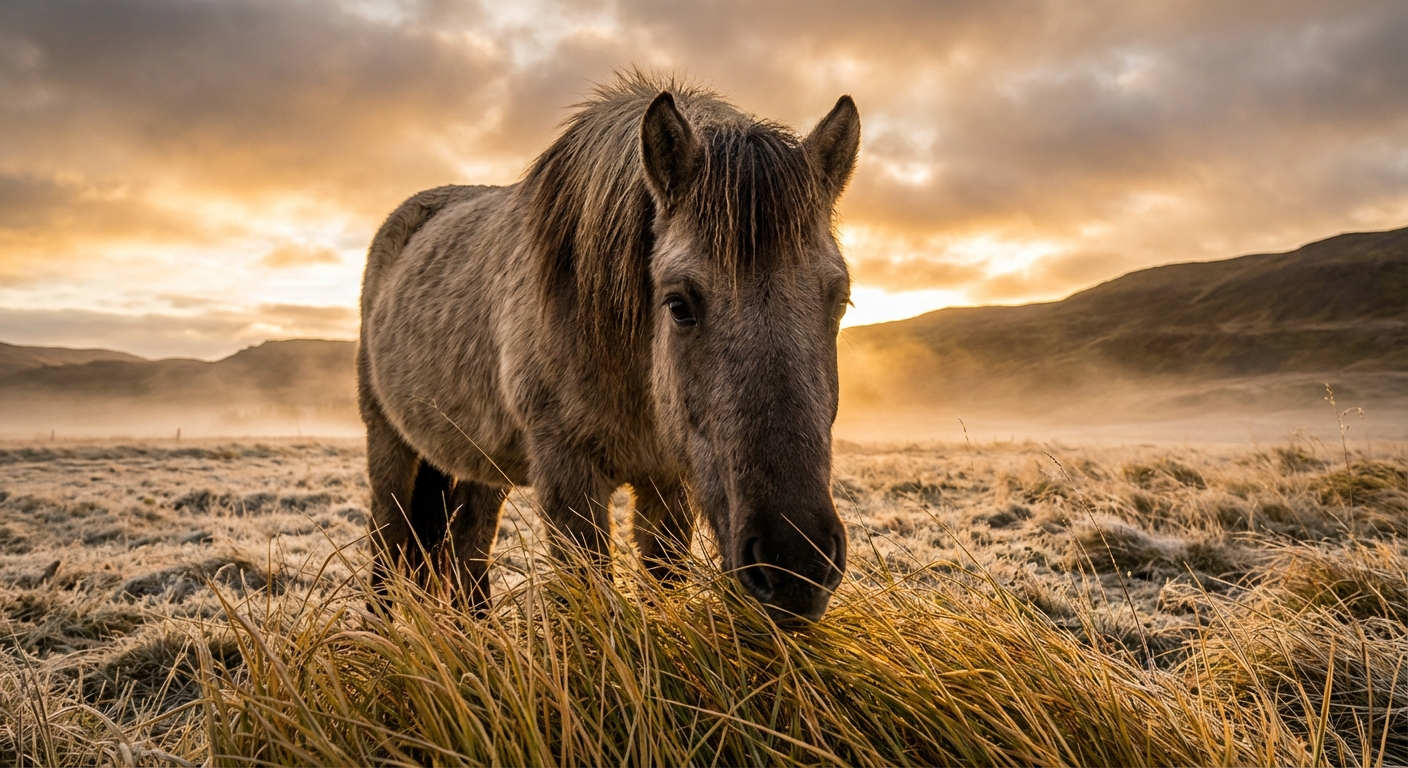
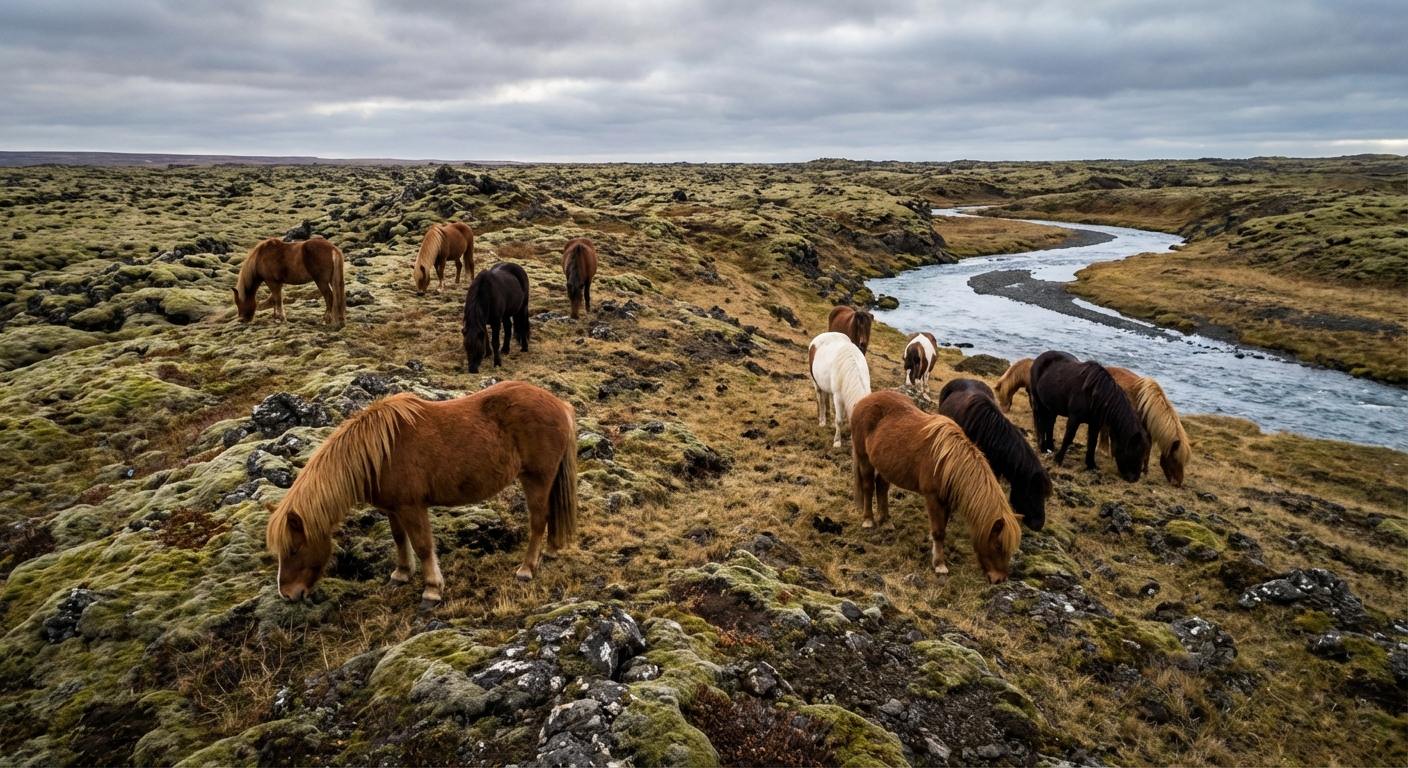
This morning the pasture held that particular dampness which makes every color richer. A single horse abandoned the hay pile and made his way to a worn spot by the gate where hooves had thinned the ground to bare earth. There was no spectacle, no haste. Only the gradual descent of his head, a moment of stillness, and then that distinctive sound: soft lips collecting a modest portion of soil. We too sometimes crave what cannot be explained—substances, silences, returns to something elemental that our rational minds dismiss.
I chose not to intervene. No clapping, no waving off, no redirection. I positioned myself at enough distance that my own presence wouldn't become the story. The coexistence I'm learning to embody requires distinguishing between "I feel worried" and "they are in danger." That distinction may be the most difficult one of all. How often do we project our anxiety onto others and call it protection?
His consumption was minimal. The gesture resembled sampling more than sustenance. He moved a few paces, tested the earth once more, then ceased as though his purpose had been fulfilled. His return to grazing carried no air of victory or concealment. It was unremarkable, like choosing a rain puddle over a trough: a decision born of the instant, for reasons the horse owes no explanation to anyone. Perhaps the deepest wisdom lies in allowing others their inexplicable choices without demanding they translate them into our language.
I've begun understanding these quiet acts as elements of the horse's personal repertoire—autonomous, somatic choices that exist beyond the need for human approval. The surroundings present possibilities: vegetation, mud, water, shadow, shelter from wind, expanses of openness. The horse navigates these offerings with a gravity that my alarm could never enhance. We might ask ourselves how often we override our own body's intelligence because someone else's worry became louder than our instinct.
The pull, naturally, is to transform the bare patch into a "problem" requiring elimination. Erect barriers around it. Cover it over. Render the terrain homogeneous. But homogeneous terrain frequently generates precisely the management burden that demands endless adjustment: more restraining, more replacing, more attempting to outwit a body already engaged in its own resolution. In our own lives, we often engineer away the very irregularities that were teaching us something.
So I made a different sort of observation. Not a remedy—merely a documentation of circumstance. Morning moisture. Forage continuously accessible. No tension among the herd. No rivalry at the hay. A short, intentional visit to that same spot, followed by a return to eating.
By afternoon, the patch remained. The horse remained a horse. The message had not intensified simply because I permitted it to be. Sometimes the bravest thing we can do is let a question stay a question, trusting that not every signal requires our urgent interpretation.
Equine Notion
https://equinenotion.com/