The Small Mouthful: Slow Feeders as a Pact With a Horse’s Own Tempo

The Small Mouthful: Slow Feeders as a Pact With a Horse's Own Tempo
What strikes me first is not the hay itself. It's the auditory texture of the moment.
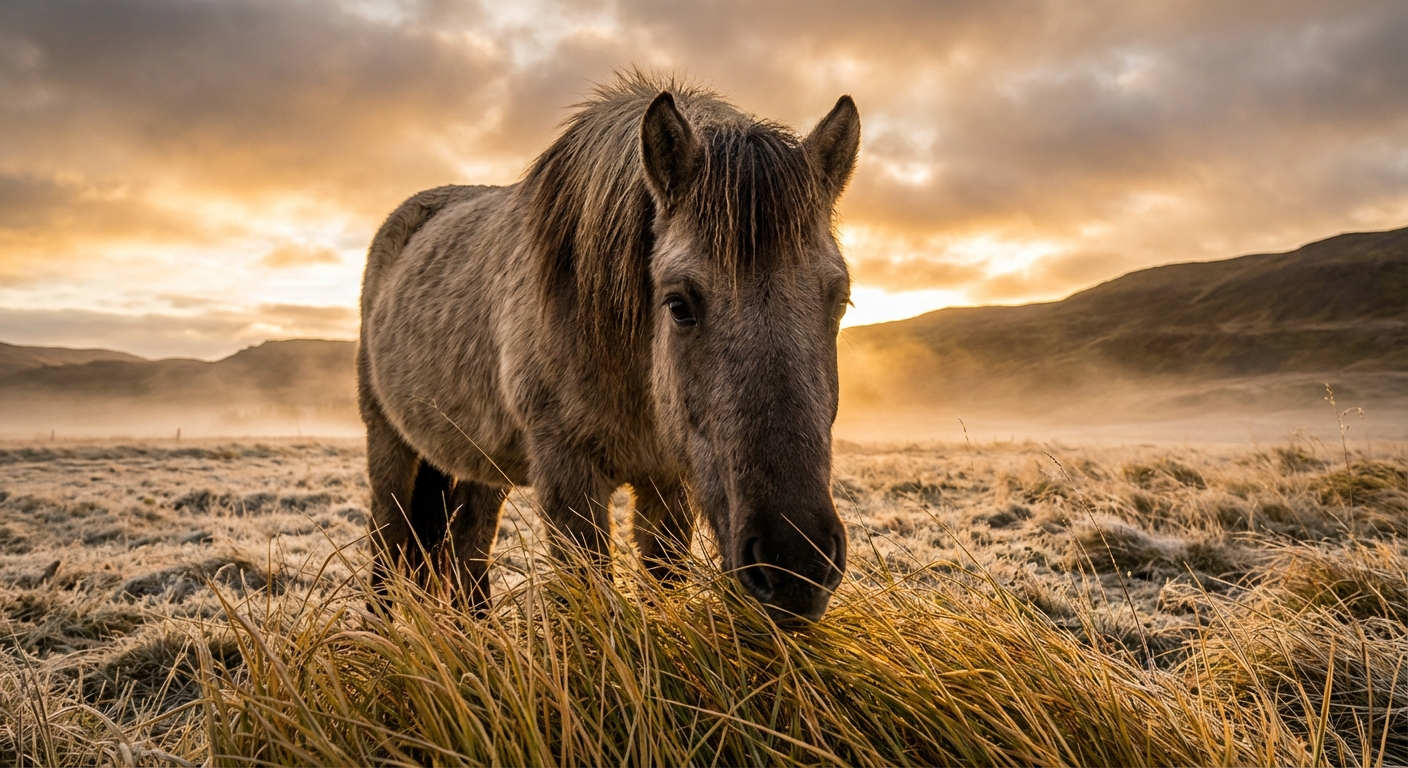
A horse grazing from loose forage produces a particular kind of stillness: unhurried draws, gentle intervals, the soft repositioning that signals satisfaction with what's just been consumed. But when hay vanishes too quickly, the pasture takes on a different character. The body remains stationary, but the mind sharpens into vigilance. Somewhere within the horse, an invisible timer begins its count the instant chewing ceases. We, too, know this restlessness—the way emptiness can make us hyperaware of time, turning presence into anticipation.
A slow feeder, when thoughtfully employed, transcends its function as mere equipment. It becomes a threshold that offers something in return. Not limitation imposed for tidiness, but an invitation for the horse to continue what their entire physiology anticipates: approaching food repeatedly, without a human arbitrating every bite. Understood this way, the feeder serves a purpose beyond "extending the hay supply." It anchors the horse in a more consistent digestive rhythm, because the stomach does not courteously suspend its processes on our behalf. Once mastication ends, the threat of gastric discomfort persists regardless of what the clock says about the next scheduled meal.
What shifts in our shared existence is the nature of our responsibility. We transition from being dispensers of meals to becoming guardians of continuity. The inquiry transforms from "Have I provided sufficient food?" to "Have I created conditions for them to eat according to their own rhythm?" That rhythm is neither a moral achievement nor a behavioral objective. It is a mode of self-governance—the way a horse tempers their own hours, how they dissolve the sharp edges of tedium, how they circumvent the kind of anticipatory tension that can manifest sideways as compulsive, arrested behaviors signaling that the surroundings have failed them. Perhaps we recognize this in ourselves: how access to what sustains us, offered steadily rather than in anxious intervals, allows our own nervous systems to finally exhale.
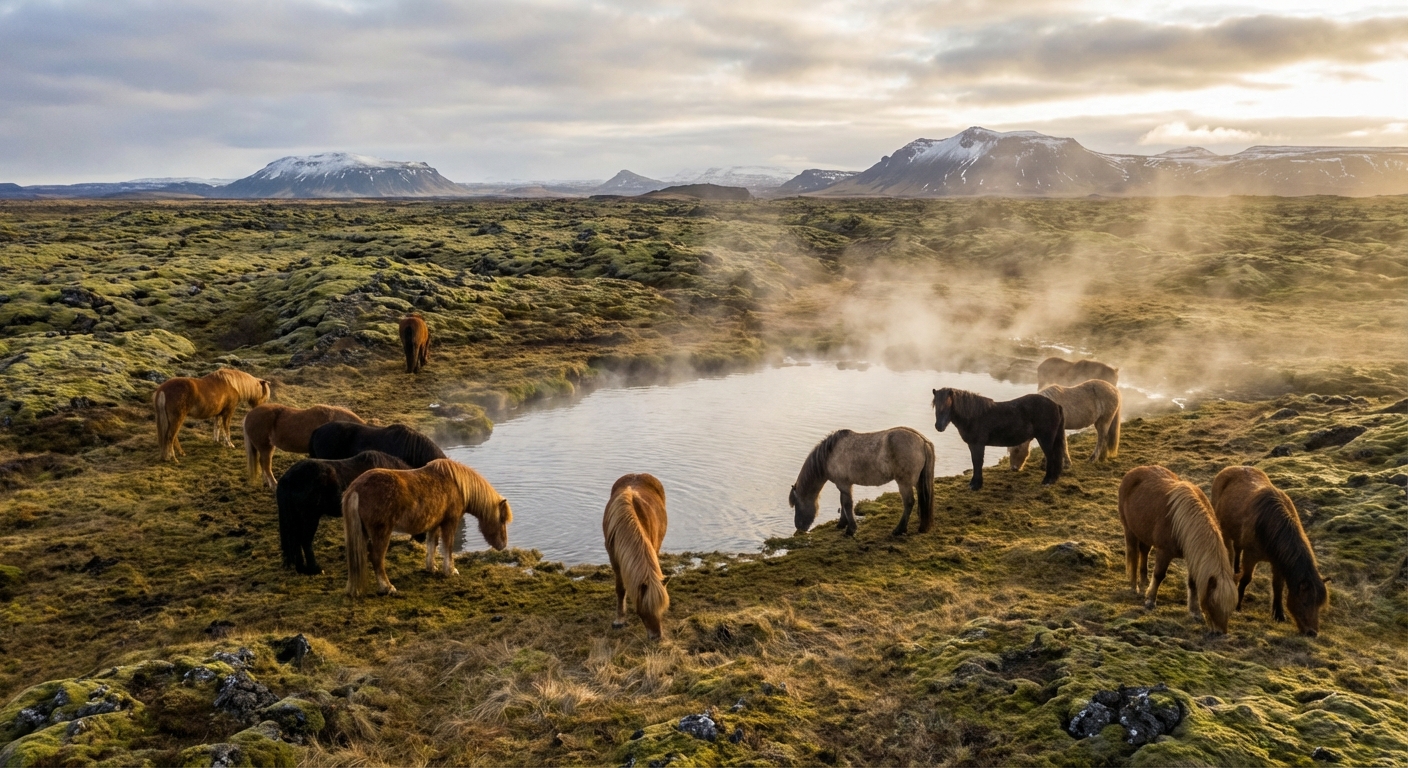
There is also an understated communal dimension to this practice. When access to forage remains reliable, the herd loses its impetus to converge frantically on the moment. The feeder transforms into neutral ground where urgency dissolves, where any horse can withdraw and return without the entire dynamic devolving into competition. In our own communities, scarcity breeds tension; sufficiency allows for grace.
If we offered horses fewer discrete "feeding occasions" and more continuous access to modest portions, what else within their bodies—and within their bonds with one another—might at last find permission to rest?
Equine Notion
https://equinenotion.com/