The Soft Mouth Signal: When a Horse’s Play Face Changes How We Share Space

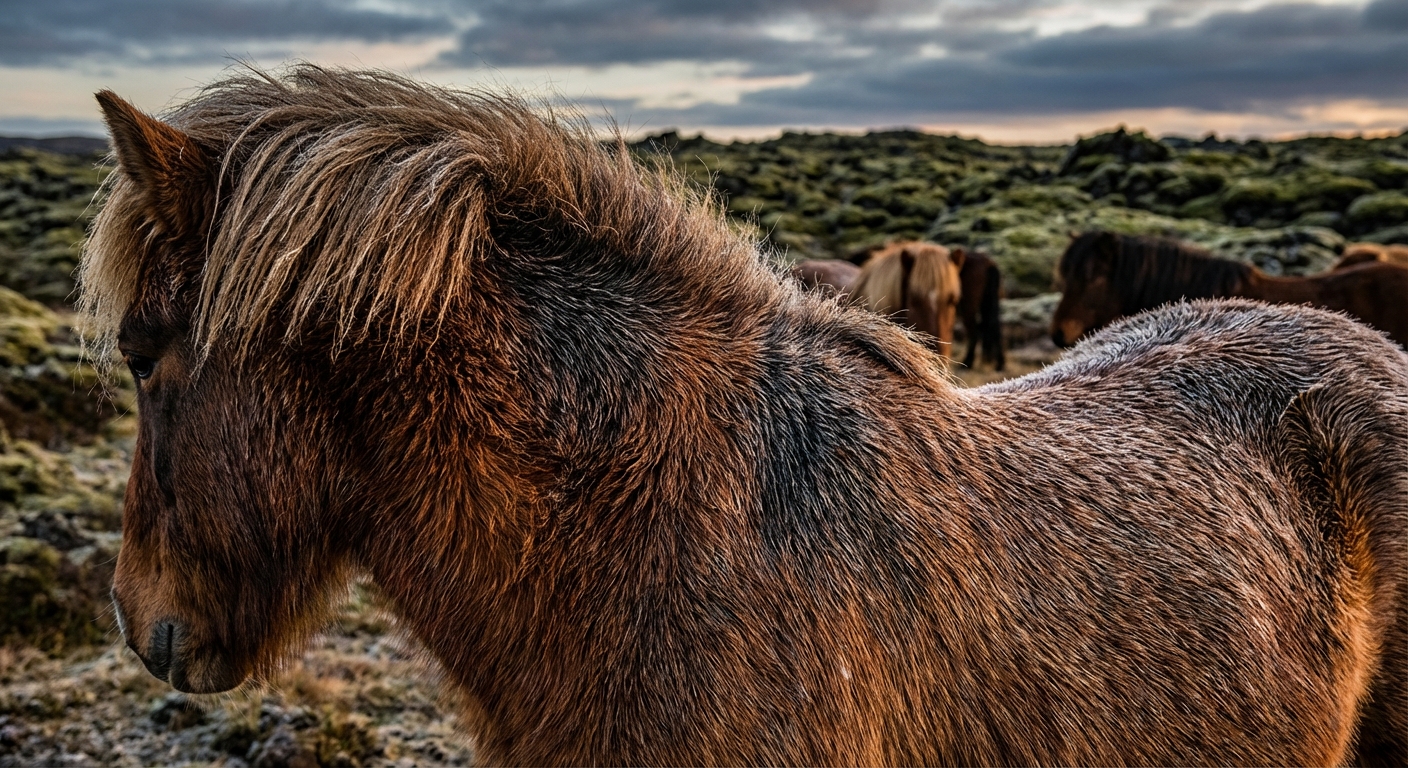
The Soft Mouth Signal: When a Horse's Play Face Changes How We Share Space
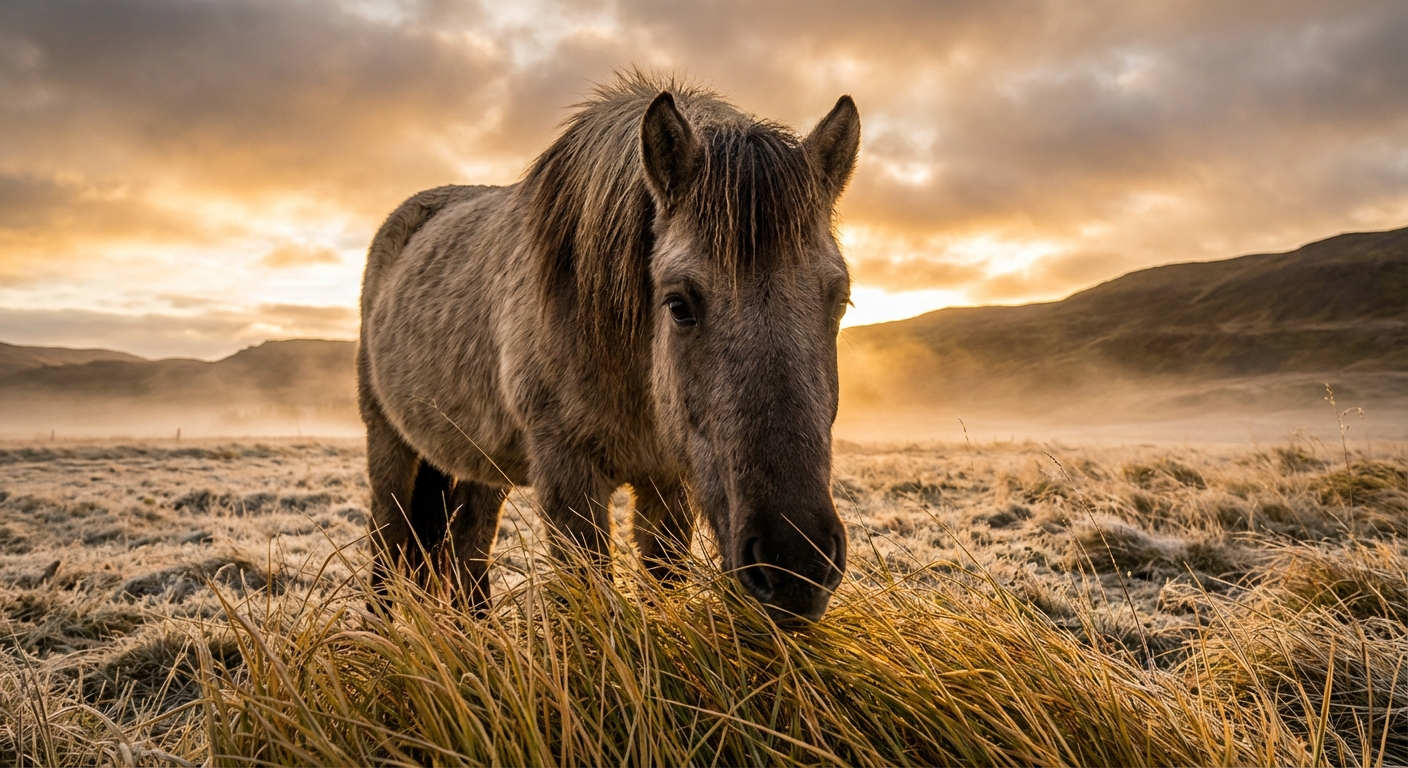
What does it signify when a horse deliberately appears "foolish"—lips hanging slack, jaw unhinged, eyes soft, the entire face momentarily without defense?
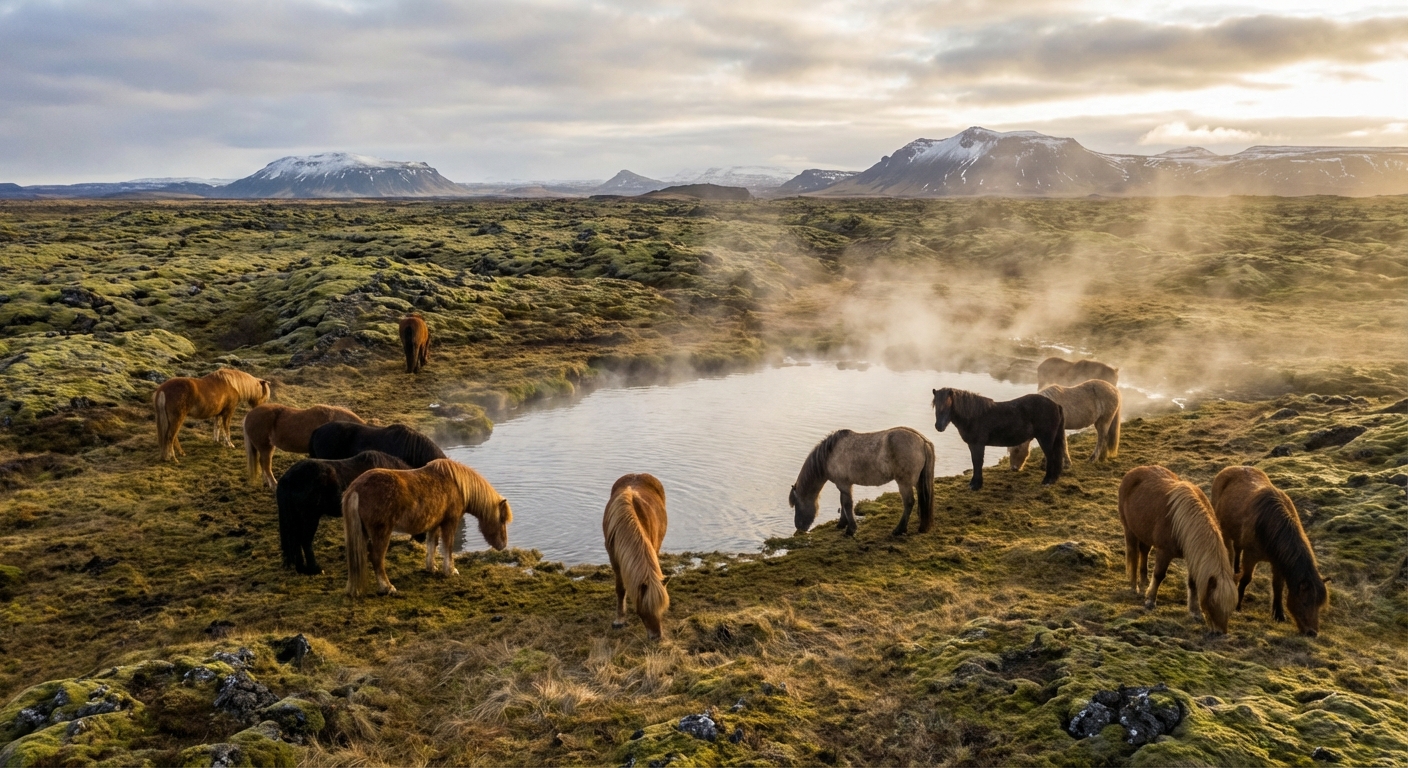
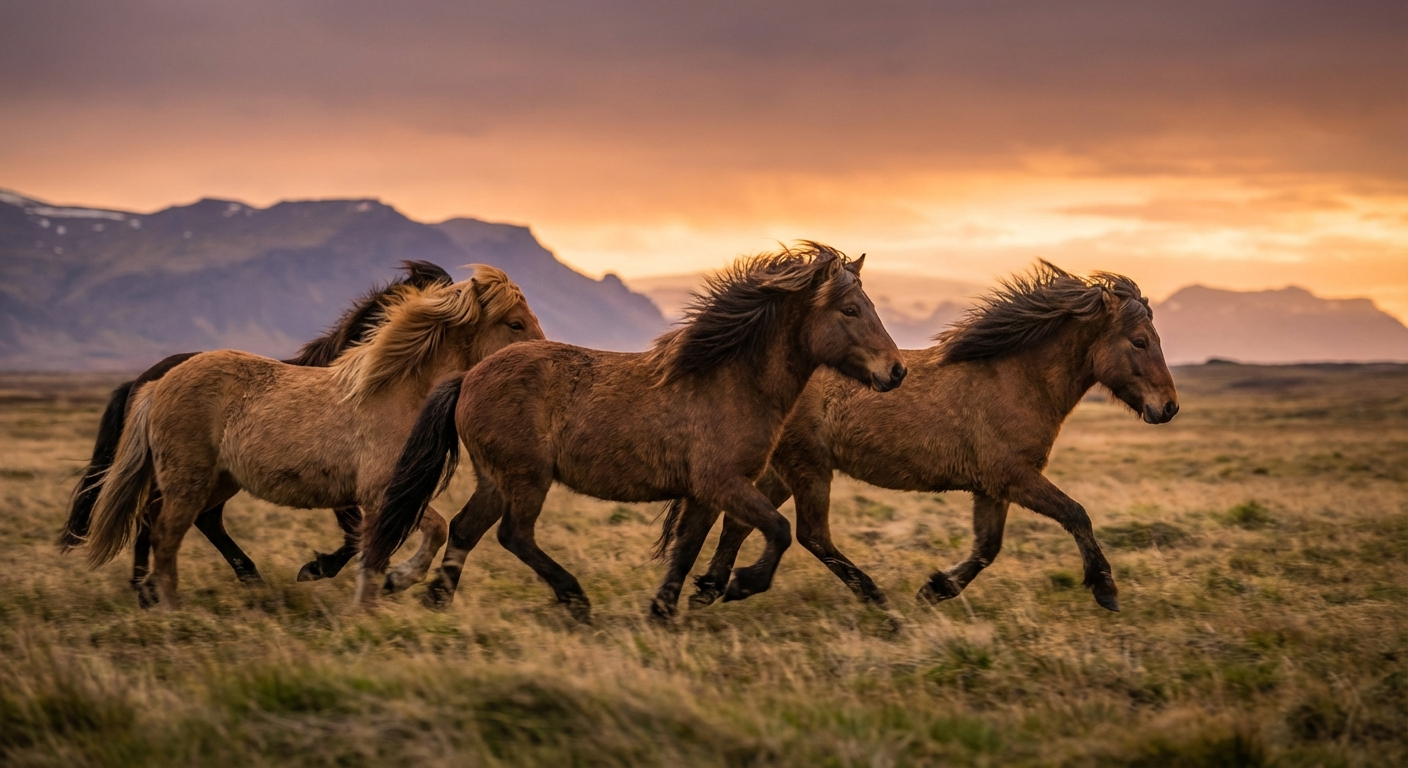
I observed it on an unremarkable day with nothing on the calendar. The herd had been wandering through their familiar circuit—unhurried footfalls, extended stillnesses, endless small mouthfuls—until two of them converged near the same grazing spot and engaged in something entirely unrelated to eating. One approached with that undeniable gentleness: mouth at ease, neither grasping nor grabbing, just parted enough to communicate, "I'm not making a demand." The other responded by springing away in a gesture that was part invitation, part challenge. No flattened ears. No tense muzzle. Their bodies seemed to expand for an instant, yet their expressions grew softer. We humans might learn something here: that the truest invitations often begin not with grand gestures, but with the small act of disarming ourselves before the other has reason to defend.
In our own communities, we often regard energy as a difficulty requiring resolution. We categorize one horse as "dominant," another as "aggressive," and we assume the group maintains cohesion because someone prevails. Yet observing a play face at close range renders those narratives inadequate. The very horse who defers around one resource may initiate connection in a different context. Rank fluctuates according to circumstance. And within play, the purpose isn't ownership—it's dialogue without stakes. Perhaps our own relationships would transform if we stopped keeping score and started recognizing that who leads and who follows can shift with the moment.
What impressed me most profoundly was how extensively their expressions accomplished the work before their bodies ever moved. The loosened mouth appeared to forestall conflict. It was as though they were consenting, beforehand, that this exchange would remain undoable. A pursuit could conclude. A nip could be theatrical. An abrupt motion could be absorbed back into calm. How often do we enter human interactions having already decided they are irreversible—when a simple softening of our own expression might signal that repair remains possible?
My function, standing apart from it, proved surprisingly concrete: refrain from disrupting the communication that prevents the more serious communication. When I hurry to "control" every flare of movement, I risk substituting their own social regulation with my schedule, my anxiety, my errors. Sharing space here isn't inaction—it's ensuring the day stretches wide enough that play doesn't compete with appetite, and that appetite doesn't collide with prolonged vacant intervals. When grazing flows uninterrupted, the tension surrounding meals dissolves, and the herd gains space for exchanges that transcend mere survival. In our own lives, we might ask: have we structured enough abundance—of time, of attention, of grace—that those around us can afford to be playful rather than desperate?
That day concluded as it had started: tranquil movement, measured chewing, and the fleeting reappearance of that gentle, spirited expression—as if to remind us that not every signal within a herd carries a threat.
Equine Notion
https://equinenotion.com/