The Ten-Minute Doze: Making Room for a Horse’s Polyphasic Night

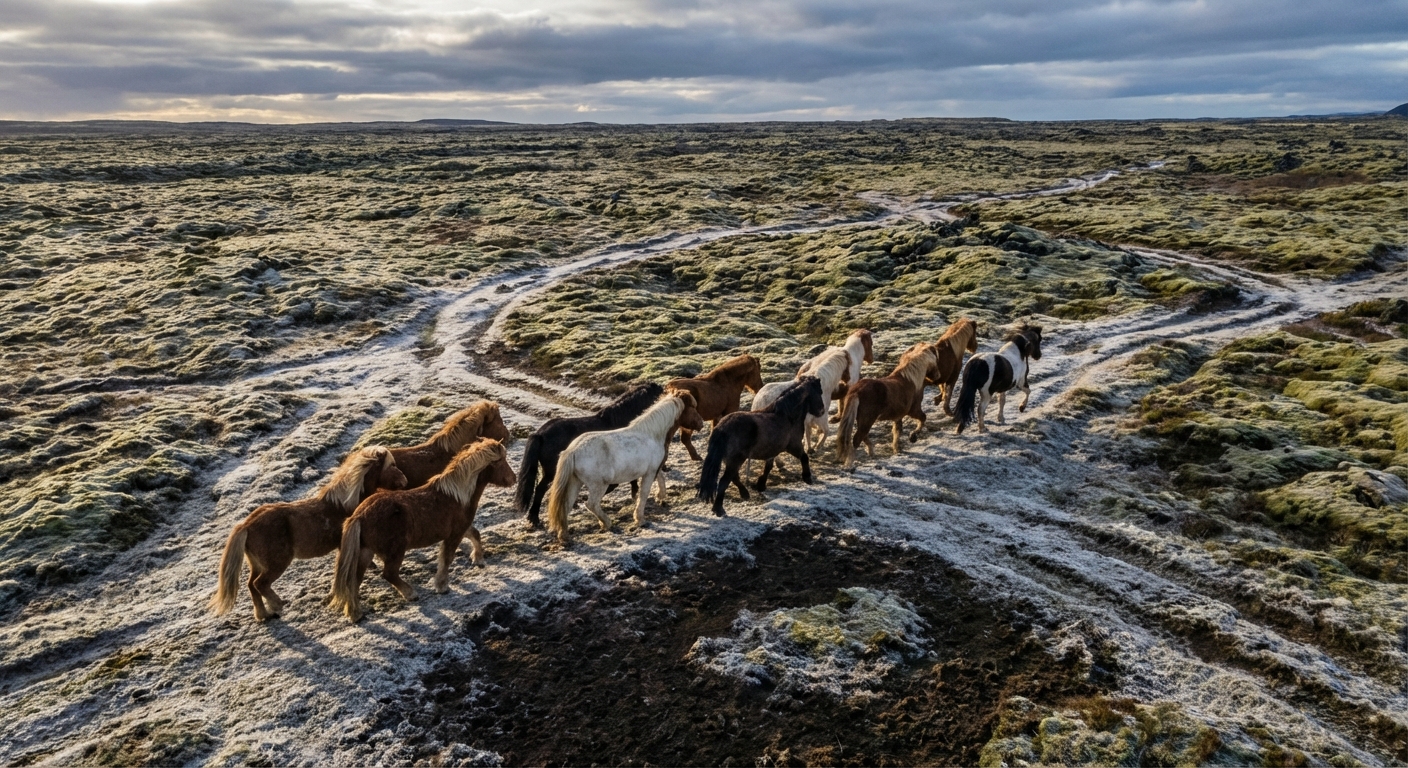
The Ten-Minute Doze: Making Room for a Horse's Polyphasic Night
The first time I truly observed it, it appeared to be almost nothing at all.
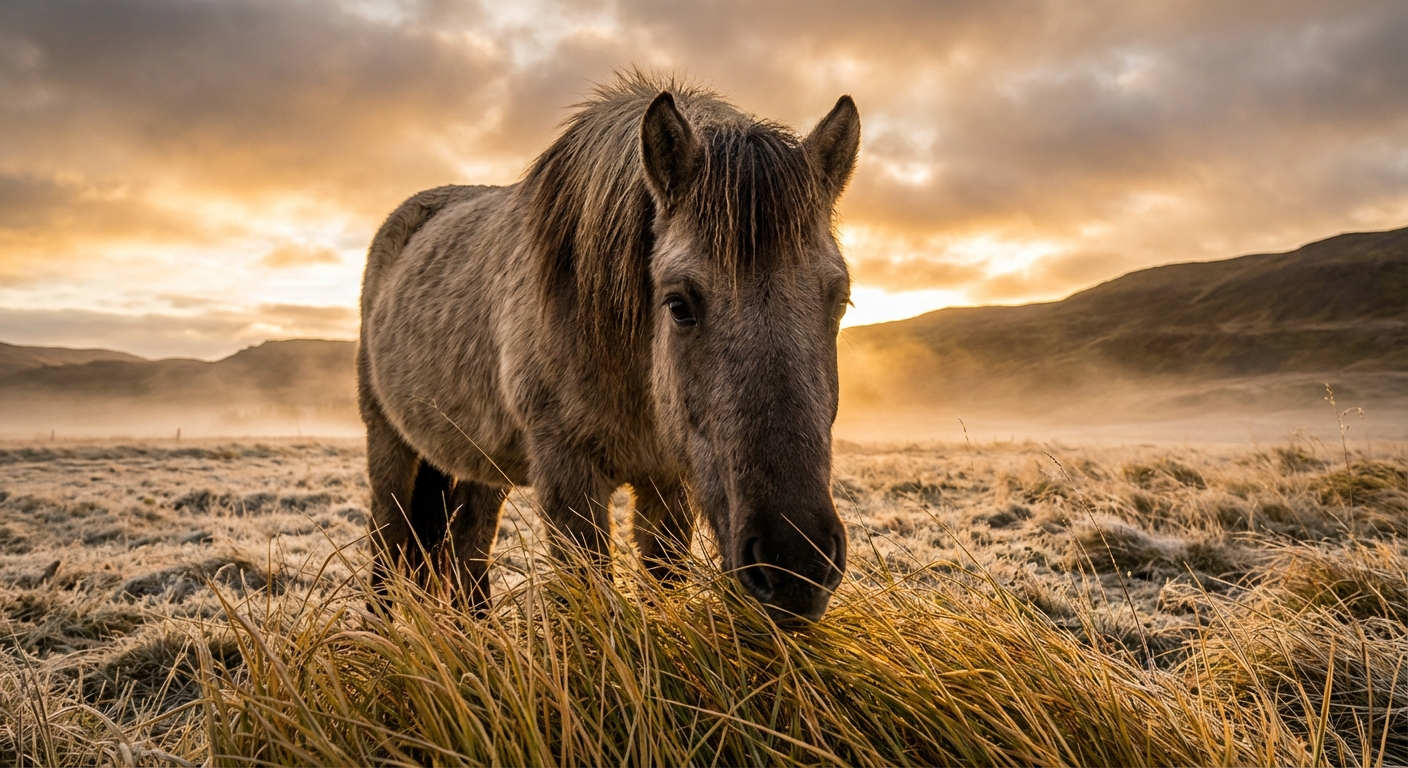
A horse slipped into quietude for several minutes—head lowered, body weight yielding—and then, as though some internal signal had been given, stepped forward and resumed grazing. Not "awake for good." Not "restless." Simply returning to the fundamental rhythm and allowing repose to visit in small increments.
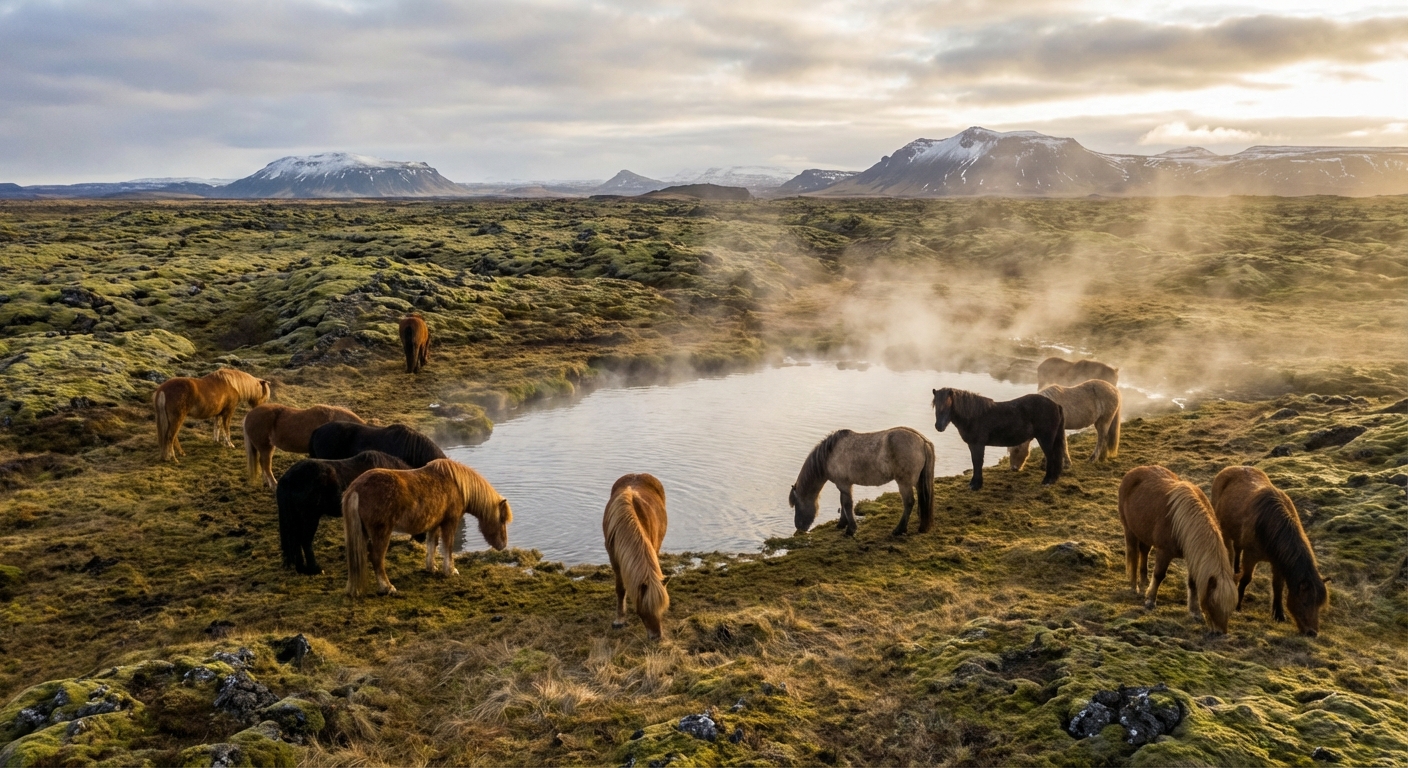
Across the pasture, these intervals continue to emerge.
A stillness beside a trusted herdmate.
A brief halt in a place that offers security.
A fleeting hush while the others drift apart.
Then motion resumes. Grazing resumes.
We often read this as insufficient sleep because it bears no resemblance to our own patterns. Yet horses do not structure their nights around a single, consolidated stretch. Their restoration can be assembled from numerous brief episodes—particularly when their surroundings do not require unbroken alertness. Perhaps we, too, might reconsider our devotion to the uninterrupted eight-hour ideal, recognizing that restoration sometimes arrives in fragments rather than monuments.
Here is where living alongside these animals becomes a matter of practicality.
When we strip away the very circumstances that permit those small rests to occur, we find ourselves pursuing "rest" as though it were a task to accomplish. A horse confined to a stall through the night is not necessarily resting; it may merely be barred from following what its physiology continually seeks—consistent foraging, gentle relocations, and subtle social calibrations. How often do we confine ourselves to structures that prevent the very renewal we claim to pursue?
Polyphasic rest aligns naturally with an existence that remains in motion.
Uninterrupted access to forage nourishes the digestive system in the manner for which the horse evolved: a body designed to expect sustenance as the constant, not the exception.
Space to wander supports the gentle, ongoing movement that constitutes equine normalcy—activity that accumulates throughout the day without requiring formal arrangement.
And a social constellation that remains stable offers the horse fewer disruptions to navigate, allowing those brief windows of rest to genuinely take hold. There is wisdom here for our own communities: perhaps belonging, too, is built through constancy rather than constant reinvention.
Sometimes the most generous act is simply to refrain from interruption.
To resist transforming a brief doze into an inspection.
To avoid demanding that the horse "dedicate" itself to a prolonged rest.
To stop treating every moment of standing stillness as either a concern or a display.
The pasture offers a different measure: rest that comes, fades, and returns again—threaded through grazing, positioning, and quiet choices that require no approval from us. In witnessing this, we are reminded that the deepest forms of care often ask not for our intervention, but for our willingness to step back.
Equine Notion
https://equinenotion.com/