The Voice You Learn by Living Nearby: Identity Without Riding
Hook
How do you come to know a horse as a unique individual when you're not in the saddle, not teaching them, and not requesting any trained responses? In our approach to sharing life with horses, "identity" shifts away from achievement and toward acquaintance: the horse you understand through their preferred spots, what they gravitate toward, and the way they elect to exist in our common territory.
The emphasis on voice—on the particular whinny you learn to distinguish—aligns naturally with this type of shared existence. Yet practically speaking, it's not merely the vocalization itself that becomes identifiable. It's everything surrounding it: the terrain they traverse, the plants they choose, and the everyday liberty that allows such expression to emerge.
1) Individuality starts before any sound
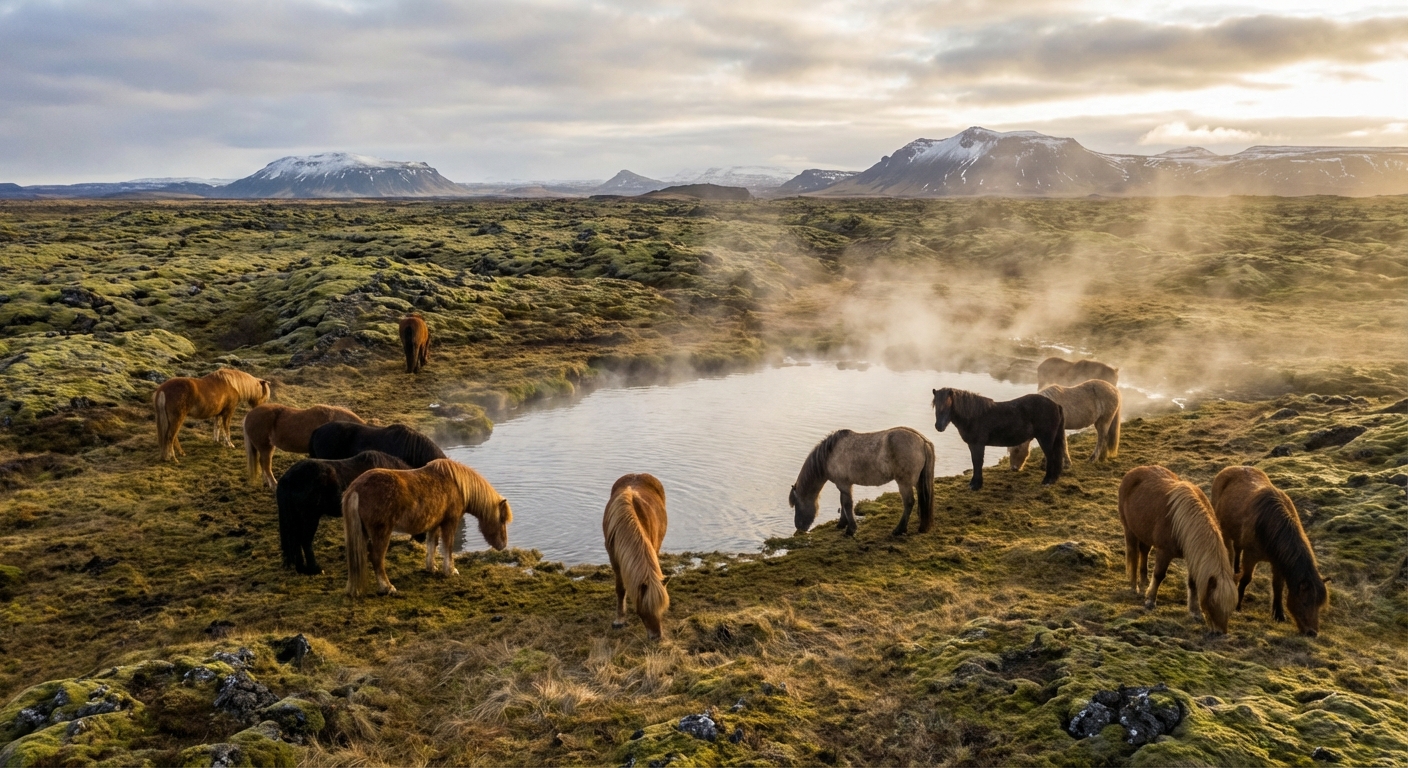
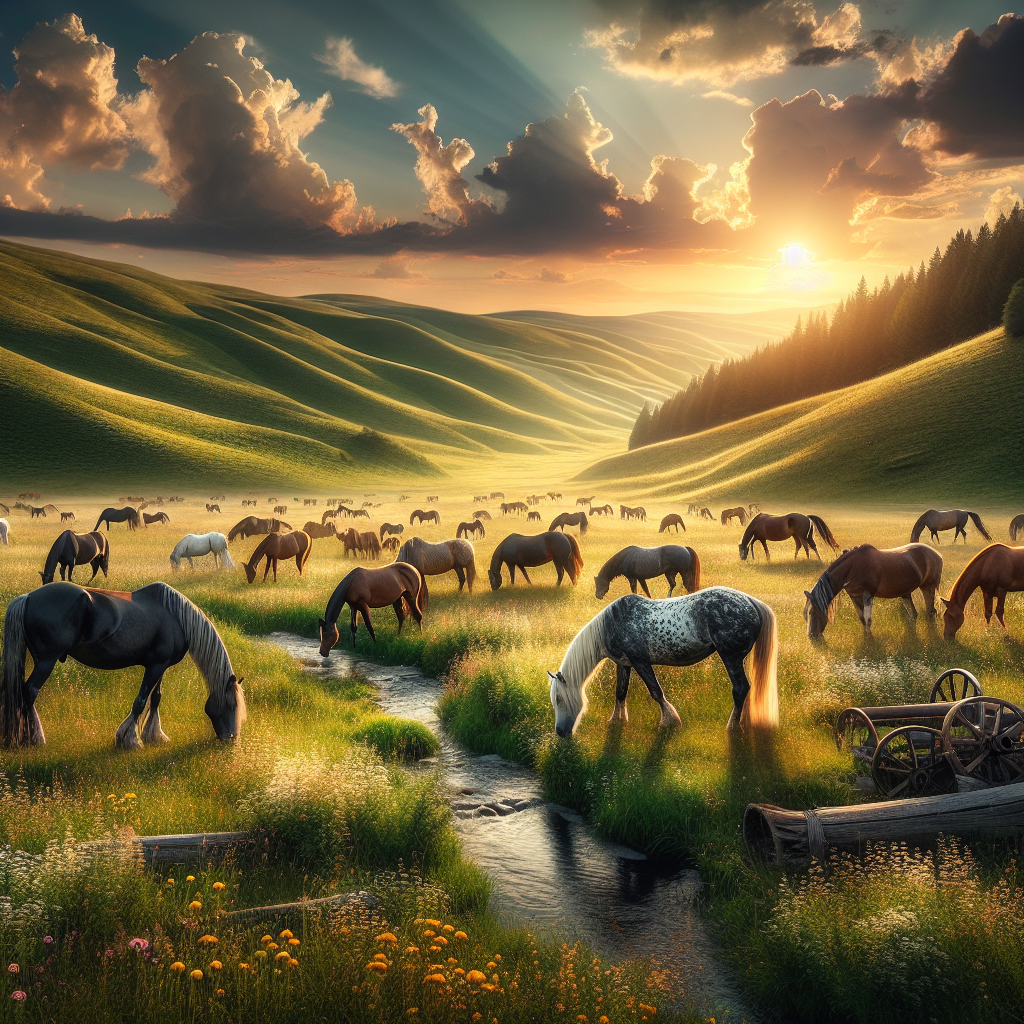
When horses live their entire lives in confined stalls, much of their "personality" gets squeezed into a limited routine. Our circumstances are intentionally opposite: the majority of our property is accessible to the horses, so much so that it sometimes feels like we're the ones confined to the small fenced section by our home. This inversion is significant.
In an expansive, open environment, a horse's uniqueness has space to emerge through everyday decisions. Identity reveals itself in the most basic preferences: where they choose to linger, how they navigate between locations, and when they opt to come near or keep their distance. Living with this degree of freedom means you needn't create "character" through exercises. You observe it.
2) A recognizable voice needs a recognizable life
Identifying voices isn't simply an auditory exercise—distinguishing one whinny from the next. In shared living, identification develops from consistent patterns combined with significance. A call grows familiar when it consistently connects to a specific way of living.
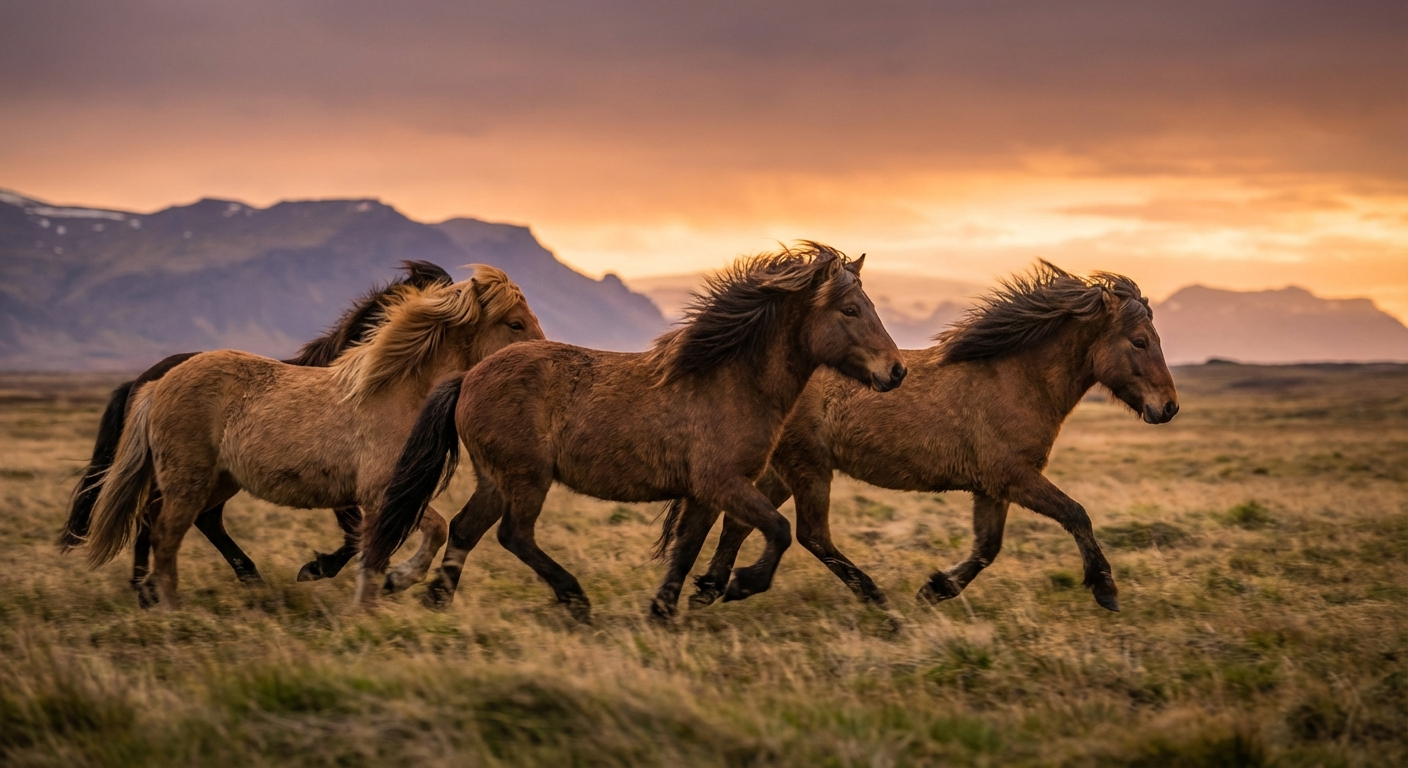
When horses can access greater territory, their vocalizations become part of a dynamic geography: a sound from a particular direction, at a specific point in their self-determined schedule. Eventually, the call and its context become intertwined in your awareness. You don't "practice" recognizing it; you merely spend enough time in its presence.
And since the horses aren't governed by strict, human-imposed routines, their vocalizations aren't compressed into identical daily windows. They have greater freedom to express themselves, which provides you with more authentic opportunities for recognition.
3) Identity in the way they eat: forage as self-expression
Our nutritional philosophy is purposefully not structured around set mealtimes. Rather, we aim to encourage instinctive browsing behavior wherever we can. This choice transforms how uniqueness manifests.
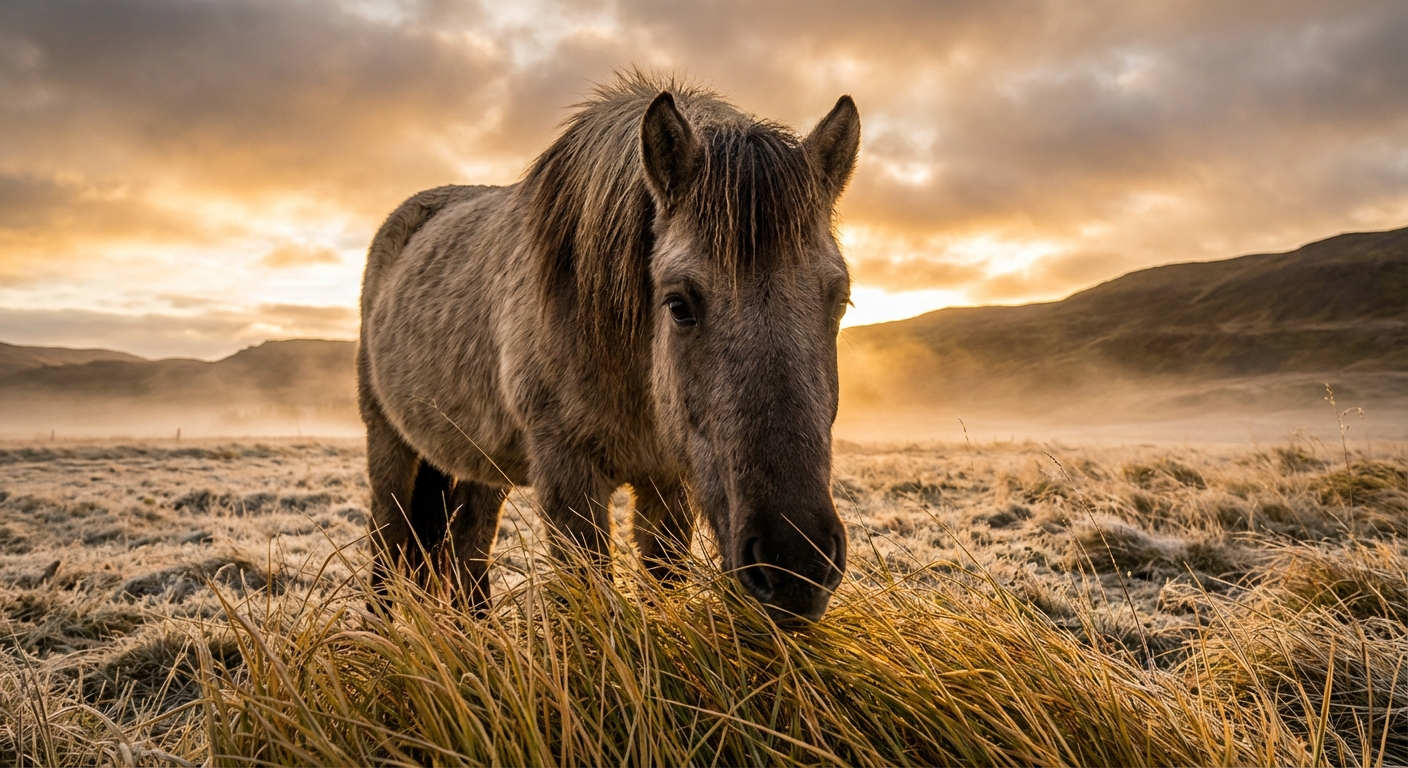
We create conditions where horses can access various types of hay and native plants, enabling them to naturally select the nutrients their bodies require. Within this arrangement, each horse's "fingerprint" emerges through their selections: who pursues what, who takes their time, who tastes, who circles back afterward.
This represents a subtle yet profound expression of identity. A horse transforms from merely receiving portions distributed at predictable intervals. They evolve into an engaged participant in their own sustenance. And when you observe without intervening, you begin identifying individuals through the small patterns in their preferences.
4) Coexistence without cues: noticing, not directing
In the absence of riding or training, your focus transforms. You cease looking for compliance and begin perceiving the horse's personal priorities. This doesn't mean introducing new "exercises." It means eliminating the expectation of output.
When you're not the one establishing rigid schedules—particularly regarding meals—horses reveal more of their natural tempo. Their day becomes less of a human-imposed timetable and more of a sequence of autonomous choices. In this climate, even a whinny feels less like a request and more like communication rooted in the horse's own social and territorial existence.
You discover identity through gathering minor observations: a fondness for a specific zone, a routine of inspecting a certain herb area, a consistent pattern of traversing the open terrain. The voice becomes a single strand in a broader fabric of recognition.
5) The fence that changes the relationship
Granting horses access to land isn't merely a wellbeing decision; it also transforms the connection between human and horse. The picture of people "within" a smaller enclosed space while horses occupy the broader world inverts the typical power structure. It subtly reveals the reality: the horses aren't guests in "our" territory; we are fellow residents in a mutual environment.
This transformation influences how you read a horse's expressions—including their calls. When the horse possesses real alternatives, their proximity (or their separation) carries greater weight. Their voice, likewise, belongs to an existence where they can retreat, draw near, or simply keep eating and browsing according to their wishes.
This represents a crucial aspect of shared living: recognition isn't about dominance. It's about knowing a liberated creature.
6) Learning a horse's identity as a daily practice
In a setting where meals aren't tied to specific hours and where the surroundings facilitate natural nutrient choices through varied hay and wild vegetation, individuality becomes something you can continually observe. And in a location where horses possess the majority of the property, their existence isn't restricted to a cramped band of habit.
Therefore voice identification—understanding who is vocalizing—doesn't exist in isolation. It emerges from a deeper form of understanding: the horse as an individual possessing preferences, patterns, and autonomous decisions.
Existing this way welcomes a distinct type of bond. Not founded on assignments. Not founded on perpetual management. Founded on the gradual collection of "I recognize you" instances—where identity is permitted to flourish, day upon day, according to the horse's own conditions.
Equine Notion
https://equinenotion.com/