Tuning In Without Touch: Catching the Herd’s Silent Frequency
Tuning In Without Touch: Catching the Herd's Silent Frequency
The moment I first witnessed it, nothing outwardly occurred. No thundering hooves. No piercing calls. Only a seamless, collective transition—as though some unseen conductor had given a cue and every body responded in unison.
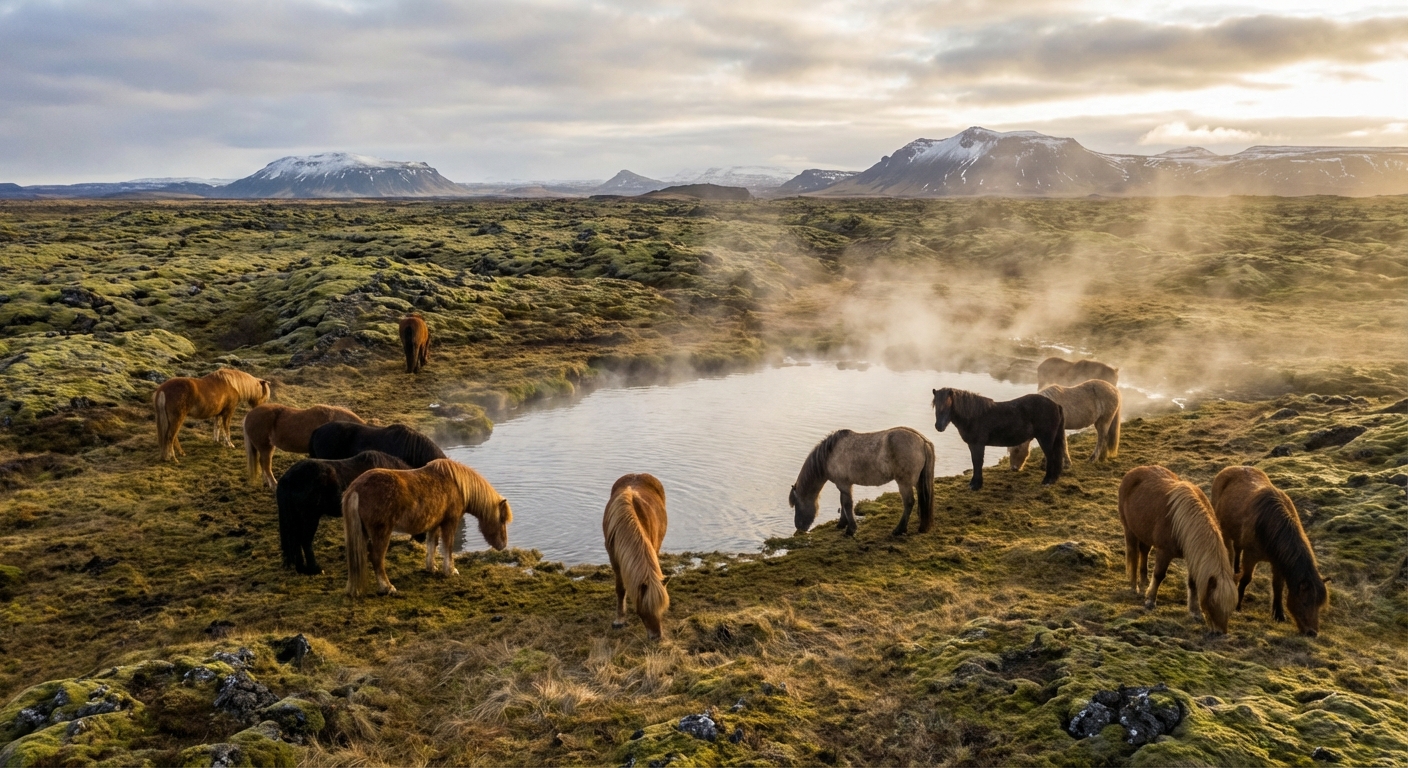
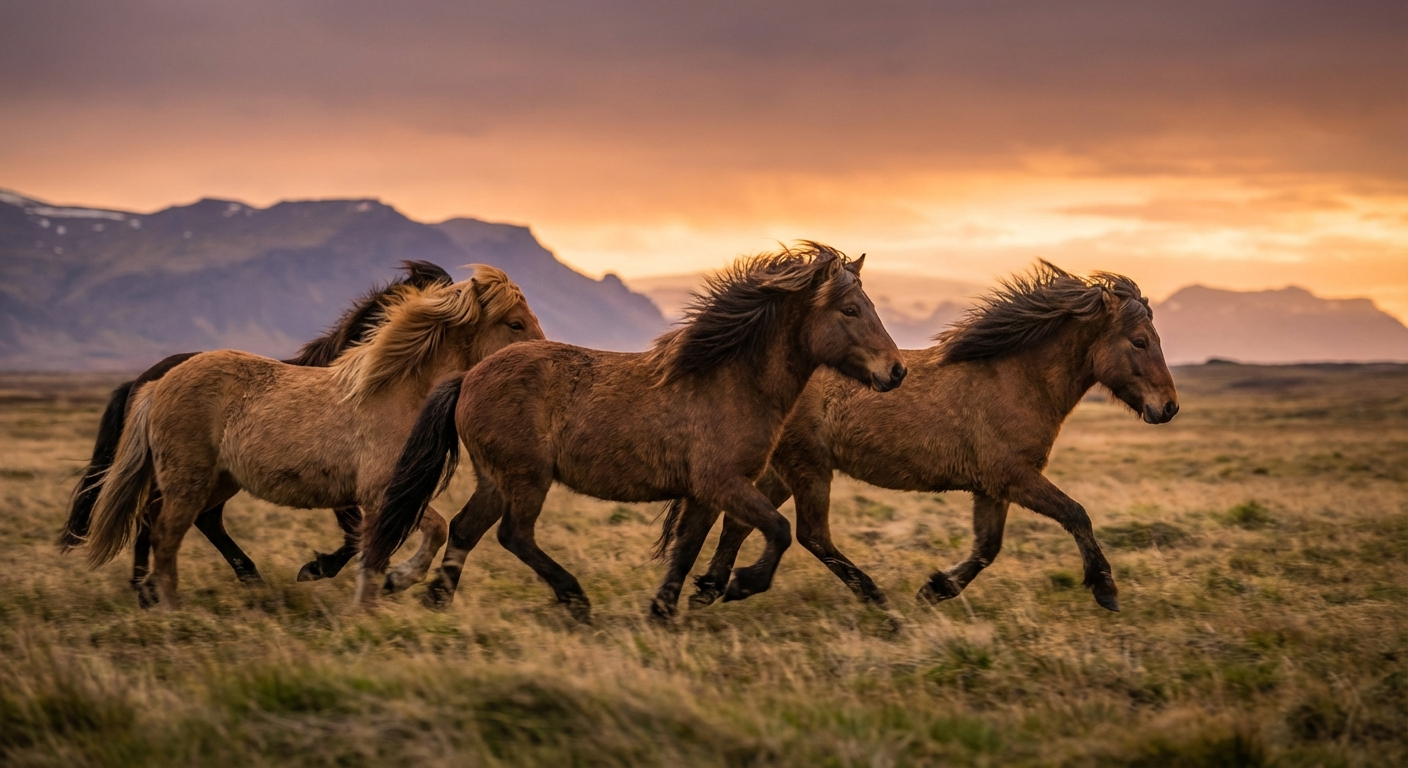
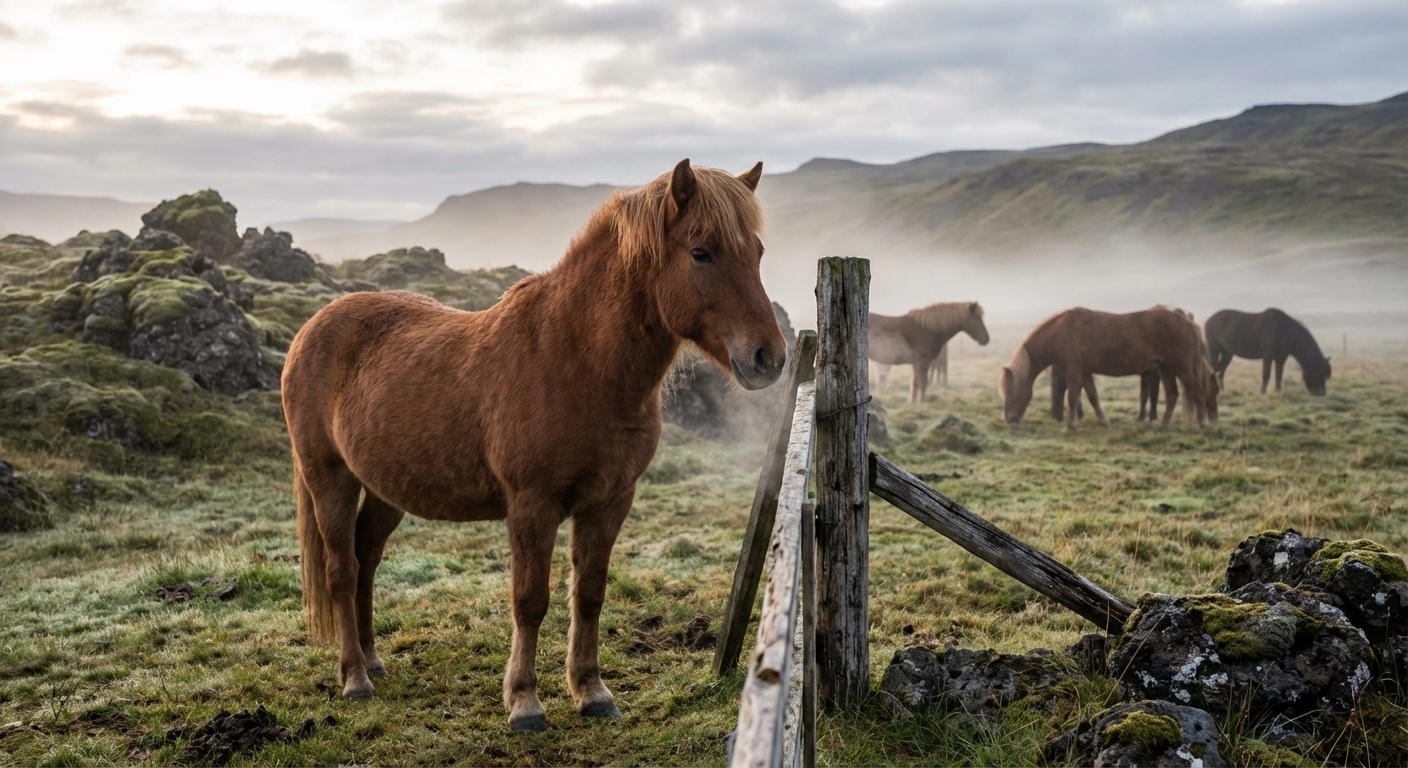
A head lifted. An ear swiveled. A single horse moved away from the pasture. Then—absent any discernible command—two others adjusted their distance, one pivoted, and the entire group began flowing in a unified direction. None appeared to be leading. None seemed to be following. It was pure, effortless synchrony.
We humans often long for this kind of wordless belonging—to move with others without the friction of explanation, to feel understood before we speak.
What the "frequency" looks like up close
It's easy to impose a narrative of hierarchy: identifying the leader, the subordinate, the one claiming the prime position. But observed in real time, the dynamic proves far more malleable.
A horse concedes space near one resource, only to assert themselves elsewhere later. The one who steps forward to initiate today may be the same who hangs back tomorrow. The essence isn't fixed rank—it's continuous, living negotiation.
The most revealing signals are seldom spectacular. They are hesitations. Postures. The subtle choice of two horses to draw closer, or to offer distance, without conflict. When the herd finds equilibrium, peace emerges from these microscopic recalibrations rather than ongoing power struggles.
And this "frequency" holds no mysticism. It is simply reliability: a collective sensory landscape where minor shifts are perceived and reciprocated.
Perhaps our own relationships would soften if we attended less to grand gestures and more to the quiet calibrations—the pauses, the angles, the space we offer one another without being asked.
How humans accidentally break the signal
When we arrive carrying purpose, we often introduce a conflicting rhythm.
We grab equipment. We accelerate. We fix our gaze, advance in straight lines, and assume the herd will adapt to our pace. This is the unseen barrier: their fluid existence collides with our distinctly human demand for directness and dominance.
Even without physical contact, we generate interference. Not audible noise—energetic noise. The kind born of erratic behavior: halting and resuming, approaching without intention, harboring good will while radiating internal chaos.
To the herd, that chaos is data. It can fracture their collective attunement—not from stubbornness, but because unity is what signals safety.
How often do we unknowingly do the same to the people around us—broadcasting our inner turbulence while wondering why connection feels so elusive?
A simple coexistence practice: become predictable, then watch
This is not about instruction. It is about choosing to be legible.
Position yourself where you obstruct no pathway. Allow your body to grow still. Resist the urge to manufacture a moment. Grant the herd sufficient time to stop registering you as an event.
Then observe what shifts *prior* to motion: who attends first, who pauses, who reflects another's movement, who lingers. Notice how swiftly the group settles when nothing is asked of them.
In time, you may discover the herd has no need for your guidance. They appear uninterested in seeking a director at all. What draws their response is a grounded presence—serene, transparent, steady from within. When you embody that, you are not extracting them from their frequency. You are merely declining to disrupt it.
And perhaps this is the deeper invitation: to become someone whose presence others can rest in, rather than brace against.
Equine Notion
https://equinenotion.com/