Under the Blanket, Over the Coat: Coexisting With a Horse’s Warmth Without Turning It Into a Habit


Hook
Something uniquely quiet settles into the air when a blanket is retrieved.
It's not that the horse is behaving dramatically—more often than not, they stand unremarkably—but the human hand is poised to make a choice whose consequences may linger for days. A blanket does more than rest upon a body; it rests upon a relationship, upon our assumptions, our anxieties, and our willingness to witness rather than intervene.
This piece offers no advocacy for perpetual blanketing nor for its complete rejection. It is simply a free-form, non-training, non-riding meditation on a single narrow question: what happens when a blanket begins to usurp the work a horse's coat might otherwise perform, and how that quiet substitution reshapes daily life together.
The Coat as a Daily Conversation We Don't Hear
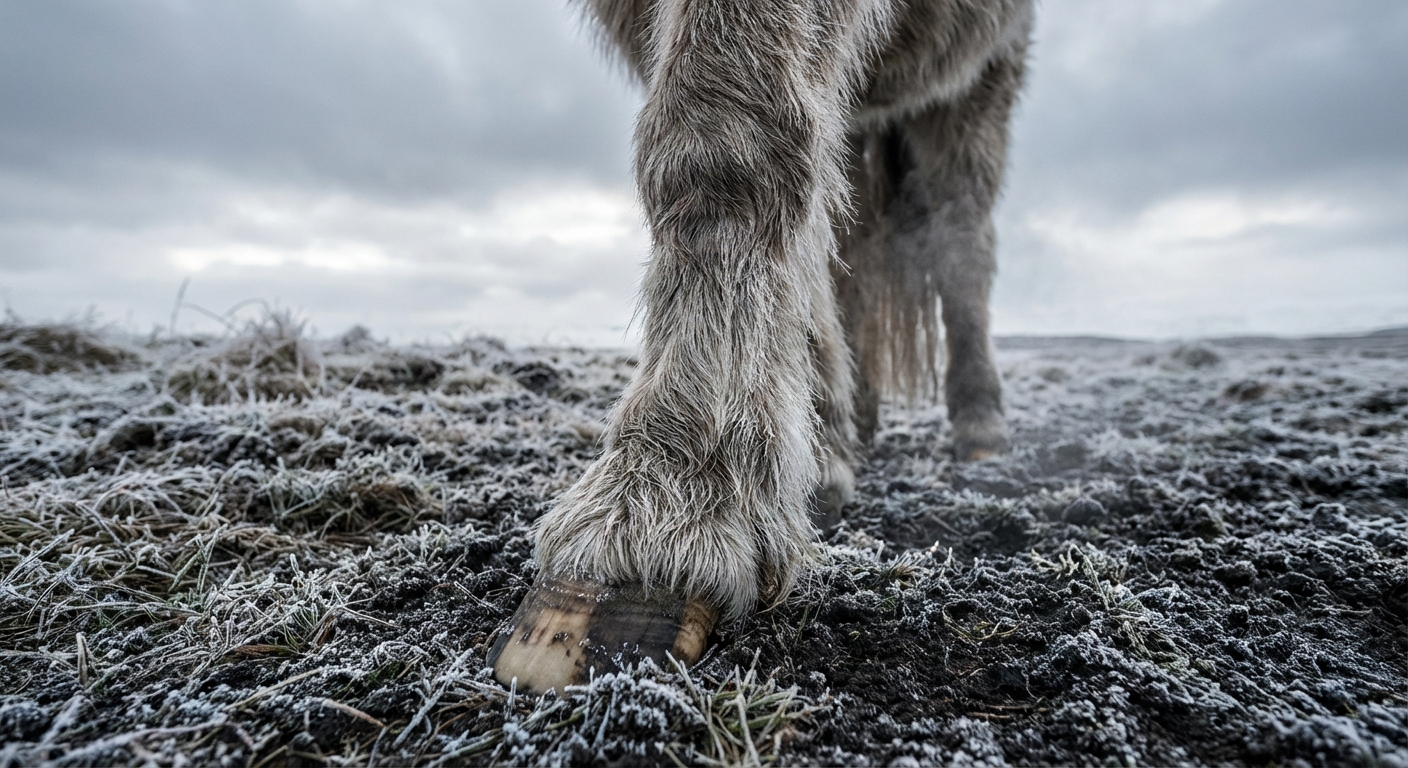
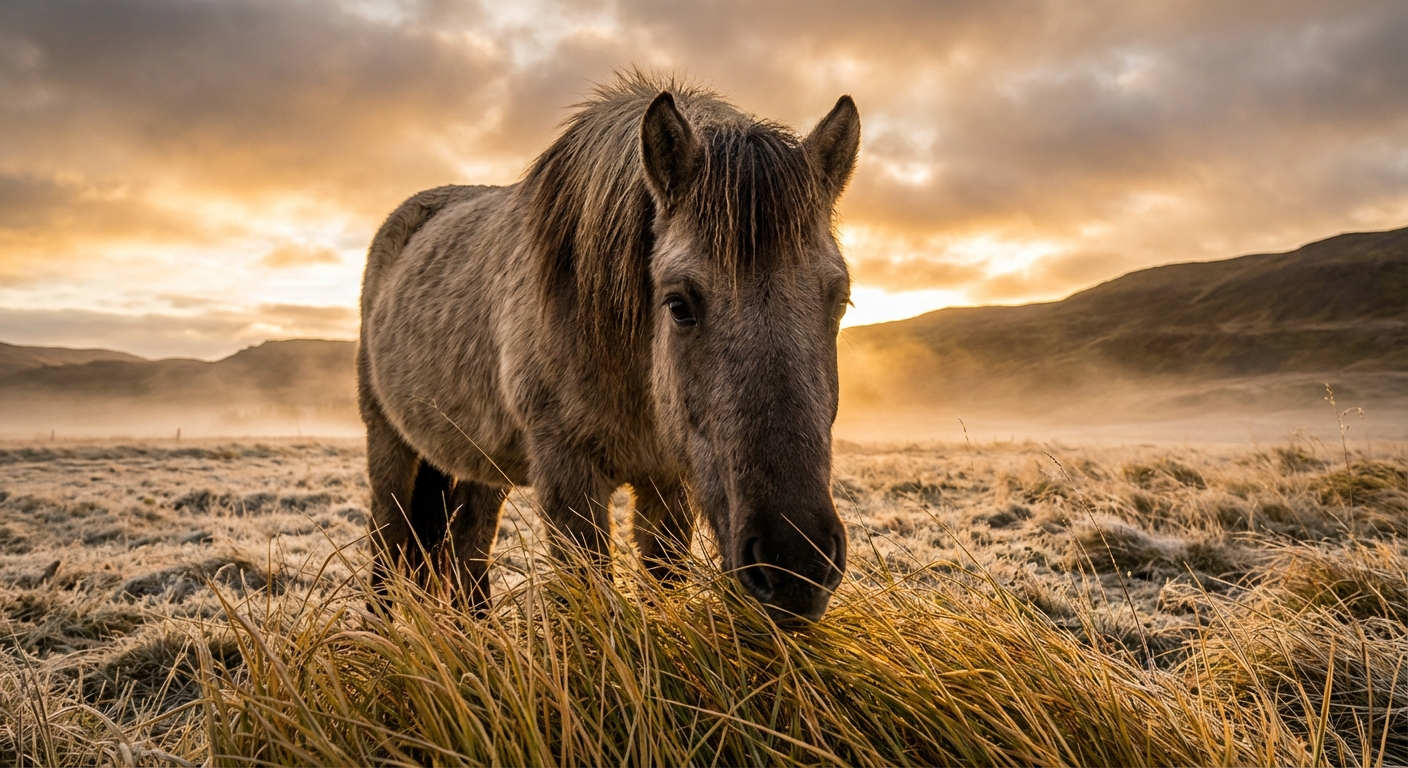
A horse's coat is far more than mere "hair." It is a living surface—a threshold where the animal meets the world. Without invoking technical mechanisms or guaranteeing results, we can affirm this much: the coat participates in how a horse encounters weather.
When we introduce a blanket, we insert a barrier between the horse and the atmosphere. This can be an act of kindness, or it can become a means of silencing the horse's own engagement with the day.
Coexistence demands something modest yet challenging: observe what the horse's body appears to be doing before draping it. Not to diagnose, not to micromanage—simply to acknowledge that the horse has already begun responding to conditions long before we appear with fabric and buckles.
In our own lives, we might ask how often we intervene before allowing ourselves or others the chance to adapt naturally. The wisdom of pausing before acting applies far beyond the paddock.
When "Helping" Becomes Replacing
Blankets can drift into an unusual function: not assistance, but substitution.
This replacement unfolds silently. A blanket goes on during one weather event, then gradually becomes the norm. The horse is now habitually greeted with our solution before they can present their own.
In a life shared together, this can establish a dynamic where the human perpetually acts first: first to determine comfort, first to interpret a shiver, first to read stillness, first to translate rain as distress. The horse's coat, within this pattern, shifts from collaborator to overlooked backdrop.
Those who live alongside horses may recognize this sensation: the blanket begins to feel essential because it has become habitual, not because the horse has unmistakably requested it.
We do this in human relationships too—rushing to solve problems before others have finished experiencing them, mistaking our helpfulness for necessity.
Blanket Time as a Mirror: What We're Really Managing
A blanket also serves as a method of managing ourselves.
It can soothe anxiety. It can ease guilt. It can address our discomfort at watching another creature exist in weather we personally find unpleasant. It can satisfy the pressure of being "the conscientious caretaker," even with no audience present.
Coexistence becomes honest here. The inquiry is not "Is blanketing harmful?" The inquiry is: what within us settles when the blanket is fastened?
Sometimes that calm is warranted; sometimes it signals that we are attempting to govern uncertainty rather than genuinely responding to the horse.
A non-riding relationship with horses often illuminates this more starkly, because we aren't preoccupied with training objectives. The mundane decisions become prominent. A blanket can emerge as one of the most conspicuous everyday choices we enact.
How much of what we call "caring for others" is actually caring for our own peace of mind? This question deserves our honest attention.
The Subtle Costs of Making Warmth a Routine Task
When providing warmth transforms into a routine duty, the day can begin orbiting around equipment.
Blanketing introduces schedules: inspecting, adjusting, removing, re-inspecting. It can draw us into perpetual evaluation. It can likewise draw the horse into a daily choreography—standing for changes, accommodating straps, enduring interruptions.
Even when the horse tolerates this gracefully, the question persists: is this proximity chosen, or imposed? Are we sharing territory, or are we repeatedly entering their space to administer their body?
Coexistence does not refuse contact. It simply distinguishes between contact that cultivates trust and contact that reduces the horse to a maintenance project.
This is precisely where "replacing the coat" gains significance as a lens: when the horse's own outer layer is continually superseded, the horse's day grows more human-shaped. And the more human-shaped it becomes, the simpler it is to forget what the horse might have accomplished without us.
In our human communities, we might reflect on how constant management can erode another's sense of agency, even when our intentions are loving.
Choosing Observation Over Certainty (Without Neglect)
With blankets, the most difficult middle ground lies between neglect and control. It is observation that does not transform observation into an agenda.
This might appear as allowing the horse to reveal preferences through where they position themselves, how they hold their bodies, whether they pursue shelter, whether they remain exposed, whether they alter their own proximity to wind and rain. Not as evidence, not as examination—merely as data.
It can also manifest as resisting the impulse to "triumph" over the weather on the horse's behalf. A shared pastoral existence calls for humility: we do not always comprehend what the horse experiences, and we cannot compress that uncertainty into a single object.
Should you choose to blanket, coexistence can still inform the approach: keep it uncomplicated, keep it adaptive, and hold your own convictions loosely. The blanket is not a credential of devotion; it is a decision you continually reconsider.
Learning to sit with uncertainty rather than resolve it prematurely is one of the most profound skills any of us can develop—with horses, with people, with life itself.
Letting the Horse Stay the Main Character
Blankets are simple to place at the center because they are visible. They register as action. They appear as accountability.
Yet the horse remains the protagonist, not the blanket.
A gentler approach to living alongside horses treats blanketing as one modest instrument among many ways of inhabiting a shared terrain—rather than the automatic remedy that incrementally displaces the horse's own outer existence.
This requires noticing when the blanket becomes reflexive. Noticing when the horse's coat fades to irrelevance in your perception. Noticing when "maintaining warmth" converts into a human ritual that the horse must endure.
In coexistence, these moments hold weight. They remind us that care is not solely what we contribute. Sometimes care is what we cease insisting upon—long enough to witness the horse's own capability moving back into view.
Perhaps the greatest gift we can offer any being—equine or human—is the space to be competent in their own story.
Equine Notion
https://equinenotion.com/