What Returns After Years: The Memory Horses Keep of Our Coherence

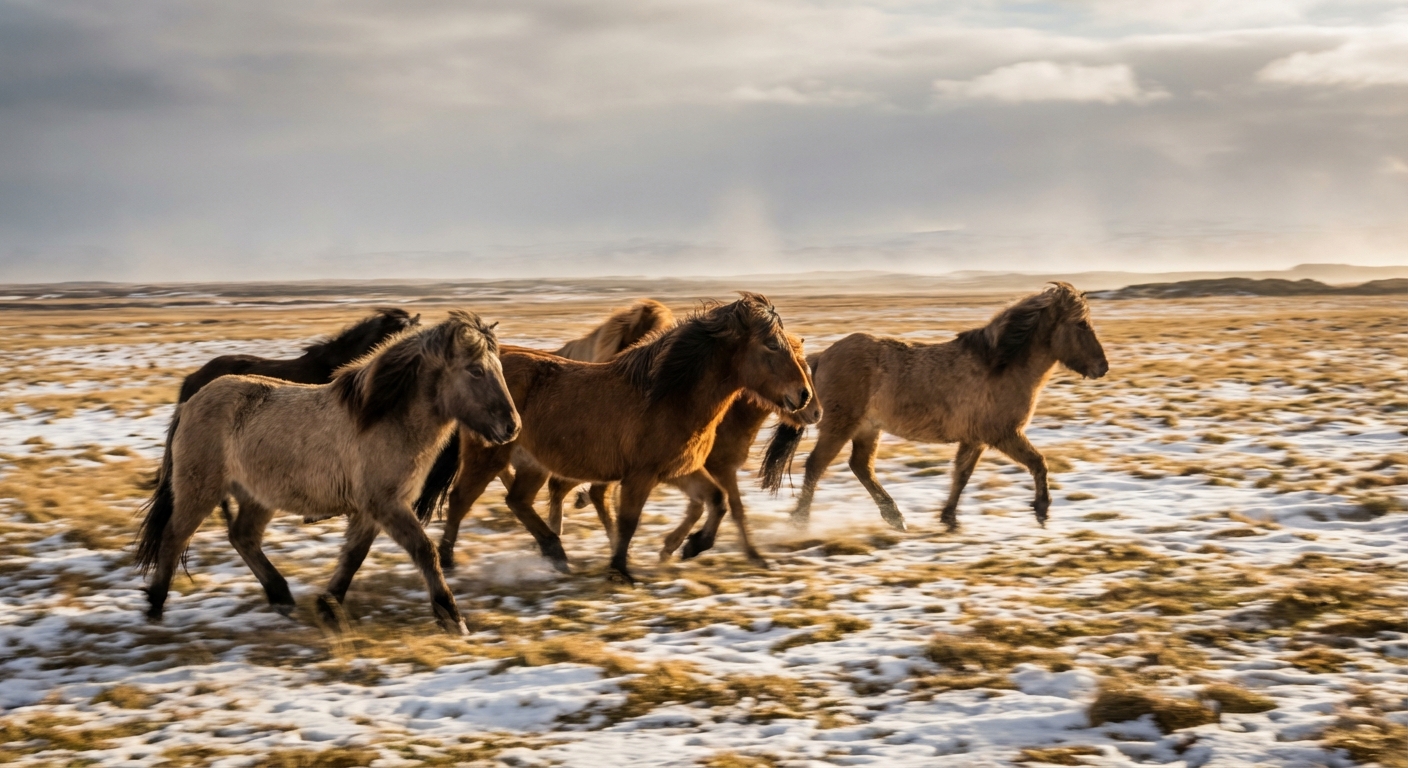
What Returns After Years: The Memory Horses Keep of Our Coherence
A peculiar, sobering question rests beneath the shared existence of horses and humans: when time expands—spanning months or even years—what truly resurfaces when we encounter one another again?
I'm not asking whether a horse recalls a command, because in a life untethered from riding or training, commands are beside the point. I'm speaking of something more subtle. The manner in which a horse might settle into a once-familiar proximity to you, or pause at its edge. How a voice arrives—either passing through like weather, or striking like a door slamming deep within them. How a shared cadence can reappear almost immediately, as though it had never dissolved, even when everything surrounding it has shifted. Perhaps we might ask ourselves the same: when we reunite with someone after long absence, are we responding to who they are now, or to the imprint of who they were to us?
For years, I believed memory would manifest as a particular behavior performed upon request. But dwelling alongside horses has revealed that notion as far too narrow. Horses perpetually navigate decisions within their context: who concedes at the hay pile, who drifts to the periphery, who draws nearer when the herd reorganizes. Nothing is permanently fixed; it is responsive, relational, and remarkably pragmatic. Why, then, would their recollection operate any differently? We humans often forget that our own memories work this way too—less like filing cabinets and more like living negotiations with the past.
What appears to persist is not a "task," but an impression: whether your presence carried coherence. Horses are not searching for an authority figure dispensing commands. They seek steadiness—tranquil, lucid, unwavering—emanating from within. When that steadiness has woven itself into their world, it seems they categorize you as "safe enough to remain near." When it has not, the body holds that knowledge as well. This is the silent question we might turn toward ourselves: what do others remember of our presence when we are gone—our instructions, or our integrity?
And this reshapes the human's responsibility. If a horse's enduring memory is partly a memory of your nervous system, then coexistence becomes less about preserving routines like clockwork, and more about preserving wholeness like climate: arriving without theatrics, ensuring forage remains a constant so the stomach is never left anticipating, allowing social bonds to remain social rather than perpetually interrupted. Our human relationships ask something similar of us—not perfect consistency, but a fundamental reliability of spirit that others can rest against.
When a horse encounters you after years and something within them eases or contracts, what precisely are they recognizing?
Equine Notion
https://equinenotion.com/