What the Day Teaches: Cause, Effect, and the Consequences Horses Learn From Us

Consequences Aren't Concepts—They're Sensations
We often speak of "understanding" as though it were an abstraction a horse might somehow internalize. Yet the learning that emerges through coexistence is far more elemental: what follows what, and how does it register in the flesh.
The equine stomach secretes acid without pause. This means the instant feeding ceases, an invisible timer begins its countdown toward discomfort. When daily routines habitually include barren intervals—because hay arrives on a schedule, because turnout gets cut short, because human agendas stretch beyond intention—the horse requires no intellectual grasp of ulceration to absorb the lesson. The body itself becomes the instructor.
From this foundation, associations crystallize swiftly. The clang of a gate, the approach of a wheelbarrow, the presence of a caretaker near the feeding zone—each can evolve into a harbinger of either solace (sustenance returning) or postponement (sustenance being handled, relocated, withheld). The horse's ensuing behaviors are then interpreted by humans as defiance, restlessness, or aggression, when they may represent nothing more than the outward expression of a physiological truth: cessation of eating → mounting discomfort → escalating urgency.
How often do we, too, mistake our own body's signals for character flaws—calling ourselves anxious when we are hungry, impatient when we are depleted? The wisdom here extends beyond the paddock: sensation precedes story, and the body speaks before the mind has words.
The Environment Becomes the Teacher (Whether We Mean It Or Not)
Living together always instructs—not through formal exercises, but through the accumulation of outcomes.
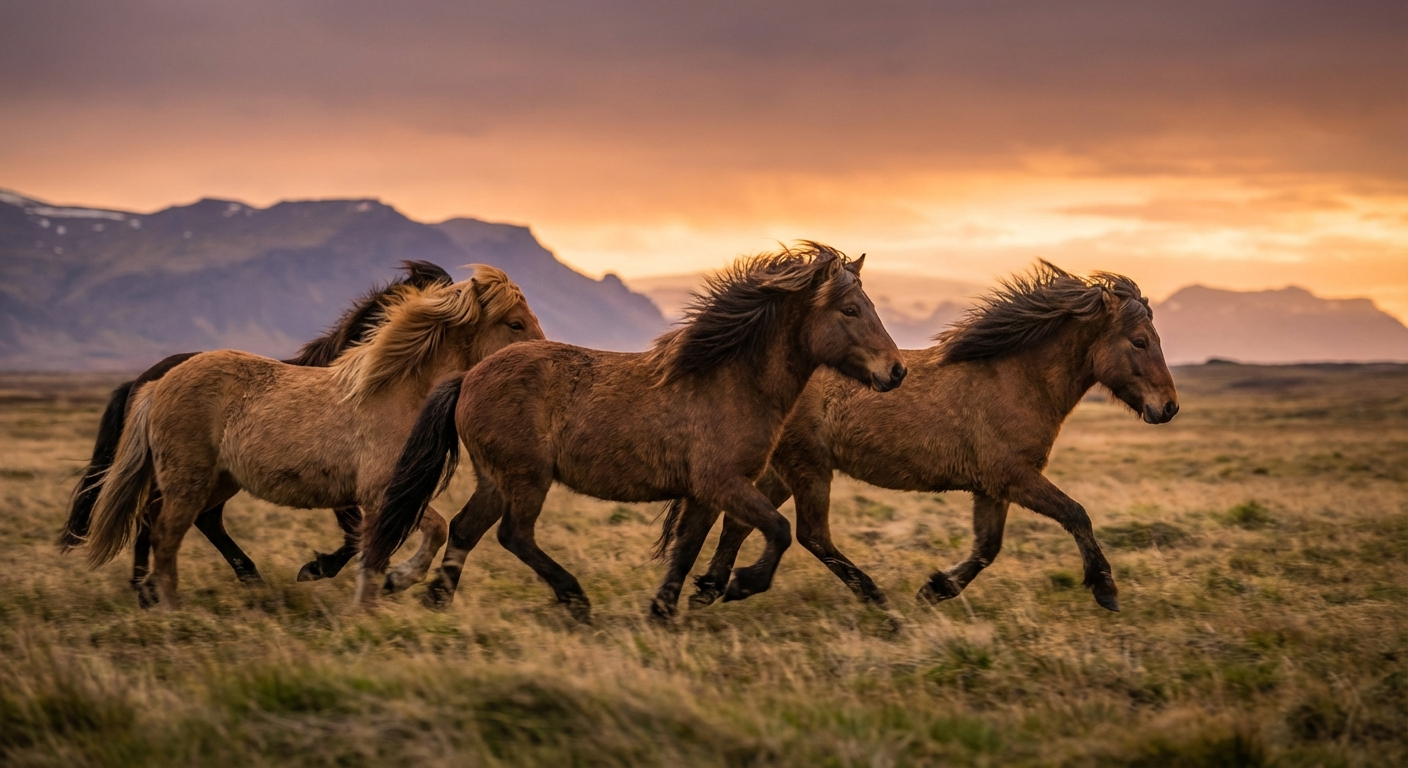
When motion is constrained, the body internalizes stillness as its natural state. Yet horses evolved for days filled with extensive wandering; a foundation of 15–30 kilometers represents not athletic endeavor but ordinary locomotion within their biological blueprint. When this baseline vanishes, a horse does not merely possess "surplus energy." The repercussions manifest as compromised wellbeing and as repetitive actions that serve as a kind of environmental testimony.
Stereotypic behavior is not meaningless static; it is a marker directing attention back toward circumstances that fail to align with need. When the surroundings persistently generate the same internal tension—appetite without access to forage, enclosure without opportunity for movement, solitude without social architecture—the horse may cultivate repetitive strategies for coping. With time, these patterns can become their own reinforcement: tension mounts → repetition provides a meager form of release → repetition becomes the default response. This, too, constitutes consequence learning, though it is instruction we never intended to provide.
We might recognize ourselves in this cycle—the compulsive habits we develop not from choice but from environments that press against our nature. What we call dysfunction is often simply adaptation to conditions that never quite fit.
Protection That Backfires: The Consequence Trap
Here dwells the paradox of protection: we introduce something to safeguard the horse, and that very addition silently dismantles part of the horse's intrinsic capacity for self-maintenance.
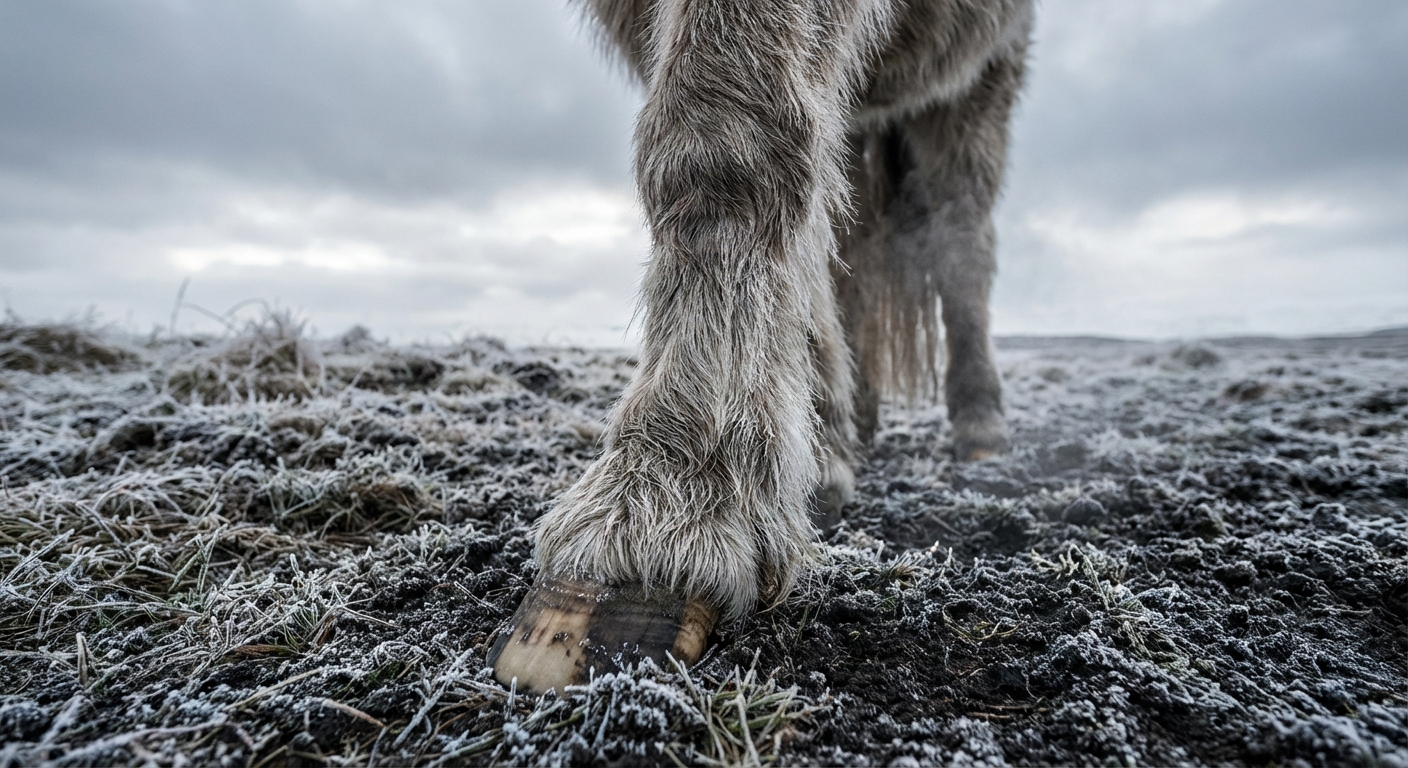
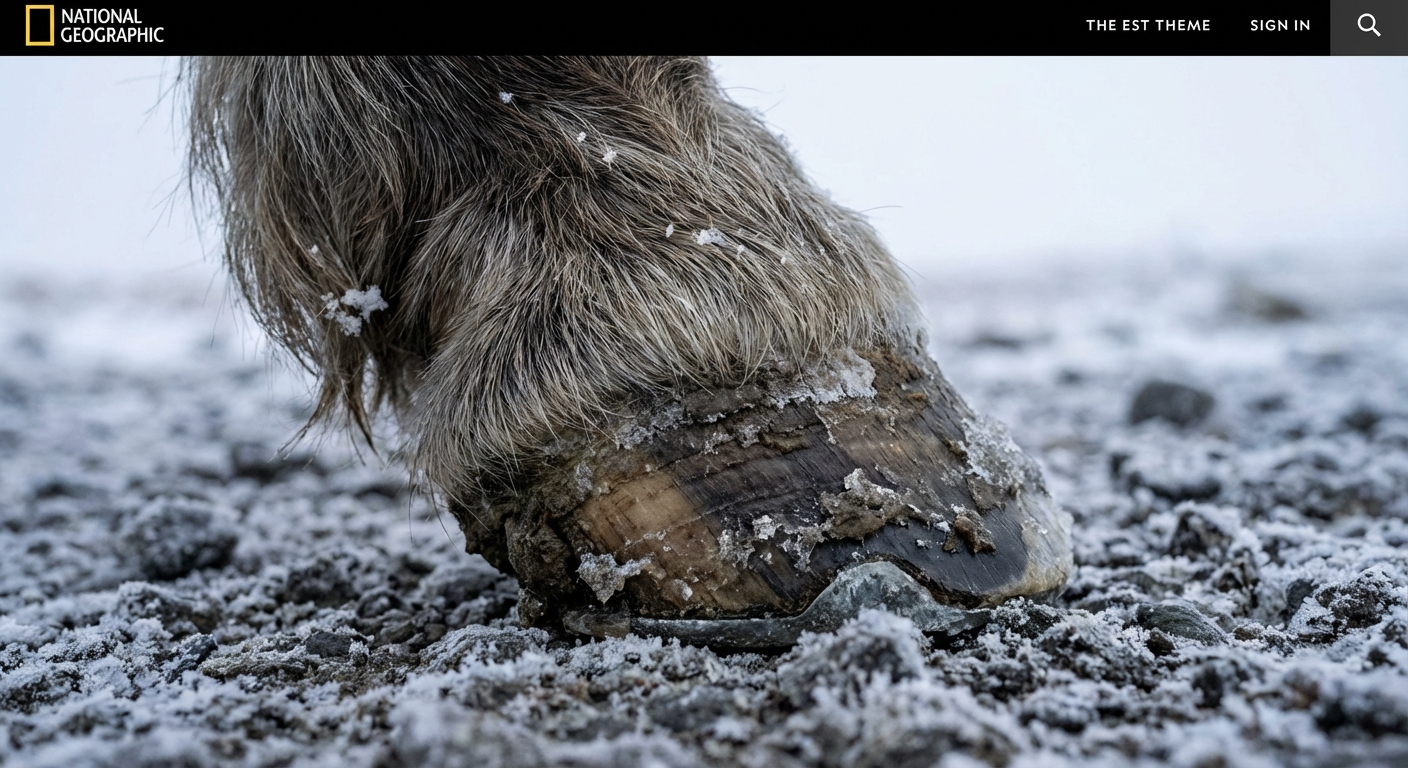
Approaches to natural hoof care and barefoot living reveal a creature designed to engage with the ground beneath it, to be sculpted by locomotion, and to sustain itself through active use. When we circumvent that engagement—by "safeguarding" in ways that sever the connection between hoof and earth—we alter what the horse can accomplish on his own behalf. The consequence extends beyond mechanics; it is pedagogical. The body absorbs a revised normal: diminished feedback, reduced adaptability, heightened dependence on external intervention.
This same dynamic can emerge throughout our management practices. When we substitute our interventions for natural conditions, we instruct the horse that regulation originates externally, according to another's timetable. Sometimes this proves unavoidable. Yet it merits attention when our caregiving becomes a surrogate for the ecological services the horse might otherwise have received: diverse terrain, uninterrupted grazing, the buffer of social bonds, and space to roam.
In our own lives, we might ask: which protections have we accepted that quietly erode our capacity to meet the world directly? Every shield carries a hidden curriculum.
Social Cause-and-Effect: Who Yields, Who Moves, Who Eats
Within the group, consequences are fundamentally relational. What transpires when one horse draws near another? What shifts when a specific individual arrives at a shared resource? Horses absorb these outcomes with remarkable precision.
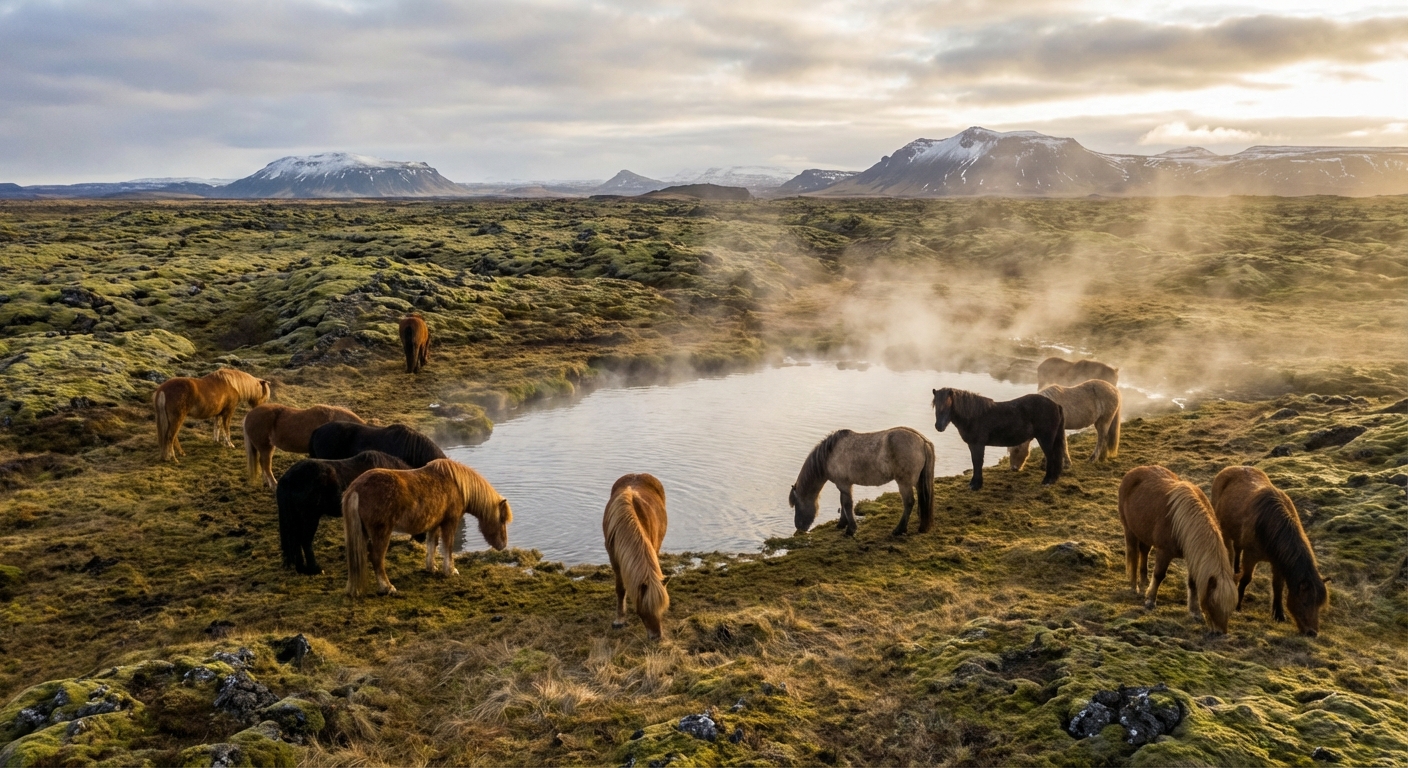
It serves us to abandon the notion that herd existence depends on perpetual confrontation, or that a single unchanging "leader" accounts for all dynamics. What truly matters in daily experience is contextual: who defers at the hay, who pauses near the water, who elects distance, who trails whom when the collective moves. These are living formulas, continuously revised across situations.
When humans alter the environment—cramped feeding stations, constricted passageways, abrupt resource shortages—we reshape the consequences horses encounter in relation to one another. An arrangement that compels proximity at vital resources can generate friction, which we then attribute to "dominance." An arrangement that permits ongoing access to forage and sufficient room to wander can foster a gentler social calculus, where fewer exchanges need escalate into drama at all.
Human communities operate by similar mathematics. The architecture of our shared spaces—how resources flow, how access is distributed—shapes whether we meet each other with ease or with friction.
Coexistence as Consequence Design
If consequence learning unfolds perpetually, then coexistence shifts from correcting reactions to architecting days.
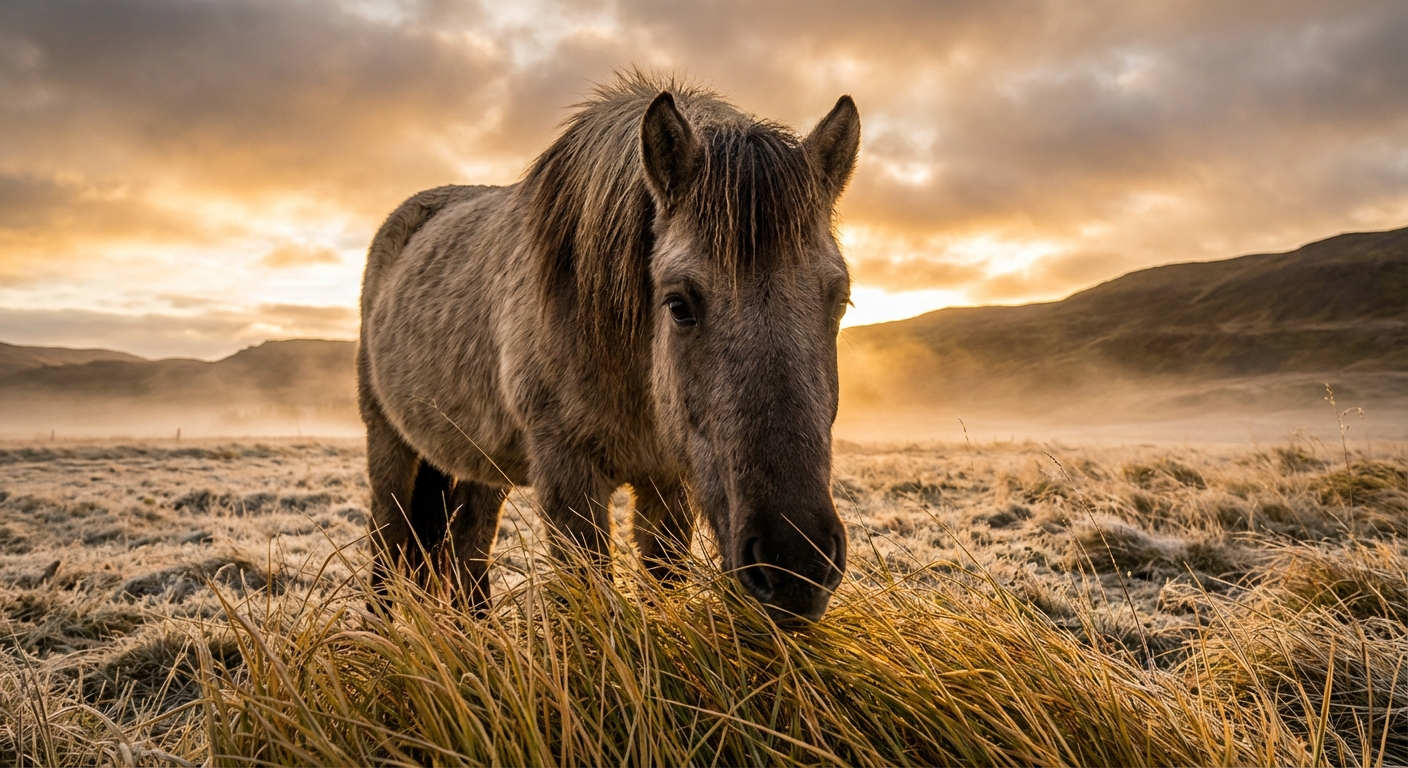
A practical transformation follows from the truth about forage: continuous availability becomes a foundation rather than a reward. The human role evolves from "I provide meals for the horse" to "I ensure nourishment remains perpetually accessible." And because the clock of acid-induced damage begins ticking the moment eating halts, management choices—transport, medical procedures, shifts in routine—carry an additional weight of responsibility: not merely to accomplish the task, but to reckon with what the interruption of eating inscribes upon the body.
From this vantage, we can pose a straightforward, non-judgmental inquiry of any arrangement: what consequences does this environment deliver, again and again? Does it teach the horse that the world is stable enough to settle into—movement available, companions nearby, forage unbroken—or does it teach wariness, urgency, and mere coping?
Coexistence deepens when we cease attempting to instruct horses toward "understanding," and instead construct conditions where the consequences themselves speak a language a horse can comprehend.
Perhaps this is the most honest question we can ask of any life we share—human or otherwise: does the world we have built teach trust, or does it teach survival? The answer lives not in our intentions but in the daily consequences we design.
Equine Notion
https://equinenotion.com/