When a Loop Appears: Choosing to Read Stereotypy as Weather, Not Disobedience
When a Loop Appears: Choosing to Read Stereotypy as Weather, Not Disobedience
The initial moment I observed it, the behavior was subtle enough to overlook entirely.
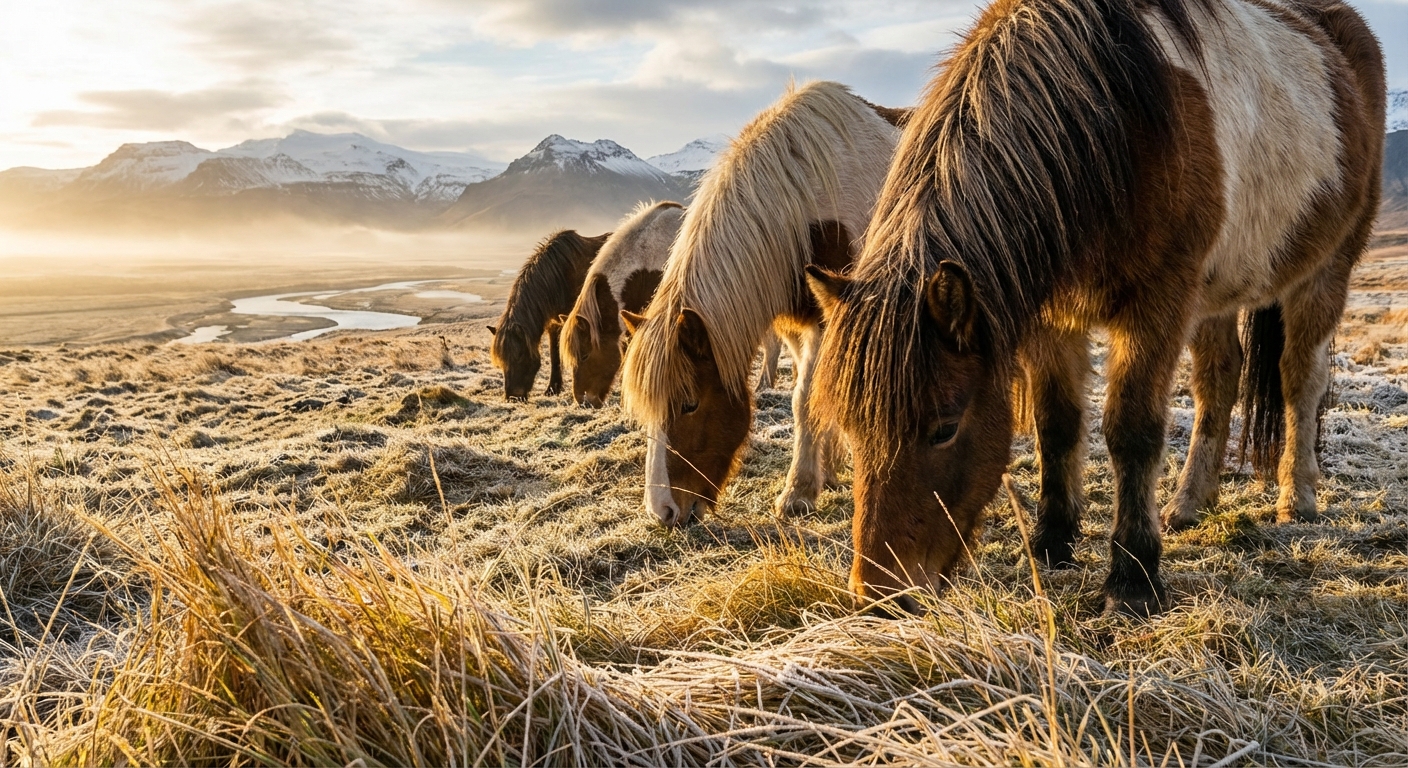
A horse lingered in a familiar spot, cycling through the same brief pattern—over and over—as though a single thought had become trapped in repetition. Nothing startling. No "issue" that called for intervention. Simply a loop.
And I recognized the instinctive urge rising within me: to categorize it, to disrupt it, to administer it into silence.
Neutral nature invites a different opening gesture.
The Loop as Information
Stereotypic behavior should not be reduced to a character flaw we assign to a horse. It functions more as a dispatch from the field. Something within the daily rhythm fails to align with the creature the horse was designed to become.
Even when we share space with horses without riding or training them, our impact remains vast—the placement of food, the duration of feeding interruptions, the degree of movement permitted, whether social bonds remain steady, how frequently we eliminate the very challenges that maintain physical adaptability.
Thus the loop transforms into evidence. Not "How can I halt this?" but "What does the day require that remains unfulfilled?"
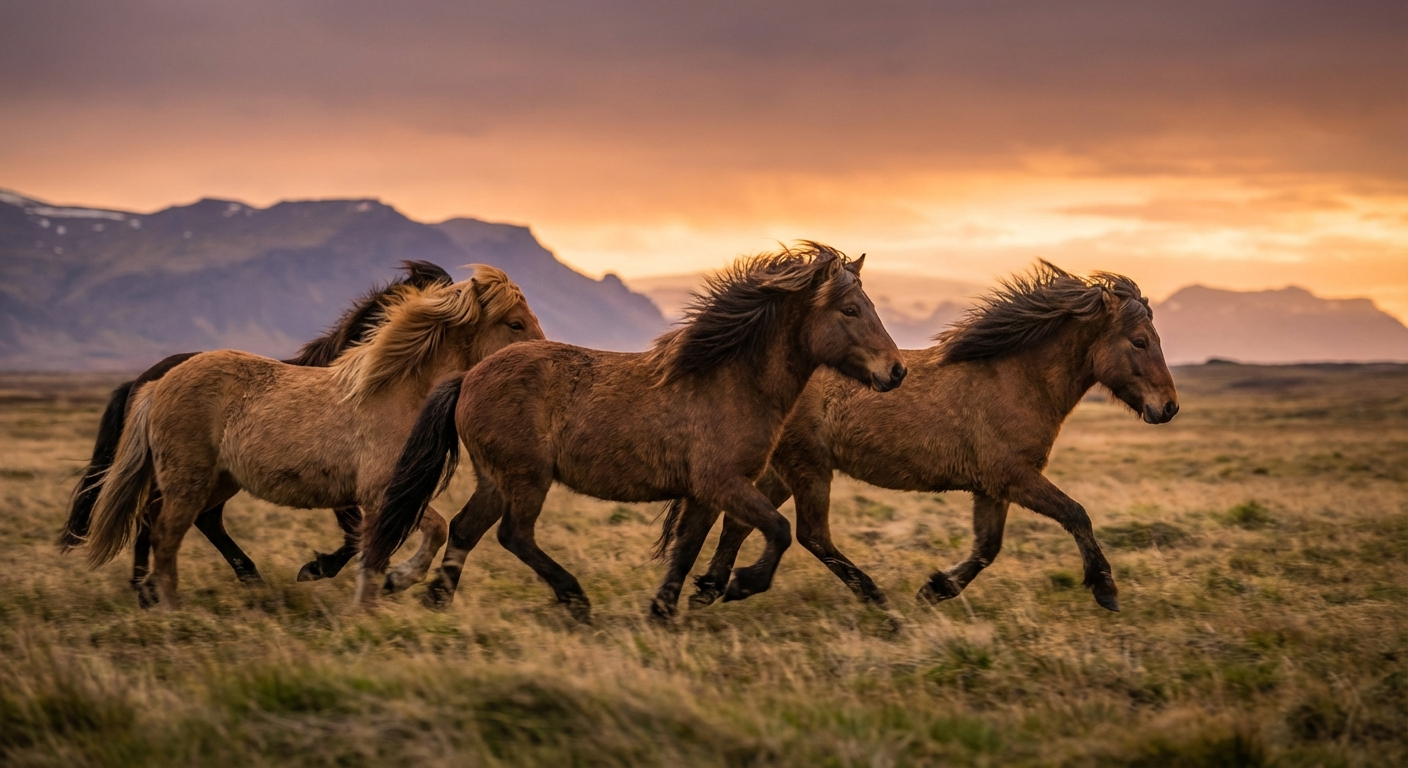
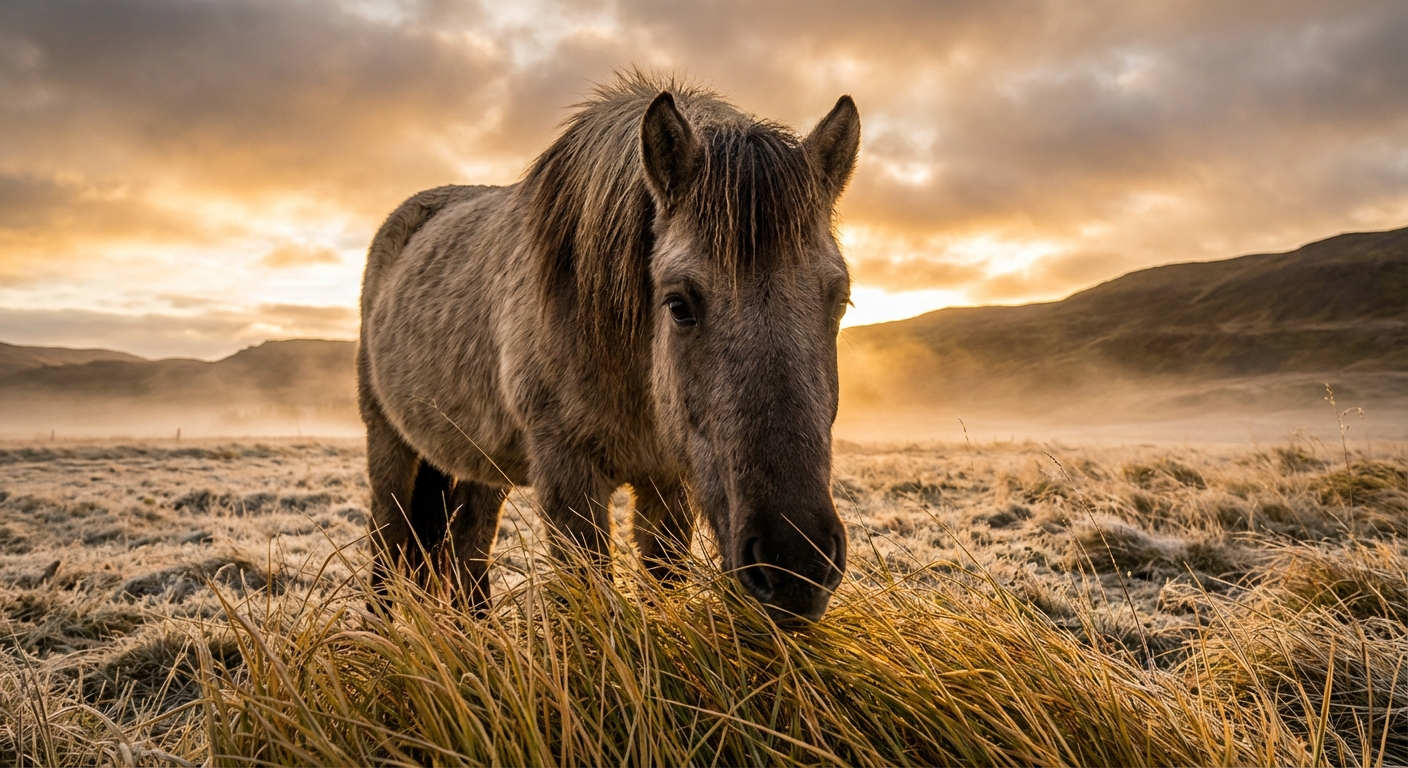
Under natural conditions, horses evolved for perpetual grazing and an existence organized around locomotion and connection. When these foundations erode, body and psyche frequently seek solace elsewhere. The loop may be that search rendered visible.
We too carry our loops—the anxious habits, the compulsive returns to what cannot be resolved. Perhaps they are asking us the same question: what essential rhythm has been interrupted?
Neutral Nature: Observer First, Doer Second
Choosing observation over management does not equate to passivity. It means resisting the impulse to micromanage how the horse expresses itself.
A control-oriented welfare approach tends to reduce everything to a binary of ease versus unease—then attempts to engineer away every imperfection. Yet a life stripped of all challenge does not inherently produce tranquility; it can produce fragility. Neutral nature is not about "ideal circumstances." It represents a respectful tolerance for the kind of authentic experience that cultivates resilience—combined with a dedication to providing genuine foundations.
The observer's position thus becomes actionable:
- Does food remain perpetually accessible, or does the day hold vacant stretches that trigger the acid-damage cycle the instant grazing ceases?
- Is the horse's existence organized around continuous foraging, or around schedules dictated by humans?
- Is there sufficient space to move in ways that honor the horse's inherent need for travel?
- Is the social environment stable enough that the horse can invest energy in living rather than in perpetual relational vigilance?
None of these inquiries demand "correcting the horse." They invite us to examine the architecture of the world we have constructed.
How often do we ask ourselves similar questions about our own environments—whether our days are structured for human flourishing, or merely for human productivity?
The Manager's Trap: Treating Symptoms as the Problem
When a loop emerges, the temptation is to address the visible behavior as though it were the central concern. Yet in coexistence, the visible behavior often represents the most truthful element of the entire system.
Management culture frequently celebrates swift victories: suppressing the outward manifestation so appearances seem peaceful. Neutral nature celebrates something more patient: allowing the behavior to persist as communication long enough for us to decipher it.
This redefines what "assistance" means. Assistance may involve less interruption and more restoration of essentials—uninterrupted forage as a non-negotiable bedrock, purposeful movement as an everyday reality, and a social fabric where negotiations over decisions and territory can unfold without human choreography.
Here the protection paradox reveals itself most clearly. The more we attempt to shield a horse from every hardship by orchestrating the day, the more we risk stripping away the very conditions that preserve the horse's adaptability—movement, agency, and the modest honest pressures that teach bodies resilience.
We might recognize this paradox in our own lives: the more we sanitize our existence of all difficulty, the less equipped we become to meet the difficulties that inevitably arrive.
Coexistence as Environmental Care
The observer's stance gradually transforms what it means to be the human in this relationship.
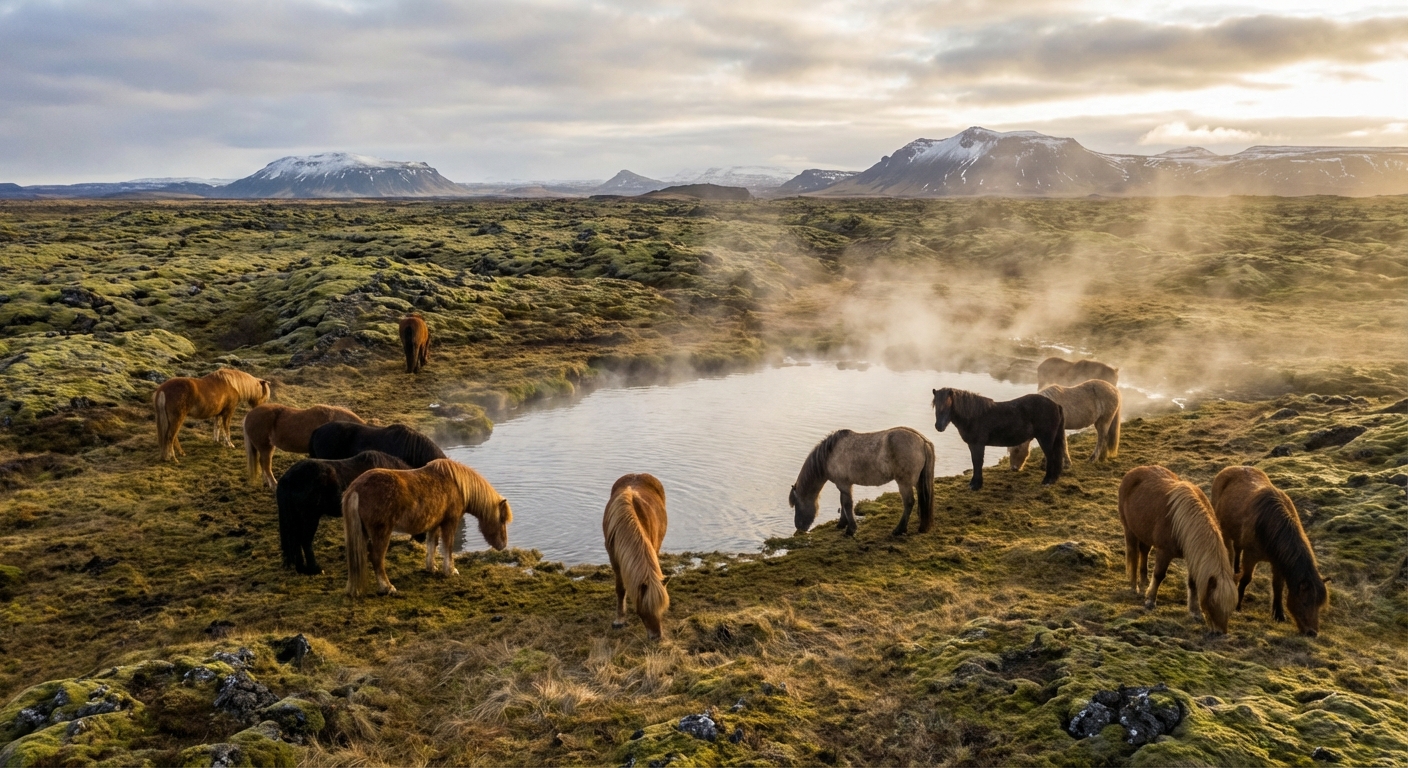
Rather than "managing the horse," we find ourselves tending to habitat: the vitality of soil, decisions about pasture, and the ecological gifts that a thoughtfully maintained landscape offers the animals dwelling upon it. The horse is not a delicate ornament arranged atop nature; the horse is woven into a living web.
Within this understanding, the loop ceases to be a shameful defect. It becomes an indicator-species moment—intelligence about how our system is performing.
And sometimes the most honorable response involves no direct contact with the horse whatsoever. It is structural: creating conditions for the horse to spend more hours engaged in what horses were made to do—travel, graze without interruption, and exist within a reliable social constellation.
Perhaps the deepest care we can offer any living being—equine or human—is not to fix them, but to tend the ground on which they stand.
A Different Kind of Responsibility
Neutral nature does not release us from obligation; it relocates where that obligation resides.
Not in policing expressions.
In designing for fundamentals.
In attending to what the horse is already communicating.
The loop I witnessed that day continues to hold meaning for me—not because it was dramatic, but because it illuminated how swiftly I yearned to become the administrator of a symptom. Coexistence invited me toward something else entirely: a patient witness, prepared to let the horse's behavior remain honest, and prepared to reshape the world rather than rewrite the horse.
This may be the quiet revolution available to us all—learning to adjust the conditions of life rather than demanding that life adjust to conditions we refuse to question.
Equine Notion
https://equinenotion.com/